REVIEW · POKHARA
Exhilarating Pokhara-Kathmandu Bus Journey Experience
Book on Viator →Operated by Nepal Vehicle Hiring Pvt Ltd · Bookable on Viator
That AC hum matters on this ride. The Pokhara–Kathmandu bus gets you from lakeside Pokhara to Kathmandu in about 7–8 hours, with green hills, small villages, rivers, and the occasional mountain view sliding by outside the window.
I like the comfortable seating and the onboard team that keeps things moving and handles the basics. I also like that the schedule builds in restroom and meal breaks so you are not stuck the whole way. The one thing to consider: timing and bus condition can vary, so I recommend planning for a longer ride and bringing patience.
In This Review
- Key things I’d watch for
- Pokhara–Kathmandu by bus: simple, practical, and usually good value
- The 6:45 am start: what to do before you board
- Inside the bus: AC comfort and seating that won’t wreck your day
- The road trip itself: what you’ll actually see between cities
- Restroom and meal breaks: how to use them without losing time
- A note on reliability: delays and vehicle condition can matter
- Arriving in Kathmandu: ending at the Balaju area bus garage
- Price and value: $15 for AC is hard to beat
- Who this bus suits best (and who should think twice)
- Tips that make the 7–9 hour ride feel easier
- Should you book this Pokhara to Kathmandu bus?
- FAQ
- FAQ
- How long is the bus ride from Pokhara to Kathmandu?
- What time does the bus leave Pokhara?
- Where do I board in Pokhara?
- Where does the bus drop off in Kathmandu?
- Is the bus air-conditioned?
- Do I get a mobile ticket?
- How much does it cost?
- How many people are in the group?
- Are service animals allowed?
- Is this trip refundable if I cancel?
Key things I’d watch for
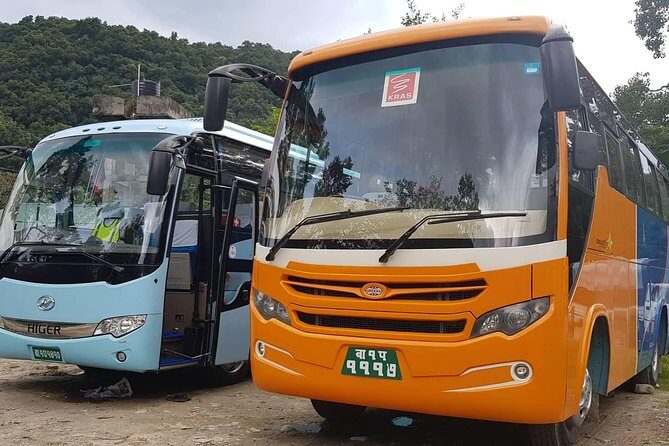
- Air-conditioning onboard: you’ll stay calmer when the weather (or traffic) turns hot.
- Restroom and meal breaks: good for a long 7–9 hour day.
- Small group size (max 20): less chaotic boarding than bigger bus crowds.
- Mobile ticket: easier to manage than paper, as long as your phone has battery.
- Traffic affects duration: the trip can stretch depending on roads and delays.
Pokhara–Kathmandu by bus: simple, practical, and usually good value
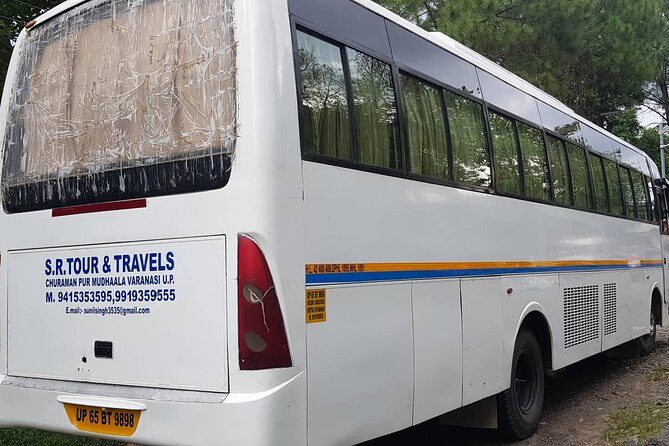
For $15, this is one of the easiest ways to connect Pokhara and Kathmandu without planning transfers or negotiating taxis. You start early at 6:45 am, and the ride typically lands you in Kathmandu the same day, with a drive time around 7–8 hours (and sometimes longer with traffic).
The biggest win here is comfort-for-the-price. The bus runs with air-conditioning, which makes the long hours feel less punishing than the old-school, open-window style of travel. Add in scheduled breaks, and you get something that feels more like a controlled day trip than a pure endurance test.
That said, long road trips in Nepal are not always a stopwatch situation. The route can be slower than expected depending on traffic, roadworks, and how quickly the bus moves between short stops.
You can also read our reviews of more tours and experiences in Pokhara.
The 6:45 am start: what to do before you board
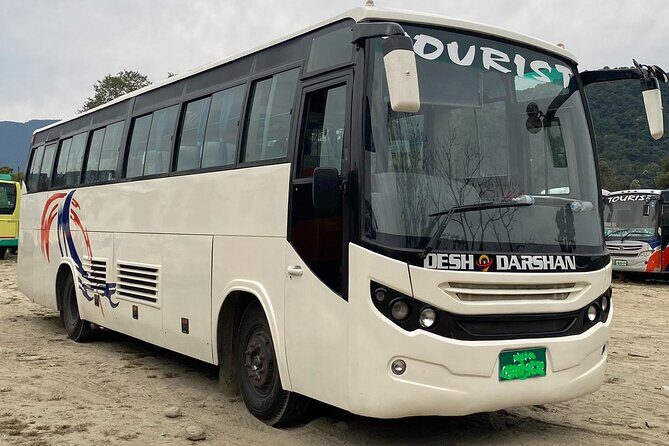
Your pickup point is the Tourist Bus Park in Pokhara (Pokhara 33700, Nepal). This is the kind of departure where arriving a bit early pays off, because you’ll want time to find your bus, get your seat, and settle your bags.
You’ll be using a mobile ticket, and you should plan for a dead-battery moment the same way you plan for rain—by not relying on luck. Keep your ticket accessible on your phone, but also keep a backup idea (like knowing the booking details) in case your app or screen has issues.
The bus service is listed as having confirmation at booking time, and the provider is Nepal Vehicle Hiring Pvt Ltd. If you’re the type who hates surprises, double-check your confirmation details before you leave town for the morning.
Inside the bus: AC comfort and seating that won’t wreck your day
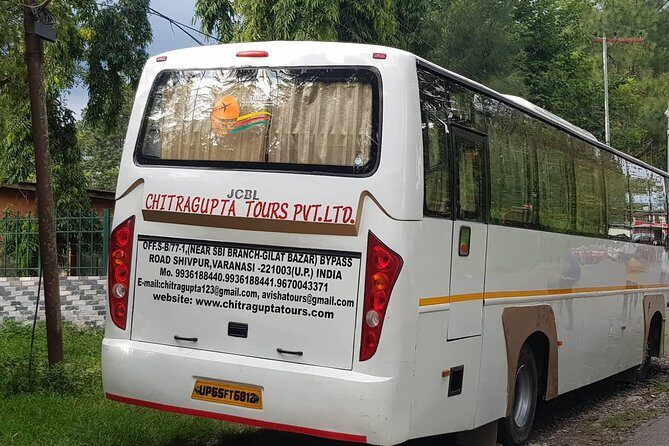
The bus is described as air-conditioned with comfortable seating, which is the main reason I’d pick this over cheaper ground options. After a night in Pokhara (often cooler near the lakeside), an AC ride can feel like a reset button when the day gets warm.
Because the trip is long, the seating quality matters more than people think. A comfortable seat, even if it is not luxury, helps you stay upright and focused during the long middle stretch of road.
Also, notice the group size cap: this service runs with a maximum of 20 travelers. Smaller groups often mean less crowding at boarding and fewer coordination headaches once everyone is inside.
The road trip itself: what you’ll actually see between cities
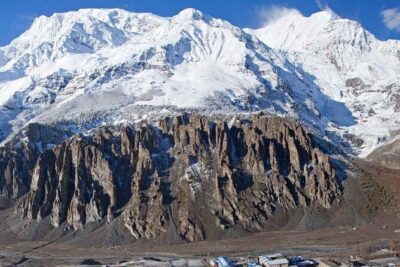
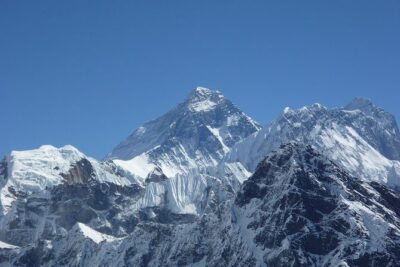
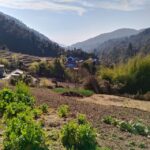
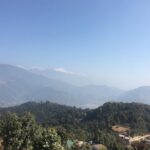
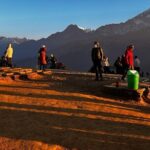
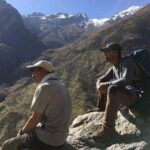
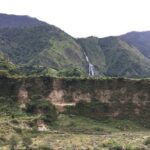
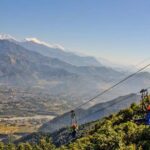
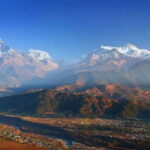
The driving time is typically about 7–8 hours, depending on conditions. The view changes steadily: green hills, small villages, rivers, and occasional glimpses of mountains when the weather and light cooperate.
You won’t get one single “wow” vista for the entire journey. Instead, it is a rolling series of moments—houses, terraced slopes, bends in the river, and the way communities hug the valleys. If you like travel that feels like watching everyday life move by, this works.
If you’re hoping for constant mountain panoramas, keep expectations flexible. Views come and go, especially when clouds, fog, or road curves limit what you can see from the bus.
Restroom and meal breaks: how to use them without losing time
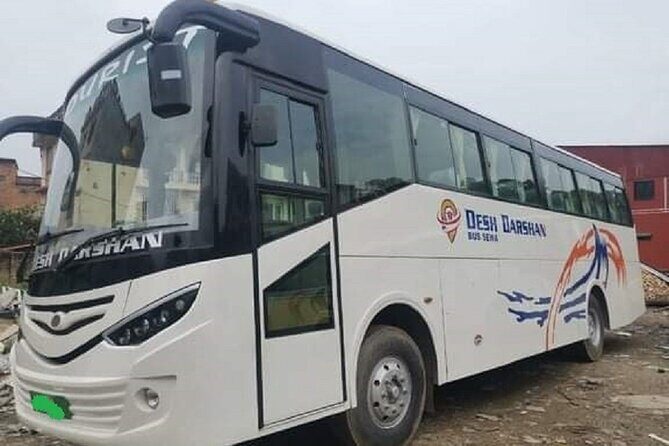
The ride includes restroom and meal stops during the journey. These breaks are part of why the trip feels manageable instead of miserable, especially when you are dealing with a full day away from both cities.
Here’s how I’d handle them:
- Use the restroom stops early rather than waiting until you feel desperate.
- Eat something simple if you’re prone to stomach issues on buses.
- Keep your water and snacks where you can reach them without digging through your whole bag.
If you are someone who dislikes rushing, remember the bus schedule is built around short stops, not long breaks. That means you’ll want to be ready to move quickly when the driver calls it.


A note on reliability: delays and vehicle condition can matter
One practical thing I want you to think about is the risk of a long day. The schedule is listed as 8 to 9 hours approximate, and the actual time can stretch with traffic.
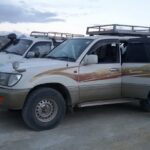
I also learned that the bus assigned to you may not always match what you expect, and vehicle condition can vary. That is not unique to this route; it’s the reality of road transport anywhere. The smart move is to protect yourself: eat early, bring essentials, and plan for the possibility that you might arrive later than the neat estimate.
If you have a same-day plan in Kathmandu that’s strict—like a hotel check-in, a flight, or a timed activity—give yourself breathing room.
Arriving in Kathmandu: ending at the Balaju area bus garage
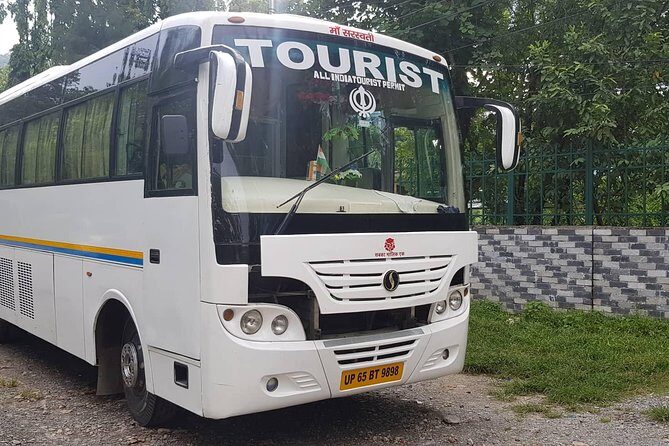
Your drop-off is Kathmandu’s Tourist Bus Garage area around Balaju-16, near the left bank side described as चमती विष्णुमती किनार बायाँ, Kathmandu 44600, Nepal. This matters because it’s not necessarily the most convenient landing zone for every part of the city.
When you arrive, take a minute to reorient: figure out where your hotel is, and plan the next move right away. In Kathmandu, the last mile can take time, especially if you’re moving on foot or dealing with slow traffic.
If you’re transferring onward the same day, keep your transition plan light. A bus ride day is not the day to add a second complicated change.
Price and value: $15 for AC is hard to beat
At $15.00 per person, the value here comes from three things working together: air-conditioning, a straight-line connection between two major tourist hubs, and planned rest stops. You’re not paying for comfort alone—you’re paying for reduced friction.
Could you find a cheaper ride? Maybe. But you’d likely trade away some comfort and consistency. Could you find a more expensive option with bigger seats or fewer bumps? Yes, but you’d be paying for a level of comfort that may not be necessary if you’re prepared.
The other value point: this is a service that’s usually booked about 20 days in advance on average. That can be a sign of demand and reliability, or it can be a sign that people like the simple route. Either way, it suggests you should not wait until the last minute if your dates are fixed.
Who this bus suits best (and who should think twice)
This is a good fit if you:
- want an affordable, direct ride between Pokhara and Kathmandu
- like road travel with frequent enough breaks to stay human
- prefer AC on a long day
- are comfortable with a morning departure and a full daytime schedule
It might not be your ideal choice if you are very schedule-sensitive or you cannot tolerate delays. If you’re the kind of person who needs exact timing—like catching a specific connection right after arrival—then you’ll feel more stress than you would on a flexible day.
Also, if you’re traveling with a service animal, this service allows service animals. That’s worth knowing if it affects your planning.
Tips that make the 7–9 hour ride feel easier
You can make this trip better with a few small moves. These are the basics that help whether the bus ride is smooth or slower than planned.
First, dress in layers. Even with AC, temperatures can swing with time of day and changes in how warm the bus feels. Second, keep your essentials within reach: water, tissues, a small snack, and anything you need for a bathroom stop.
Third, bring something to do in the “middle hours.” Views are nice, but there are stretches where you’ll be staring at road and river lines more than scenery. Download offline music or a short reading list before you go.
Finally, protect your phone battery. With a mobile ticket and navigation needs, you’ll be happier if your device lasts until you reach Kathmandu.
Should you book this Pokhara to Kathmandu bus?
If your priority is getting between Pokhara and Kathmandu with air-conditioning, predictable restroom/meal breaks, and a low price, I think this is a solid option. The $15 cost makes the day feel affordable, and the small group size (up to 20) helps keep boarding calmer.
I’d still book with eyes open. Plan for possible delays, and don’t schedule something ultra-timed for immediately after arrival. If you can keep your day flexible, you’ll likely enjoy this as a comfortable, scenic road connection rather than a stressful transfer.
FAQ
FAQ
How long is the bus ride from Pokhara to Kathmandu?
The journey is listed as approximately 8 to 9 hours, and it typically takes around 7 to 8 hours depending on traffic conditions.
What time does the bus leave Pokhara?
The start time is 6:45 am.
Where do I board in Pokhara?
You board at the Tourist Bus Park, Pokhara 33700, Nepal.
Where does the bus drop off in Kathmandu?
You end at the Tourist Bus Garage, बालाजु-१६, चमती विष्णुमती किनार बायाँ, Kathmandu 44600, Nepal.
Is the bus air-conditioned?
Yes, the ticket includes an air conditioned tourist bus.
Do I get a mobile ticket?
Yes, the experience includes a mobile ticket, and you receive confirmation at the time of booking.
How much does it cost?
The price is $15.00 per person.
How many people are in the group?
This activity has a maximum of 20 travelers.
Are service animals allowed?
Yes, service animals are allowed.
Is this trip refundable if I cancel?
No. It is non-refundable and cannot be changed for any reason.