REVIEW · KATHMANDU
Kathmandu: Experience Shamanic Healing and Purification
Book on GetYourGuide →Operated by The Himalayan Guides · Bookable on GetYourGuide
Shaman healing starts fast and feels personal. In Kathmandu’s Bagmati Zone, this one-day experience pairs one-on-one guidance with a purification focus, aimed at spiritual and psychological clarity. I like that it is structured and cared for, with pickup from Thamel and an English-speaking guide/translator to keep everything understandable.
What I like most is the attention to the shaman session as the main event: you’ll sit down for a consultation and a health insight that looks at past, present, and future. The other strong point is how seriously the tradition is handled, including clear rules about when shamans do not practice and when women should not attend. The main drawback to consider is that the exact length and intensity of the shaman consult can vary, and if you expect a long, set ritual time, you may be disappointed.
Key points worth knowing before you go
- Private, one-on-one shaman consultation with English support from a guide/translator
- Health insight framed as past, present, and future understanding
- Purification focus aimed at cleansing negative energy
- Temple visit tied to Himalayan Bon shamanism traditions
- Respect rules matter: no Wednesday sessions; menstruation-period restrictions apply
- $80 for one day can be great value if you want a personal, spiritually grounded experience
In This Review
- First stop: Thamel pickup and a day that stays easy
- The heart of the day: one-on-one shaman consultation (and why it’s the point)
- The health reading: past, present, future insights you can actually think about
- Purification and cleansing negative energy: what that likely means in practice
- The temple visit and Bon shamanism context: respectful, not casual
- Time in Kathmandu: why the guided hour isn’t fluff
- Price and value: is $80 worth it for one day?
- Logistics that matter: private group, English guide, no alcohol or drugs
- What could disappoint you (so you’re not blindsided)
- Who should book this shamanic healing session?
- Should you book it?
- FAQ
- How much does the Kathmandu shamanic healing experience cost?
- How long is the experience?
- Where do you get picked up in Kathmandu?
- What language is the tour guide/translator?
- Is this a private group or shared group?
- Are alcohol and drugs allowed during the experience?
- Are there any day-of-week restrictions for shamans?
- Are there restrictions related to menstruation?
- Can children join this experience?
- What if my plans change?
- Is there an option to book without paying right away?
First stop: Thamel pickup and a day that stays easy
If you’re staying in Thamel, this is a simple start. You’ll be picked up from your hotel in Thamel, and you’ll meet your driver and guide/translator with enough buffer time to avoid that stressful, half-waking-on-vacation scramble.
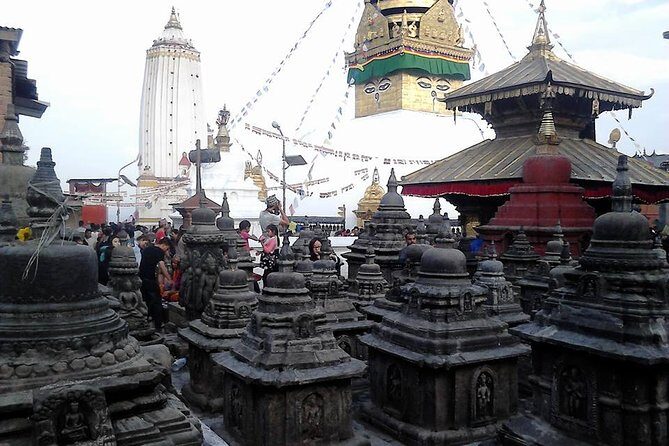
From there, you’ll take a black cab ride toward Kathmandu for about an hour of guided touring time before the shamanic portion of the day. That guided segment matters more than it sounds. It helps you get oriented in the city, pick up key context on what you’re about to witness, and shift from tourist mode into “I’m here to understand something” mode.
Practical note: the experience is designed as a private group. That’s a big deal for shaman-based work, where you often want a calm pace and space to ask questions without feeling like you’re in the background of someone else’s spiritual storyline.
The heart of the day: one-on-one shaman consultation (and why it’s the point)
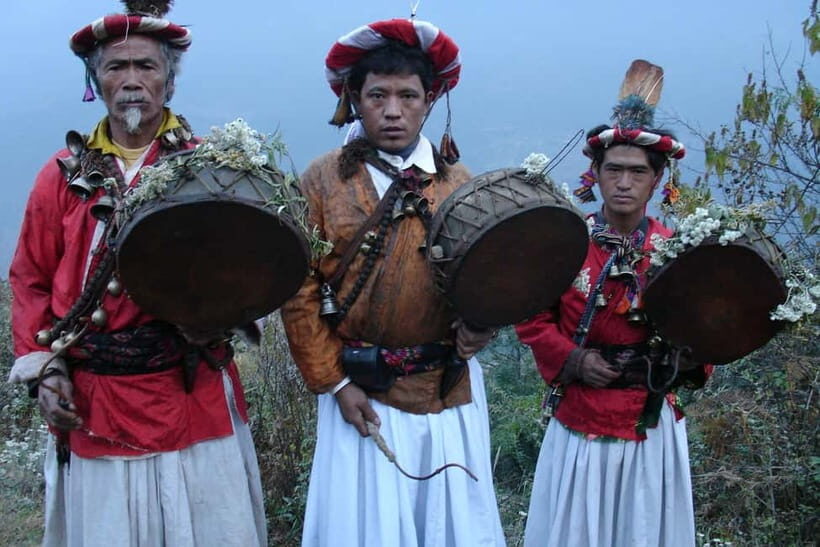
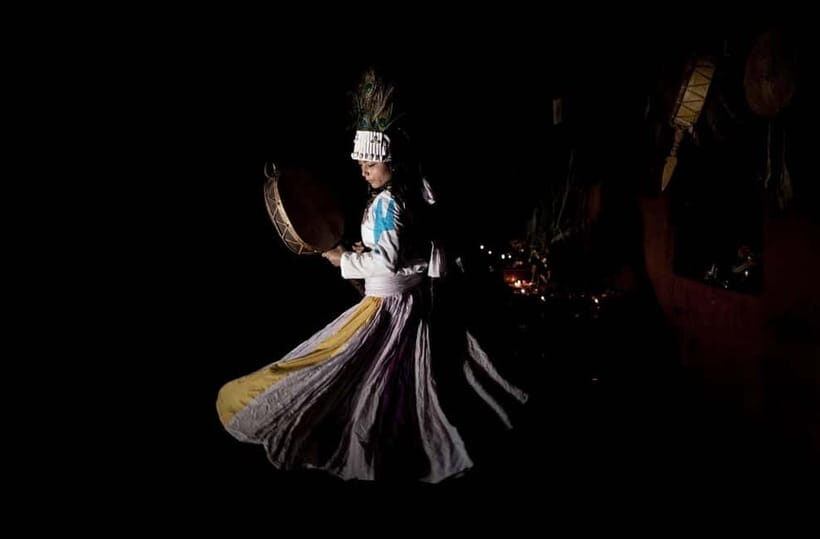
The experience is built around a one-on-one consultation with a shaman, and that is the core value. You’re not just watching. You’re engaging directly, with the guide/translator helping you follow what’s being communicated in English.
In shamanic traditions like Himalayan Bon shamanism, the shaman isn’t only a spiritual figure. In the way this is presented here, shamans are treated as early forms of psychological insight—someone who helps interpret patterns, disruptions, and imbalances in a person’s life. I find that framing useful because it doesn’t force you to choose between spirituality and psychology. It asks you to consider that your mind, emotions, and behavior can be part of a bigger energetic picture.
You should also know this is not a casual chat. Expect an experience that feels structured and serious. Your role is to bring openness, answer questions if you’re asked, and let the process unfold rather than trying to “win” it with skepticism on command.
You can also read our reviews of more tours and experiences in Kathmandu.



The health reading: past, present, future insights you can actually think about
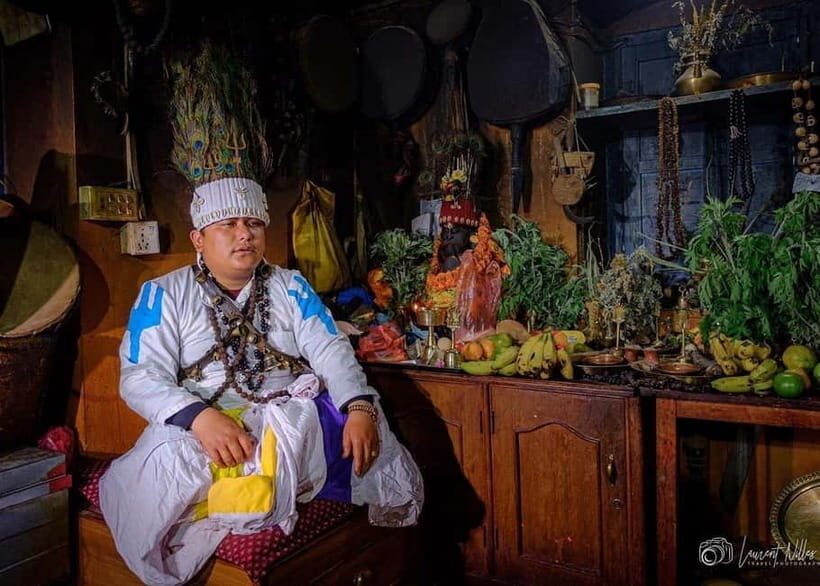
One of the highlights you’re paying for is a health insight that covers past, present, and future. That may sound mystical at first, but here’s why it can still be meaningful for you: it turns scattered concerns into a narrative.
Even if you approach this from a purely reflective angle, a past/present/future framing can help you spot themes you’ve ignored:
- repeating stress cycles
- relationships or habits that keep resurfacing
- choices that may be creating the same outcome again and again
The guide/translator plays an important role here. If you’re not fluent in the local spiritual language, English support can help you separate what you’re being told from what you’re guessing. Based on the strongest feedback from previous participants, the translation quality is a key reason people walked away feeling understood.
A good mindset to bring: treat the reading like a mirror. Don’t treat it like an appointment with a doctor. This is spiritual and psychological guidance, not medical diagnosis or treatment.
Purification and cleansing negative energy: what that likely means in practice
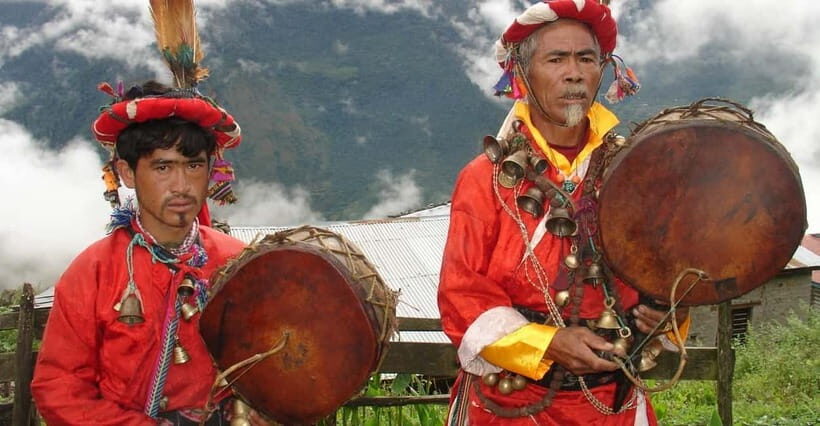
You’ll also go through cleansing designed to remove negative energy. In shamanic settings, purification usually has a physical and symbolic side—something you do, not just something you believe. You’re meant to feel the experience as a shift: lighter, clearer, or more grounded afterward.
For many people, that’s the whole point. When you travel, you accumulate stress—jet lag, overstimulation, cheap food that sits wrong, sleep that doesn’t match your usual rhythm. Your body carries it. Your mind carries it. A purification ritual, even when interpreted symbolically, can act like a reset.
Just don’t expect a guarantee. Spiritual practices aren’t vending machines. Some days you’ll connect deeply. Other days you’ll watch the process and feel more neutral. That doesn’t mean you wasted your time; it means you showed up honestly.
The temple visit and Bon shamanism context: respectful, not casual
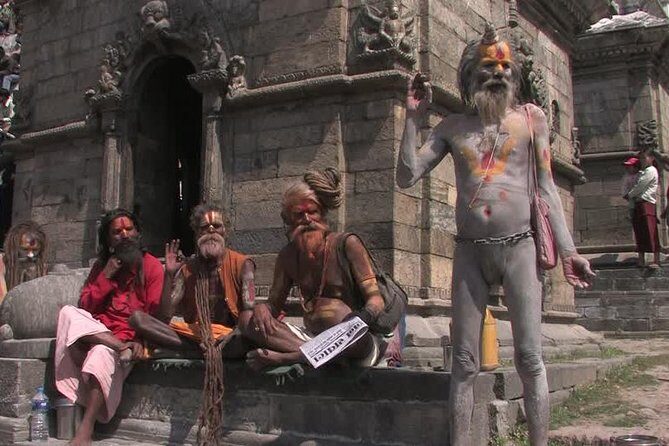
Part of the day includes a visit to a traditional shaman temple. This is where the experience connects to Nepal’s older cultural and spiritual thread—less show, more ritual space.
Here’s what I think you should pay attention to: rules and respect are not details here. They’re part of the tradition’s logic. If you want this to feel meaningful, act accordingly:
- move calmly
- follow the shaman and guide’s instructions
- treat the temple space as more than a photo stop
Also, remember that shamans do not conduct consultations on Wednesdays. So if you’re planning your Nepal dates, don’t assume any day works. Build your schedule around the day the session can happen.
And there’s an additional tradition-based restriction you should take seriously: women are kindly requested not to visit the shaman or temple during the first four days of their menstrual period. Female shamans also do not practice during this time. If any of that applies to you, it’s best to plan an alternate date rather than try to negotiate your way through.
This isn’t about discomfort. It’s about following the ethical and cultural boundaries that make the ritual legitimate to the people performing it.
Time in Kathmandu: why the guided hour isn’t fluff
The day includes a Kathmandu guided tour segment of about one hour. It might not sound like the main event, but it helps you in two practical ways.
First, you’ll better understand the setting you’re in. When you know where you are and what you’re seeing, the later spiritual portion feels less random and more connected to place.
Second, it helps you regulate your energy. A calm start matters for any ritual work. If you arrive rushed, you’ll only remember logistics instead of meaning.
I also appreciate that the day is built to be manageable. It’s not a multi-day spiritual pilgrimage. It’s one day that aims to be intense enough to count, while still being organized enough that you’re not lost in the process.





Price and value: is $80 worth it for one day?
At $80 per person for a one-day private session, the value depends on what you want.
If you’re looking for a personalized, culturally focused experience anchored on one-on-one guidance and purification, this can be good value. You also get hotel pickup/drop off from Thamel, a guide/translator, and a bottle of water—small things, but they remove friction so you can focus on the session.
Where value can feel weaker is if your expectation was a long, extended ceremony. One negative experience mentions the session lasted around 20 minutes, and that mismatch led to dissatisfaction. The lesson here isn’t to assume that will happen to you. It’s to understand that the consult time may not be huge, and what matters is whether the guidance you receive feels clear and relevant.
My practical advice: treat this as a concentrated spiritual consultation, not an all-day ritual marathon. If you go in wanting a quick but personal focus, you’re more likely to feel satisfied.
Logistics that matter: private group, English guide, no alcohol or drugs
The experience is offered in English with a live tour guide/translator. That matters because shamanic work is communication-heavy—nuance, symbolism, and context. When translation is done well, people report feeling supported and able to follow the process. When it’s not, it becomes hard to trust what you think you heard.
You’ll also be in a private group, which supports a calmer pace. It’s easier to ask questions and set the tone when you’re not constantly sharing space with strangers.
Rules-wise, alcohol and drugs are not allowed. That’s a straightforward choice for safety and respect, especially around purification work.
And it’s not suitable for children under 15. This type of experience requires attention, seriousness, and respect for tradition.
What could disappoint you (so you’re not blindsided)
I want you to be prepared for the one kind of letdown this experience can have: mismatch between expectation and delivered time.
If you book thinking you’ll get a long, drawn-out ceremony, you might feel rushed. If you book thinking you’ll get a clear one-on-one consultation that may be shorter but focused, you’ll likely be happier.
The other consideration is timing rules—Wednesdays and menstruation-period restrictions. If you’re flexible on dates, you’ll avoid the frustration of trying to fit a spiritual tradition into an incompatible schedule.
Finally, remember that this is spiritual practice. Some people feel deeply moved. Others feel mostly reflective. Either reaction can still be a valid outcome.
Who should book this shamanic healing session?
This experience is a strong match if you:
- want a one-on-one spiritual consultation tied to Himalayan Bon shamanism
- are curious about shamanic interpretations of health through past/present/future framing
- want a purification element rather than only sightseeing
- value respect for local rules and cultural boundaries
I’d also say it’s a good fit for you if you like structured experiences with an English-speaking guide who can help you understand what’s happening.
It may not be the best match if you:
- want guaranteed long ritual time
- prefer entertainment-style activities over spiritual seriousness
- are traveling with children under 15
Should you book it?
Yes, with a clear expectation and a date that works for the shaman schedule.
If you’re in Kathmandu and you want more than temples-from-a-distance, this can offer a rare, personal window into a tradition that’s still woven into daily life. The best feedback emphasizes organization, translation support, and the emotional depth people felt—so if English clarity and guidance quality matter to you, that’s a real plus.
But book it thoughtfully. This is not a medical service, and it may not be a long ceremony. If you can show up open-minded, respectful, and realistic about timing, you’ll likely find it worthwhile.
FAQ
How much does the Kathmandu shamanic healing experience cost?
It costs $80 per person.
How long is the experience?
The duration is 1 day.
Where do you get picked up in Kathmandu?
Pickup is included from any hotel in Thamel.
What language is the tour guide/translator?
The experience is available in English.
Is this a private group or shared group?
It’s a private group.
Are alcohol and drugs allowed during the experience?
No. Alcohol and drugs are not allowed.
Are there any day-of-week restrictions for shamans?
Yes. Shamans do not conduct consultations on Wednesdays.
Are there restrictions related to menstruation?
Yes. Women are kindly requested not to visit the shaman or temple during the first four days of their menstrual cycle, and female shamans also do not practice during this time.
Can children join this experience?
No. It is not suitable for children under 15 years.
What if my plans change?
You can cancel up to 24 hours in advance for a full refund.
Is there an option to book without paying right away?
Yes. There is a reserve now & pay later option, where you can keep travel plans flexible and pay nothing today.