REVIEW · KATHMANDU
Everest Base Camp trek – 16 days
Book on Viator →Operated by Kailash Himalaya Trek - Your friend in the Himalaya · Bookable on Viator
Everest looks closer from Kala Pattar. This 16-day Everest Base Camp trek takes you from Kathmandu into Sherpa villages, with full porterage and three centrally located hotel nights that make the start feel calm and organized.
You’ll also get the practical kind of mountain tourism: a dedicated guide, porter support, included trekking meals, and the classic Everest sights around Namche Bazaar and Tengboche.
Main consideration: this is a serious high-altitude trek, topping out at 5,545m. If you have lung issues or you’re not already in trekking shape, talk with a medical professional first and be honest with yourself about the climb.
In This Review
- Key highlights you’ll actually care about
- Kathmandu First: 3 Hotel Nights and a Smoother Launch
- Price and Logistics: What $1,794.88 Usually Buys You on This Route
- Day-by-Day Flow: From Thamel to Guest Houses to Base Camp
- Trekting Days: Sherpa Villages, Yak Country Feel, and Point-to-Point Walking
- Namche Bazaar and Tengboche Monastery: Where Culture Meets Altitude
- Kala Pattar at 5,545m: The Day With the Best Return on Effort
- Guides, Porters, and the Human System That Keeps You Moving
- What’s Included in Your Meals (and What You’ll Need to Budget)
- Gear and Comfort: Items Not Included That Matter Most
- Who This Everest Base Camp Trek Fits Best
- Should You Book This 16-Day Everest Base Camp Trek?
- FAQ
- How long is the Everest Base Camp trek?
- Where does the experience start and end in Kathmandu?
- Is pickup included from the airport?
- What accommodation is provided during the trek?
- What meals are included?
- What is the highest altitude reached on this itinerary?
- Is porterage included?
- Is this a private tour?
- What happens if the trek is canceled due to weather?
Key highlights you’ll actually care about
- Full porterage for the trekking days so you can focus on walking and acclimatizing
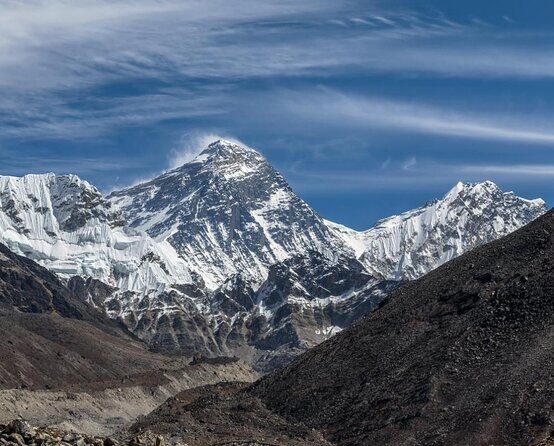
- Kala Pattar viewpoint at 5,545m for the big Everest photo payoff
- Namche Bazaar and Tengboche for Sherpa culture and monastery views
- Three central Kathmandu hotel nights with breakfast to get squared away
- Dedicated guide and porters plus staff insurance included
- Guest-house trekking for 12 nights instead of complicated camping logistics
Kathmandu First: 3 Hotel Nights and a Smoother Launch
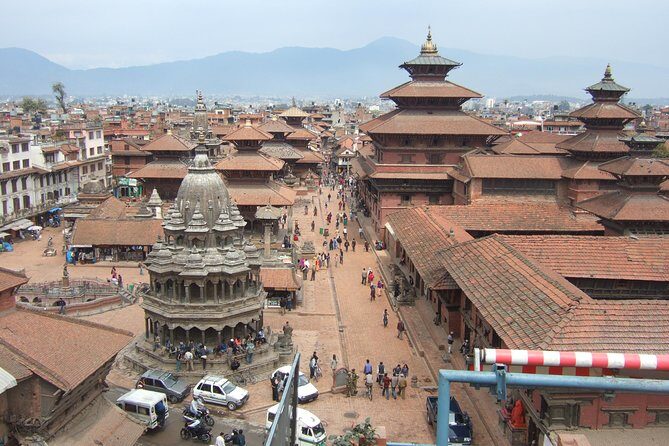
Your trip starts in Thamel, Kathmandu, with airport pickup and transfers to your hotel. Evening is left open, so you can do the simple stuff first: eat something reliably good, pick up a few essentials, and get your bearings in a neighborhood that’s built for visitors. The meeting point being close to public transportation is a small detail, but it matters when you want flexibility on day one.
The itinerary includes three centrally located hotel nights with breakfast. That’s a smart way to start a mountain trip because you don’t waste the first days sleeping in basic conditions while jet lag is still chewing on your energy. You also get a real base to organize your trekking day packs and double-check what you’ll need, especially since some items (like a sleeping bag) are not provided.
If you want a useful mindset shift: treat Kathmandu as your prep camp. You’re not just sightseeing. You’re training your body for a slower pace, cleaner routines, and a lot of early mornings ahead.
You can also read our reviews of more hiking tours in Kathmandu


Price and Logistics: What $1,794.88 Usually Buys You on This Route
At $1,794.88 per person (for a 16-day, guided Everest Base Camp trek), you’re paying for the setup that makes a big trek workable: people to coordinate, transport, and meals. This isn’t just a ticket to scenery. It’s the system behind it.
Here’s what’s included, in plain terms:
- All airport transfers in Kathmandu
- Guide and porters (with full porterage)
- An internal flight as part of moving to/from the trekking area
- Hotels in Kathmandu (with breakfast) and guest houses on the trek
- 3 meals during the trek
- Staff insurance
- Airport pickup and drop transfers, plus the return back to Thamel
What’s not included is equally important:
- Meals in Kathmandu (you’ll budget your own lunches and dinners)
- Personal insurance
- Trekking clothing and gear like a sleeping bag
- Tips
- Mineral water
Value check: the “hidden cost” on high treks is usually logistics, not sightseeing tickets. Here, guide support, porter work, and trekking meals are part of the package. That can save you both money and stress compared with trying to assemble it all yourself.
One more practical note: group discounts are listed as a feature, so if you’re traveling with friends, ask how the pricing adjusts for your group.
Day-by-Day Flow: From Thamel to Guest Houses to Base Camp
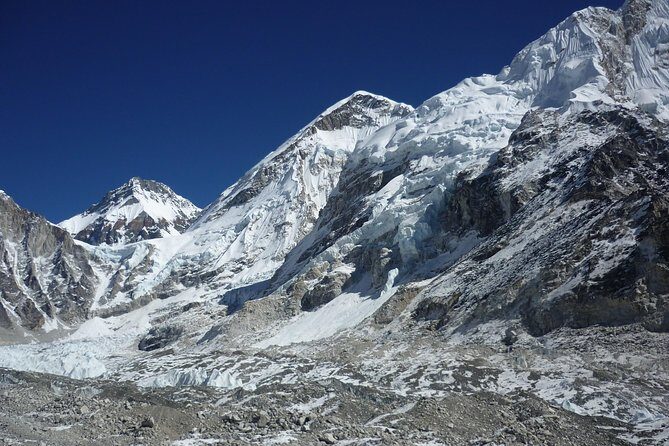
Even though the trek is described as 13 days of point-to-point walking, the whole trip runs about 16 days including Kathmandu and return. The schedule is designed so you don’t feel like you’re rushing straight from city life into thin air.
A clean way to think about your time:
- Day 1: Arrive Kathmandu, airport pickup, hotel transfer, and free evening
- Days 2–3: Still in Kathmandu for your three hotel nights with breakfast, plus time to settle in
- Days 4–15 (approx.): The trekking block, with 12 nights in guest houses and point-to-point walking
- Final day: Return transfers back to your meeting point area in Thamel
During the trek, the itinerary builds around real-life Everest rhythm: climb, rest, and keep moving through Sherpa villages. You’ll be in stone-walled fields and traditional settlements, and you’ll likely notice wildlife around the route (yaks are mentioned, along with wild animals in the general experience description).
What I like about this structure for you: you’re not expected to manage every gear-carrying detail. With full porterage, you can travel smarter. Your job is walking, pacing, and staying present for the route rather than fighting your backpack.
Trekting Days: Sherpa Villages, Yak Country Feel, and Point-to-Point Walking
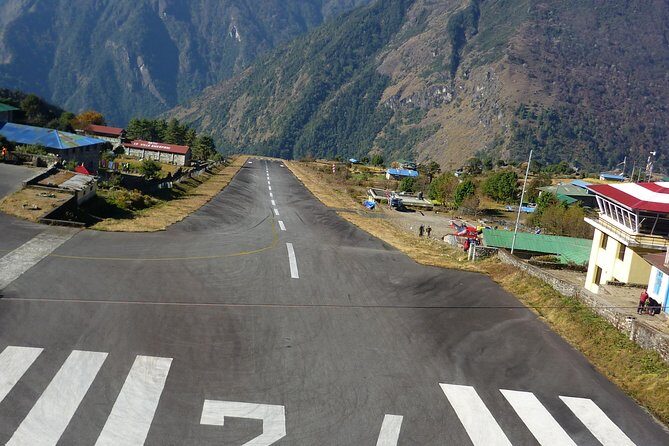
The core of this experience is a 13-day point-to-point walk with full porterage. That single detail changes the entire experience. You still hike hard, but you’re not also loading yourself with the weight of your entire trip. That can matter a lot at altitude, where every extra ounce starts to feel like a decision you regret.
Accommodation is guest houses for 12 nights on the trek. That means you’ll generally have a roof, a dining space for your included meals, and a routine that repeats each evening. It’s not luxury, but it’s practical. The benefit is that you can focus on sleep quality, hydration, and recovery without constantly re-planning camp logistics.
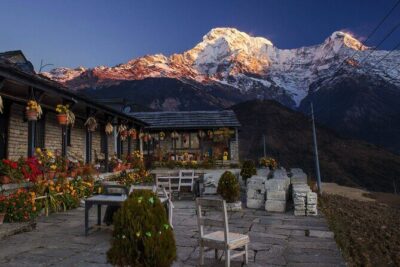
Along the route, you’ll pass through places that are part of living Sherpa life, not just photo stops. The description highlights ancient villages, stone-walled fields and houses, and mountain scenery that’s strong enough to make you pause even when you’re tired. It’s also where you’ll “see Sherpas” as part of everyday life, not just as a romantic backdrop.
Possible drawback: point-to-point and “full days” of walking can feel relentless if you’re expecting lots of slow sightseeing. If you want a long list of rest days built in, you’ll want to compare with other trek styles.
Namche Bazaar and Tengboche Monastery: Where Culture Meets Altitude
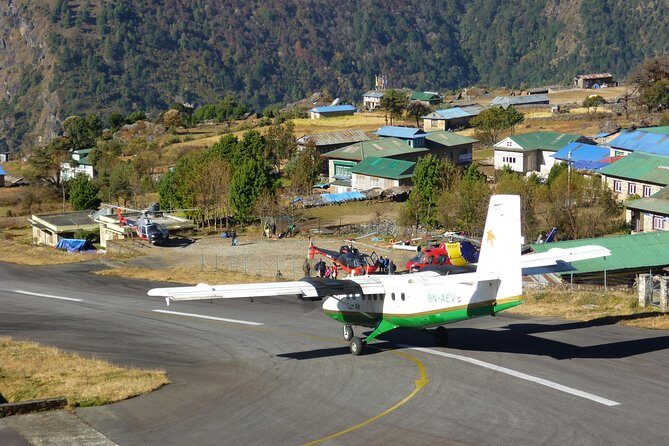
Two anchors show up in the experience description: Namche Bazaar and Tengboche (with a monastery). These are the places that tend to give the trek its meaning beyond the mileage.
Namche Bazaar is often described as Sherpa heartland, and in this trek it’s treated like more than a waypoint. You’re walking into a hub where you’ll notice the rhythm of trade, hospitality, and mountain knowledge. Even if you keep it simple, it’s the kind of village that helps you understand how people live with the mountain every day.
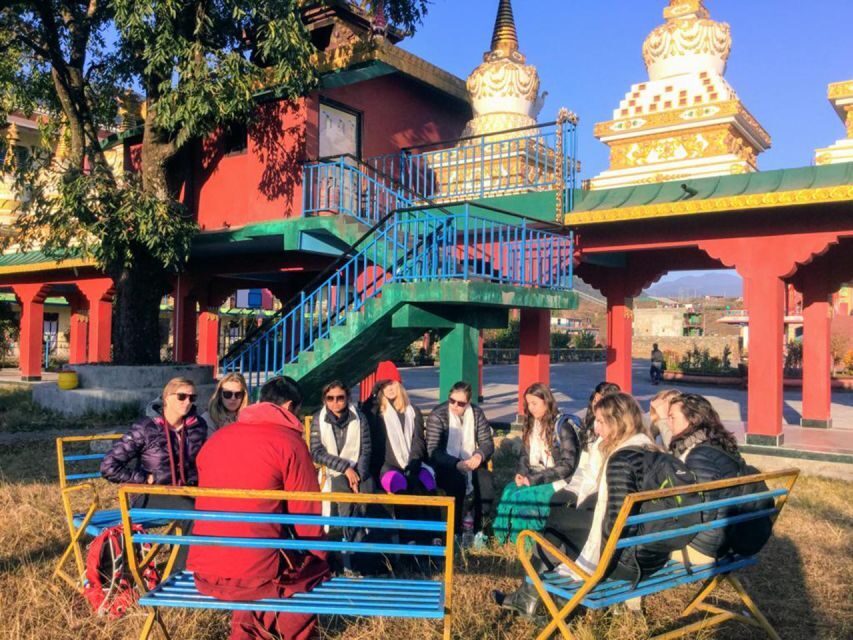
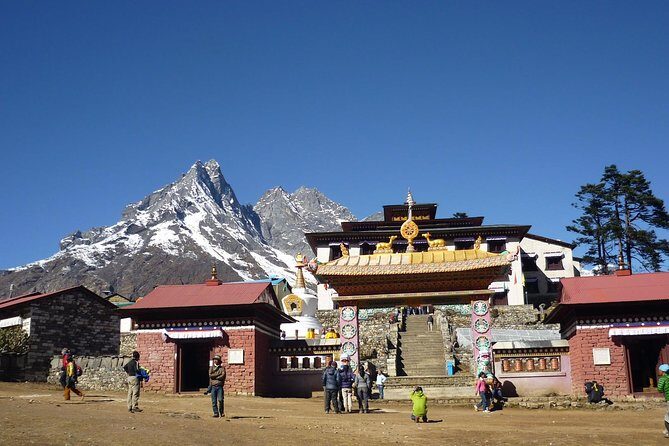
Then you get to Tengboche, specifically the hill top monastery. This stop is more than a view desk. Monasteries in these regions reflect deep local traditions, and the position matters: you’ll reach a spot that’s elevated both physically and spiritually, surrounded by mountain scenery that keeps pulling your eyes back upward.
For me, these cultural anchors are what make the trek feel like a journey, not a checklist. You’ll spend enough time in the mountains that the human scale starts to matter. Namche and Tengboche help you remember that.





Kala Pattar at 5,545m: The Day With the Best Return on Effort
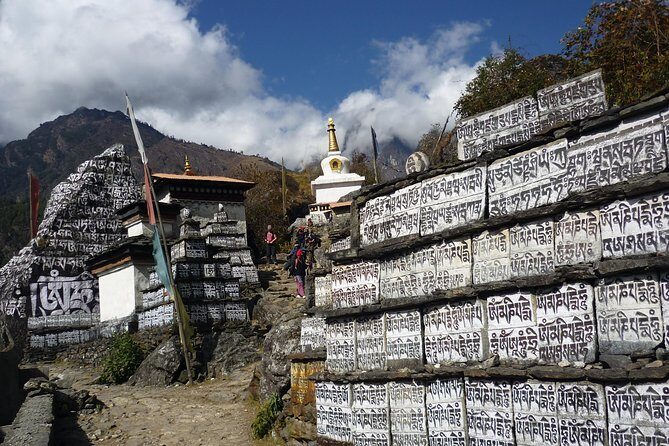
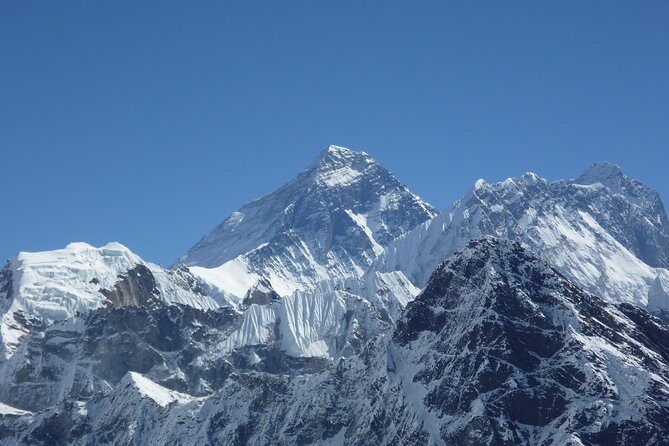
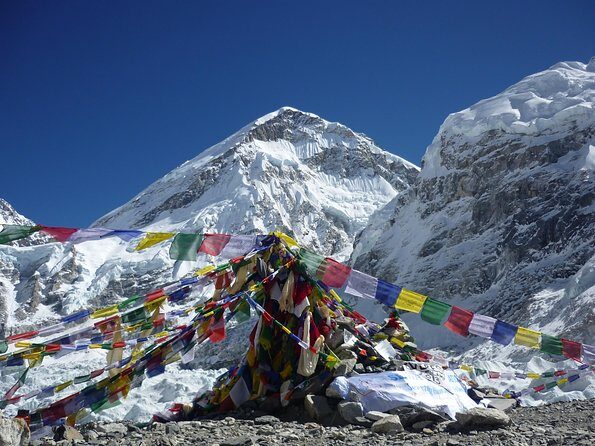
The trekking route is built to reach Kala Pattar (5,545m), the itinerary’s maximum altitude point. This is where you earn those photos that look impossible on a screen. It’s also where you learn the difference between “being able to go” and “being able to feel good while going.”
You should expect a big day. Even when the hike is short in distance, it’s intense in effort. The climb to Kala Pattar is likely to test breathing, legs, and patience. If you know you get anxious at height, practice slow breathing before you leave Kathmandu. If you’re prone to headaches above 3,000m, be extra cautious.
What you gain is perspective. The description points toward Everest views from Kala Pattar, and you’ll also feel how the entire Khumbu area changes when you’re that high. It’s a payoff day, but it’s also a reminder to take acclimatization seriously throughout the trek.
Important: if you have any lung or serious health concerns, the altitude cap listed here (5,545m) should be a deciding factor, not a detail.
Guides, Porters, and the Human System That Keeps You Moving
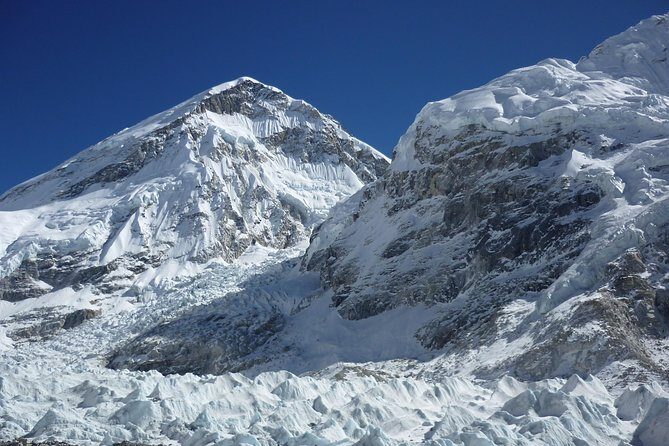
The trek includes a dedicated guide and porters, plus staff insurance. That’s a big deal in the Himalaya, where conditions can change and where smooth decisions often come from experienced people.
The reviews attached to this operator give you names to watch for if you want to request a specific style of support. Dawa and Chirring receive standout praise for guidance and encouragement, especially when the trek gets challenging. Other names that appear in feedback include Raju, Tej, and Budhi as part of the porter/ground team. There’s also mention of Ardash meeting guests at the airport and handling logistics.
You shouldn’t assume your exact staffing will match someone else’s trip. But you can use the names as a conversation starter. If you care about a particular kind of energy or pace, ask the operator if these guides or porters are available for your dates.
The “slightly unglamorous” takeaway: the mountain isn’t hard just because it’s high. It’s hard because it’s complicated. When someone else already knows the rhythm, you get to hike instead of troubleshoot.
What’s Included in Your Meals (and What You’ll Need to Budget)
Food on trek days is included as breakfast, lunch, and dinner during the trekking period. In practice, that means you can keep your focus on hydration and breathing rather than scanning menus all day. Kathmandu meals are not included, so plan on choosing your own spots in Thamel on arrival night.
You’ll also need to handle water and hydration. Mineral water isn’t included, so you’ll want to budget for it. If you’re sensitive to water, plan on paying for what keeps you comfortable and safe.
Even with included meals, you should bring a little personal snack strategy. The trek meals are covered, but your energy needs don’t always match meal schedules. Small extras can save you from the “I’m fine until I’m not” feeling.
Gear and Comfort: Items Not Included That Matter Most
The listing doesn’t include your sleeping bag and doesn’t cover all clothing needs. That means you should plan your pack around cold mornings and changing temperatures, not just daytime warmth.
Here’s what to think about before you go:
- A proper layer system for early starts
- A sleeping system appropriate for guest-house bedding comfort
- Foot care items (treat this as non-negotiable, not optional)
- Personal medications and any breathing-related supports if you use them
You also need to account for tips. Tips aren’t included, and on a trek like this, staff effort is real and sustained. If you already know your general tipping style, you’ll make this easier on yourself later.
Who This Everest Base Camp Trek Fits Best
This is ideal if you want:
- Full porterage and a guide-led experience
- A focus on Everest-area culture through Namche Bazaar and Tengboche
- A trek that reaches Kala Pattar (5,545m)
- The structure of included transport, lodging, and meals so you can just hike
You’ll probably love it more if you enjoy a steady walking rhythm and you’re happy staying in guest houses rather than demanding hotel comfort.
It’s not a great choice if:
- You have lung problems
- You’re weak on physical fitness and aren’t ready to build a trekking routine
- You want a very flexible, slow-paced itinerary with lots of time off the trail
Should You Book This 16-Day Everest Base Camp Trek?
If you’re trying to decide, I’d book if these match your priorities: porterage to reduce load, a dedicated guide team, included trekking meals, and a route that takes you to Kala Pattar for the main viewpoint. The structure is built to keep you moving without making you manage every detail.
I’d hesitate if you’re unsure about altitude suitability, or if the idea of a long trekking block feels stressful instead of exciting. This route is serious, and the max altitude listed (5,545m) should be treated like a key part of the decision.
If you do book, do one smart thing first: be honest about your fitness and lung comfort. Everest trips don’t reward denial. They reward preparation.
FAQ
How long is the Everest Base Camp trek?
The trek runs for about 16 days.
Where does the experience start and end in Kathmandu?
It starts at Thamel, Kathmandu 44600, Nepal. The experience ends back at the same meeting point.
Is pickup included from the airport?
Yes. The tour includes airport pickup and drop transfers.
What accommodation is provided during the trek?
You stay in guest houses for 12 nights during the trekking portion.
What meals are included?
Breakfast is included during the 3 hotel nights in Kathmandu, and breakfast, lunch, and dinner are included during the trek.
What is the highest altitude reached on this itinerary?
The maximum altitude listed is 5,545m, at Kala Pattar.
Is porterage included?
Yes. The trek includes full porterage, with guides and porters included.
Is this a private tour?
Yes. It’s private, and only your group participates.
What happens if the trek is canceled due to weather?
If it’s canceled due to poor weather, you’ll be offered a different date or a full refund.