REVIEW · KATHMANDU
Annapurna Base Camp Trek- 11 Days
Book on Viator →Operated by Alpine Club of Himalaya · Bookable on Viator
Eleven days, one big mountain payoff. This private guided Annapurna Base Camp trek mixes teahouse nights, high-altitude views, and real village life on the way to 4,130m Base Camp. I especially like the smooth door-to-door logistics (airport pickup and round-trip transfers by private vehicle) and the way the trip feeds you well all along the trail. The one drawback to consider: mountain weather and even road conditions can cause delays, so build some patience into your schedule.
You’ll walk with an experienced English-speaking, government-licensed guide, plus a porter setup sized for your group (2 trekkers to 1 porter). It’s a solid fit if you have moderate fitness and want an organized trek without micromanaging every detail yourself.
In This Review
- Key highlights worth your attention
- Why this 11-day Annapurna Base Camp plan works
- Kathmandu arrival: welcome dinner and easy first-night setup
- The Pokhara flight and the Ghandruk start: where the trek begins to feel real
- Chhomrong, Bamboo, and Deurali: the middle days that build your confidence
- Why these villages matter
- Base Camp day at 4,130m: what the Machhapuchhre Base Camp detour adds
- Going back down: Bamboo to Jhinu Danda and the reset through Naya Pul
- Day 8: Bamboo to Jhinu Danda
- Day 9: Trek to Naya Pul, then drive to Pokhara
- Kathmandu and Pokhara lodging: comfort where it counts
- Guide and porter support: where the best trips feel easiest
- Price and value at $999: what’s included, what you still own
- Who should book this trek, and who should reconsider
- Should you book Alpine Club of Himalaya for this ABC trek?
- FAQ
- How many days is the Annapurna Base Camp trek?
- What is the starting point and where does the tour end?
- Are airport transfers included?
- Do I sleep in hotels or teahouses during the trek?
- Are meals included?
- Is there a guide and porter service?
- What about flights between Kathmandu and Pokhara?
- Is insurance included?
Key highlights worth your attention
- Private guide with licensing so you have real local help, not just a generic trek checklist
- Teahouse comfort with meals included (breakfast, lunch, dinner on trek plus tea/coffee)
- Kathmandu + Pokhara rhythm with 2 nights in Kathmandu and 1 night in Pokhara, so you’re not only walking
- Village trekking through Gurung, Magar, and Thakali areas for a cultural layer beyond the snow line
- Porter support built in (2 trekkers: 1 porter), which keeps the trek more enjoyable
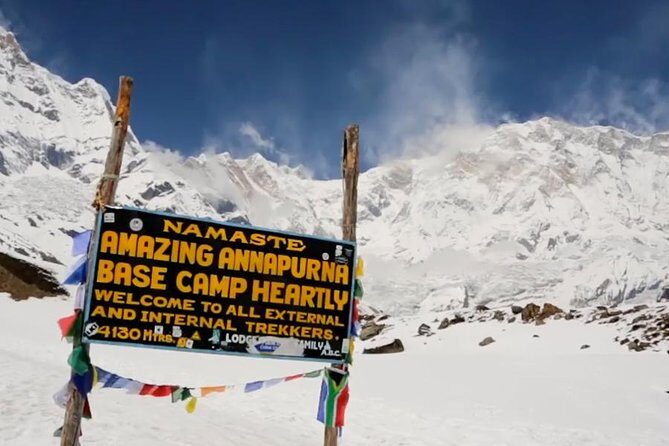
- A realistic Annapurna profile that climbs steadily to Base Camp via Machhapuchhre Base Camp
Why this 11-day Annapurna Base Camp plan works
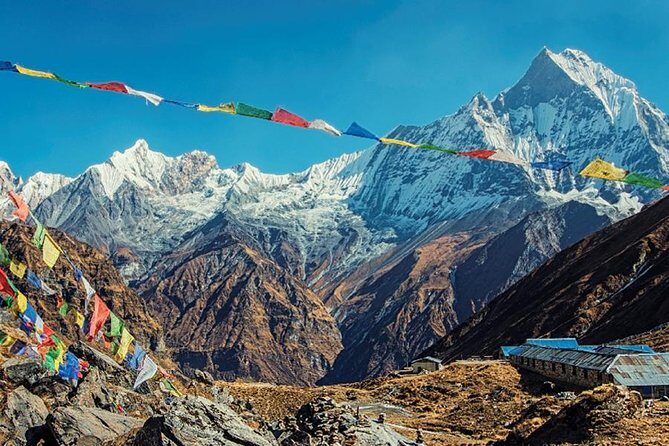
Annapurna Base Camp is the kind of trek that sounds simple in a brochure and then reminds you it’s in the Himalayas. The value of an 11-day structure is that it gives you enough time to reach Base Camp without feeling like you’re sprinting from checkpoint to checkpoint.
This itinerary starts in Kathmandu, then swaps into a quick flight to Pokhara. That matters. You skip a long internal overland push and arrive ready to start trekking. Then it’s a point-to-point style route with a clear descent back toward Pokhara, ending in Kathmandu again.
From a practical standpoint, I like that the schedule includes Kathmandu and Pokhara nights before and after the trekking grind. That means you can eat normally, rest your legs, and manage the jet-lag bump (if you’re coming from far away). It’s also helpful if you want a little culture time, not only the inside of a sleeping bag.
The trek itself is built around day-by-day altitude gains that are challenging but not chaotic. You move from around 1,940m (Ghandruk) up through Chhomrong, Bamboo, and Deurali, then hit Base Camp at 4,130m. The walk back down continues through Jhinu Danda and ends with a drive from Naya Pul to Pokhara.
You can also read our reviews of more hiking tours in Kathmandu
Kathmandu arrival: welcome dinner and easy first-night setup
Day 1 is your soft landing. You arrive in Kathmandu (about 1,300m) and get met at the airport by a representative from Alpine Club of Himalaya. That’s not a small thing. Kathmandu can feel loud and confusing on day one, so a pickup helps you get your bearings fast.
That same first day includes a welcome dinner featuring authentic Nepalese cuisine. The practical value here is you’re not forced to hunt down food choices after a flight. You’re also getting a cultural taste right away, which sets the tone for the rest of the trip.
You’ll stay overnight in Kathmandu for a second night later in the plan, and you’ll fly out from Kathmandu at the end. Some previous departures also included time for sights like Boudha Nath and walking around Thamel, which is a great area for a first taste of Nepal’s city life if your timing allows.
If you’re the type who likes having a plan, this start is comfortable. If you hate structured evenings, you might wish for a little more freedom on your first night. Still, the heavy lifting logistics are already handled.
The Pokhara flight and the Ghandruk start: where the trek begins to feel real
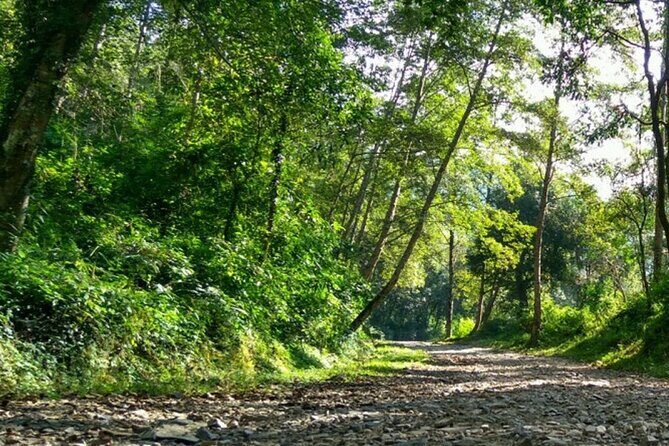
On Day 2 you take a short 30-minute flight to Pokhara, then trek for 5 to 6 hours to Ghandruk (1,940m). This is a smart “first walking day.” You’re not immediately jumping to extreme altitude. You’ll feel your legs working, but you’re still early enough in the trip that you’re learning the routine.
Ghandruk is also one of those trail hubs that gives you immediate village energy. The overall trek is designed to take you through areas tied to Gurung, Magar, and Thakali communities. Even when you can’t name every village from the map, you’ll notice the differences in how people live, farm, and run teahouses.
For me, this part of the trek is where you go from planning to participating. You start to recognize the rhythm: tea stop, photo stop, a few steep moments, then a gradual settle into the day.
Chhomrong, Bamboo, and Deurali: the middle days that build your confidence
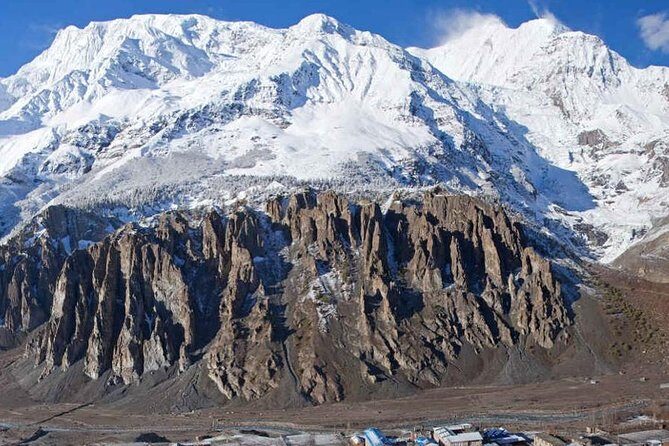
Days 3 to 5 are where many people quietly check their confidence. The distances are reasonable, but the terrain keeps reminding you you’re climbing.
- Day 3: Ghandruk to Chhomrong (2,170m), 5 to 6 hours
- Day 4: Chhomrong to Bamboo (2,310m), 4 to 5 hours
- Day 5: Bamboo to Deurali (3,230m), 3 to 4 hours
That Day 5 jump is the one you feel. Deurali sits at a higher altitude band, so the air feels thinner and your breathing needs a bit more attention. A good guide’s job is pacing. You want steady steps, not dramatic bursts.
Why these villages matter
Even though the “headline” is Annapurna Base Camp, the villages in between are where the trek becomes more than a photo run. You get daily exposure to how life works in mountain communities, and you’re supported by the teahouse system along the route.
Also, the trek includes tea/coffee with meals, and all breakfast, lunch, and dinner during the walking days. That’s practical value. You’re less likely to end up underfed or scrambling for snacks when your energy dips.
Base Camp day at 4,130m: what the Machhapuchhre Base Camp detour adds
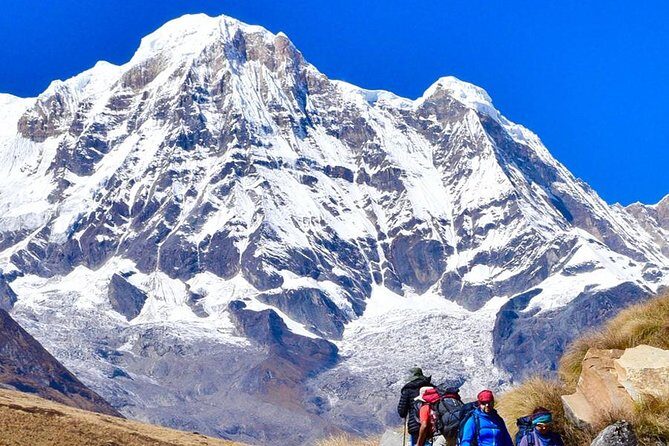
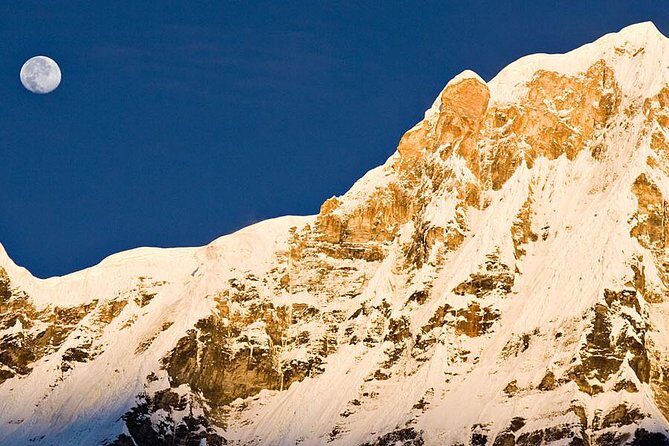
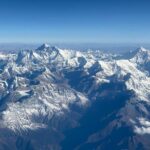
Day 6 is the big one: Deurali to Annapurna Base Camp (4,130m), about 5 to 6 hours. You go via Machhapuchhre Base Camp (3,700m) along the way.
That detour is important even if it feels like an extra stop. Machhapuchhre Base Camp sits lower than the final goal, so it acts like a “staging moment.” You get another high-altitude view shift before you push to the final altitude gain.
From a planning angle, this day is why your earlier days matter. The itinerary builds you up gradually enough that you can focus on moving steadily. Still, at 4,130m, you’re not just walking. You’re managing effort.
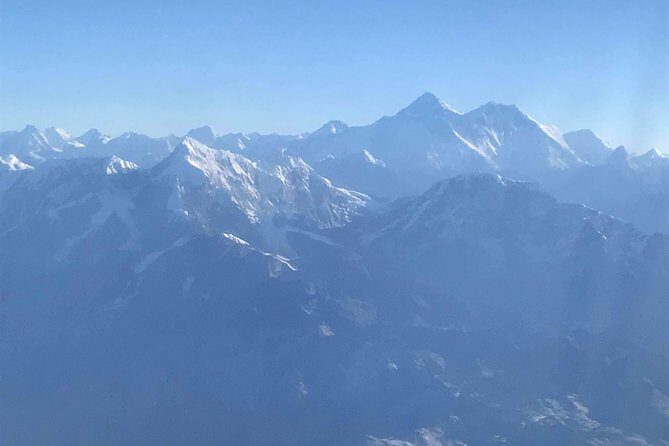
A realistic expectation: the weather can change quickly at this height. If you get clear skies, you’ll likely feel like the trek is paying you back in full. If the views are limited, the day is still about reaching a meaningful objective with your support team doing what they’re there to do.
Going back down: Bamboo to Jhinu Danda and the reset through Naya Pul
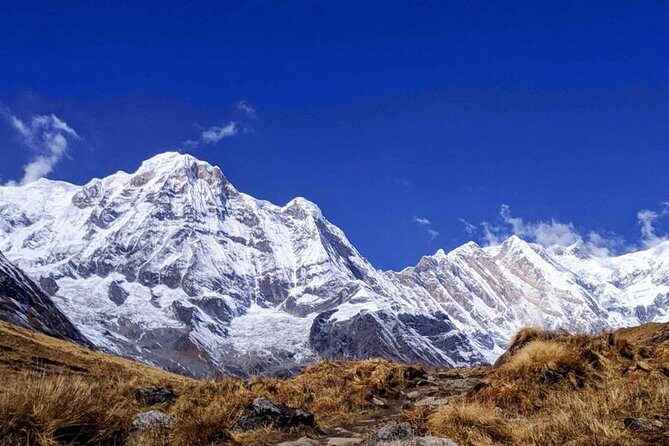
After Base Camp, Day 7 takes you from Annapurna Base Camp back to Bamboo for 7 to 8 hours. Yes, it’s longer. Going down sounds easy, but long descents strain knees and make you feel each step.
This is where having a porter support ratio (2 trekkers: 1 porter) can make a real difference. Even if you’re a strong hiker, you still want to preserve leg comfort for the rest of the trek.
Day 8: Bamboo to Jhinu Danda
Day 8 is 5 to 6 hours to Jhinu Danda (1,760m). That’s a big elevation drop, which often feels like relief to the body. It’s also the point where you start seeing the trekking “world” shift back from high altitude back toward more settled valley areas.
Jhinu Danda is also where the trip becomes a little more relaxing. Even without adding extra activities, it’s a calmer place to refuel mentally.
Day 9: Trek to Naya Pul, then drive to Pokhara
Day 9 is a two-part finish: a 6-hour trek to Naya Pul, then about 1 hour drive to Pokhara.
This is the day you’ll appreciate that the plan ends with real logistics rather than just putting you on a bus and hoping. Your travel is handled by private vehicle on the road sections included in the itinerary.
For some routes in Nepal, road delays happen when weather triggers landslides. One previous departure included disruption linked to heavy rain and a landslide affecting a traffic lane. The big takeaway for you: if you travel during wetter periods, keep a bit of flexibility in your expectations for road segments and final-day timing.
Kathmandu and Pokhara lodging: comfort where it counts
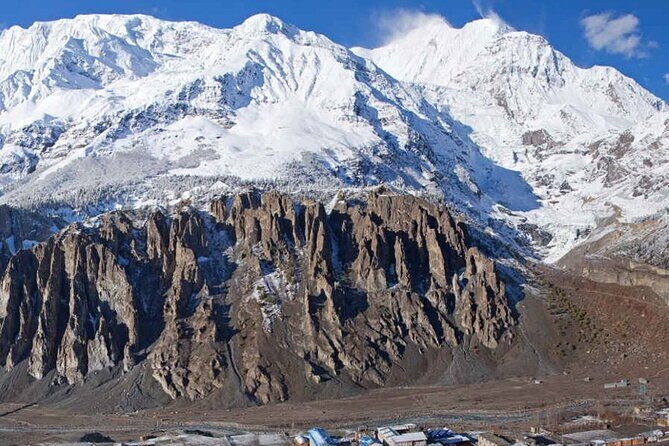
The trek includes teahouse accommodation during the hiking days. That’s not the same as a hotel, and you shouldn’t expect modern comforts in every corner of the trail. What you can expect is that the trek is designed around the teahouse system so you’re never figuring everything out solo.
For the non-trek nights, you get:
- 2 nights in Kathmandu (breakfast included)
- 1 night in Pokhara (breakfast included)
This mix helps you recover. After long days, you want clean, safe, simple places to sleep. The itinerary also includes a welcome dinner on arrival, plus welcome or farewell dinners (depending on how your exact dates fall).
Guide and porter support: where the best trips feel easiest
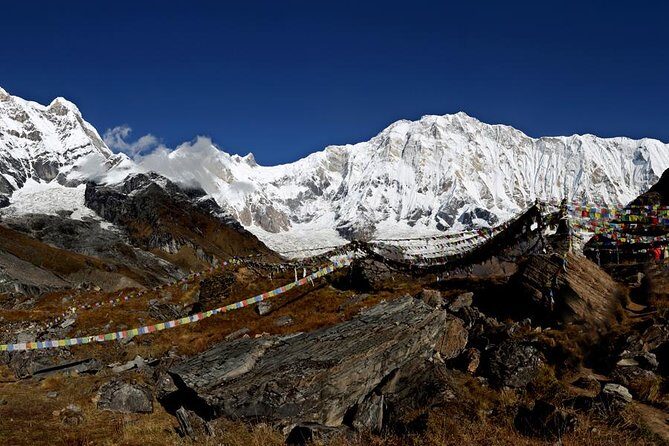
The most consistent strength from this kind of trek setup is not fancy equipment. It’s people who know how to keep things moving.
You’ll have an English-speaking, government-licensed guide and porter service with a ratio of 2 trekkers to 1 porter. That matters because it changes the trek from a survival mission to a long walk with support.
In past experiences with Alpine Club of Himalaya, guides and coordinators like Sujan were credited for fast responses and solid coordination, while guides such as Tsiring were praised for being attentive and helping trekkers reach Annapurna Base Camp safely.
Even when the trail is the same, support affects your day. A good guide helps with pacing, route clarity, and decision-making when weather shifts. Helpers and porters also keep the day smoother by handling trekking logistics you’d rather not manage when the air is thin.
One practical note for peak season: teahouses can get busy. In one case, the team worked hard to secure a private room when it was available during a busy time. So if having a private room is important to you, ask about how they handle room assignments in your trekking week.
Price and value at $999: what’s included, what you still own
At $999 per person, you’re paying for a fully guided, supported trek with major components handled for you. The inclusions are where the value sits:
Included:
- Airport pickups and drops in a private vehicle
- 2 nights Kathmandu + 1 night Pokhara with breakfast
- Teahouse accommodation on the trek
- All meals during the trek (breakfast/lunch/dinner) plus tea/coffee
- Kathmandu to Pokhara to Kathmandu by flight
- Private vehicle support for Pokhara to Naya Pul to Pokhara
- Licensed English-speaking guide
- Porter service
- Government and local taxes
- Welcome and/or farewell dinners
Not included:
- Nepal visa fee
- International flights to and from Nepal
- Travel and rescue insurance
- Tips for guide, porters, and drivers
- Extra nights in Kathmandu or Pokhara if your schedule shifts
- Personal expenses like laundry, battery recharge, shower, and bottled/boiled water
Here’s how I think about the value. If you’re coming from overseas, a self-planned trek can look cheaper until you price in guides, permits coordination, the flight segments, and the everyday meal plan. This package reduces decision fatigue. You still carry your own responsibility for what you bring and how you pace yourself, but you don’t have to build the system.
Who should book this trek, and who should reconsider
This is a private tour/activity. Only your group participates. That’s great if you want flexibility in pace and fewer waiting moments.
It’s also a strong choice if:
- You’re looking for a structured first Himalaya trek
- You want a guide who handles the hard parts
- You don’t want to book flights, transfers, and meals one piece at a time
- You value teahouse trekking with predictable support
It might be less ideal if:
- You have very strict budget limits and don’t want to plan for tips and insurance
- You expect hotel-level comfort every night
- You dislike altitude challenges and haven’t built fitness for sustained uphill days
Because the trek reaches 4,130m, you’ll want to think carefully about your health and acclimatization habits. This is where moderate fitness helps, but it doesn’t magically erase altitude.
Should you book Alpine Club of Himalaya for this ABC trek?
If your goal is Annapurna Base Camp with less hassle and real human support, I’d say this is a fair way to do it. The biggest strengths for most people are the combination of licensed guidance, porter coverage, and the fact that meals and teahouse logistics are handled. That keeps your energy focused on hiking, not paperwork.
I’d think twice if you’re allergic to any schedule risk, because weather and even road disruptions can happen in Nepal’s mountain regions. Your best move is to travel with realistic expectations and a calm attitude on travel days.
If you’re open to that, this 11-day private ABC plan is a practical, high-reward choice: you get the culture layer through Gurung, Magar, and Thakali areas, and you finish with a return to Kathmandu where you can decompress instead of immediately jumping into another flight plan.
FAQ
How many days is the Annapurna Base Camp trek?
The trek runs for about 11 days, including time in Kathmandu and Pokhara.
What is the starting point and where does the tour end?
It starts at Alpine Club of Himalaya Pvt. Ltd. in Kathmandu and ends back at the same meeting point.
Are airport transfers included?
Yes. You get airport pickups and drops by private vehicle.
Do I sleep in hotels or teahouses during the trek?
You’ll use teahouse accommodation during the trek. You also get hotel stays: 2 nights in Kathmandu and 1 night in Pokhara.
Are meals included?
Yes. During the trekking days, breakfast, lunch, and dinner are included, along with tea/coffee.
Is there a guide and porter service?
Yes. The tour includes an experienced English-speaking government-licensed guide and porter service with a ratio of 2 trekkers to 1 porter.
What about flights between Kathmandu and Pokhara?
Kathmandu to Pokhara to Kathmandu are included by flight.
Is insurance included?
No. Travel and rescue insurance is not included, and you’re also responsible for Nepal visa fees and tips.