REVIEW · POKHARA
Pokhara Day Tour (Private car)
Book on GetYourGuide →Operated by Holyland Adventure Tours and Travels Pvt Ltd · Bookable on GetYourGuide
Sunrise in Sarangkot starts this day right. It’s a tight, high-impact Pokhara route that strings together mountain views and sacred caves without you worrying about rides or timing. I like the early start because Pokhara’s best view isn’t later in the morning.
What I like most is the balance: you get the big photo moments (Sarangkot sunrise, Phewa Lake) plus the smaller, spiritual stops (Mahendra Cave, Gupteswor Mahadev Cave, Bindabasini Temple). I also like that it’s a private, air-conditioned car with an experienced driver, so the day feels efficient even if it’s long.
One drawback to plan for: it can feel more like a shuttle between landmarks than a guided tour. The driver typically waits while you go in, so if you want deep on-site storytelling, you’ll need to bring your own curiosity (and good questions).
In This Review
- Key highlights worth prioritizing
- First things first: what this private car day actually feels like
- Sarangkot sunrise: the best reason to wake up early
- Bindabasini Temple: a quick cultural reset before the day turns outdoors
- Breakfast back at your hotel: why that timing helps
- Seti River Gorge (plus Hanging Bridge on request): water-cut rock scenery
- Mahendra Cave: limestone formations with a slow, sacred feel
- International Mountain Museum: understanding why people love the Himalayas
- Davis Fall: the waterfall look, plus the underground twist
- Gupteswor Mahadev Cave: sacred rock formations and a different vibe
- Lunch/snacks on your terms: build your energy for the last third of the day
- Peace Pagoda and Pumdikot viewpoints: high-ground calm after the caves
- Phewa Lake: Aarati by the water and Tal Barahi by boat
- Price and logistics: is $68 per person good value?
- Communication and driver approach: what to expect from Holyland Adventure Tours
- Who this day tour fits best (and who should skip it)
- A practical game plan before you go
- Should you book this Pokhara private day tour?
- FAQ
- How long is the Pokhara private car day tour?
- What time does the tour start and how early is pickup?
- Are entry fees included?
- What is included in the price?
- Do I need to pay for meals during the day?
- Is there a recommended cancellation window?
Key highlights worth prioritizing
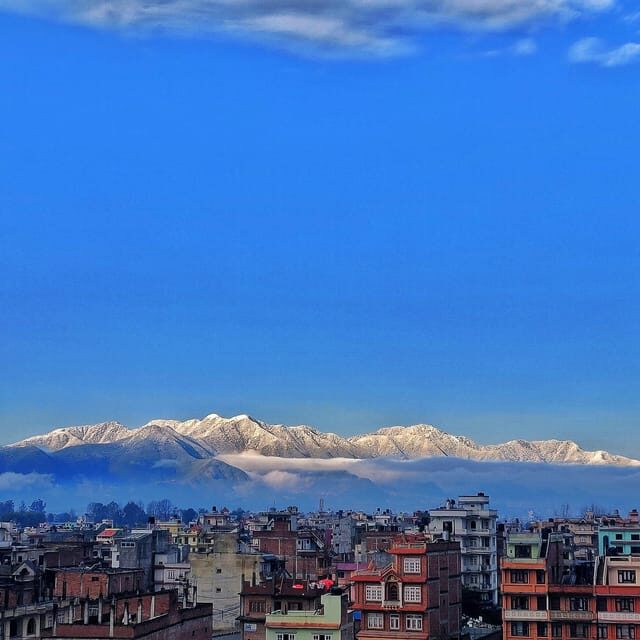
- Sarangkot sunrise timing: a short ride that pays off with panoramic Annapurna-range views over Pokhara Valley
- Religious cave visits: Mahendra Cave and Gupteswor Mahadev Cave are worth your slow time and respectful attention
- Seti River Gorge views: dramatic canyon scenery, with the option to add the Seti River Hanging Bridge on request
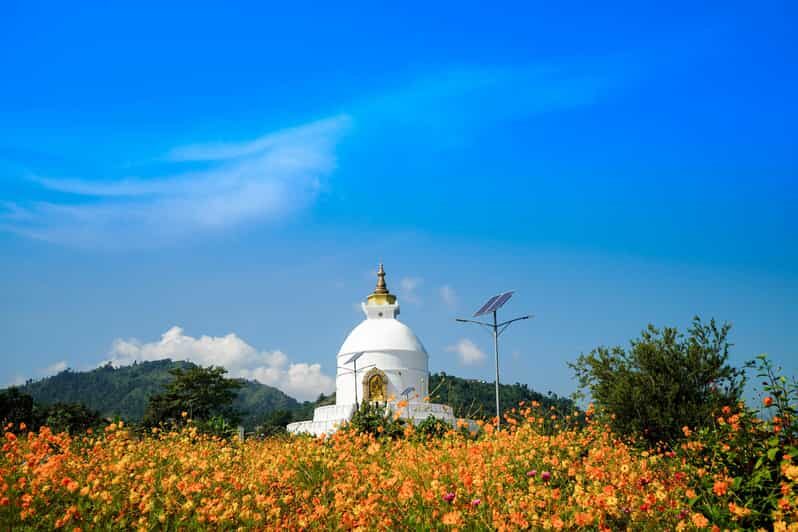
- Peace Pagoda + Pumdikot viewpoint: calmer, higher-ground angles after the busy waterfall/cave stops
- Phewa Lake ritual + Tal Barahi boat: Aarati at the lakeside, then a boat ride to the temple in the lake
First things first: what this private car day actually feels like
This is an 8-hour Pokhara day tour built around classic sights in a sensible order, starting early and ending on the lake. You leave around 5:00 AM from Pokhara Lakeside area (pickup is arranged by your hotel name and street number) and you return the same evening.
The format is simple: you get the ride, you reach each stop, and you spend your time there. An experienced driver handles the driving; you’re not negotiating roads, finding parking, or second-guessing directions in a city that’s busy even at odd hours.
At the same time, you should set expectations. Some people love this kind of pacing because it’s fast and convenient. If you’re the type who wants a constant commentary on every site, you may feel like you’re moving from place to place without much interpretation along the way.
You can also read our reviews of more private tours in Pokhara
Sarangkot sunrise: the best reason to wake up early
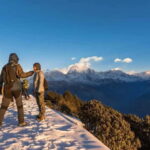
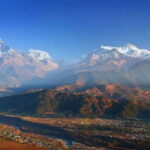
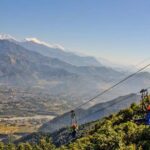
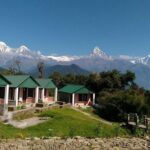
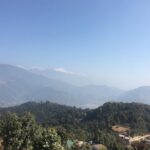
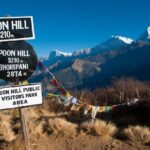
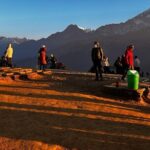
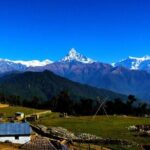
Your morning starts with Sarangkot, one of the best-view points around Pokhara. You’ll be on the viewing spot around 5:30 AM to 7:00 AM, which matters because you’re aiming for sunrise light over the Annapurna range and the Pokhara Valley.
Bring layers. Even in the tropics, early mornings can feel cool, and you’ll stand still long enough to notice the temperature drop. Comfortable shoes also help, since viewpoints usually mean a bit of walking and changing angles for photos.
One practical tip: if sunrise is your main goal, keep your camera settings ready before the sky starts changing. This is the part of the day where you can’t rush it without losing something.
Bindabasini Temple: a quick cultural reset before the day turns outdoors
After the sunrise window, the schedule shifts into softer, religious rhythm. You’ll visit Bindabasini Temple in the 7:30 AM to 8:00 AM range.
This stop works well as a morning reset. You’ve just spent time looking outward at peaks and sky. Then you step into a more local, spiritual atmosphere right before breakfast. Even if you’re not a temple person, it helps you understand why Pokhara feels like more than just scenery.
Respect local customs here. Dress modestly and move at the pace of the space, not the pace of your schedule.
Breakfast back at your hotel: why that timing helps
Then comes a real-life advantage: the plan gives you time to get breakfast back at your hotel, typically 8:30 AM to 9:00 AM.
That timing matters on a day like this. Caves, waterfalls, and viewpoint walking add up. Having food before the afternoon sightseeing means you’ll last longer and you won’t feel cranky at the wrong moment.
If you’re sensitive to a very early start, this is also a gentle buffer. You can recharge before heading into the more physical stops.
Seti River Gorge (plus Hanging Bridge on request): water-cut rock scenery
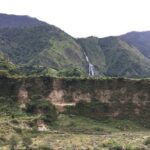
Midday starts to get outdoorsy. You’ll visit Seti River Gorge around 10:00 AM to 10:30 AM. The big idea here is dramatic canyon scenery: the Seti River cuts through a gorge in a way that looks sculpted by time.
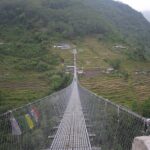
There’s an optional add-on: the Seti River Hanging Bridge can be visited if you request it (it’s part of how the day can be tailored). If you want the photo with more height and movement, ask your driver/organizer ahead of time so it doesn’t become a last-minute scramble.
Wear shoes with grip. Even if you’re only walking short distances, gorge areas can be uneven, and you don’t want to worry about traction while you’re trying to enjoy the view.
A few more Pokhara tours and experiences worth a look


Mahendra Cave: limestone formations with a slow, sacred feel
Next you’ll head to Mahendra Cave around 11:00 AM to 11:30 AM. This is a popular limestone cave with formations you can spend time observing.
Caves naturally bring a different kind of temperature than the outside air, and your comfort level matters. If you have claustrophobia, respiratory issues, heart problems, or you’re recovering from surgery, this is one of those stops you might want to skip entirely. It’s not a walk-in stroll—caves tend to involve confined spaces.
For everyone else, the best approach is slow down once you’re inside. Watch how the light hits the formations. It’s a stop that rewards calm attention more than speed.
International Mountain Museum: understanding why people love the Himalayas
After the caves, you’ll get a breather indoors at the International Mountain Museum around 12:00 PM to 1:30 PM. This museum focuses on the cultural and mountaineering history of the Himalayas.
This is where the day shifts from scenery to context. You’re about to spend time at waterfall and cave sites that are meaningful to people locally and historically. Even a partial museum visit can help you see the broader picture of why these mountains matter beyond their skyline.
If you’re pressed for time, prioritize the sections most related to mountaineering culture and Nepal’s mountain legacy. If you have extra energy, you can take your time reading and absorbing.
Davis Fall: the waterfall look, plus the underground twist
At 2:00 PM to 2:15 PM, you’ll visit Davis Fall. It’s known for its beauty and for the underground tunnel area that runs beneath it.
This is one of those spots where it pays to watch the water behavior for a minute. The flow changes how the falls look depending on the angle and the light. Even if you only spend a short window, you can still get a feel for the place instead of just snapping photos and moving on.
Because you’re outdoors and the schedule is tight, keep your water handy. Bring water with you in the day, not just at your hotel.
Gupteswor Mahadev Cave: sacred rock formations and a different vibe
Then you’ll head to Gupteswor Mahadev Cave around 2:20 PM to 3:00 PM. This is a sacred site with unique natural rock formations and religious significance.
This stop pairs well with Mahendra Cave because you’re seeing two different cave experiences back-to-back. The difference here is that the spiritual meaning feels central, not just decorative.
Move respectfully. Follow what locals do at the site and avoid loud behavior, since it’s a religious area.
Lunch/snacks on your terms: build your energy for the last third of the day
There’s a lunch window around 3:00 PM to 3:30 PM, but timing can be adjusted based on your preference. This flexibility is useful because the earlier stops can run a little long depending on crowds and photo time.
If you’re choosing between lunch and snacks, go with what keeps you comfortable. The remaining day includes a climb-able feel at Peace Pagoda/Pumdikot and then a boat ride later, so you want energy without feeling overly stuffed.
Peace Pagoda and Pumdikot viewpoints: high-ground calm after the caves
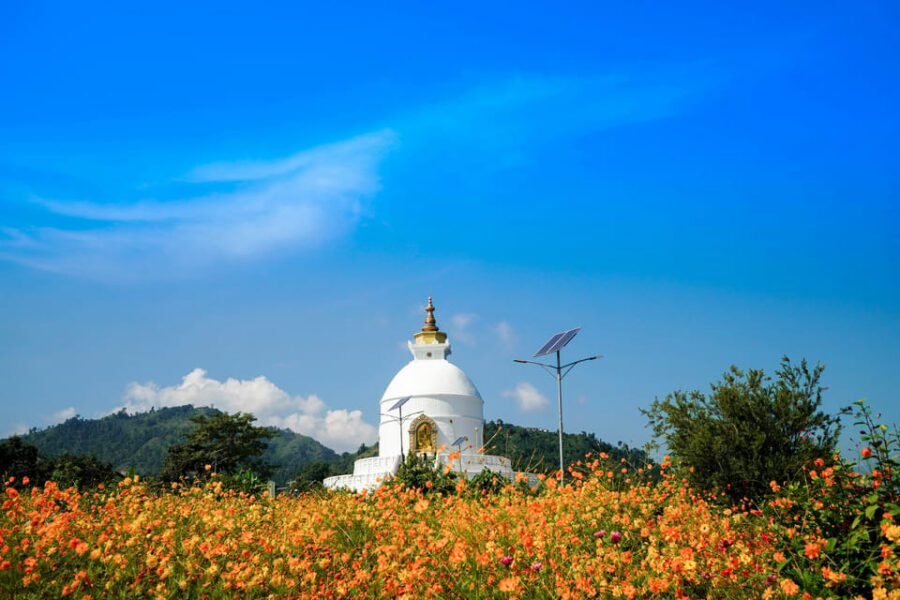
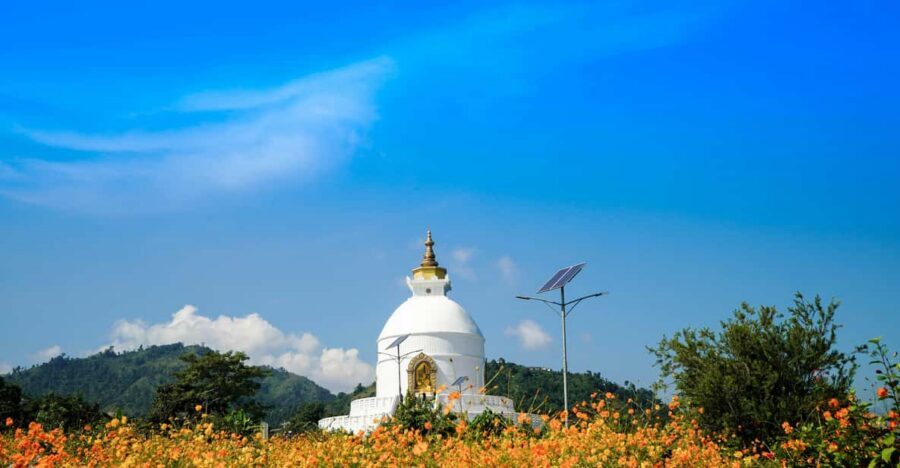
Around 4:00 PM to 5:00 PM, you’ll drive to the World Peace Pagoda. After a brief visit, you’ll proceed to Pumdikot for scenic viewpoints, including the Pumdikot Shiva Statue area.
This is a great transition point. Earlier you were underground and at water sites. Here you’re back up, looking out and breathing easier. It also gives you a chance to reset your eyes after close-up cave textures.
Even in late afternoon, you’ll likely want a light layer. Viewpoints can feel cool and windy, and the sky light can change quickly.
Phewa Lake: Aarati by the water and Tal Barahi by boat
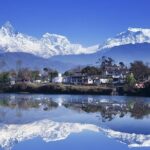
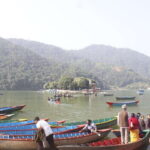
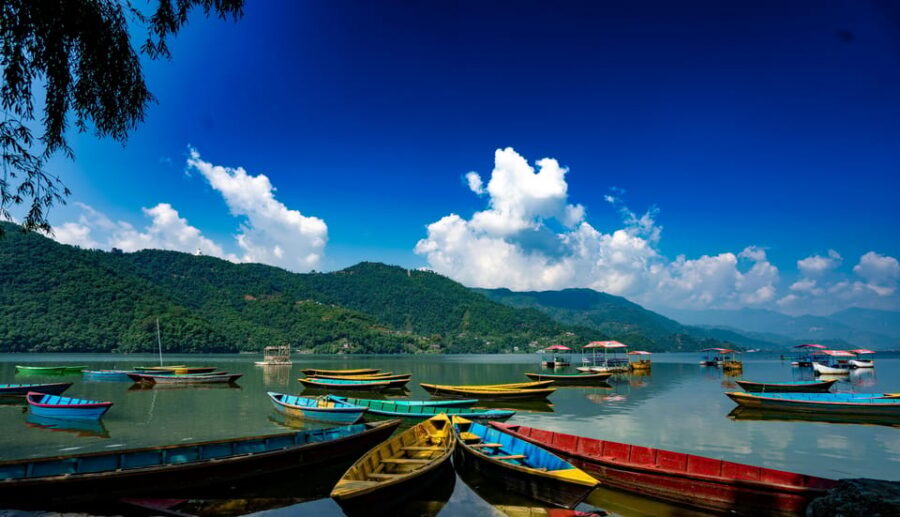
The day ends at Phewa Lake, with time for 5:30 PM onward. It’s one of Pokhara’s signature experiences for a reason: the lake creates a setting that feels both scenic and lived-in.
You’ll have time to do a boat ride to Tal Barahi Temple, which sits in the middle of the lake. There’s also an Aarati ceremony planned at the lakeside—a Hindu ritual of worship.
This is the stop that often makes the day feel complete. After caves and cliffs, it’s the moment where Pokhara feels like a place with local rhythm. If the ceremony timing works for your day, take it seriously and watch quietly.
Be prepared for walking and standing around the lakeside. Comfortable shoes matter here too.
Price and logistics: is $68 per person good value?
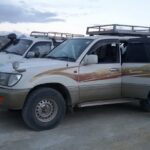
At $68 per person for an 8-hour private car, the value comes from the “cost of convenience.” You’re paying for pickup/drop-off, an air-conditioned private vehicle, and an experienced driver handling the route between multiple major stops.
Where the price can feel especially fair:
- You’re covering many well-known sights in one day without driving yourself
- You’re getting early morning access to Sarangkot sunrise
- You don’t have to reorganize multiple taxis or coordinate separate tickets for transport
Where you should be cautious:
- Entry fees are not included, so plan for on-site costs in addition to the tour price
- If you want a guided narrative at each site, this format may not satisfy you since the driver typically waits and you’re on your own inside each location
My advice: if your goal is to see a lot efficiently in one day, this price is a reasonable deal. If your goal is deep storytelling at every stop, budget time to ask your driver questions or add a guide for one or two key locations.
Communication and driver approach: what to expect from Holyland Adventure Tours
The experience provider is Holyland Adventure Tours and Travels Pvt Ltd, and the communication style can matter a lot when your day starts at 5:00 AM.
In practice, you’ll likely get WhatsApp-style check-ins from the operator—one name that came up in an attentive communication experience is Arith Shrestha. That kind of confirmation helps you feel calmer about pickup and timing when the schedule is tight.
Also, remember the driver approach: you reach each place, you go inside (or view from the designated area), and the car waits. That keeps things moving, but it means you’re responsible for reading signs and asking questions if you want details.
Who this day tour fits best (and who should skip it)
This is a strong fit if you:
- Want a high-coverage day without arranging separate transport
- Enjoy early viewpoints and religious sites
- Prefer private vehicle comfort over public buses or shared shuttles
It may not fit you if you have back problems, mobility impairments, claustrophobia, heart problems, respiratory issues, are wheelchair users, or if you’re visually impaired (the plan includes cave time and walking). There’s also guidance that it’s not suitable for people over 220 lbs (100 kg) or with high blood pressure or recent surgeries. If any of that applies, it’s worth choosing a gentler alternative.
A practical game plan before you go
A few items make this kind of day smoother:
- Bring comfortable shoes and water
- Wear comfortable clothes that work for outdoors and temple/cave stops
- Carry cash for on-site entry fees
- Use a layer for early morning and viewpoint wind
Also, plan around weather. Sunrise viewing and outdoor areas can feel cold or breezy early on. If rain shows up, the views can change quickly—so don’t treat sunrise like a guarantee, treat it like a chance.
One more tip: the schedule can be adjusted based on traffic conditions and client preferences. If there’s a stop you care about most (like Davis Fall or one of the caves), tell the organizer your priority before the day starts so the plan can reflect that.
Should you book this Pokhara private day tour?
I think you should book it if you want one focused day to hit Pokhara’s must-see sights with private transport and a driver who handles the route. The standout appeal is the combination: Sarangkot sunrise, multiple cave/temple stops, then a calm closing at Phewa Lake with Aarati and Tal Barahi.
Skip it (or consider a different format) if you want a fully guided experience inside each location, or if cave environments and confined spaces are a problem for you. Also budget extra time/money for entry fees since they’re not included.
If you’re working with limited time in Pokhara, this is one of the more sensible ways to make the most of it without turning your day into a transport puzzle.
FAQ
How long is the Pokhara private car day tour?
The tour duration is listed as 8 hours.
What time does the tour start and how early is pickup?
You depart from your hotel in Pokhara at 5:00 AM, with pickup arranged from the Pokhara Lakeside area using your hotel name and street number.
Are entry fees included?
No. Entry fees are not included and are payable on-site.
What is included in the price?
The included items are pickup and drop off, Pokhara sightseeing, an air-conditioned private vehicle, an experienced driver, and all applicable taxes.
Do I need to pay for meals during the day?
Yes. Breakfast, lunch, and dinner are not included, though breakfast timing is built into the day by returning to your hotel before the full-day sightseeing resumes. You can also have lunch or snacks based on your preference in the scheduled break.
Is there a recommended cancellation window?
Yes. Free cancellation is available up to 24 hours in advance for a full refund.