REVIEW · POKHARA
Landing Helicopter at Annapurna base camp from Pokhara tour
Book on Viator →Operated by Himalaya Holiday service Pvt. Ltd.(HHS) · Bookable on Viator
Helicopters turn a long trek into an hour. This Pokhara to Annapurna Base Camp flight is all about big sky and big peaks, with a goal of landing at base camp above 4,130 m in the Annapurna Sanctuary. I also like how organized the start-to-finish service feels, with people specifically calling out Buddhi for handling details from A to Z. The main catch is weather: clear skies matter, and monsoon months often mean clouds that can reduce or cancel landing.
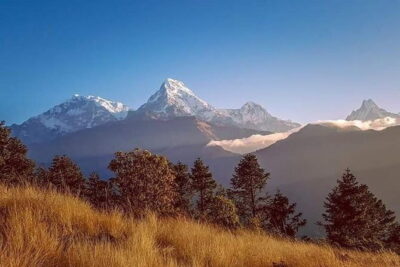
You’ll take off early from Pokhara, cruise north above terraced hills and farm villages, and get a front-row view of Annapurna (8,091 m) and its peak array. If you want time-savings and dramatic perspective without days of trekking, this tour makes sense. If you hate waiting for weather calls—or your budget prefers slower, cheaper travel—this one may feel pricey.
In This Review
- Key things to know before you go
- From Pokhara: why this helicopter day feels like a cheat code
- Timing and departure flow: the morning rhythm out of Pokhara
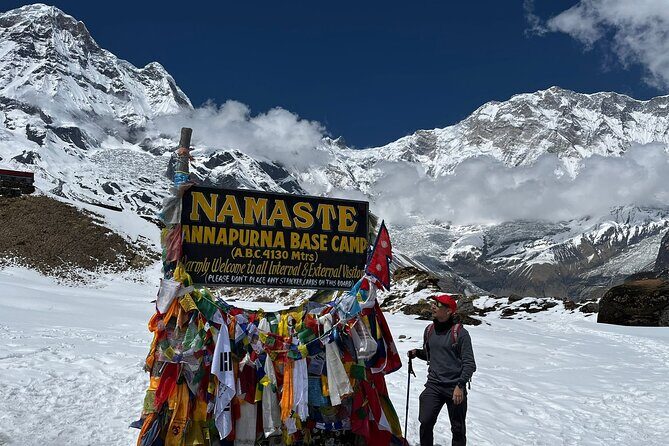
- The base-camp landing: what it means to arrive above 4,130 m
- Weather is the real schedule: seasons that work and seasons that don’t
- Price and value: what $640 actually covers
- Comfort, crew, and small-group handling
- Getting the best views: simple prep that pays off
- A quick booking checklist that prevents day-of surprises
- Should you book this helicopter tour to Annapurna Base Camp?
- FAQ
- How long is the helicopter tour from Pokhara to Annapurna Base Camp?
- What time does the tour start?
- Does the tour include pickup and drop-off in Pokhara?
- What is the height of Annapurna Base Camp?
- How much is the tour price and what is included?
- What is not included in the price?
- Is there a departure tax?
- What is the passenger weight limit?
- When is the best time to go for landing and visibility?
- What if the tour is canceled due to poor weather?
Key things to know before you go

- Weather-first planning means your landing at base camp depends on clear, fine conditions and the pilot’s call
- Short flight time (about 55 minutes to 1 hour) can deliver a huge altitude and scenery change
- Annapurna Sanctuary landing is the highlight: a smooth arrival near the base camp area above 4,130 m
- Small group size with a maximum of 6 people and seat sharing helps keep it manageable
- Comfort from start to finish includes Pokhara hotel pickup and drop-off in the city area
- Seasonal scenery varies a lot: rhododendron blooms in spring, bright but colder winter mornings
From Pokhara: why this helicopter day feels like a cheat code
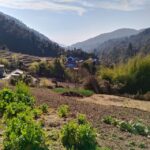
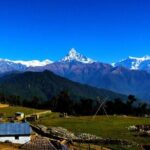
Pokhara is already positioned like a launchpad for mountain travel, but helicopter travel adds something special: you see the entire scale of the Annapurna region in minutes. From the air, rolling green hills and farm villages don’t just look pretty—they give you context for how steep and layered the valleys really are.
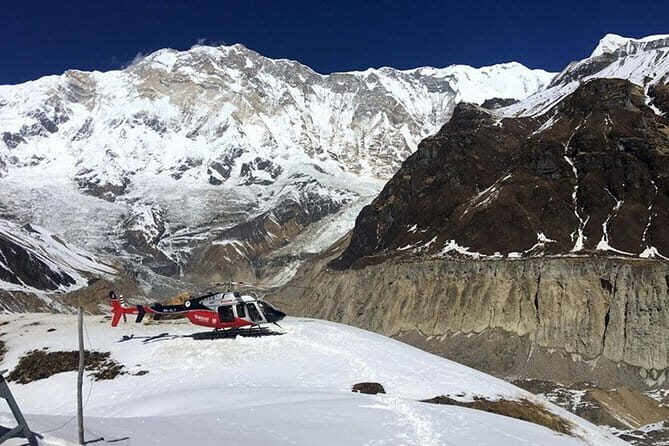
The value here isn’t just the flight. It’s the chance to get close to a place people usually earn through hard trekking. When conditions line up and you can land at base camp, you’re not simply sightseeing from a distance. You’re landing in the Annapurna Base Camp area above 4,130 m, which is a very different feeling than standing at a lower viewpoint.
I also like that the tour is designed to feel smooth and guided. Your pickup from a Pokhara hotel, the group joining, and the seat-sharing setup mean you’re not spending your morning figuring out transport logistics. Even the mobile ticket approach keeps things straightforward.
That said, you’re buying convenience in exchange for weather dependence. This is not the kind of tour where you control the sky.
A few more Pokhara tours and experiences worth a look

Timing and departure flow: the morning rhythm out of Pokhara
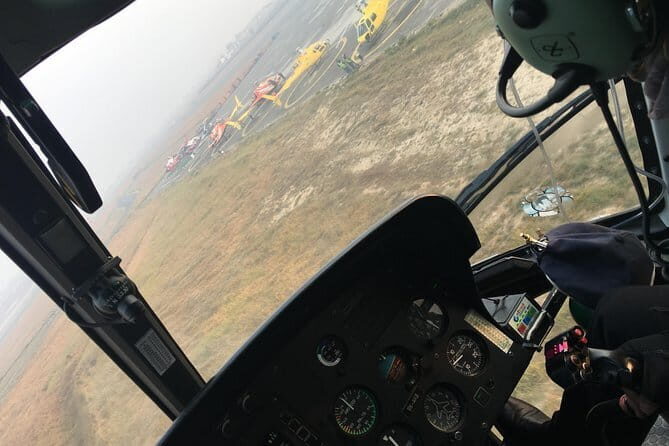
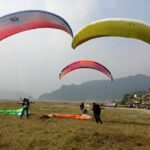
The tour start time is 7:00 am, but pickup is typically early morning from your Pokhara hotel, often around 6:00 or 7:00 depending on the season and weather. That early start matters because helicopter operations are time-sensitive. Good visibility windows don’t wait around for late breakfasts.
From there, you head to Pokhara airport for the flight. The experience is built around a short, focused window: you’re not traveling all day between transfers. The total tour duration is listed as about 1 hour (approx.), with the flight time itself around 55 minutes to 1 hour.
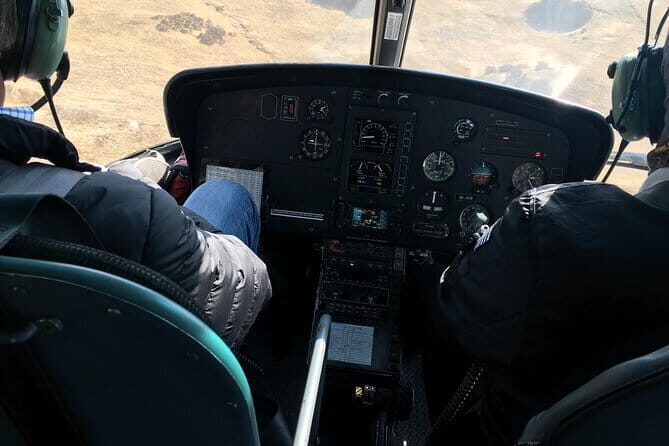
Inside the helicopter, you’ll be seated in a setup described as spacious and comfortable, with room for groups sharing seats. The crew may include a captain and co-pilot, and sometimes the operation is staffed with one pilot. Either way, the point is the same: you’re in the air for a short stretch with a mission—reach the Annapurna Base Camp landing when flying conditions allow it.
One practical consideration: the tour says it has a total weight limit per passenger of 265 lbs. If you’re near that number, check early so there are no surprises on the day.
The base-camp landing: what it means to arrive above 4,130 m

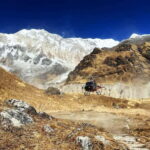
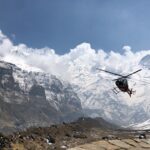
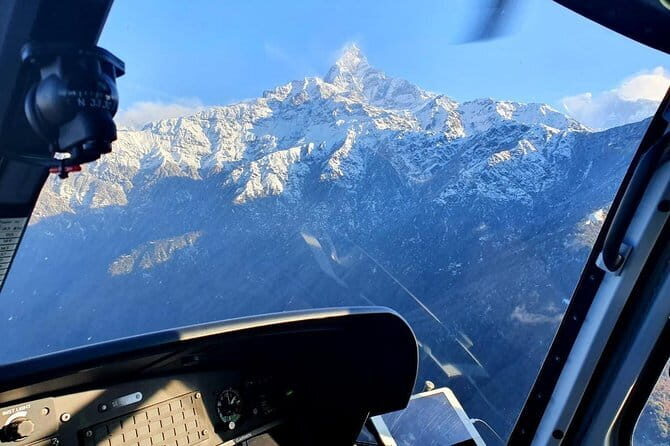
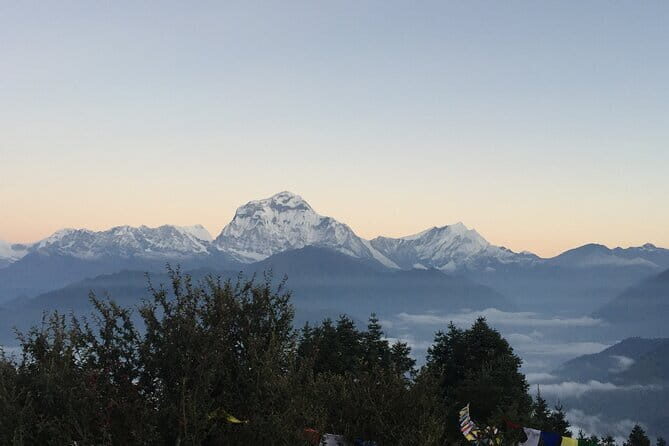
The headline goal is a landing at Annapurna Base Camp area within the Annapurna Sanctuary, with the base camp listed at above 4,130 m. The idea is to fly beneath Annapurna itself (8,091 m) and then come into the basin for a close-up view of glaciers, peaks, and the dramatic mountain arrangement around the sanctuary.
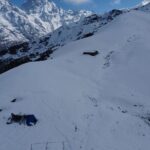
If you get the landing, it’s the kind of experience that sticks because it changes how you perceive altitude. From Pokhara, the mountains look tall. From the base camp area, the scale becomes real—glaciers sit in a way your brain can finally interpret, not just guess at.
The tour description also mentions a nice and cozy lodge at base camp. The wording suggests you’re not just dropped onto a bare platform and sent away. Still, time on the ground is not stated in detail, so think of the lodge as part of the landing experience rather than a long, leisurely stay.
The flight experience itself is described as smooth, and landing is noted as great. That matters, because helicopter travel can be intimidating for some people. In this case, the smooth landing emphasis is exactly the reassurance you want when the terrain is steep and the weather can be sharp.
Weather is the real schedule: seasons that work and seasons that don’t
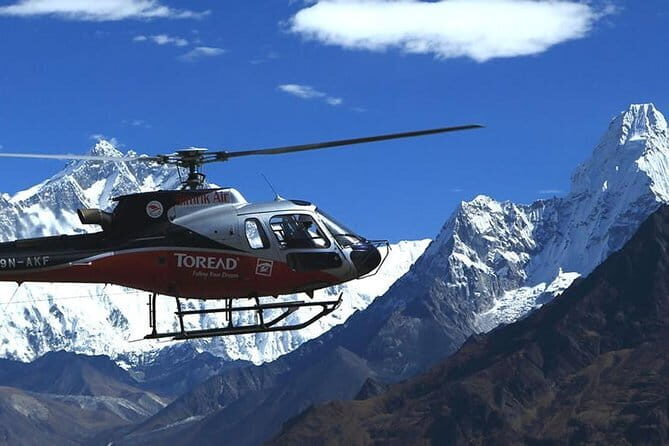
This tour requires good weather. The operator notes that Annapurna Base Camp can be visited all months except the monsoon period from July to mid September, when wet, rainy conditions bring clouds and blocked views, and flights are less likely to land or even fly as planned.
Here’s how the seasons shape your odds and your comfort:
- March to May: Warmer daytime weather, with mornings often clearest for views and flights. This is also a flowering time on the mid hills of the Annapurna region, when rhododendron (Nepal’s national flower) and other wildflowers turn hills into a patchwork of color. If you love scenery details beyond the big peaks, spring is a strong pick.
- October to January and February: Generally clear with fine weather for visibility, but mornings and afternoons can be cold, especially in shady spots. Plan for real chill, not just light jacket weather.
- Late November to mid February: Clear most days, but shorter daylight means the sun angle and timing feel more limited. Cold mornings can be less than -5° to -10° Celsius, while sunny afternoons may reach 15° to 20° Celsius.
In other words, the mountain looks stunning in every season, but the comfort factor varies a lot. If you book in winter, dress for cold waiting and chilly ground time. If you book in monsoon season, understand the odds of the landing may drop because clouds are doing their job too well.
Price and value: what $640 actually covers
The price is listed as $640.00 per person. For a helicopter service, that’s not surprising. What is worth thinking about is what’s included and what you’ll likely pay separately.
Included in the tour price:
- Fuel surcharge
- Gratuities
- Pickup and drop-off from city area hotel in Pokhara
- Group joining and seat sharing (maximum small-group setup)
- Mobile ticket
Not included:
- A $4 per person departure tax, payable at the time of tour check-in
- Alcoholic drinks (available to purchase)
- Drinks and food unless specified
So the true cost is the helicopter experience plus the small departure tax, while meals and drinks are on you. That’s typical for tours with short flight windows, but it’s still good to plan: don’t assume you can buy something expensive on the fly and still have time.
Is it worth it? If you’re trying to see Annapurna Base Camp but you don’t want—or can’t manage—the trekking time, then yes, it can feel like good value for your specific constraints. You’re paying to exchange time and physical effort for aerial perspective and a closer base-camp arrival.
If you’re simply looking for mountain views and you’re budget-focused, you might prefer lower-cost viewpoints. But if your goal is the base camp landing itself, this tour is one of the fastest ways to get there.



Comfort, crew, and small-group handling
The tour is designed for a maximum of 6 travelers, which helps keep the logistics calm. You’ll do group joining on a seat-sharing basis, which usually means you’re not traveling alone in a big bubble—you’re part of a small coordinated group.
The helicopter seats are described as spacious and comfortable, and the operation may include a captain and co-pilot. In clear weather, that cockpit teamwork is exactly what makes the route feel confident. The key detail for you: this is built for short, mission-style flying, not long scenic drifting.
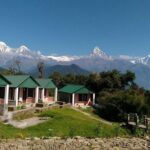
One more comfort note: the base-camp side is described as having a lodge and a cozy place, which suggests you won’t be dealing only with exposed weather immediately after landing. Still, mountain conditions can change fast. Bring layers even if the morning starts bright.
Getting the best views: simple prep that pays off
You don’t need special gear to enjoy this tour, but a few small choices help a lot.
- Dress in layers. Morning and late afternoon can be cold, and the winter numbers shared for the region are genuinely frigid. Even if you’re starting in warm Pokhara, base camp is much higher.
- Plan for bright sun. Clear seasons mean strong light and sharp shadows. Sunglasses can help, and a hat can make the wait time more pleasant.
- Keep your phone ready. The views are the whole point here—Annapurna’s peak array, glacier shapes, valleys, and farm villages. The most dramatic moments happen during approach and landing when you want quick access to photos.
- Be mentally flexible on timing. The tour notes that landing depends on fine and clear weather and the pilot’s decision. Your plan should assume a weather call can shift the experience.
If you’re sensitive to altitude or cold, you’ll feel those changes more at base camp than during the flight alone. Hydrate, take it easy if you’re feeling off, and keep warm.
A quick booking checklist that prevents day-of surprises
Before you go, use this checklist so you don’t lose time at check-in:
- Confirm you fit the 265 lbs per passenger weight limit.
- Budget for the $4 departure tax payable at airport check-in.
- Expect early pickup from your Pokhara hotel around 6:00–7:00 am, with the official start time listed as 7:00 am.
- Understand that landing at base camp requires good weather, and monsoon season (July to mid September) is the risky window.
- Know the tour uses a mobile ticket, and confirmation is stated as received within 48 hours of booking subject to availability.
If you’re traveling during the clear winter months, also remember sunlight hours are shorter. That doesn’t ruin the views—it just changes how long you’ll be outside feeling cold before the sun warms things up.
Should you book this helicopter tour to Annapurna Base Camp?
Book it if: you want an intense Annapurna experience without trekking days, you’re okay paying for speed and access, and you’re willing to work around weather for the best chance of a base-camp landing.
Skip it or rethink the timing if: you’re traveling in monsoon season (July to mid September) and you really need guaranteed views. Or if your budget can’t absorb the cost of a weather-dependent experience.
For the right person, this is one of those rare trips where the short flight doesn’t feel small. You’re trading hours on trails for a focused morning in the sky and a shot at landing at over 4,130 m where the Annapurna scenery turns from dramatic to real.
FAQ
How long is the helicopter tour from Pokhara to Annapurna Base Camp?
The flight time is listed as about 55 minutes to 1 hour, and the overall tour duration is approximately 1 hour.
What time does the tour start?
The start time is listed as 7:00 am, with hotel pickup early in the morning (often around 6:00 or 7:00 depending on season and weather).
Does the tour include pickup and drop-off in Pokhara?
Yes. Pickup and drop-off from city area hotel in Pokhara are included.
What is the height of Annapurna Base Camp?
Annapurna Base Camp is listed as above 4,130 m.
How much is the tour price and what is included?
The price is $640 per person. Fuel surcharge, gratuities, pickup/drop-off, and group joining on a seat sharing basis are included.
What is not included in the price?
The price does not include a $4 per person departure tax (paid at check-in), alcoholic drinks, and drinks/food unless specified.
Is there a departure tax?
Yes. A $4 per person departure tax is required and is paid at the time of tour check-in.
What is the passenger weight limit?
The total weight per passenger is listed as 265 lbs.
When is the best time to go for landing and visibility?
Annapurna Base Camp can be visited all months except the monsoon period of July to mid September. Good weather is needed for landing, and clouds in wet months can reduce flight and landing chances.
What if the tour is canceled due to poor weather?
If it’s canceled due to poor weather, you’ll be offered a different date or a full refund.