REVIEW · POKHARA
Pokhara to Kathmandu Premium Sofa Bus Ticket
Book on Viator →Operated by New Road Travels and tours pvt ltd · Bookable on Viator
That early 6:45 am start really shapes the whole trip. This Pokhara to Kathmandu Premium sofa bus ride is a budget-friendly, more comfortable way to cover the distance, with included bottled water and a route that often hugs the river—so you may spot river rafters along the way.
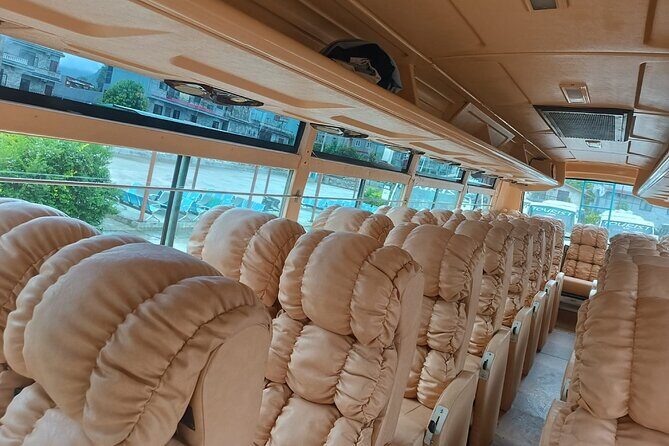
What I like most is the reclining sofa-style seating, which makes a long road day feel less punishing. The second big win is that bottled water is provided on the bus, so you’re not scrambling for basics at the worst moment.
One thing to factor in: your ride can run longer than the ideal time. If there’s a highway incident, the journey can stretch toward 7–8 hours, even though it’s sometimes closer to 6 hours when everything runs smoothly.
In This Review
- Key Things You’ll Notice on This Bus Ride
- Pokhara to Kathmandu Premium Sofa: What You’re Paying For at $11
- Seats, Comfort, and the Real Meaning of Premium Sofa
- The 6:45 am Start and Why the Trip May Run Late
- Jamune Breakfast Stop (20 Minutes): Quick Food, Big View Potential
- Kurintar Lunch Stop (30 Minutes): The Only Real Exploration Window
- Fewer Stops, No Highway Pickups: What That Changes
- Who This Bus Ride Is Best For (and Who Should Rethink)
- Logistics You Should Plan Around Before You Board
- Should You Book This Pokhara to Kathmandu Premium Sofa Bus?
- FAQ
- FAQ
- How long is the Pokhara to Kathmandu Premium sofa bus ride?
- What time does the bus leave?
- What stops are included during the trip?
- How long is the breakfast stop?
- How long is the lunch stop?
- Is bottled water included on the bus?
- Are meals included in the ticket price?
- What are the age limits for this bus service?
- How many passengers are on each bus?
- Is the booking changeable or refundable?
- Is a mobile ticket used?
Key Things You’ll Notice on This Bus Ride
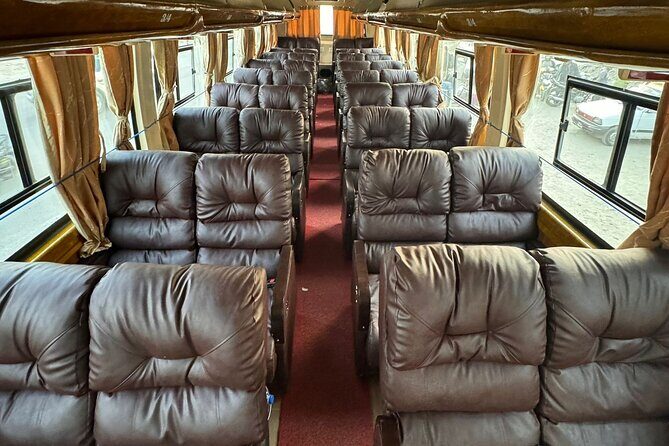
- Reclining sofa seats that help you actually rest on the road
- Bottled water included so you start the day with one less worry
- Only two main food stops (20 minutes for breakfast, 30 minutes for lunch)
- Max 30 passengers per bus, so it feels less chaotic than bigger departures
- Riverbank views near the break stops, often with good-looking places to eat
- No stop for waving local riders, which keeps the ride more predictable
Pokhara to Kathmandu Premium Sofa: What You’re Paying For at $11
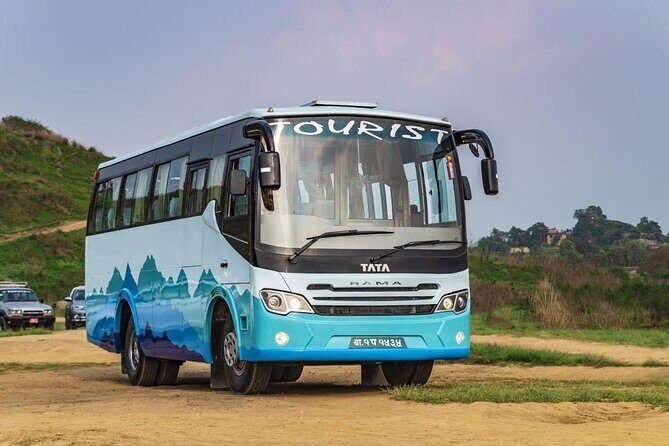
For $11, this is a straightforward deal: you’re buying a scheduled bus seat with the comfort upgrades that usually cost more on Nepal’s road routes. The “premium sofa” part matters because you’re facing a full day on the highway—between 6 and 8 hours depending on conditions—so seat comfort is the difference between arriving fresh-ish versus arriving grumpy.
This isn’t a sightseeing tour with long breaks or guide-led stops. Instead, it’s built around moving efficiently between Pokhara and Kathmandu while giving you just enough time to eat and reset. That’s a good fit if you want to get from point A to point B with minimal fuss and more comfort than basic buses.
Also, this is a small group by bus standards: up to 30 travelers. That tends to mean easier boarding, less crowding at the seats, and fewer “everyone squeeze in” moments that can drain your patience fast on departures.
Finally, it’s worth noting that this is a VIP tourist bus option rather than the most basic local-style service. You get the vibe of a cleaner, more tourist-focused ride, including the practical “comfort extras” like bottled water and reclining seating.
You can also read our reviews of more tours and experiences in Pokhara.
Seats, Comfort, and the Real Meaning of Premium Sofa
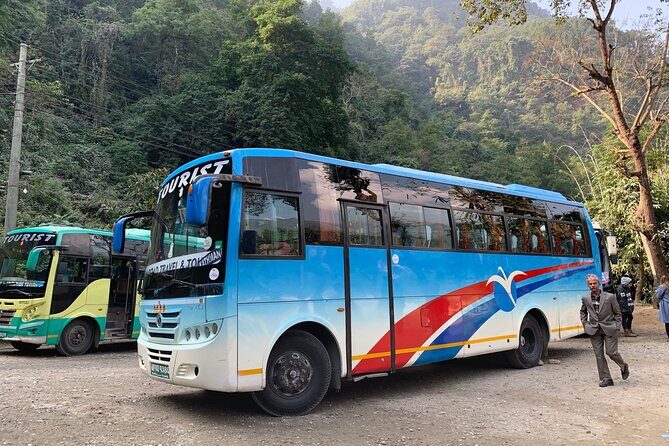
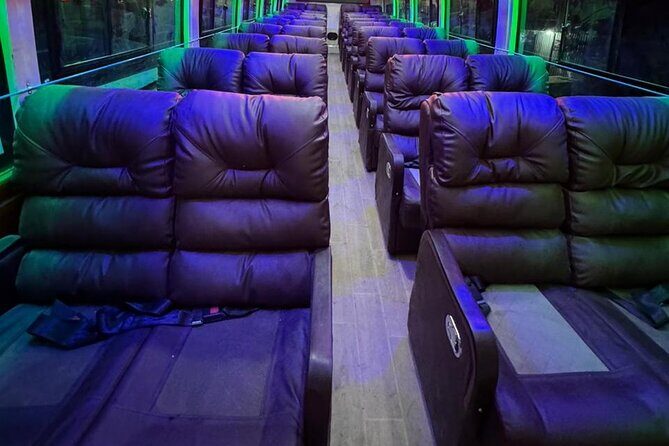
The headline feature here is reclining seats. In plain terms, that means you can tilt back and take a proper rest instead of sitting bolt upright for hours. For a route like Pokhara to Kathmandu—often long, often bumpy—comfort isn’t a luxury. It’s what keeps your energy for the rest of your day in Kathmandu.
Buses are also where small details either help or hurt. In this case, bottled water is provided on the bus, which saves you time and effort. When you’re leaving at 6:45 am, that simple inclusion can make the morning feel smoother, especially if you’re already trying to pack in breakfast before the bus.
One caution: “premium” can be based on what you booked, not always what you see in a photo. I’d treat the sofa-seating expectation as something to verify the moment you board. If your seat assignment doesn’t match what you expected, speak up early—before the ride locks in and you’re stuck for hours.
Your best move is to board with your ticket ready (it’s a mobile ticket) and do a quick check: seat position, reclining function, and whether the bus actually looks/feels like the advertised premium setup.
The 6:45 am Start and Why the Trip May Run Late
Start time is 6:45 am, which means you’ll want to plan like this is a “morning commitment,” not a casual schedule. The good part is that earlier departures usually mean you’re less likely to hit heavy end-of-day traffic in Kathmandu.
That said, road travel in Nepal can be unpredictable. This ride can be 6 hours if everything goes smoothly, but it can stretch to 7–8 hours when delays hit. The common reason given here is highway incidents that cost time.
So here’s the practical strategy I’d use: build a little buffer into your day in Kathmandu. Don’t schedule anything tight that requires you to be perfectly on time. Instead, plan something flexible right after arrival—check-in, a slow meal, and a calm reset.
Also, since the bus makes only a couple of timed breaks (more on those next), you’ll feel delays more strongly than on services with many stops. If you’re someone who gets antsy without frequent stretch breaks, this ride might feel “long and concentrated.”
Jamune Breakfast Stop (20 Minutes): Quick Food, Big View Potential
Your first real break is for breakfast in the Jamune area, with about 20 minutes at the stop. This is short, so the goal is not exploring. The goal is eating fast, using the time efficiently, and getting back on the bus without losing the rhythm of the morning.
The standout detail is that this break area offers hygienic food and tends to include a scenic riverbank view with food. That matters because on a long ride, even a quick meal can feel less like a chore if the setting is pleasant.
In 20 minutes, you should assume the following:
- You’ll need to decide quickly what to order.
- You’ll likely eat standing up or in a casual setup, not at a leisurely table.
- You’ll want to keep an eye on the bus so you’re not sprinting back at the last second.
One smart approach is to already know what you want before you step away from the bus. If you’re prone to indecision when hungry, this is the moment to override it. Think simple: something filling, something that won’t slow you down.
If you’re traveling with kids or anyone who needs a predictable routine, this timed breakfast stop is still manageable, as long as you keep it simple.
Kurintar Lunch Stop (30 Minutes): The Only Real Exploration Window
Next comes lunch at the Kurintar area, with about 30 minutes. This is the bigger window of the trip’s breaks—long enough to eat and do a quick look around, but still not long enough to treat it like a real detour.
As with the breakfast stop, the lunch stop is described as offering hygienic food and a beautiful riverbank view along with the meal. That combination is why this route can feel more satisfying than purely highway-based transport: you get a change of scenery in two quick bites.
Here’s how to make the 30 minutes work for you:
- Use the time to eat something you actually want, not just something fast.
- Take a short walk only if you can do it without losing track of time.
- Keep your phone charged if you use it for maps or messaging—then you won’t be rushed at the end.
Also remember: meals are not included in the ticket price. So your lunch cost is on you. Still, the format is convenient because the stop is essentially built around feeding passengers in an organized way.
If you’re picky about food, don’t wait until you’re starving at the bus door. Spend the first minute scanning options.

Fewer Stops, No Highway Pickups: What That Changes
One of the quieter “quality-of-life” parts of this bus ride is what it doesn’t do. The bus doesn’t stop for local passengers who wave to get picked up on the highway. That keeps the trip more consistent and reduces random interruptions.
The schedule reflects that efficiency. The bus is set up to stop in only three places total—breakfast, lunch, and then the end of the route. In practice, that means you’ll spend more uninterrupted time seated, and the breaks become more about timed refresh than frequent stretching.
This is great if you want a calm ride where everyone is focused on the same departure. It’s less great if you rely on lots of stops to manage motion discomfort.
And because there’s no “hand waving” pickup chaos, you’ll usually feel that tourist bus rhythm: check in, eat at the stops, return to your seat, and keep moving.
Who This Bus Ride Is Best For (and Who Should Rethink)
This bus allows ages 6 to 75, which makes it broad enough for families, couples, and older travelers who don’t want to drive. The ride also allows service animals, which is helpful if that applies to you.
Because the group size is max 30, I’d also say this service fits travelers who prefer a more controlled environment. If you want to avoid the largest, most overcrowded buses, this is one of the calmer options in the mix.
It’s also a good match if you’re traveling with someone who sleeps easily on buses. The reclining seats make that kind of trip smoother.
Who might rethink it? If you’re someone who needs frequent bathroom breaks or you dislike long stretches between stops, the “only two main breaks” style may feel restrictive. You could still do it, but you’ll need to plan your timing and stay comfortable in your seat.
If your top priority is maximum flexibility, consider that this is designed to move efficiently, not to customize. You don’t get long scenic wandering time.
Logistics You Should Plan Around Before You Board
This service is operated by New Road Travels and Tours pvt ltd, and your ticket is a mobile ticket. You should receive confirmation at the time of booking, so you’ll want to keep that info accessible on your phone.
The meeting point setup is simple: you start at the given point and the experience ends back at the meeting point in Kathmandu. That matters because it can reduce the stress of figuring out where you’ll be dropped off—still, I’d recommend you confirm the exact meeting/drop location right when you book.
Also, since it’s near public transportation, you’ll likely be able to connect easily if your accommodation is not directly next to the pickup point. That’s a real advantage on Kathmandu mornings when everything is a short scramble anyway.
Booking timing: it’s described as often booked about 9 days in advance on average. That’s not a hard rule, but it’s a hint. If you’re traveling during peak periods, try not to wait until the last minute.
Finally, note that the non-stop feeling is an illusion. You do have two short food breaks, plus travel time can expand due to highway incidents. Plan your day based on the longer end of the duration.
Should You Book This Pokhara to Kathmandu Premium Sofa Bus?
If you want a comfortable, low-cost way to cover the distance without jumping through complicated logistics, I’d say yes, with your eyes open. Reclining seats and bottled water included are real value on a multi-hour ride, and the route’s structure—just two quick food stops—keeps the day from turning into a slow shuffle.
That said, I’d be cautious about two things before you commit:
- Build in buffer time for delays. Even when the trip is often around 6 hours, it can run longer toward 7–8 hours when road incidents happen.
- Check what you actually get when you board. Premium should feel premium, and it’s worth confirming your seat comfort quickly once you’re on the bus.
If you’re traveling with kids, older relatives, or anyone who appreciates predictability and comfort over adventure, this is likely a smart fit.
FAQ
FAQ
How long is the Pokhara to Kathmandu Premium sofa bus ride?
The journey is listed as approximately 6 to 7 hours, and it can take seven to eight hours depending on road conditions.
What time does the bus leave?
The start time is 6:45 am.
What stops are included during the trip?
The bus stops in three places: a breakfast stop in the Jamune area and a lunch stop in the Kurintar area.
How long is the breakfast stop?
The breakfast stop lasts about 20 minutes.
How long is the lunch stop?
The lunch stop lasts about 30 minutes.
Is bottled water included on the bus?
Yes. Bottled water is provided on the bus.
Are meals included in the ticket price?
No. The ticket includes only the bus ride, while services not mentioned (including meals) are not included.
What are the age limits for this bus service?
Ages 6 to 75 are allowed.
How many passengers are on each bus?
There is a maximum of 30 travelers on the bus.
Is the booking changeable or refundable?
No. The experience is non-refundable and cannot be changed for any reason.
Is a mobile ticket used?
Yes. The ticket is described as a mobile ticket.