REVIEW · KATHMANDU
Nar Phu Valley Trek – 12 Days
Book on Viator →Operated by Breeze Adventure Pvt Ltd · Bookable on Viator
Kang La Pass is the real reason you come. This trek sends you into Nepal’s quiet Nar and Phu valleys in Manang, where you trade crowds for old villages and big Himalayan horizons, including Kang La Pass at 5,320m. You’ll walk through forests, canyons, river valleys, and the kind of high-altitude stillness that makes each summit view feel earned.
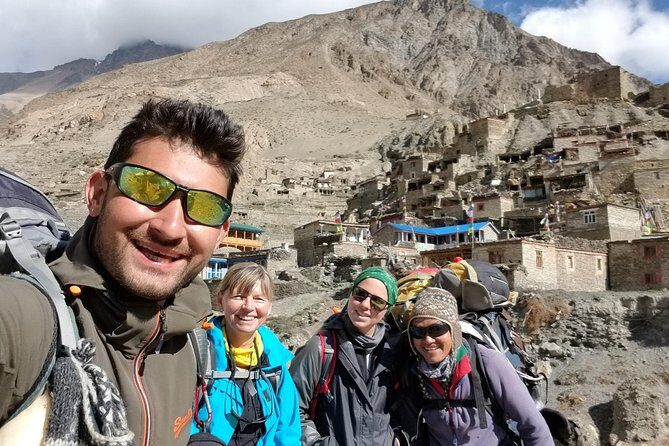
What I like most is the way the trip blends trekking and culture: you’ll see Nar and Phu villages and keep moving through scenery that feels far from the main Annapurna routes. And then there’s the night at Nar Phedi Monastery (Satek Gumba) with monks, which turns the trek into something more memorable than just photo stops.
The main consideration is altitude and travel effort. You’re doing a long road day on Day 2 (9–10 hours to start trekking) and several steep hiking days, so you’ll want moderate physical fitness and a calm attitude toward slow, steady pace—especially as you head toward 4,000m+.
In This Review
- Key highlights worth knowing
- Why Nar Phu Valley feels special: Nar and Phu, not the crowds
- Breeze Adventure logistics that matter on a trek like this
- Value check: is $1,600 fair for what you’re getting?
- Day 1: Arrive in Kathmandu and get your head straight
- Day 2 drive to Dharapani: the long warm-up before the real work
- Days 3–5: Koto to Meta to Phu (altitude climbs with real structure)
- Day 6 rest and exploration: why this acclimatization day is not optional
- Day 7: Phu to Nar Phedi (Satek Gumba) and the monastery night
- Day 8: Nar Phedi to Nar Village (4120m) in a shorter day
- Day 9: The big day—Kang La Pass (5,320m) and onward to Ngawal
- Day 10: Ngawal down to Besishar (1,500m+ drop in one day)
- Day 11: Besishar back to Kathmandu
- Day 12: Depart Nepal
- What to pack your brain for: pace, cold, and high-altitude days
- Who this Nar Phu Valley Trek suits best
- Should you book the Nar Phu Valley Trek with Breeze Adventure?
- FAQ
- What is the duration of the Nar Phu Valley Trek?
- Where does the trek start and end?
- How much does the tour cost?
- What is included during the trek?
- Are meals included in Kathmandu?
- What is the highest point on the route?
- Is there a cultural stay as part of the trek?
- What kind of fitness level do I need?
Key highlights worth knowing
- Kang La Pass panorama (5,320m) with multiple Annapurna peaks in view
- Nar and Phu villages that still feel culturally preserved
- A monastery night at Nar Phedi (Satek Gumba) with monks
- Small group size (max 10) for a more human trekking rhythm
- Meals and key trekking gear included, so you travel lighter
Why Nar Phu Valley feels special: Nar and Phu, not the crowds
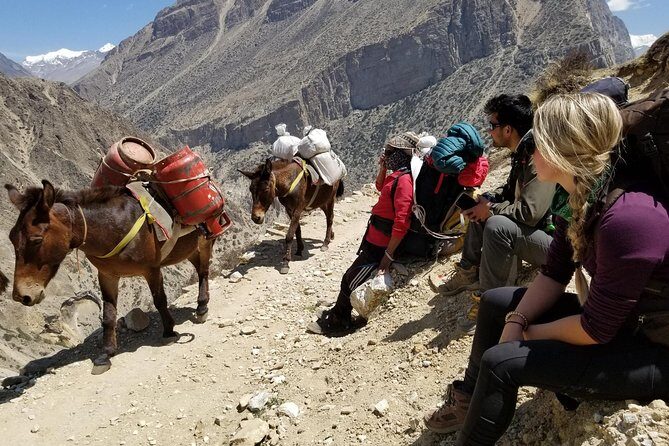
If you’re searching for a Nepal trek that feels remote without feeling unsafe, Nar Phu is a strong pick. The core idea is simple: you hike from village-to-village in Manang’s Nar and Phu valleys, then you earn major views at Kang La Pass.
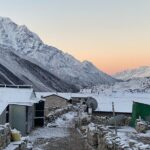
The best part is the mix. You don’t just walk past scenery—you spend time in places with old rhythms and visible history. Nar and Phu villages are known for keeping cultural character, and the trek’s pacing gives you real moments to notice how people live at altitude. It’s the kind of route where a morning prayer bell, a mule trail, or a stone-walled home matters because you actually have time to pay attention.
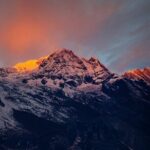
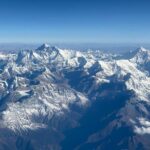
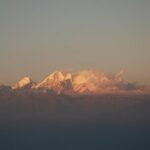
And yes, the mountains are the payoff. The trek is designed so you repeatedly get Himalayan views, not just one dramatic moment. You start seeing Manaslu early on, and later your big high pass day frames the Annapurna range in a way that’s hard to describe without standing there.
You can also read our reviews of more hiking tours in Kathmandu
Breeze Adventure logistics that matter on a trek like this
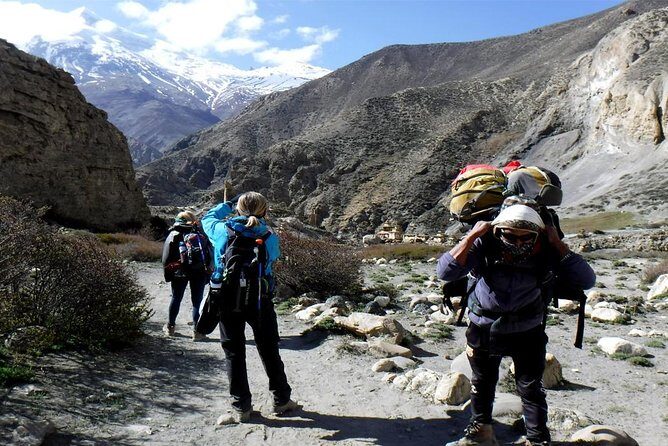
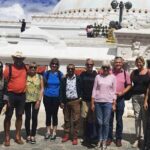
Breeze Adventure Pvt. Ltd runs this Nar Phu Valley Trek, with a small maximum group size of 10. In practical terms, that usually means less waiting and fewer bottlenecks on narrow trails or during meal breaks. It also tends to make the days feel more personal—especially when you’re moving between villages where you’re not just a moving crowd.
You start at the Breeze Adventure office in Thamel (Breeze Adventure Pvt. Ltd, Thamel Marg), and the tour also includes transportation to and from Tribhuvan Airport. If you’re staying in Thamel, this is helpful because it keeps your first day from turning into a scavenger hunt.
The guide and porter system is also part of why trips like this feel smoother. You get a government-authorized guide and porters, plus support like insurance, food, accommodation, and wages for the team. That means you’re not juggling logistics while trying to manage altitude.
For some trekkers, the “equipment included” detail is quietly huge. You get a sleeping bag and items like crampons (listed in the provided gear list). That can reduce what you need to rent or buy in Kathmandu, which helps your budget and reduces the stress of packing.
Value check: is $1,600 fair for what you’re getting?
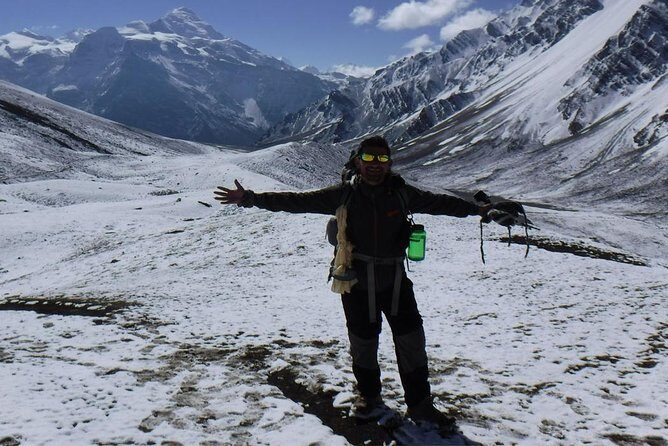
At $1,600 per person for 12 days, this trek isn’t a bargain deal. But it also isn’t a bare-bones hike where you’re paying extra for everything important.
Here’s where the value shows up:
- Airport transfers + road transportation are included (not just airport pickup, but the longer trek-route drives too).
- Three nights in Kathmandu at a 2–3 star hotel with breakfast are included.
- During the trek, you get breakfast, lunch, and dinner (described as hygienic meals).
- Your team is covered: guide and porters, plus their insurance, meals, accommodation, and wages.
- You get first aid kit, trek map, and service charges/taxes.
The trade-off is that you still pay for the big personal extras you’d expect: international airfare, meals in Kathmandu beyond breakfast, alcohol and personal expenses, and tips for your guide and porter are not included.
So my verdict: this price feels reasonable if you want Nar Phu without doing the organizing yourself, and if you value having gear, meals, and trained staff handled. If you’re comfortable doing independent treks and already have everything packed and planned, you might find cheaper options elsewhere. But for many people, the included structure is the whole point.
Day 1: Arrive in Kathmandu and get your head straight
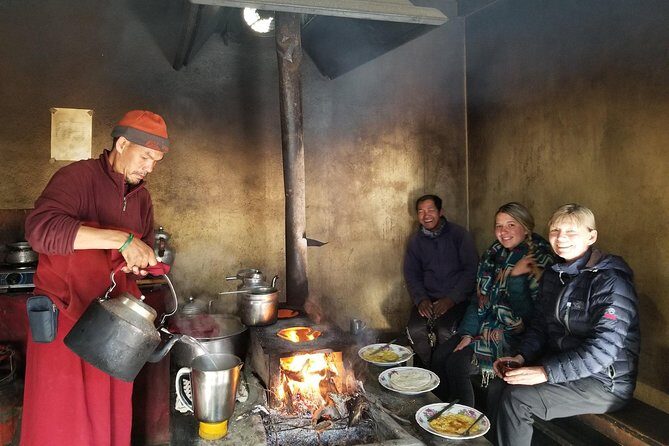
Day 1 is pure arrival: you land in Kathmandu, meet your team, and settle into Kathmandu life. Since your trek starts with a long drive the next day, this is your chance to sleep normally, eat something gentle, and not turn Day 1 into a party night.
You get three nights in Kathmandu at a 2–3 star hotel with breakfast included. That hotel base matters here because you’re about to hike at altitude. You’ll want a predictable start: clean room, solid sleep, and breakfast that won’t upset you when you’re about to move heavy days and thin air.
Day 2 drive to Dharapani: the long warm-up before the real work
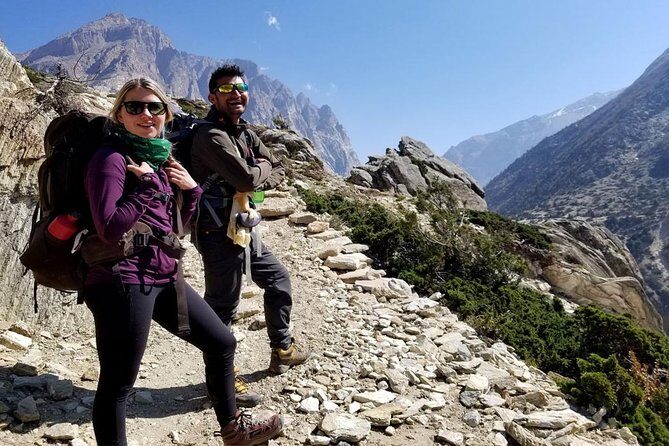
On Day 2 you travel from Kathmandu to Dharapani (1,860m) for 9–10 hours by road. This is one of the “hidden costs” of the trekking experience: not money, but fatigue. You’ll want water, patience, and a mindset that says, yes, this counts as part of your trip.
What helps is that you aren’t trekking in chaos the moment you get off the bus. Dharapani is your first hiking staging area, and after a day like this, a good crew makes a difference—especially when you’re balancing energy for the first trail.
Days 3–5: Koto to Meta to Phu (altitude climbs with real structure)
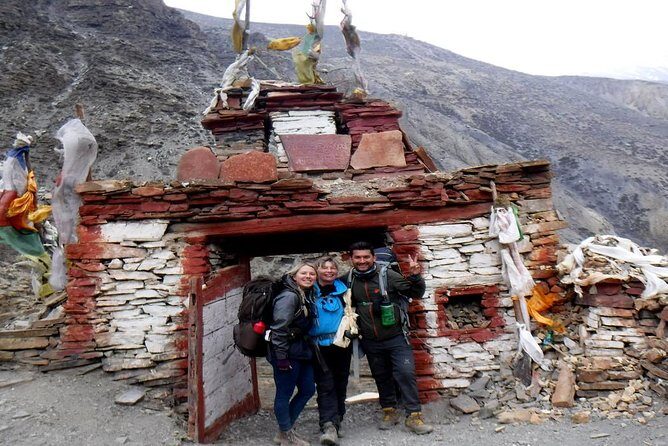
Day 3: Dharapani to Koto (2,600m), 5–6 hours.
Day 4: Koto to Meta (3,560m), 7–8 hours.
Day 5: Meta to Phu (4,080m), 7–8 hours.
This is the “get used to altitude” block. Even if the hikes aren’t ridiculously long, you’re climbing day after day, and the route is described as moving through a variety of terrain—starting with sub-tropical forest and gradually transitioning toward harsher high-altitude surroundings.
If you’re the type who pushes to “win” the trail, this section will humble you. The smartest approach is steady and boring: slower than you think you should, with frequent water breaks. That’s how you save energy for the tougher pass day later.
And Phu is a real jump. Arriving there at 4,080m changes how the valley feels. The air gets sharper, the days feel longer, and you’ll likely notice that your body wants a calmer rhythm than at home.
Day 6 rest and exploration: why this acclimatization day is not optional
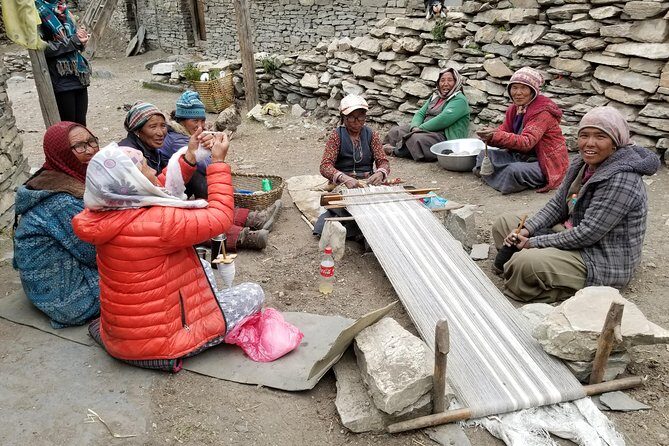
Day 6 is a rest day for acclimatization and exploration, with options to hike to Phu View Point or Himlung Base camp.
This is the kind of day that separates “I survived the trek” from “I enjoyed the trek.” An acclimatization day can feel like wasted time if you’re excited to keep walking, but it pays off. Your lungs adjust, your legs settle, and you’re more likely to feel confident when the route turns steep.
Also, you get flexibility here. You can choose a lighter viewpoint hike if you want to keep energy for later. Or you can choose a more focused climb if you want your legs working while staying within a recovery day framework.
Day 7: Phu to Nar Phedi (Satek Gumba) and the monastery night
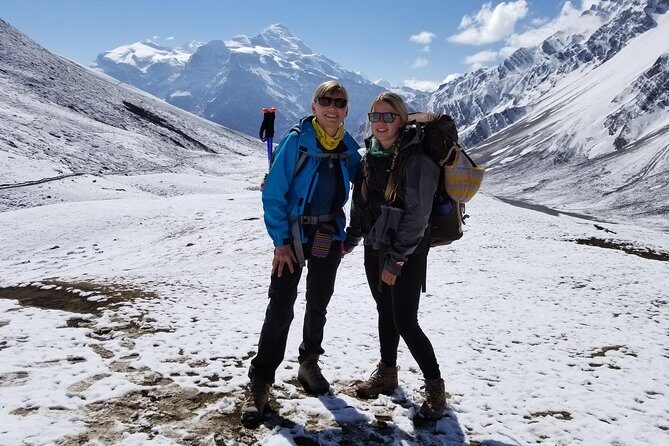
Day 7: Phu to Nar Phedi (Satek Gumba) (3,440m), 6–7 hours.
This is a day where trekking purpose shifts. Yes, you’re still hiking, but you’re also walking toward a cultural moment. Nar Phedi is where the trip delivers one of its most meaningful experiences: a night stay at Nar Phedi Monastery with monks.
That’s not just an “interesting stop.” It changes the tone of your evening. Instead of the usual trek dinner-and-bed routine, you’re in a place where monks live according to a different daily rhythm. If you care about how spiritual life intersects with Himalayan geography, this night is the kind of memory you keep.
Day 8: Nar Phedi to Nar Village (4120m) in a shorter day
Day 8: Nar Phedi to Nar Village (4,120m), 3 hours.
After a longer day into Satek Gumba, this shorter hike is a relief. It gives you time to arrive, settle, and actually spend your energy meeting the place rather than just chasing distance.
Nar Village at 4,120m also means you feel the altitude more than in the lower valley days. The best move is to keep your pace calm and let the village time do its work—chat when appropriate, observe the routines, and give yourself time to rest.
Day 9: The big day—Kang La Pass (5,320m) and onward to Ngawal
Day 9 is where the trek earns its reputation:
Nar to Ngawal (3,660m) via Kang La Pass (5,320m), 7–8 hours.
This is the toughest combination: big altitude plus a long hiking window. You’re not just hitting a high point—you’re doing it with enough day time to cross, descend, and reach camp.
The pass itself is described as breathtaking, with a wide panorama including peaks like Annapurna II, Annapurna III, Annapurna IV, Gangapurna, and more. In practical terms, this means you should treat the pass day like a planning exercise:
- Go slowly on the climb to protect breathing.
- Keep warm even if you’re sweating; conditions can flip fast at elevation.
- Plan for your best view time, not just your “get to the top” moment.
Day 10: Ngawal down to Besishar (1,500m+ drop in one day)
Day 10: Drive from Ngawal (3,540m) to Besishar (750m), 5–6 hours.
This is the reward phase: you’re still on the same trip, but the stress on your legs drops sharply when altitude drops so quickly. A long road day also gives you time to recover mentally—especially after Kang La Pass.
Besishar at 750m feels like a different world. Even if you’re tired, the change in temperature and air thickness tends to make you breathe easier.
Day 11: Besishar back to Kathmandu
Day 11: Drive from Besishar to Kathmandu, 5 hours.
You’ve done the big vertical work. Now it’s about re-entering city life without rushing it. Kathmandu after a trek day can feel odd—too many sounds, too many people, too many options.
This is also when the trip’s structure helps: you’re not left to figure out how to get back independently.
Day 12: Depart Nepal
Day 12 is straightforward: departure from Nepal, with the tour ending back at the meeting point location.
By now, you’ll probably notice how good you feel when you stop moving. The trek is physically demanding, but it’s also paced in a way that makes completion feel realistic: acclimatization day, a monastery night, a cultural village day, and a pass day that doesn’t happen without preparation.
What to pack your brain for: pace, cold, and high-altitude days
Even though the trip provides key trekking items like a sleeping bag and crampons, you should still plan your days mentally around altitude and weather. At 4,000m+, you’re dealing with slower recovery and more sensitivity to exertion.
So here’s your best “simple strategy”:
- Start slow every morning. Save energy for the middle and end of the day.
- Treat the acclimatization day as part of the trek, not a break from the trek.
- On pass day, expect the view to be the prize and the climb to be the work.
Also, the route is described as off-the-beaten-path, with stays in local guest houses. That’s part of why it feels authentic. It’s not a luxury safari. It’s a village-to-village trek where your patience and curiosity earn better moments.
Who this Nar Phu Valley Trek suits best
This is a great fit if you:
- Want seclusion and small-group trekking (max 10).
- Care about culture as much as scenery, especially Nar and Phu villages.
- Like the idea of a real night in a monastery environment at Nar Phedi (Satek Gumba).
- Are comfortable with a mix of hiking and long road days.
If you’re seeking a trail with tons of other hikers, this probably won’t feel like the right match. Nar Phu is about quiet.
Should you book the Nar Phu Valley Trek with Breeze Adventure?
If you want a guided Nar Phu experience that covers the big logistics—airport transfer, Kathmandu hotel base, trek road transport, meals on the trail, guide and porter support, and key gear—this one is worth serious consideration.
My honest decision rule: book it if you want Kang La Pass and real village encounters, but you’d rather spend your energy on the trail than on planning. Skip it if you’re trying to minimize cost at all costs or you don’t want long driving days and high-altitude effort.
Given the structure and the clear focus on Nar and Phu’s culture plus Kang La’s panoramic payoff, this is the kind of trek that can turn into a lifetime story—because it’s not just about getting high. It’s about getting off the main track and staying there long enough to notice what makes it special.
FAQ
What is the duration of the Nar Phu Valley Trek?
The trek is listed as 12 days (approx.).
Where does the trek start and end?
It starts at the Breeze Adventure Pvt. Ltd office in Thamel, Kathmandu, and ends back at the same meeting point.
How much does the tour cost?
The price is $1,600.00 per person.
What is included during the trek?
Included items cover road transport for the trek, local guest house accommodation in the mountains, government-authorized guide and porters, insurance for the trek staff, and hygienic meals (breakfast, lunch, and dinner) during the trek. Key trekking equipment like a sleeping bag and crampons is also included, along with a first aid kit and a trek map.
Are meals included in Kathmandu?
Breakfast is included with your three nights in Kathmandu, but other meals in Kathmandu are not included.
What is the highest point on the route?
Kang La Pass is the high point, at 5,320m.
Is there a cultural stay as part of the trek?
Yes. The itinerary includes a night stay at Nar Phedi Monastery (Satek Gumba) with monks.
What kind of fitness level do I need?
The trek calls for a moderate physical fitness level.