REVIEW · KATHMANDU
Mohare Danda Trek
Book on Viator →Operated by Trekking Trail Nepal · Bookable on Viator
A women-powered trek with 8,000m views.
I love how Mohare Danda is built around community lodges and village days, with a clear social mission behind every step. You’re walking through ethnically Magar settlements, following viewpoints like Thula Kharka and Sikha Danda, and aiming for sunrise over some serious Himalayan peaks.
What I like most is the women empowerment and community welfare focus, where your trek support flows into education, economy, and rural development. I also appreciate the practical setup: a small group (max 11), permits handled, and serious cold-weather gear included for the highest point at 3,313 meters.
One consideration: you’ll spend a good chunk of time on long overland drives in Nepal between cities and trek entry points. If you’re not a fan of road days, plan for that mental shift before you arrive.
In This Review
- Key highlights worth the effort
- Mohare Danda: women-led community trekking with Himalayan scale
- Is this “easy short” trek truly for you?
- The step-by-step flow: Kathmandu to sunrise at Mohare Danda
- What you’ll actually experience in village days
- Views: how to maximize sunrise and peak-spotting odds
- Price and value: what $799 covers (and what it doesn’t)
- The support system that matters on a community trek
- Packing and pacing: practical tips that prevent headaches
- Who should book Mohare Danda (and who should consider alternatives)
- Should you book the Mohare Danda Trek?
- FAQ
- How long is the Mohare Danda Trek?
- Where does the trek start once you’re in Nepal?
- What is the highest elevation on the trek?
- Are guides and porters included in the price?
- What trekking gear is provided for Mohare Danda?
- What meals are included?
- Are transportation and permits included?
- What should I know about cancellation and weather?
Key highlights worth the effort
- Women empowerment + community welfare funding tied directly to the trek’s purpose
- Sunrise and high-point views at Mohare Danda (3,313m) from the community lodge
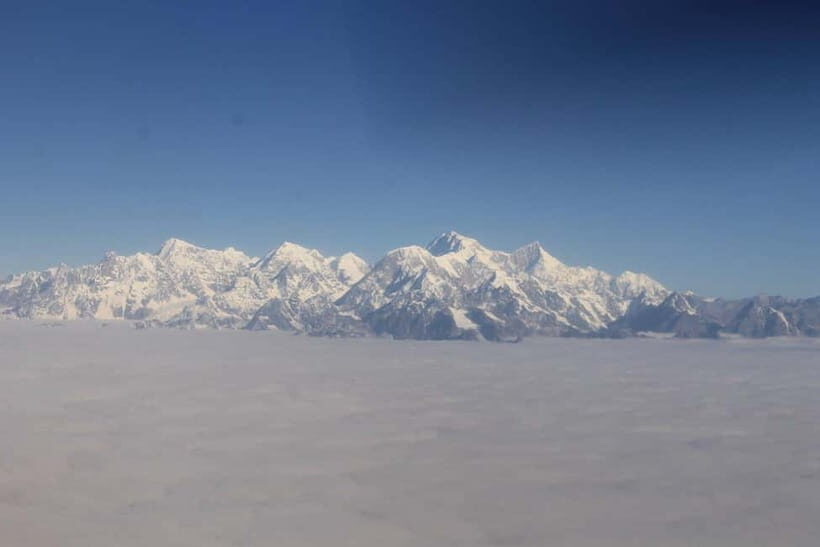
- Up to 42 peaks potentially visible, including Annapurna, Dhaulagiri, and Manaslu (weather dependent)
- Magar villages and Poon Magar tradition for real cultural contact, not just photo stops
- Guide + porters included, with insurance, gear, permits, and a first-aid setup
- Small group size (max 11) for better coordination and more human pacing
Mohare Danda: women-led community trekking with Himalayan scale
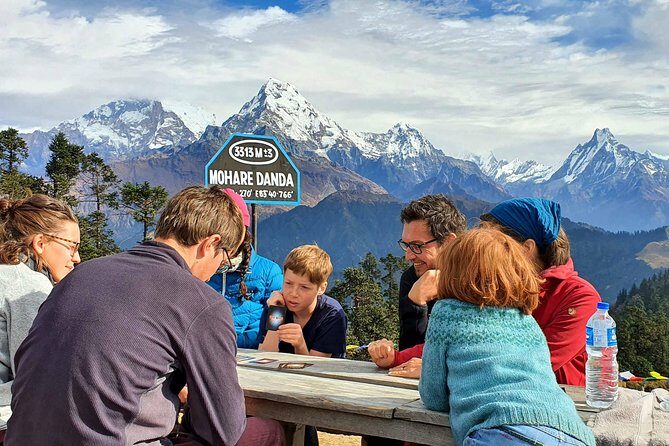
Mohare Danda Trek is not trying to be the biggest mountain trek in Nepal. It’s something smarter: a smaller, calmer circuit where the payoff comes from two places at once—views and community impact.
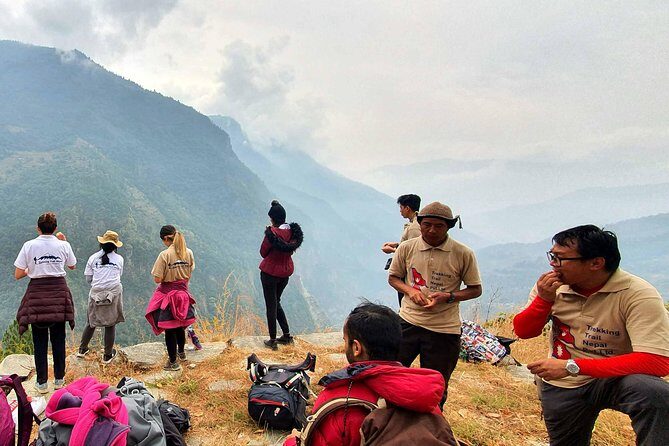
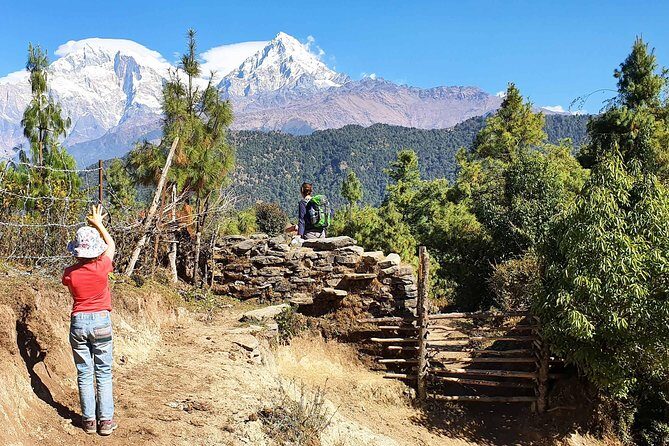
The mountain side is serious. The trek is promoted around the idea that you can see up to 42 peaks, including three 8,000-meter giants: Annapurna, Dhaulagiri, and Manaslu. Real talk: cloud cover can erase those views. But even when the sky is moody, you still get dramatic ridgelines, valley angles, and photo-friendly sunrise moments.
The community side is the main point. This trek is framed as education, economy support, and women empowerment, plus broader rural development. You’re not just passing through. You’re part of a local economy that runs on visits like yours, guided by community structures and lodges.
You can also read our reviews of more hiking tours in Kathmandu


Is this “easy short” trek truly for you?
The wording around Mohare Danda emphasizes a new, easy, short, peaceful trail around the area. Most people can participate, and the operator explicitly says they can assist you on easier routing if you have joint issues or difficulty walking downhill on stone stairs.
That matters because day-to-day hiking always includes footwork, even on “easy” routes. Expect uneven stone paths, steps, and some uphill segments where your legs do the talking. If you’re coming off a long travel day, you’ll want a slower start and good hydration from the beginning.
This is also a trek where your mindset helps. You’re going for village culture, sunrise, and wide mountain panoramas, not for maximum elevation drama. If that sounds like your kind of adventure, you’ll likely enjoy the pace.
The step-by-step flow: Kathmandu to sunrise at Mohare Danda
Your trip starts in Kathmandu, in Thamel, where you’ll meet the local representative after landing at Tribhuvan International Airport. This first day is mostly about getting sorted—immigration done, baggage found, and a quick handoff to your group.
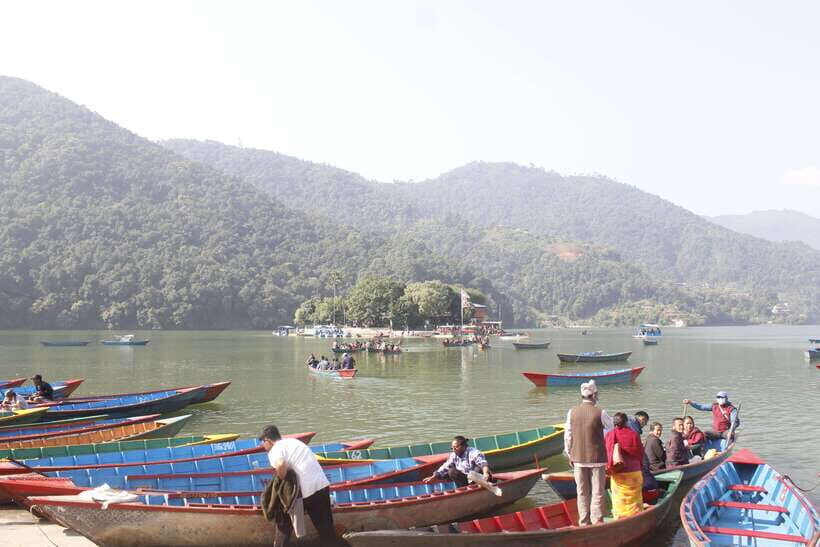
Day 2 is a long Nepal road day toward Pokhara, including a stop at Phewa Tal. The drive is around 200 km and takes roughly 6–7 hours. If you’ve done overland transfers before, you know the drill: expect a lot of turns, occasional slowdowns, and a bus seat that may or may not become your best friend.
Day 3 switches from road to trek. Breakfast at your hotel comes first, then you travel to the trek start area via road from Pokhara to Beni Bazaar, around 4 hours. After that, you start your walking days with the mountains tightening around you.
Day 4 heads deeper into culture and nature, moving toward Nagi Village along the trail, with a stop at Ramche. This day is described as a pristine nature and culture walk, and it’s also where you start seeing how locals live with the seasons—what they grow, how they move through mountain terrain, and how daily life connects to the surrounding ridges.
Day 5 is the push to the destination area. You trek toward Mohare Danda starting after breakfast at Nagi, with an estimated walking window of about 4–6 hours. This is the day that tends to make you feel the altitude shift, even if it’s not an extreme climb.
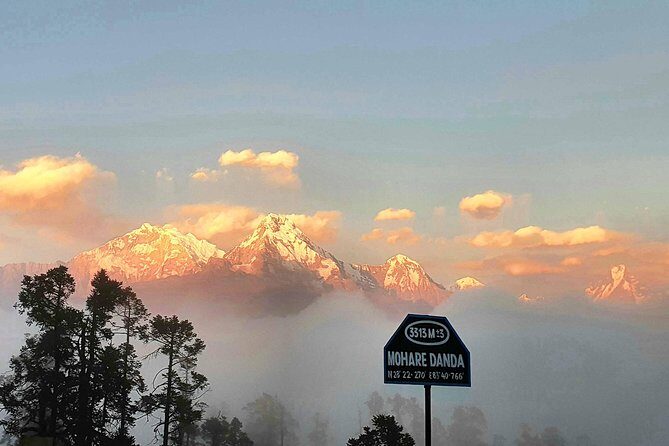
Day 6 is the high-point day. You’ll reach Mohare Community Lodge at 3,313 meters and enjoy sunrise plus Himalayan views. The day is also listed with a long on-the-ground time (you’ll likely have time for slow breakfast, viewpoint breaks, and settling in). Sunrise here is the moment most people remember, because it’s when the light first touches those tall silhouettes.
Day 7 takes you to Tikot, a beautiful ethnic Magar settlement. You’ll trek past viewpoints like Thula Kharka and Sikha Danda, where the trail gives you chances to pause and take in sightlines over valleys and ridges. This day is less about a single summit moment and more about building a visual rhythm.
Day 8 is the finish of the hiking portion, walking to Basari (Baseri/Basari depending on spelling). You’ll end the trek on the mountain trail, and the pacing typically feels different on the last day—less strain, more reflection, and more time noticing details you may have ignored earlier.
Day 9 returns you to the city. You drive back from Pokhara to Kathmandu (about 7 hours), then get downtime in Kathmandu. After days of trail legs, this is the day to treat yourself to something simple: a shower, a long meal, and a place to fold your gear without rushing.
Day 10 is departure day. You’ll transfer to Tribhuvan International Airport for your final flight.
What you’ll actually experience in village days
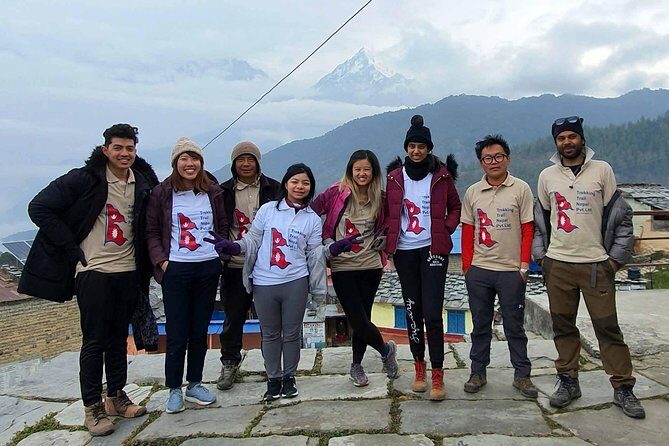
Mohare Danda is built around community lodges and rural villages, which means your comfort level is more “real life” than “resort life.” That’s not a negative—just calibrate your expectations. When you sleep in a community lodge system, you’re supporting local operations and learning how the trail infrastructure works at grassroots scale.
In these villages, the important moments are usually small:
- you’ll notice how people manage daily tasks around the terrain
- you’ll see local hospitality at a pace that’s slower than city life
- you’ll have more chances to interact than you’d get on high-volume tea-house routes
The trek is also positioned around Poon Magar tradition and Magar culture. You’ll likely learn through conversation and observation more than through formal presentations. If you’re the type who likes asking respectful questions and listening, these village stretches can become the highlight.
One more practical point: community-based trekking often means variable services compared with major trekking hubs. The operator includes key support items (more on that below), but you should still be flexible about how meals and lodge routines feel from day to day.
Views: how to maximize sunrise and peak-spotting odds
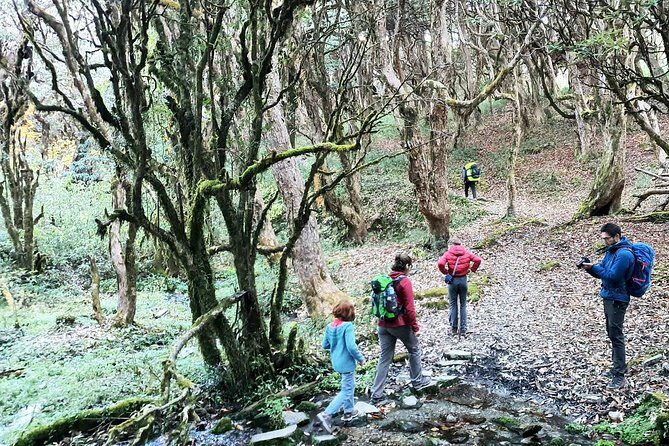
The trek is marketed around seeing up to 42 peaks, with three 8,000-meter mountains in the mix. That’s a bold promise, and it’s also clearly weather dependent. Still, you can stack the odds in your favor.
Start by planning your effort around sunrise. The itinerary puts a major focus on early morning views from the highest point at Mohare Danda. That means waking early, stepping out with layers on, and being ready to move fast enough to catch the light.
Also, keep your expectations realistic about visibility. Even if you don’t get the full peak count, clear mornings often still show crisp ridges and a strong sense of depth. If you’re chasing photos, bring a jacket that lets you stand outside without overheating.






Price and value: what $799 covers (and what it doesn’t)
At $799 per person for about 10 days, this trek’s value comes from what’s included, not from the total number. Your package covers:
- a guide and porters, including their wages, insurance, and trekking gear
- permits and documentation
- a certificate of achievement after completion
- a support kit that includes first aid and an oxygen monitor, plus sleeping bag and down jacket for Mohare Danda
- ground transportation (including the Kathmandu–Pokhara overland sections)
- trekking map included
- a short stop/visit at Baglung High Bridge with entry fees
- a complimentary trekking duffle bag for each trekker
- meals: 9 breakfasts, 6 lunches, 5 dinners
So you’re not just paying for scenery. You’re paying for logistics, safety equipment, and the people who make the trek run.
What’s not included is also typical but worth noting:
- tips and gratuities
- drinking water and personal snacks/drinks
- bar bills and personal expenses
- lunch and dinner in Kathmandu and Pokhara
If you’re trying to keep the trip budget-friendly, plan for water and personal snacks separately. Also, mentally set aside some money for tips. The trek includes guide and porters as part of the package, but tips are still explicitly not included.
The support system that matters on a community trek
What I find reassuring here is the blend of human support and gear support. You get guides and porters with insurance and their own trekking equipment handled. You also get a first-aid medical kit and an oxygen monitor, plus down jacket and sleeping bag for the high-point night.
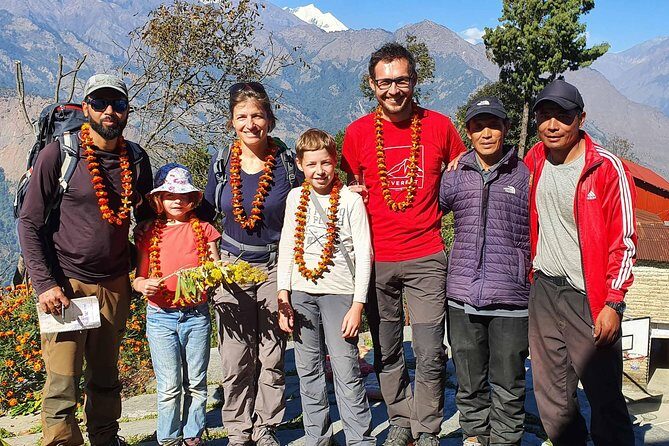
In past Mohare Danda-focused departures tied to this operator, names like Apar and a supporting team including Ashishm, Lokendra, and Joyendra have come up in the feedback as professional and helpful. The pattern is clear: the guiding style people appreciate tends to be calm, patient, and attentive to safety.
Safety advice also seems to be part of how they run the trek—things like how to behave in the mountains for your own wellbeing. That’s especially important on smaller circuit treks where conditions can change quickly, even if the route is described as easy.
Packing and pacing: practical tips that prevent headaches
You’re climbing to 3,313 meters, so cold and wind are real even if the trek isn’t “technical.” The package includes a down jacket and sleeping bag for Mohare Danda, which reduces what you need to carry. Still, you should bring your own layers for daytime movement and sunrise hours.
Think in systems:
- Layers: a warm mid layer plus a shell for wind
- Footwear: reliable hiking shoes or boots with grip on stone stairs
- Small day bag: for snacks, rain protection, and a light layer swap
- Water planning: drinking water isn’t included, so decide how you’ll handle it
Also, remember that this trek includes multiple long drives. Your body feels better if you treat those as part of the challenge. Stretch on breaks when you can. Keep a basic motion routine going in the bus.
Who should book Mohare Danda (and who should consider alternatives)
Book Mohare Danda if you want:
- a community-focused trek where your money supports education and women empowerment
- manageable hiking days with village culture as a central goal
- sunrise at a clear high point, with a shot at huge Himalayan views
- a small group (max 11) so the day doesn’t feel like mass tourism
Consider something else or ask for special routing if:
- downhill stone steps feel difficult for you
- you hate long road transfers, because Kathmandu–Pokhara and Pokhara–Kathmandu are long
- you’re only interested in peak-chasing and don’t care about village interactions
Should you book the Mohare Danda Trek?
If your ideal Nepal trek includes meaning, not just mileage, I think Mohare Danda is a strong choice. The value proposition is solid at $799 because the package handles permits, safety gear, guides and porters, meals, and major ground transport. You’re also supporting a women-led community model, and that gives the whole trek more weight.
My call: book it if you’re flexible on road time and you’re okay with a community-lodge style of travel. If sunrise clouds ruin your peak count, you still get the village rhythm and the Himalayan presence—plus the satisfaction of knowing your trek supports education and rural development.
If you want one practical decision tip: ask your operator ahead of time how they plan to route you if stairs or downhill walking is an issue. They’ve stated they can assist with easier routes, and that’s the kind of planning that turns a tricky day into a manageable one.
FAQ
How long is the Mohare Danda Trek?
It’s listed as about 10 days.
Where does the trek start once you’re in Nepal?
Your first trekking day starts from Beni Bazaar after traveling from Pokhara.
What is the highest elevation on the trek?
The highest point is Mohare Danda at 3,313 meters.
Are guides and porters included in the price?
Yes. The package includes Mohare Danda Trekking Guide and Porters, including their wages, insurance, and trekking gear.
What trekking gear is provided for Mohare Danda?
You’re provided with a sleeping bag and down jacket for Mohare Danda, along with a first aid medical kit and an oxygen monitor.
What meals are included?
The package includes 9 breakfasts, 6 lunches, and 5 dinners.
Are transportation and permits included?
Yes. It includes all required permits/documentation and all ground transportation as best available.
What should I know about cancellation and weather?
There is free cancellation up to 24 hours in advance for a full refund. The experience requires good weather, and if it’s canceled due to poor weather, you’ll be offered a different date or a full refund.