REVIEW · KATHMANDU
Annapurna Base Camp Trek
Book on Viator →Operated by Nepal Mountain Trekkers - Day Tours · Bookable on Viator
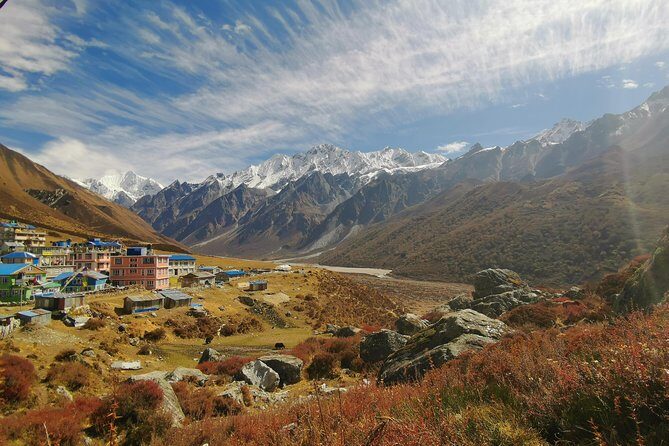
Big mountains, a quick start. This Annapurna Base Camp short trek is interesting because it strings together city comfort, a fast jump to Pokhara, and then guided mountain days that steadily build altitude. You’ll hike through rhododendron forest, past waterfalls and terraced villages, and end with that jaw-dropping base-camp panorama.
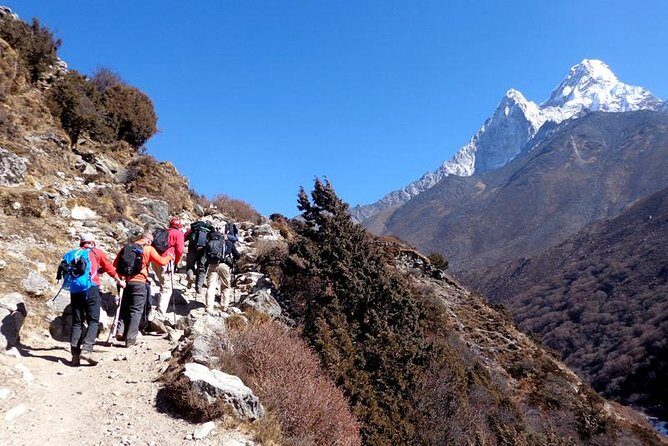
I particularly like two things. First, the payoff stop at Jhinu Danda hot springs gives you real, practical recovery time after hard walking. Second, the team support is clear and structured, with an English-speaking trekking guide and porter help, including guide experiences like Shiva and porter support like Bishal from past groups.
One drawback to think about is altitude: you’ll reach 4,130 meters at Annapurna Base Camp, so if you hate feeling winded or get motion-sick easily, you’ll want to take the climb seriously and follow the guide’s pace.
In This Review
- Key highlights worth your attention
- Kathmandu to Pokhara: a smart warm-up before the trek
- Day 1–4: Jhinu Danda, Chhomrong, bamboo and rhododendron comfort
- Day 5–6: Deurali and Machhapuchhre Base Camp, with the air getting thinner
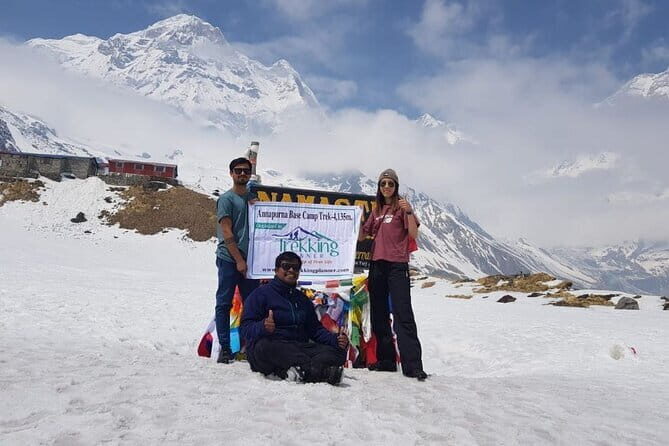
- Annapurna Base Camp at 4,130m: the kind of night you remember
- The return: sunrise over the Himalayas, plus Jhinu Danda hot springs again
- Back to Pokhara and Kathmandu: your last views and easy sightseeing
- Price and logistics: does $906.67 feel fair for Annapurna Base Camp?
- Should you book this Annapurna Base Camp short trek?
- FAQ
- What is the total duration of this Annapurna Base Camp trek?
- Where does the trek start and end?
- Do you get picked up at the airport?
- What is included in the trek meals?
- What trekking permits are included?
- Is gear rental included?
- How many people are in a group?
- What level of fitness is required?
- Can I cancel for a full refund?
Key highlights worth your attention
- City-to-mountain flow with Kathmandu hotel time, Pokhara staging, then straight into the Annapurna region
- Jhinu Danda hot springs twice, once near the start and again on the return
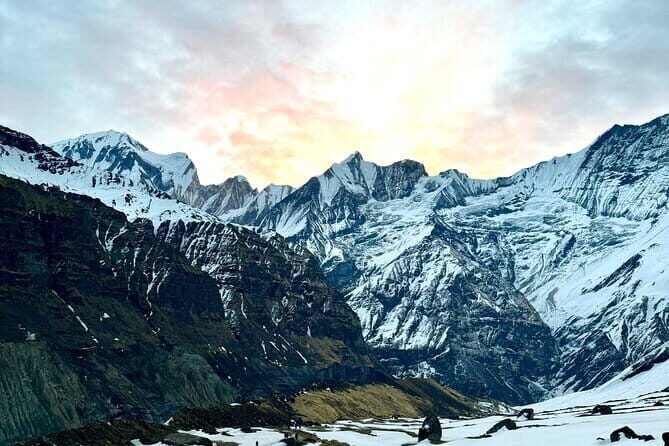
- Machhapuchhre Base Camp route with views of Fishtail and multiple Annapurna peaks
- Permits and gear handled via TIMS and ACAP fees plus sleeping bag and down jacket rental
- Small group size (max 15) with porter support (1 porter for 2 trekkers, up to 30 kg)
Kathmandu to Pokhara: a smart warm-up before the trek
Your experience starts in Kathmandu, with airport pickup and a drive to your hotel. That matters more than it sounds. Arriving in a new country can take your attention away from the trip, so having someone handle the first transfer helps you settle in and sleep. Your Kathmandu home base is Hotel Green Horizon in Thamel, the area where you’ll find food, gear shops, and a lot of other trekkers funneling in and out.
The next day shifts you quickly to Pokhara. This program is designed for momentum: you’ll head to Pokhara the very next day (the trek overview mentions a short 30-minute flight connection to get you there fast). Either way, the goal stays the same—reduce travel fatigue so you can start hiking feeling human instead of draggy.
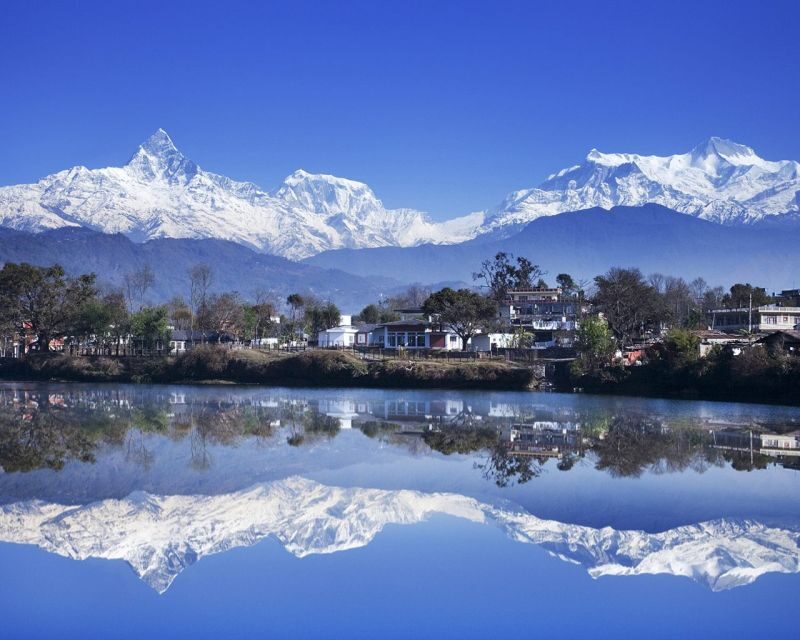
Once in Pokhara, you’ll get escorted to your hotel and have time to explore Lakeside, the lakeside area where modern shops sit next to traditional souvenirs. This is also where the vibe changes from city logistics to mountain focus. You’ll be thinking about your first proper trail day, the kind of boots-and-socks comfort you’ll need, and whether you’ve packed enough layers for cool mornings and chilly nights.
One practical bonus: your trek guide meets you at the start point in Thamel and gives you trekspecific briefings. That’s where you learn how the days are paced, what to expect on the trail, and how the group will handle the return. For a route that climbs to 4,130m, getting the rhythm right early makes a difference later.
You can also read our reviews of more hiking tours in Kathmandu


Day 1–4: Jhinu Danda, Chhomrong, bamboo and rhododendron comfort
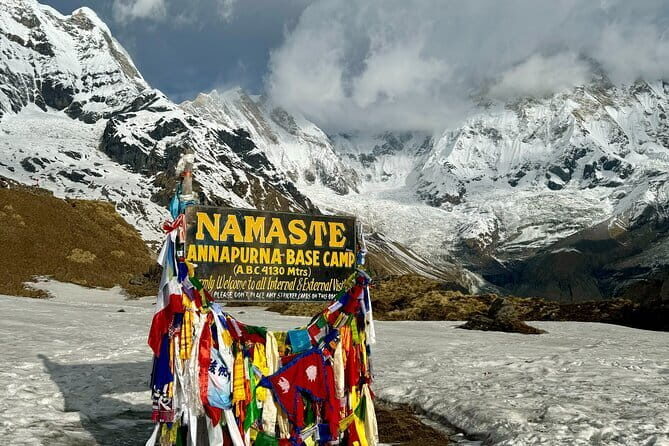
From Pokhara you connect to Nayapul, the common launching area for trekking in the Annapurna region. Then the first walking day heads toward Jhinu Danda along the Modi River. This section is great for getting your legs going without starting with a brutal wall of altitude. You’ll pass through small settlements and climb gradually along the trail, with the river close by for most of the day.
Jhinu Danda is famous for one reason: the natural hot springs at the base of the ridge. After your first day on the trail, it’s a very tangible reward. Hot water doesn’t erase altitude or soreness, but it can help you walk better the next morning. That’s why I like this itinerary’s timing—your first real rest-and-recovery moment happens early enough to keep morale up.
The next day pushes you through the classic mid-trek “photo-and-feel” zone: terraces, steep stone steps, and village life. You’ll pass Nayagaon and arrive around Chhomrong—a name trekkers often know because it sits in the heart of the Annapurna experience. From there, the route crosses the Chhomrong River, climbs to a ridge above the Modi River, and then begins weaving through bamboo and terraced fields.
You’ll head onward toward Siruwa and then into the Bamboo area. Along the way, there are stretches of rougher trail and a mix of rhododendron and bamboo forest. A notable stop is Kuldighar, described as a former sheep breeding project, which gives the route a sense of place beyond just scenery. The bamboo section can feel like a steady grind, but it’s also where the air often stays more comfortable because the tree cover helps.
By the time you reach Bamboo (at or near Bamboo Lodge), you’re prepared for the next phase: moving out of the lower, greener zones and toward the more exposed, rockier climbing. This is where a moderate pace pays off.
Day 5–6: Deurali and Machhapuchhre Base Camp, with the air getting thinner
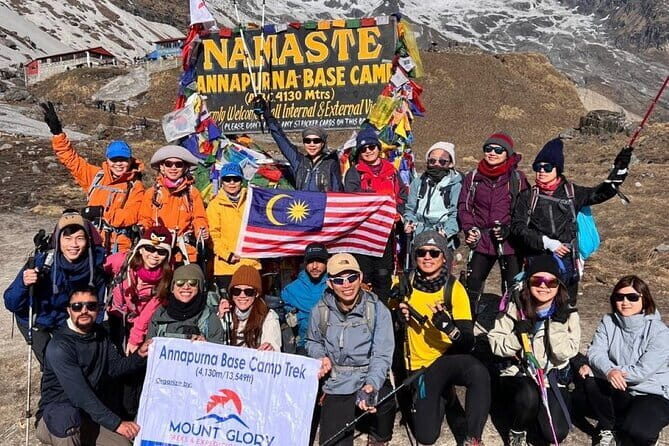
Day 5 is a short step that sets you up for the bigger push. You’ll trek toward Dovan, then continue to Deurali through steep sections and around waterfalls. The vegetation becomes sparser as you gain altitude, and the terrain starts shifting toward rockier ground. That’s not just a poetic change—it affects your footing, your breathing, and how quickly you feel tired.
A neat detail on this route is the mention of Hinku cave areas on the way. You’ll also notice Deurali village appearing as you climb, which helps you orient your effort—landmarks matter when the trail gets harder and the views get farther apart.
Then comes what I consider the signature “approach day”: trekking to Machhapuchhare Base Camp and then onward to Annapurna Base Camp the next step. This climb takes you past Bagar and continues toward Machhapuchhre Base Camp, where the views sharpen. The program specifically calls out sights of Fishtail Mountain and peaks including Hiuchuli, Annapurna South, Annapurna I, Annapurna III, and Gagapurna.
Why this day matters: it bridges you from “I’m hiking in the mountains” to “I’m inside the view.” Machhapuchhre Base Camp is often the point where people start feeling like they’re in a protected amphitheater of peaks. If you’re prone to getting nervous on narrow paths, this is also a day where the guide’s pacing and group management helps keep things calm.
When you reach Annapurna Base Camp at 4,130 meters, you branch away from the Modi River. The trail widens and vegetation becomes sparse, which makes the mountain show unavoidable. You’ll stay overnight at base camp, giving you time to settle, breathe, and actually take in the scale rather than rushing through it.
Annapurna Base Camp at 4,130m: the kind of night you remember
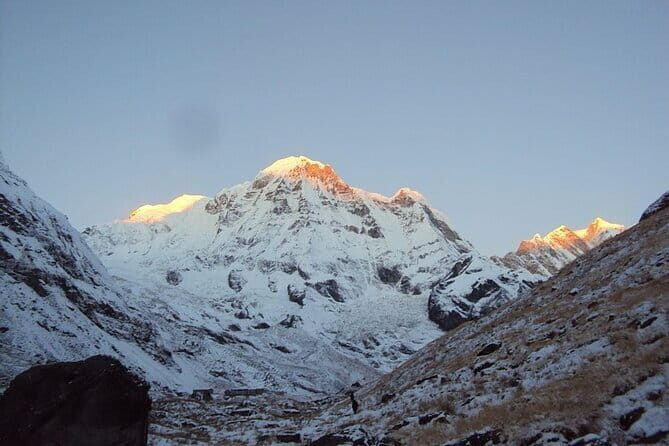
Reaching Annapurna Base Camp isn’t just about the altitude number. It’s the feeling of being surrounded on all sides by Himalayan peaks, with your attention pulled upward instead of sideways. The itinerary highlights that towering Annapurna presence and the absence of anything blocking the view—exactly what you want on a day where you’ve earned it.
The overnight stop is key. On treks like this, you can’t always control the weather, but spending the night near 4,130m gives you a better chance to catch clear conditions and to adjust to the thin-air feeling. It also gives you time to slow down. Even with a guide setting the overall pace, base camp is where you can stop worrying about the next bend.
Practical tip for how to handle base camp: expect your body to feel more “limited” than it did at lower elevations. If you tend to push hard early, remind yourself that the itinerary is built around a steady climb and a return along the same route. That design matters, because it supports acclimation without forcing a complicated schedule.
Another detail I like here: the program emphasizes that you branch away from the river as you approach the base camp. That transition often comes with a mental shift too. You’re no longer walking beside the familiar guide line of water; you’re walking into a more open, peak-centered world.
This is the point where a lot of trekking decisions start to feel worth it: whether you packed your layers well, whether you kept your pace controlled, and whether your hydration habits stayed solid.
The return: sunrise over the Himalayas, plus Jhinu Danda hot springs again
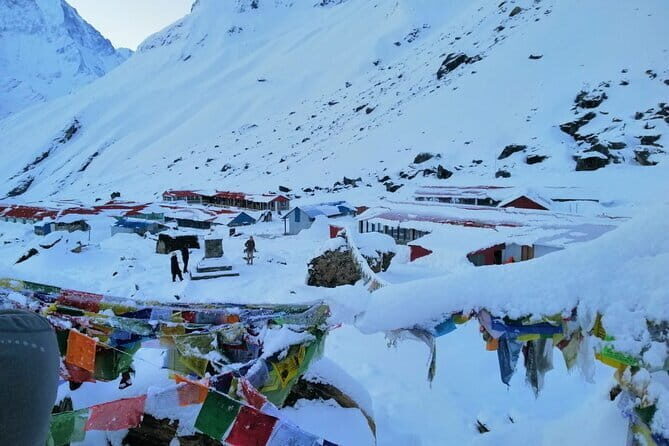
After the base-camp night, you begin the return by heading toward Bamboo. Day 7 is described as relatively easier because you’re moving downhill along the Modi River area. One of the most enjoyable parts of this schedule is the mention of sunrise over the Himalayas as you trek back. Sunrise hikes aren’t always comfortable, but they’re often why people pick the Annapurna region in the first place.
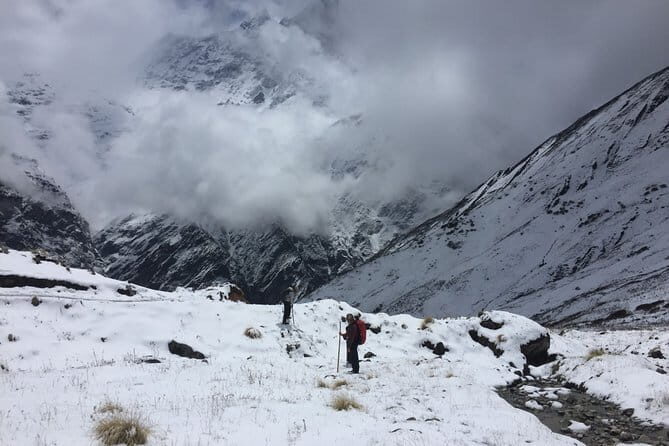
You’ll also pass through sections described as prone to avalanche, so it’s not a day for dawdling or ignoring instructions. Follow the guide’s guidance, keep together, and accept that safety beats extra photos.
The route takes you past Dovan and Deurali, through rhododendron and bamboo forest at lower elevations, and across a wooden bridge before reaching Bamboo for the night. That mix of forest and village paths can feel like a relief compared to the exposed feel near base camp, but it still demands attention on the steps.
Day 8 then retraces the route with a twist: you hike up toward Khuldighar, noted as hosting a helipad, and then continue toward Sinuwa, passing places like Tilche and Chhomrong. You’ll see steep stone steps and reach Taulung, where there’s a trail junction leading toward multiple destinations (including Landruk, Tadhapani, and Kot Danda). In other words, you’re not just walking a straight line back—you’re moving through the same human geography that makes this region work.
Finally, you reach Jhinu Danda hot spring again. I like that the hot springs appear on both the early and return side of the trek. It turns the springs from a one-time treat into a built-in recovery tool when your legs are tired and the weather can change fast.





Back to Pokhara and Kathmandu: your last views and easy sightseeing
On Day 9, the trek descends from Jhinu Danda down toward the Modi Khola valley via New Bridge and through villages and farms. This is where the scenery turns practical: river bends, terraced crops, and wide valley views start taking over from the tight climbing segments.
The route includes stone stairways, traditional houses, and wooden/suspension bridges. You’ll continue alongside the mountain presence to Nayapool, which marks the end of the main physical trekking.
From there, Day 10 shifts gears. You drive back from the Pokhara valley into Kathmandu, with about 5–6 hours of scenic road time. You arrive in Kathmandu, check into your hotel, and then have a chance to explore Kathmandu Durbar Square and the busy streets around Thamel.
This kind of wrap-up is more than sightseeing. After days of high altitude effort, a gentle cultural visit helps reset your brain. Durbar Square is a strong final stop because it gives you a sense of place in Kathmandu beyond just returning to the airport.
Price and logistics: does $906.67 feel fair for Annapurna Base Camp?
The price listed is $906.67 per person, and the itinerary is designed as an all-in package during the trek. That matters because the cost drivers on ABC aren’t just guiding—they’re also permits, food, lodging on the trail, and the gear that can be expensive if you buy everything.
Here’s what stands out as value in what’s included:
- 3 nights Hotel in Kathmandu and 2 nights Hotel in Pokhara
- All lodging and meals during the trek (B, L, D included), so you’re not nickel-and-dimed on trail days
- English-speaking trekking guide plus an assistant guide and porter support (1 porter for 2 trekkers, up to 30kg)
- Permits: TIMS card and Annapurna Conservation Area fees
- Sleeping bag and down jacket rental (so you’re not forced into last-minute gear shopping)
- First aid medical box and a farewell dinner
- VAT and company service charge included
What’s not included is also clear: Nepal visa, international flights and extra baggage, and foods in Kathmandu and Pokhara outside the trek plan. Travel insurance and rescue costs aren’t covered, and tips for guides and porters are on you.
One small planning note: this trek is often booked about 38 days in advance on average. If you want your preferred dates, that timing is a helpful clue.
With a maximum group size of 15, the trek should feel manageable—big enough for social energy, small enough to keep the pace sensible.
Should you book this Annapurna Base Camp short trek?
If you want a well-managed ABC experience without having to assemble permits, guiding, and day-by-day logistics yourself, I think this is a solid option. The combination of hot springs, a route that passes Machhapuchhare Base Camp, and a structured team with porter support is especially attractive when you’re trying to protect energy for the climb to 4,130m.
Book it if you’re comfortable with a moderate fitness level and you can follow pacing instructions. Skip it if you know you struggle with altitude and you’re looking for something truly gentle.
If your main goal is hitting Annapurna Base Camp while keeping the planning stress low, this is the kind of trek package that lets you focus on one thing: walking, breathing, and looking up.
FAQ
What is the total duration of this Annapurna Base Camp trek?
It runs for 11 days (approx.).
Where does the trek start and end?
It starts at Nepal Mountain Trekkers, Pyramid Galli, Kathmandu 44600 and ends back at the same meeting point.
Do you get picked up at the airport?
Yes. The plan includes airport pickup and drop service in Kathmandu.
What is included in the trek meals?
During the trek, breakfast, lunch, and dinner are included.
What trekking permits are included?
You get TIMS card and Annapurna Conservation Area (ACAP) fees included.
Is gear rental included?
Yes. Sleeping bags and down jackets are available for rent.
How many people are in a group?
The trek has a maximum of 15 travelers.
What level of fitness is required?
You should have a moderate physical fitness level.
Can I cancel for a full refund?
Yes. You can cancel up to 24 hours in advance for a full refund. If you cancel less than 24 hours before the start time, the amount paid isn’t refunded.