REVIEW · KATHMANDU
29-Day Rejuvenating and Life Changing Yoga class in Nepal
Book on Viator →Operated by Nepal Yoga Home · Bookable on Viator
29 days in Kathmandu can change your breathing. This month-long course at Nepal Yoga Home focuses on authentic Nepali roots plus practical training in yoga, meditation, and yogic lifestyle, not just poses. I love the way the program builds asanas from beginner to advanced with alignment help, and I also love that your days come with healthy vegetarian meals and comfortable lodging so you’re free to focus. The only real drawback: it’s a full 29-day commitment, and international airfare is not included.
You start at 7:15 am from Nepal Yoga Home in Tarkeshwor, and the rhythm is structured: asana practice, pranayama breathing work, meditation instruction, and teachings that connect the body practice to mindset. It’s also a small group setup (maximum 30), so the atmosphere stays calm instead of chaotic.
If you’re looking for a one-time wellness weekend, this may feel like a serious training block. But if you want a month where your practice has time to become a habit, this course is the kind of steady, supportive push that can stick.
In This Review
- Key Points You’ll Care About
- Nepal Yoga Home: A Calm Base in Kathmandu
- The 29-Day Structure: What Your Typical Practice Week Feels Like
- Asana Training: From First Poses to More Advanced Work
- Pranayama and Bandhas: Breathing as Actual Training
- Meditation, Shatkarma, Chakras, and Mantras: The Inner-Work Toolbox
- Yogic Relaxation: How Recovery Fits the Day
- Accommodation, Food, and Daily Comfort That Make Practice Easier
- Teachers and Staff: The Human Part of Transformation
- Price and Value: Is $1,600 Worth It for 29 Days?
- Who This Course Fits Best (and Who Might Want Another Option)
- Practical Tips Before You Go
- Should You Book Nepal Yoga Home’s 29-Day Yoga and Meditation Course?
- FAQ
- What is the duration of the yoga and meditation course?
- Where does the course start and end?
- What time does the course start each day?
- What is included in the price?
- What is not included?
- How large is the group?
- Is yoga experience required?
- Is free cancellation available?
Key Points You’ll Care About
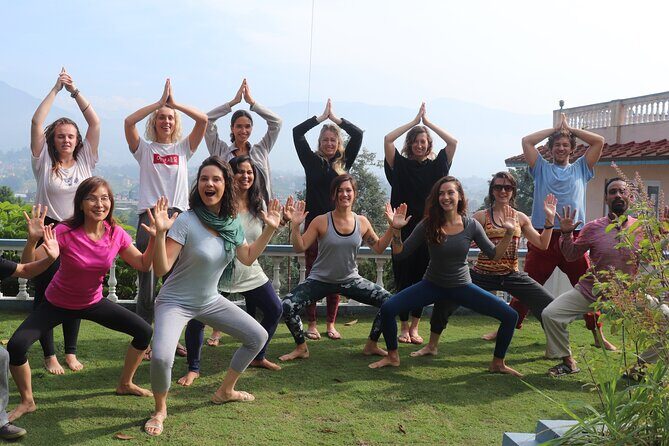
- Asana progression from beginner to advanced: you get a clear path and lots of body-checking through alignment and modulation.
- Pranayama with real technique, not vibes: breathing exercises are taught as a core life skill.
- Meditation instruction plus philosophy: you learn practices and the reasoning behind them, not just what to do.
- Shatkarma, bandhas, chakras, and mantra: the curriculum touches multiple yogic systems over the month.
- Comfy base in Kathmandu: attached bathroom, hot water, air-conditioning, and free Wi-Fi help you actually recover.
- Supportive on-site staff culture: people name specific helpers (like Sankor and Manon) and describe feeling cared for.
Nepal Yoga Home: A Calm Base in Kathmandu
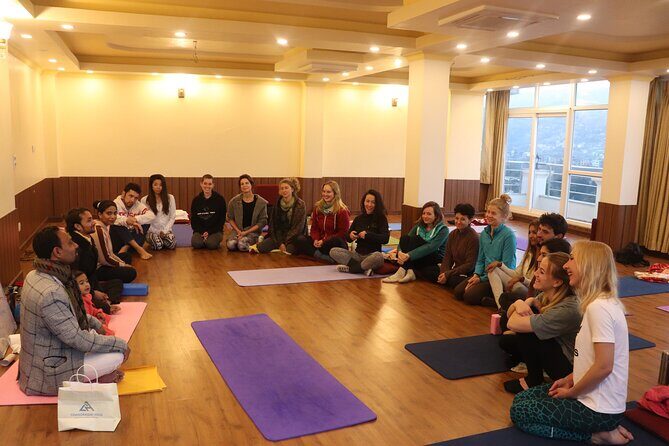
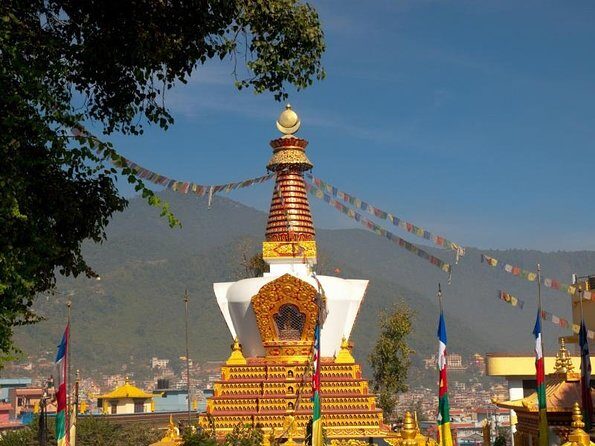
Nepal Yoga Home sits in Kathmandu with a peaceful feel that makes a month-long course easier. You’re not bouncing between hotels and day trips. Instead, you live on-site with a consistent routine, which matters for anything mental or spiritual—your brain stops treating every day like a new project.
Your room setup is simple but genuinely useful: attached bathroom, hot water, air-conditioning, and free Wi-Fi. That combination may sound basic, but when you’re practicing yoga and meditating daily, you’ll want the basics to work smoothly. It means you can cool down after practice, wash up properly, and handle emails or messages without hunting for a café.
Location-wise, you’re near public transportation. That’s handy if you want to grab something you forgot or handle a personal errand without making the course the center of your life. Still, the vibe stays “practice first,” not “tour first.”
A few more Kathmandu tours and experiences worth a look



The 29-Day Structure: What Your Typical Practice Week Feels Like
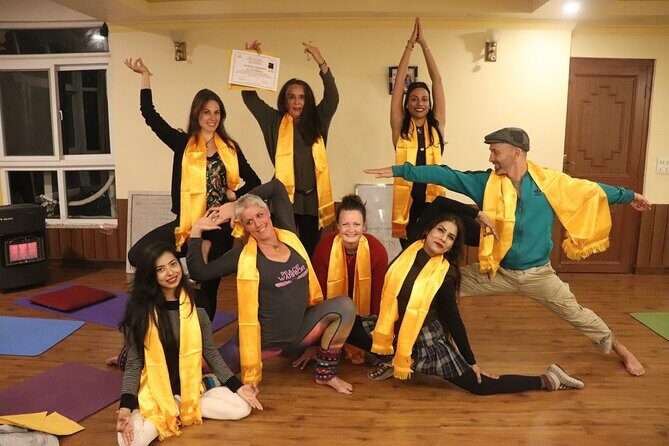
The course is designed as a month-long transformation: body health, emotional balance, mental stability, and spiritual clarity. That’s the big promise, but what makes it credible is the variety of training blocks you’re given and how they connect.
Across the 29 days, you’ll rotate through:
- Asana (postures) with level progression
- Pranayama (breathing exercises) and breath mechanics
- Meditation lessons with a systematic approach
- Yoga philosophy and yogic lifestyle concepts
- Specific yogic techniques like Shatkarma process work, bandhas, yogic relaxation, chakras, and mantra chanting
Even without a public day-by-day schedule, you can expect the learning to deepen as the month goes on. In the beginning, you’ll cover basics and fundamentals so you’re not lost. Later, the same topics show up again with more detail—alignment cues, indications, and adjustments that help you refine instead of just repeat.
If you’re the kind of person who likes structure, you’ll likely enjoy this. It’s not random stretching time. It’s a curriculum that treats breath, movement, and attention as one system.
Asana Training: From First Poses to More Advanced Work
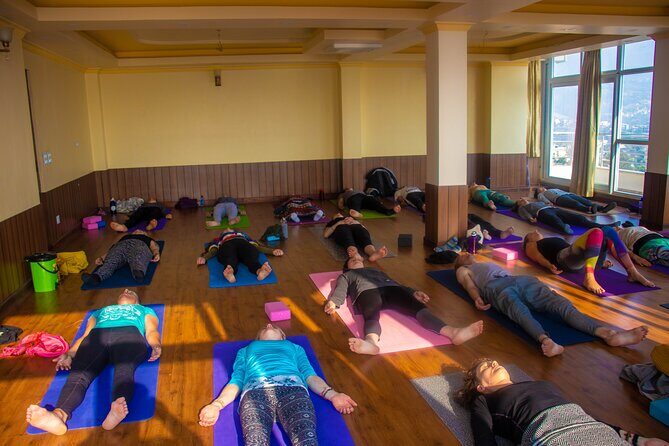
Asana is where many people start, so it’s also where the course builds credibility. You begin at a basic level with beginner-friendly poses. Then it steps up to intermediate work. Finally, you move into advanced asana practice with demonstrations, indications, and alignment adjustments—so you’re not guessing at your own form.
The course states it covers more than 84 famous and effective asanas. That matters because a month is long enough to stop thinking of yoga as a handful of favorites. You start learning a larger vocabulary of movement patterns, and that helps you build a practice you can keep going at home.
Here’s what I think you should watch for as a potential drawback: advanced training can still be challenging even if you’re given modulations. The upside is that the course includes adjustments and indication, which usually means teachers can help you find safe variations. The trade-off is that you’re signing up for a full training schedule, not just gentle stretching.
Pranayama and Bandhas: Breathing as Actual Training
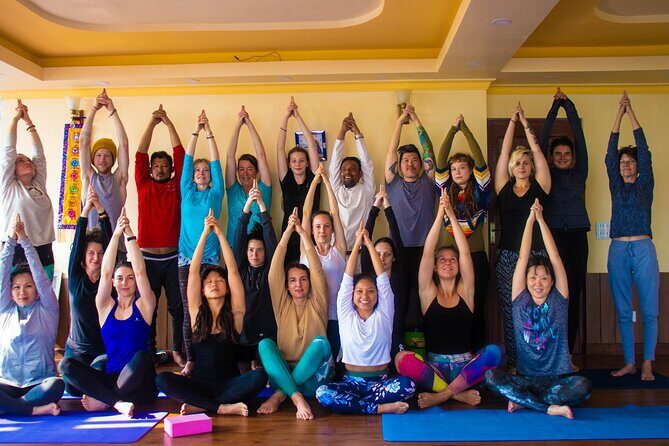
Pranayama isn’t presented as mystical. It’s taught as skill. The course frames breathing as the only way to supply oxygen to the body’s organs—vital for survival. That may sound obvious, but in practice it becomes a reminder: your breath isn’t automatic when you’re stressed, and it isn’t just about deep inhaling. You learn control, rhythm, and technique.
You’ll also practice bandhas (energy locks), including:
- throat lock
- abdominal lock
- root lock
- great lock
You don’t need to already know these terms to benefit. Over a month, you can learn the purpose and the sensation-based cues. The value of bandhas in a beginner-to-intermediate experience is that they train coordination. Breath becomes more focused, and attention gets pulled into the body instead of floating elsewhere.
If you’re prone to anxiety or racing thoughts, pranayama can be a strong tool—assuming it’s taught at your level. The key consideration is intensity: breath practice can feel powerful fast. Good instruction helps you keep it steady and safe.
Meditation, Shatkarma, Chakras, and Mantras: The Inner-Work Toolbox
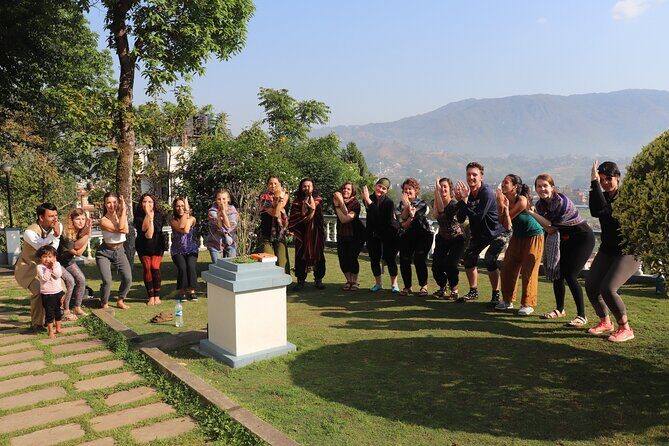
Meditation is taught in depth, with a systematic approach aimed at releasing stress and increasing awareness. The course also includes topics like introduction, origin, and history of yoga; consciousness and yoga; and yogic cleansing techniques, including the sixth process of Shatkarma.
It also covers:
- Chakra system concepts
- Mantra chanting
This is where the month starts to feel more like education than entertainment. Yoga isn’t just exercise. The curriculum treats it as a model for understanding mind and attention. Learning the chakra system and mantra chanting gives you frameworks you can reflect on during quiet moments, not only during class.
One practical thing: if you’re sensitive to spiritual concepts, you’ll still get value because the techniques are presented as practices with method. The historical and philosophical parts help you understand why you’re doing what you’re doing, which makes it easier to keep practicing later without losing motivation.





Yogic Relaxation: How Recovery Fits the Day
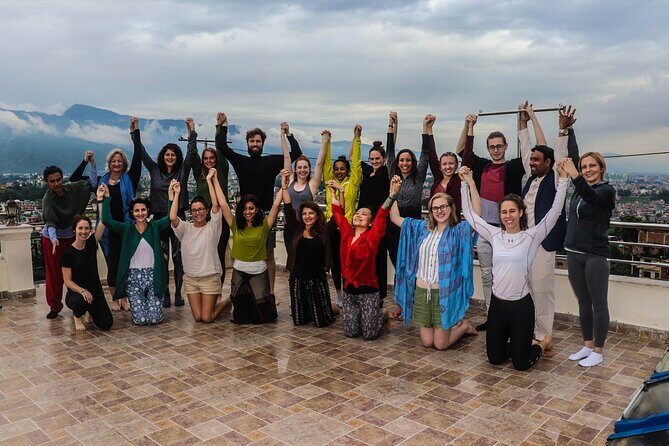
Yoga days can become tiring if relaxation is skipped. That’s why I like that the program includes systematic yogic relaxation. The method targets mental, physical, and emotional relaxation while maintaining awareness at deeper levels.
In normal life, “rest” often turns into scrolling or napping with guilt. Yogic relaxation is different because it trains a calm kind of awareness. Over 29 days, that can make the other training feel sustainable. You don’t just push through postures and breathing; you learn how to come down from them.
This is also where your emotional balance can shift. When relaxation is structured, your body learns it’s safe to downshift. That’s a big deal if you’re carrying chronic stress.
Accommodation, Food, and Daily Comfort That Make Practice Easier
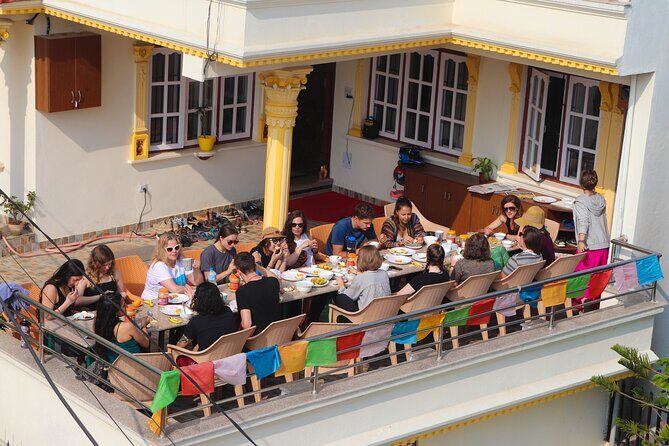
A month retreat lives or dies on daily comfort. Nepal Yoga Home provides lodging and meals in a way that reduces friction.
Meals are included: breakfast, lunch, and dinner. The food is described as healthy and vegetarian, and people specifically praise the freshness and the idea that vegetables can taste genuinely good. I also see a theme around sattvik delicacies, meaning the meals support a calm, clear, light feeling rather than a heavy, greasy one.
You’ll also appreciate the attached-bathroom setup and hot water. After daily asana and meditation, you want recovery to be easy. Air-conditioning helps on warmer days. Free Wi-Fi is a nice safety net when you need to handle personal stuff without disrupting your routine.
About Ayurveda: some guests mention that Ayurveda treatment was wonderful and done by professionals. The details of what’s available and whether it’s included aren’t stated in the main list you provided, so treat it as something to ask about directly when you book. But it’s a promising extra angle if you want bodywork alongside yoga.
Teachers and Staff: The Human Part of Transformation
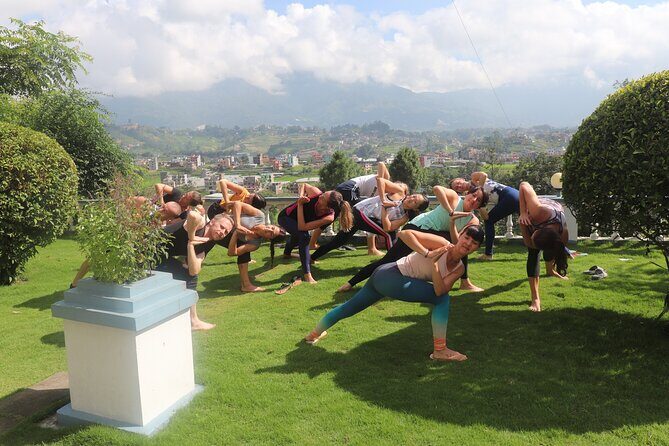
The teaching quality is a major part of why this course gets such strong results. People describe the teachers as caring, professional, and skilled at guiding learning. They also talk about feeling like they were part of a family, with staff always ready to help.
I noticed specific staff names in the feedback—Sankor and Manon—and that’s a good sign. When people can name real helpers, it usually means support was visible, not distant. Another name that comes up is Santi, mentioned by name in one experience account.
Why that matters for you: for a 29-day course, logistics and encouragement are not side dishes. They affect whether you show up, whether you ask questions, and whether you adjust when a pose or breath technique doesn’t feel right.
The best part isn’t that the staff is friendly. It’s that they’re described as attentive and responsive, which makes the learning process feel safer.
Price and Value: Is $1,600 Worth It for 29 Days?
At $1,600 per person for about 29 days, you’re roughly looking at about $55 a day before you factor in any international airfare. That sounds like a lot if you compare it to local yoga classes—but it’s not the same thing.
You’re paying for:
- on-site accommodation with attached bathroom, hot water, and air-conditioning
- all course fees and taxes
- three included meals daily (breakfast, lunch, dinner)
- instruction across asana, pranayama, meditation, philosophy, and specific yogic techniques
- a training environment that keeps you away from constant travel planning
Value is also about what you can actually apply at home. A month is long enough to learn a system and practice it enough to start internalizing it. Short retreats can feel inspiring but leave you with less structure for daily life. Here, you’re given a longer runway.
One caution: you must budget for air fare separately. Also, laundry isn’t included. Neither of those surprises are big. The surprise would be expecting the price to include everything, like international transportation and personal shopping.
If you’re the kind of traveler who hates “nickel and diming,” this package approach—lodging, meals, and instruction bundled—will feel tidy.
Who This Course Fits Best (and Who Might Want Another Option)
This retreat is best for you if:
- you want a month-long practice plan, not a few days of inspiration
- you’re open to structured meditation and breath training
- you want authentic yoga instruction with philosophy and yogic lifestyle elements
- you like the idea of learning techniques you can use at home (asanas, pranayama, meditation method)
It might be less ideal if:
- you need a fully guided sightseeing-heavy itinerary (this is practice-focused)
- you’re expecting a relaxing spa week only—there is training, and you’ll be doing the work
- you’re new to yoga and want only casual movement with no technique details (the course does offer beginner levels, but it’s still a curriculum)
Also, think about your expectations around emotional healing. Some people describe major changes like cleansing or help with anxiety. Yoga and meditation can be supportive tools, but they’re not a medical treatment. If you have mental health or medical concerns, it’s smart to talk with a professional and bring a cautious mindset to any breath or meditation technique.
Practical Tips Before You Go
These are the things that help you get the most out of a course like this:
- Bring comfortable practice clothes you can wash easily. You’re training most days, so you’ll want breathable fabrics.
- Plan for consistency. The course starts at 7:15 am, so your body clock needs to cooperate.
- Keep a simple notebook. Even short notes after meditation or pranayama can help you remember what to practice later.
- Ask about Ayurveda offerings if that part interests you. The information you provided doesn’t confirm what’s included, but the on-site mention is strong enough to be worth checking.
If you show up ready to learn and keep your ego small (alignment counts more than pride), the month can be genuinely transformative.
Should You Book Nepal Yoga Home’s 29-Day Yoga and Meditation Course?
I think you should book if you want a real training month: asana progression, pranayama skill-building, meditation instruction, and yogic philosophy connected into daily life. The combination of comfortable lodging, included vegetarian meals, and a supportive on-site team makes the experience easier to sustain for 29 days—exactly what you need for lasting change.
I’d think twice if you only want a casual vacation from stress. This isn’t a short reset. It’s a structured practice course that asks for commitment, early starts, and active learning. Budget for airfare and accept that laundry and personal expenses are on you.
If your goal is inner clarity you can carry home—not just a memorable trip—this is the kind of month that can actually change your baseline.
FAQ
What is the duration of the yoga and meditation course?
The course runs for about 29 days.
Where does the course start and end?
It starts at Nepal Yoga Home, Tarkeshwor-5, Kathmandu 44600, Nepal, and ends back at the same meeting point.
What time does the course start each day?
The start time is listed as 7:15 am.
What is included in the price?
Accommodation with attached bathroom, air conditioner, hot water, and free Wi-Fi; all fees and taxes; and breakfast, lunch, and dinner are included.
What is not included?
Domestic and international airfare, food of your personal interest, and laundry are not included.
How large is the group?
The maximum group size is 30 travelers.
Is yoga experience required?
Most travelers can participate, and the asana training starts from a basic level and progresses through intermediate and advanced.
Is free cancellation available?
Yes. You can cancel up to 24 hours in advance for a full refund.