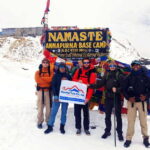
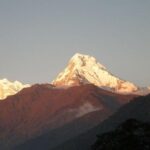
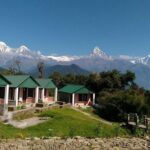
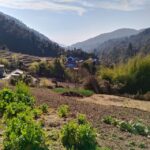
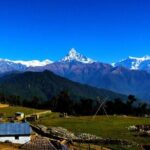
Throng La is the main event here. What I like most is the high-pass goal at 5,416 m and the fact you’re not doing it alone: you get an English-speaking trekking guide and support that helps you stay steady day to day. One thing to consider first: meals and drinks aren’t included, so you’ll budget for food once you’re on the trail.
This is a true nature trek, built around villages, guesthouses, and a route that loops the Annapurna mountain range. If your group is lucky with a guide like Bikram, Prakash, or Krishna (names that have come up with earlier trekkers), you’ll likely feel calm and well cared for on the tough parts. You should still expect a serious hike: strong fitness helps a lot.
In This Review
- Key Highlights You’ll Care About
- Why the Annapurna Circuit from Pokhara Feels Like a Real Achievement
- Day-by-Day: What Each Part Gives You (and What to Watch)
- Day 1: Buses Out, Then Your First Walking Day
- Day 2: Jagat and the Village Pace
- Day 3: Toward Dharapani Through Villages
- Day 4: Chame Views and Big-Mountain Sightlines
- Day 5: Pisang and Another Step Into the Middle Segment
- Day 6: Manang Country and Snow-Capped Mountain Views
- Day 7: Acclimatize in Manang + Bhojo Gompa
- Day 8: Yak Kharka and More Open Aerial Views
- Day 9: Thorong Phedi / Thorong La Road Day Before the Pass
- Day 10: Thorong La (5,416 m) to Muktinath (3,800 m)
- Day 11: Descend to Jomsom and Explore the Village Life
- Day 12: Return to Pokhara and Hotel Transfer
- Price and Value: What Your $718.77 Includes (and What It Doesn’t)
- Guides Matter: English Support and Real Confidence on Tough Days
- Guesthouses, Transport Links, and How the “Support” Really Works
- Fitness Reality Check: Who This Trek Suits
- Practical Tips for Getting the Most Out of It
- Should You Book This 12 Days Annapurna Circuit Trek?
- FAQ
- How long is the Annapurna Circuit trek from Pokhara?
- What’s the highest point on the trek?
- Is pickup offered from Pokhara?
- Are trekking permits and TIMS included?
- Is accommodation included during the trek?
- Are meals and drinks included in the price?
- How does the tour end?
Key Highlights You’ll Care About
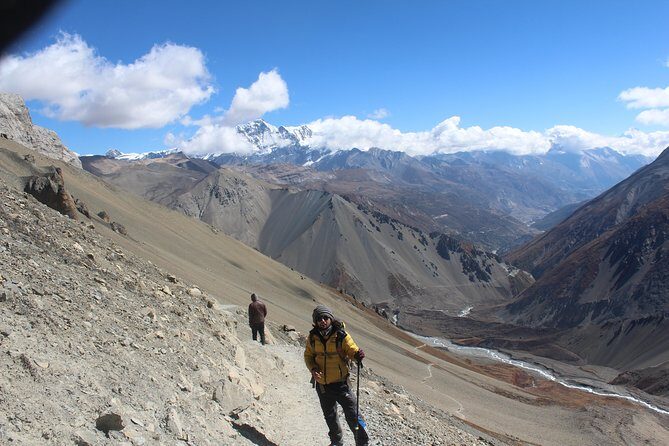
- Crossing Throng La (5,416 m) with an early start from Thorong Phedi, then descending toward Muktinath
- Acclimatization in Manang, including a short climb higher to help your body adjust
- Village-to-village trekking rhythm, moving through Besisahar, Jagat, Dharapani, Chame, Pisang, and beyond
- Permits handled for you with TIMS and trekking permits included
- Guesthouse accommodation on the trek, plus an English-speaking guide and covered transport links
Why the Annapurna Circuit from Pokhara Feels Like a Real Achievement
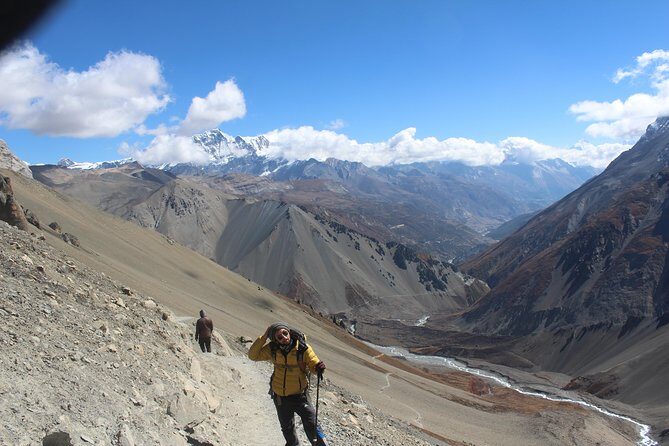
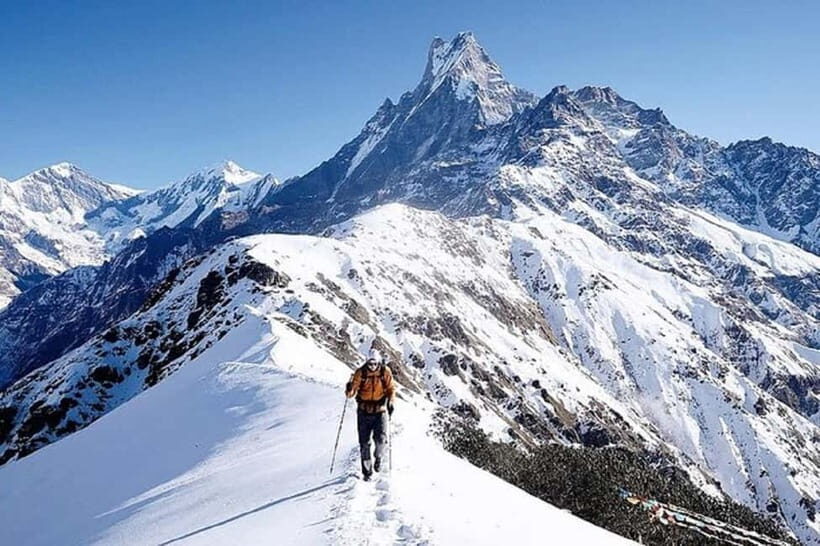
There’s a reason people talk about the Annapurna Circuit as a life-check hike. You’re not just passing one viewpoint; you’re working through a whole mountain-world, and the route naturally builds toward that big signature day. The headline is Throng La at 5,416 meters, but what makes it special is that the trek plans in the surrounding days that get you there with less guesswork.
I also like that this trek is structured for real humans, not just GPS ghosts. You have a guide, guesthouse nights, and transport out of Pokhara into the trekking zone. Even the day-to-day plan keeps you moving forward in manageable blocks—enough walking time to feel accomplished, without turning the whole trek into one endless grind.
One practical consideration: because meals and drinks aren’t included, your budget and energy strategy matter. You’ll want to know your own eating habits and carry a plan for snacks and hydration so you don’t end up stressed about money or timing on an altitude day.
You can also read our reviews of more hiking tours in Pokhara
Day-by-Day: What Each Part Gives You (and What to Watch)
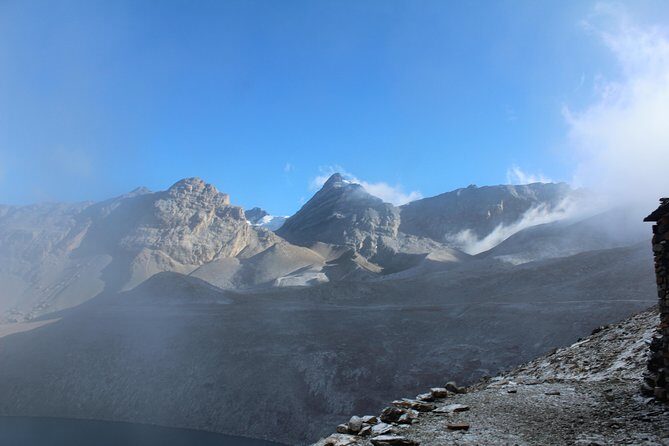
Below is the trekking arc as it’s laid out from Pokhara, with the same logic you’d use if you were planning it yourself: set a pace early, adjust in the middle, and protect energy for the high pass.
Day 1: Buses Out, Then Your First Walking Day
You start early, with a 6:15 am bus ride from Pokhara toward Beshishahar, then begin trekking for about 6 hours toward the next trail stop (the plan notes Chame Sadak, with Nadi also mentioned in the route description). This is your warm-up day in the best sense: you’ll wake up, move, and get used to the trail rhythm.
What to like here is that you’re already “in trekking mode” by late morning. The drawback is also simple: if you’re not used to early starts, Day 1 can feel like it comes fast. Take it easy with the first climb, and keep your breathing calm.
Day 2: Jagat and the Village Pace
Today continues the trek to Jagat for about 5 hours. This kind of day matters more than it sounds. It’s where your body learns the pattern—walk, pause, breathe, repeat—while you get used to altitude that’s gradually rising.
A potential drawback: even when hiking hours look moderate, trails can feel longer when you’re adjusting. Keep your effort steady rather than trying to “win” the day.
Day 3: Toward Dharapani Through Villages
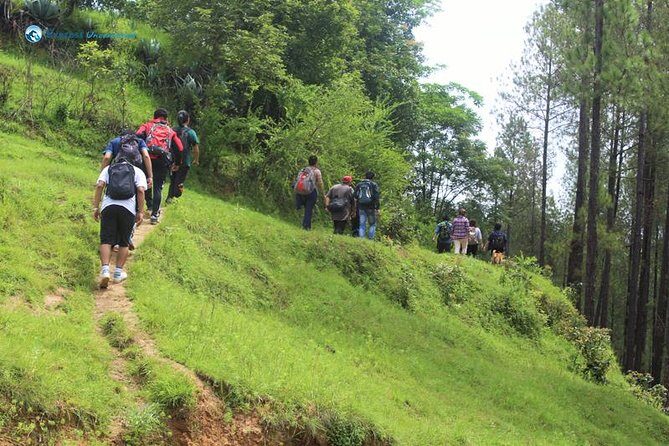
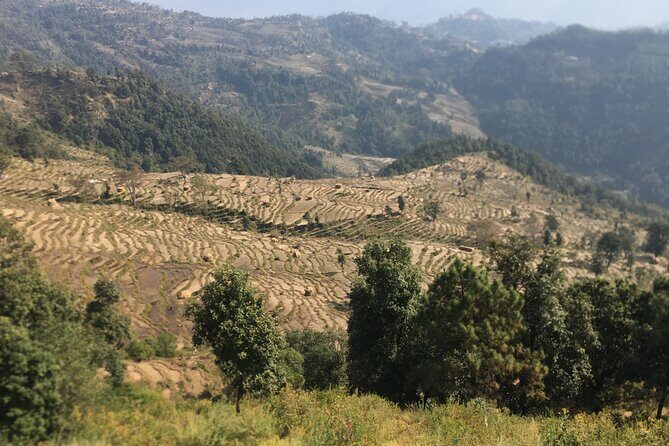
Trek continues toward Dharapani, with about 7 hours on the move. The plan highlights villages and scenery, and that village-to-village feel is a big part of why the Circuit works. You’re not only chasing views; you’re seeing how people live along the route.
Watch-outs: a 7-hour day is the kind where you should start hydrating early. If you wait until you feel thirsty, you’ll feel it later, especially as the climb builds.

Day 4: Chame Views and Big-Mountain Sightlines
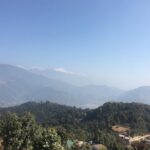
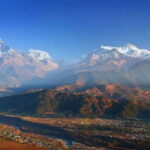
You reach Chame after about 6 hours. This day is specifically described as a view day, with sights of Lamjung Himal, Annapurna II, and Annapurna IV. Even if clouds play games, the fact that the route is framed around major peaks means you’re more likely to get the kind of wide sightlines people dream about.
Possible consideration: view days can also mean cold mornings and breezy afternoons. Plan for that with layers and a dry layer strategy if you tend to get chilled on breaks.
Day 5: Pisang and Another Step Into the Middle Segment
Today takes you to Pisang after around 6 hours of trekking. Pisang is part of the Circuit’s “middle build,” when you’re still getting steady progress but also starting to feel the effort more clearly than at the start.
If you like routine, this day will suit you. If you dislike repetitive uphill days, keep your pacing gentle and focus on small wins: one pass of the path at a time.
Day 6: Manang Country and Snow-Capped Mountain Views
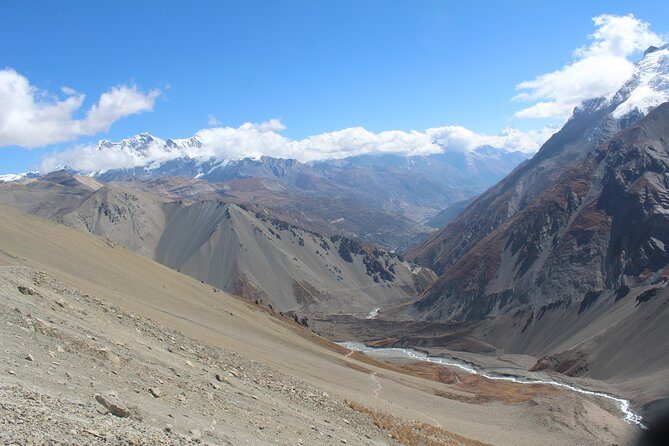
You trek to Manang in about 6 hours, with the route calling out amazing views of snow-capped mountains on the way. Reaching Manang is a morale moment. You’re higher than you started, the terrain feels more alpine, and the mountains look closer.
A consideration: once you get into higher zones, the air can feel thinner even before you hit the pass. That doesn’t mean you stop; it means you slow down and walk like you’re preserving energy.
Day 7: Acclimatize in Manang + Bhojo Gompa
This is your acclimatization day, with a short walk to higher altitudes plus a visit to Bhojo Gompa. The plan keeps it to about 3 hours, which is exactly what you want on a trek like this. Acclimatization works best when it’s not a second “hard day” piled on top of your normal walking.
What to like: this is the day where you can absorb the mountain changes without destroying your legs. The drawback: some people feel restless on a shorter day. Use the time to hydrate, rest, and take it seriously.
Day 8: Yak Kharka and More Open Aerial Views
You head to Yak Kharka in about 4 hours, with the description emphasizing more aerial views and an ongoing uphill trek. By now, you should feel like you’re transitioning from valley hiking to higher-altitude mountain trekking.
Practical note: shorter hours don’t mean easier hiking. Wind, cold, and thinner air can make every step feel bigger. Keep your breathing smooth.
Day 9: Thorong Phedi / Thorong La Road Day Before the Pass
You move to the Thorong Phedi–Thorong La Road area after about 4 hours. This is the day that sets you up for the signature crossing. The plan is direct: you’re reaching the higher ground the day before you cross.
What to like: arriving early enough the day before gives you time to sleep, sort gear, and be ready for the long day ahead. What to watch: energy management. Treat this day like the pregame, not the finale.
Day 10: Thorong La (5,416 m) to Muktinath (3,800 m)
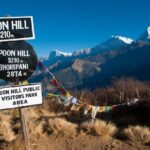
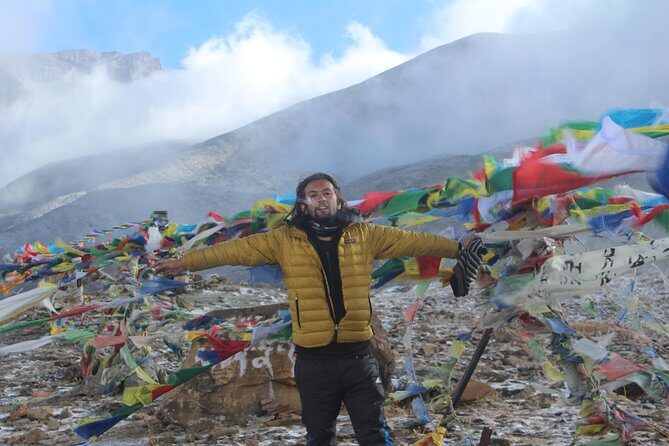
This is the big one: trek from Thorong Phedi to Thorong La at 5,416 meters, starting early, then descend to Muktinath at 3,800 meters. Total trekking time is listed around 8 hours.
Here’s what matters for your expectations. You’re crossing a famous high pass, so you’ll want calm focus: early start, steady movement, and no hero pacing. The payoff is that you also get the emotional shift of descending to Muktinath afterward, which can feel like your body exhaling once the hardest climbing is behind you.
One key consideration: this day can feel long even if you’re fit. The combination of altitude and distance makes it mentally demanding. Having an experienced English-speaking guide along helps people navigate the pace and decision-making.
Day 11: Descend to Jomsom and Explore the Village Life
You trek down to Jomsom in about 5 hours, then explore the village and nearby places. This is where the trek starts to turn into a travel day again. Instead of another steep push, you get a more human pace: wander, observe, and let your legs recover.
Practical watch-out: after a high pass day, your body might still feel heavy. Keep your exploring light and enjoy the village without turning it into more “training.”
Day 12: Return to Pokhara and Hotel Transfer
On the final day, you take a morning bus drive back to Pokhara. The ride is listed at about 8 hours, and you’re transferred to your hotel on arrival. This is the normal ending rhythm for a trek from the Annapurna region: one last long transfer, then a proper bed.
If you like to decompress slowly, plan to keep your afternoon easy. You’ll likely want a shower, a snack, and an unplanned nap that lasts longer than you intend.
Price and Value: What Your $718.77 Includes (and What It Doesn’t)
The listed price is $718.77 per person for an approx 12-day trek from Pokhara. To judge value, look at what’s bundled:
Included in the experience:
- Trekking permits and TIMS
- English-speaking trekking guide
- Guesthouse accommodation during the trek
- Transport by sharing bus from and to trekking points
- Hotel shuttle service in a private car
- Private trip (your group only)
Not included:
- All meals and drinks
- Rescue cost in an emergency
- Gratitude (optional)
That mix makes sense for hikers who want support without paying for every bite. If meals were included, you’d pay for them one way or another. Here, you control what you eat. The tradeoff is budgeting: you’ll need to plan for food and fluids daily.
Also, the trek’s included transport and permits are the kind of costs that can add up fast if you plan on your own. Having them handled can save you time and stress when you’d rather focus on training and enjoying the walk.
Guides Matter: English Support and Real Confidence on Tough Days
This is one of those treks where the guide isn’t just a bonus. A good guide helps you keep a steady pace, read changing conditions, and make the hard day feel more manageable.
Earlier groups tied to this trek talked about guides like Bikram (described as patient and experienced, with more than 20 years in the role), Prakash (praised for explaining both Himalayas and culture while caring for hikers through the route), and Krishna (mentioned with strong recommendations for care and support). While you can’t guarantee a specific name, the key point is consistent: the guide experience is a major reason this trek stays comfortable even when altitude ramps up.
If you’re the kind of person who worries about pacing on big days, an English-speaking guide can help you stay calm and practical. You’ll have someone to ask, someone who can explain what you’re seeing, and someone who’s used to helping hikers get through the tough sections safely.
Guesthouses, Transport Links, and How the “Support” Really Works
You’re not sleeping in tents on this route. Guesthouse accommodation is included, which usually means simpler logistics: you’re not responsible for carrying everything to set up camp. That can make a big difference over 12 days.
You also get covered transport at both ends:
- a private hotel shuttle in Pokhara,
- plus sharing bus transport in and out of the trekking zone.
This matters because it removes a lot of friction. You’re already tired from travel and walking; you don’t need extra time spent negotiating rides or sorting paperwork at the last moment.
A possible consideration: because it’s a private trip for your group, the vibe is controlled. That can be a plus if you prefer your own pace. It can also mean you won’t get the “join a random group” energy some people like. Decide which style fits you best.
Fitness Reality Check: Who This Trek Suits
This trek is listed for people with strong physical fitness. That’s not marketing talk. You’re walking multiple days with long stretches—up to around 7 hours on some days, then 8 hours on the pass day.
If you’re a confident hiker who can handle consistent uphill and cold mornings, you’ll likely enjoy the experience for what it is: a long, steady challenge with a big payoff at Throng La.
If you’re new to altitude hiking, be cautious. The trek includes an acclimatization day in Manang, but altitude is still altitude. You’ll want to be realistic about your endurance and recovery.
Practical Tips for Getting the Most Out of It
Because meals and drinks aren’t included, plan to eat regularly. On longer days, don’t wait for a dramatic hunger moment. Small, steady meals usually work better than trying to catch up later.
For the high pass day, think like an early-morning person, not a night-owl. The plan specifically notes an early start from Thorong Phedi to cross Throng La. If you tend to scramble in the morning, practice a calm routine at home so you can replicate it on the trail.
Finally, pack for temperature shifts. You’ll likely go from lower areas into colder high elevations. Layers are your friend, and quick-dry items help when weather changes fast.
Should You Book This 12 Days Annapurna Circuit Trek?
I’d recommend booking if you want a supported, structured Circuit with permits, guide, guesthouses, and transport handled—so you can focus on walking and enjoying the Annapurna mountain range loop.
Don’t book if your plan depends on having meals included in the price, or if you’re looking for a very gentle trek with minimal walking hours. This is built for fit hikers and a serious high-pass goal.
If you’re aiming for a real personal milestone and you value a guide who can keep you steady (the names Bikram, Prakash, and Krishna have shown up in earlier guiding experiences), this trek is a strong choice.
FAQ
How long is the Annapurna Circuit trek from Pokhara?
It’s scheduled for about 12 days.
What’s the highest point on the trek?
The itinerary highlights Throng La at 5,416 meters.
Is pickup offered from Pokhara?
The experience includes pickup/transport support, including a hotel shuttle service in a private car plus sharing bus transport to and from the trekking points.
Are trekking permits and TIMS included?
Yes. Trekking permit and TIMS are included.
Is accommodation included during the trek?
Yes. You’ll stay in guest houses as part of the experience.
Are meals and drinks included in the price?
No. All meals and drinks are not included.
How does the tour end?
You take a morning bus back to Pokhara (about 8 hours) and then get transferred to your hotel.