REVIEW · POKHARA
Nepal: Time For Easy Annapurna Base Camp Trek
Book on GetYourGuide →Operated by Travel Guides · Bookable on GetYourGuide
Calling it easy is half the story. This 5-day Annapurna Base Camp trek is built for quick access to serious views of Annapurna I, Annapurna South, Machhapuchhre (Fishtail), and even Dhaulagiri, while staying in a supported rhythm with an English-speaking guide and permits handled for you. I especially like the way the route mixes villages, rhododendron forest, and rocky trail without turning it into a weeks-long commitment. One caution: the word easy can be misleading on the ground, and you still need solid fitness and altitude savvy.
The payoff is a compact trek that gets you to base camp around 4,130 meters, then brings you back down with a practical “walk, eat, rest, repeat” setup. If you want the Annapurna Base Camp experience but don’t have the time for a longer trek, this shorter format is a strong choice—just don’t treat it like a stroll.
In This Review
- Key Highlights Worth Getting Excited About
- Annapurna Base Camp in 5 Days: Why This Short Format Works
- Day 1: Pokhara to Jhinu, Then Lower Sinuwa at 2,300 m
- Day 2: Lower Sinuwa to Deurali (3,200 m) With Real Climbing
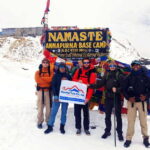
- Day 3: To Annapurna Base Camp via Machhapuchhre Base Camp (4,130 m)
- Day 4: Explore Base Camp, Then Trek to Bamboo at 2,400 m
- Day 5: Bamboo to Jhinu, Plus Hot Spring Stop, Then Back to Pokhara
- Guides and Support: English Help, Safety, and Good Pacing
- Is This Trek Really Easy? Fitness and Altitude Reality
- The Mountain Views You’re Paying For (And Why They Matter)
- Food, Lodges, and Staying Warm at Altitude
- Price and Value: What $180 Covers (and What Costs Extra)
- What to Bring for a Comfortable (Not Miserable) Trek
- Who Should Book This 5-Day ABC Trek?
- Should You Book? My Decision Guide
- FAQ
- How long is the Annapurna Base Camp trek?
- What’s included in the price?
- Are meals included?
- Do I need a porter?
- What languages are the guides available in?
- What altitude does the trek reach?
- Where do I meet the guide?
- Is this trek suitable for anyone with altitude sickness?
Key Highlights Worth Getting Excited About
- Big-name peaks up close: Annapurna I, Annapurna South, Fishtail, and Dhaulagiri
- A supported, guided experience with permits, first aid, and an English-speaking trekking guide
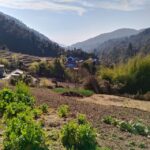
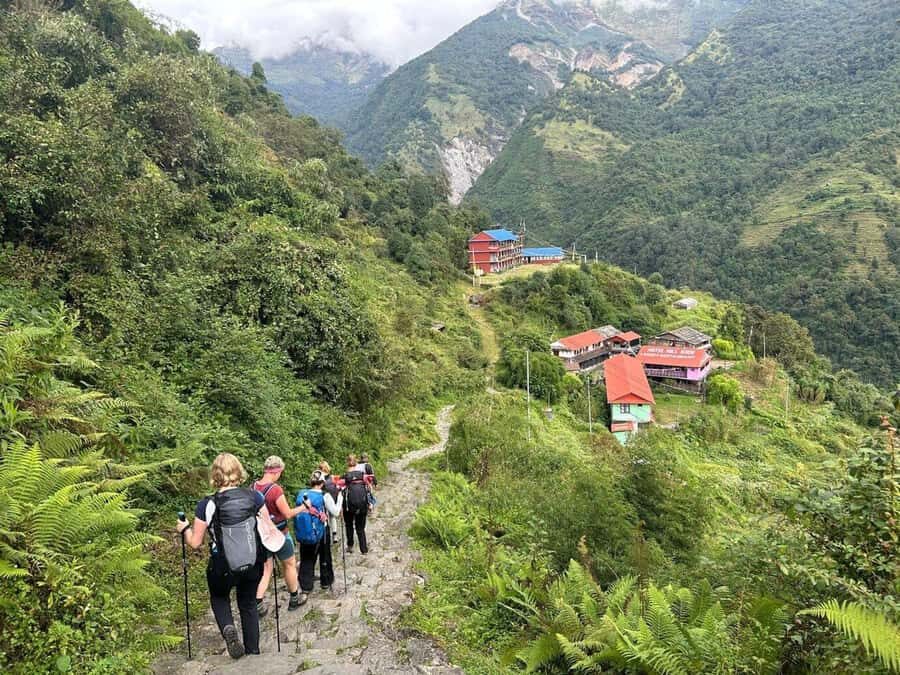
- Trail variety: rhododendron forest, terraced fields, and rocky sections
- Guides who manage pacing and safety, including caring support from guides like Sagar and Arjun
- Optional porter help if you want less weight on your back (often worth it)
Annapurna Base Camp in 5 Days: Why This Short Format Works
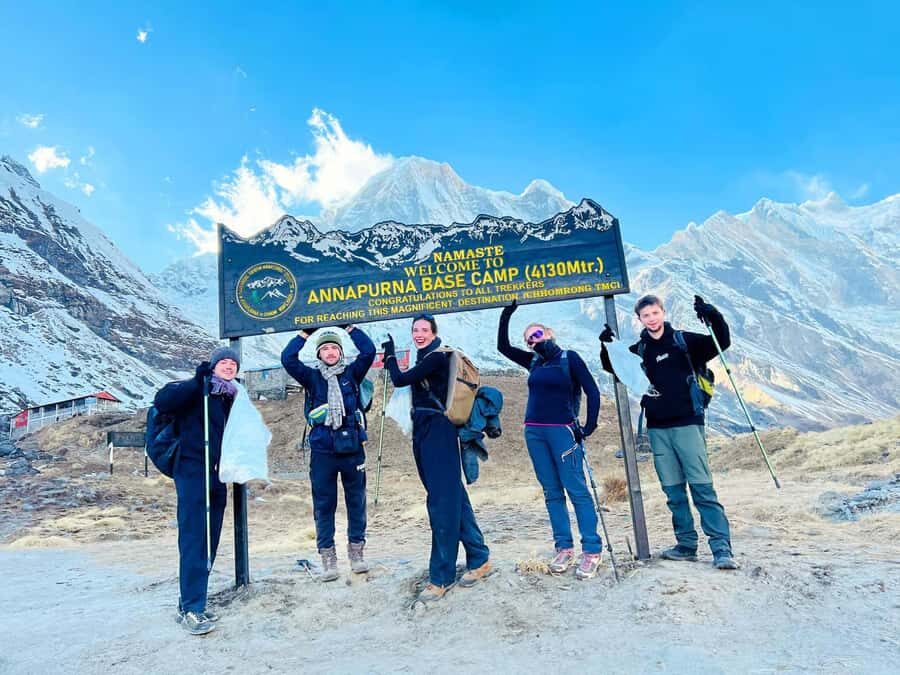
Annapurna Base Camp is one of Nepal’s most famous trekking goals, and the good reason is simple: you get surrounded by serious mountains without needing technical climbing. This 5-day version is designed to compress that experience into a faster, more efficient loop starting from Pokhara.
The value here is in the setup. Permits and fees are handled. You get a trekking guide, plus first aid support and lodging during the trek when available. For many people, that means fewer planning headaches and more focus on walking and enjoying the scenery.
Just remember the tradeoff of short trekking. You’re moving through higher elevations on a tighter schedule, so you need to be realistic about effort, breath, and your body’s response to altitude.
You can also read our reviews of more hiking tours in Pokhara
Day 1: Pokhara to Jhinu, Then Lower Sinuwa at 2,300 m
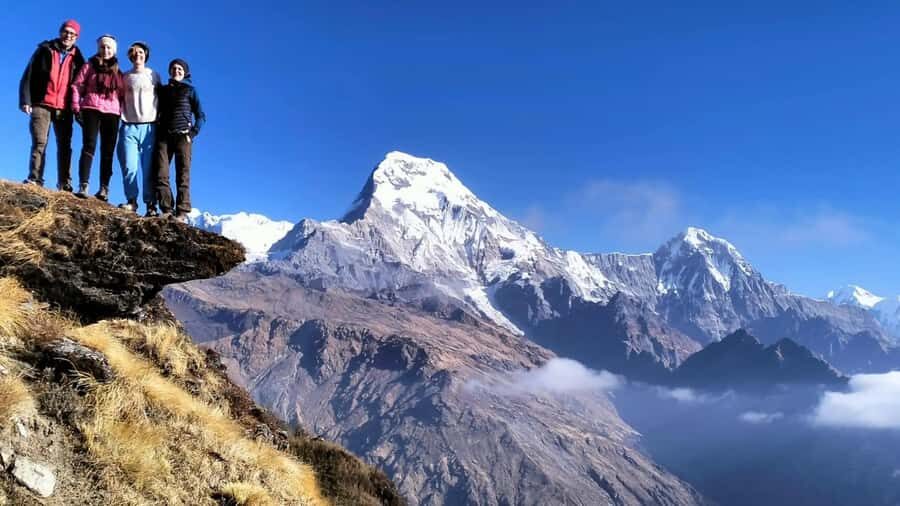
Your trek starts with the transfer out of Pokhara toward Jhinu, then you begin walking to Lower Sinuwa. Day 1 is listed at about 5 hours, ending around 2,300 meters, which makes it a good first “settle in” day rather than a sprint.
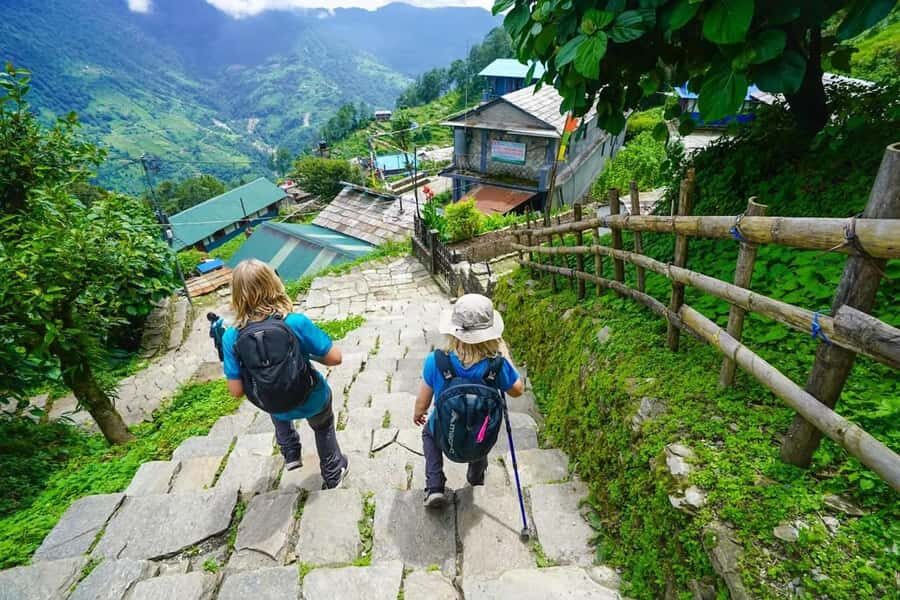
Lower Sinuwa also gives you early texture on the route. You’ll see the kind of stone-and-stair trekking that becomes normal in the Annapurna region, plus hints of local village life along the way. It’s the day to focus on rhythm: small steps, consistent pace, and drinking water before you feel thirsty.
A practical tip for day 1: wear your most comfortable trail shoes and keep your pack weight sensible. You’re not just walking distance—you’re adjusting to how your legs handle altitude.
Day 2: Lower Sinuwa to Deurali (3,200 m) With Real Climbing
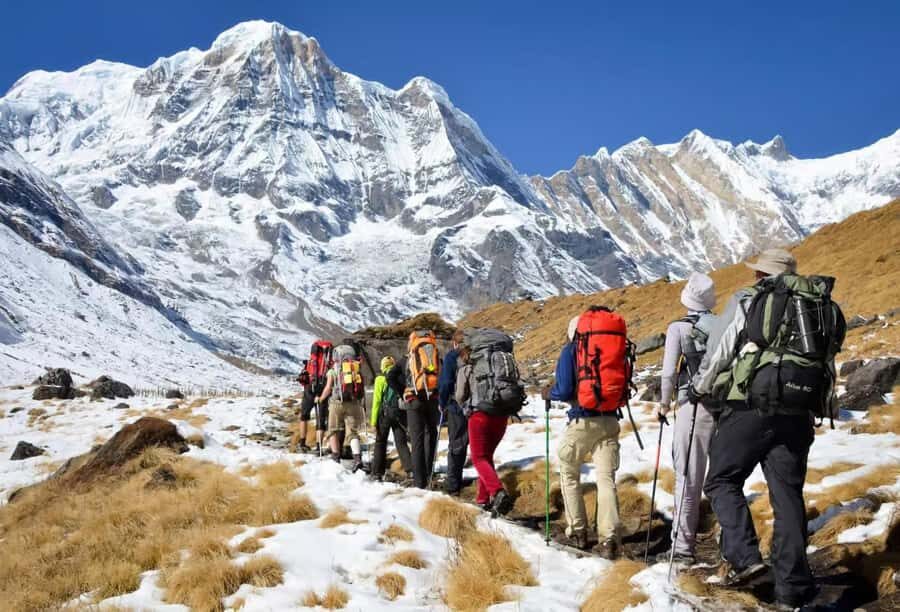
Day 2 climbs to Deurali at around 3,200 meters. It’s listed around 6 hours, and this is where the trek starts to feel like a mountain trek instead of a scenic walk.
What I like about this day is the mix of terrain you typically get as you go higher. Expect forested sections (rhododendron is part of the region’s character on this route), plus stretches that feel rockier as elevation increases. Those changes matter because your pace changes too—what felt easy on level ground doesn’t stay easy once the air thins and the trail tilts.
This is also a good day to practice your acclimatization habits even if you can’t “slow down forever.” Stay hydrated, take breaks when your guide suggests them, and don’t chase speed for the sake of it.
Day 3: To Annapurna Base Camp via Machhapuchhre Base Camp (4,130 m)
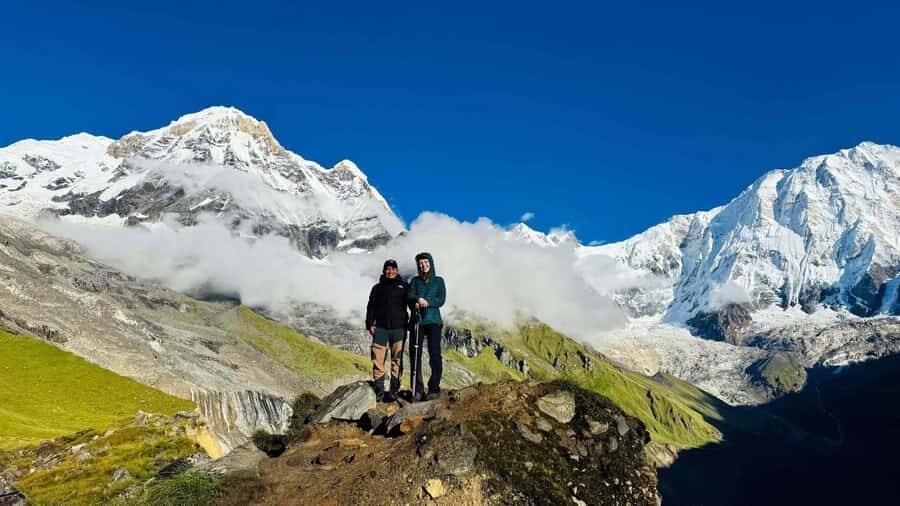
Day 3 is the big one: Deurali up to Annapurna Base Camp, passing through Machhapuchhre Base Camp, with an altitude peak around 4,130 meters. It’s listed at about 4 hours, but don’t let the time number fool you—higher altitudes can make every step feel louder.
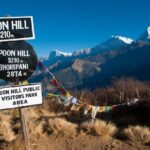
This is also where the trek earns its fame. You’re heading into the Annapurna region’s “wow” zone, with views that can include Annapurna South, Annapurna I, Hiunchuli, and Machhapuchhre (Fishtail). Depending on weather, visibility can be hit-or-miss in any Himalaya trek, so go in with flexible expectations and treat every clearing as a gift.
One more reality check: this is the day where vertigo can become an issue for some people, even if you’re not afraid of heights in everyday life. If you know you get dizzy on exposed trails, tell your guide early and move carefully.
Day 4: Explore Base Camp, Then Trek to Bamboo at 2,400 m
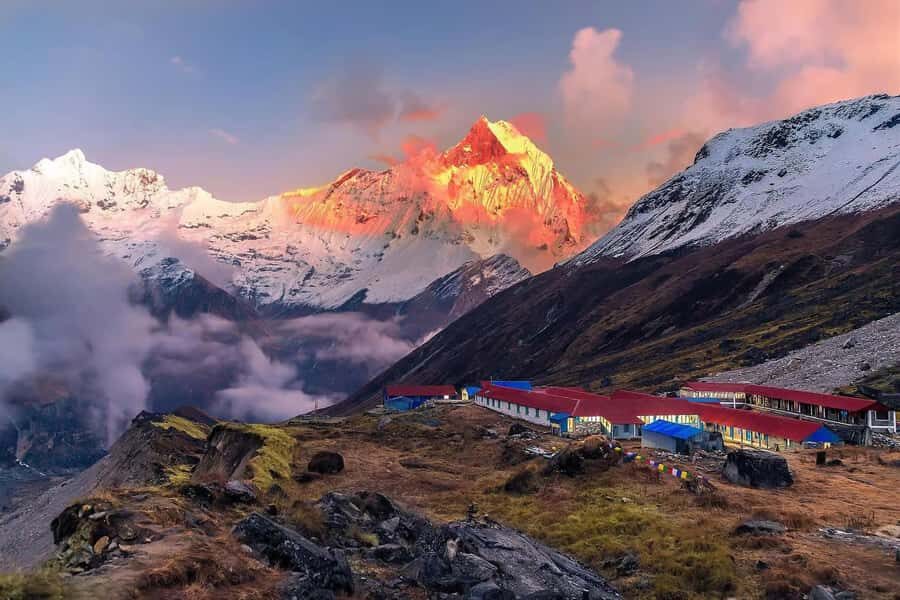
After reaching base camp, day 4 shifts into “enjoy and recover” mode. You’ll explore Annapurna Base Camp, then trek onward to Bamboo at around 2,400 meters. The walk time is listed at about 6 hours.
This day has a smart rhythm: you’ve done the height push, and now you get to enjoy the area while descending to a more comfortable elevation. That matters because your body gets a chance to reset. It’s also where you’ll notice your energy improving if you’ve been pacing well.
If your goal is to take photos and absorb the scenery, day 4 is often the most satisfying day overall. The base camp area gives you a sense of arrival, and the route away from it turns the day into a long, scenic wind-down.
Day 5: Bamboo to Jhinu, Plus Hot Spring Stop, Then Back to Pokhara
Day 5 drops you down to Jhinu at about 822 meters, with a listed trek time around 6 hours plus a drive back to Pokhara. The itinerary also includes a hot springs stop, which is one of those small extras that makes the whole trip feel earned.
That hot springs break is the kind of simple reward that helps your body after several days of walking. After altitude work and downhill legs, warm water can feel like a cheat code.
From a practical standpoint, day 5 is also your reminder to pack for comfort on the drive. You’ll want layers because temperatures can swing a lot, even when you’re moving back toward lower elevations.
Guides and Support: English Help, Safety, and Good Pacing
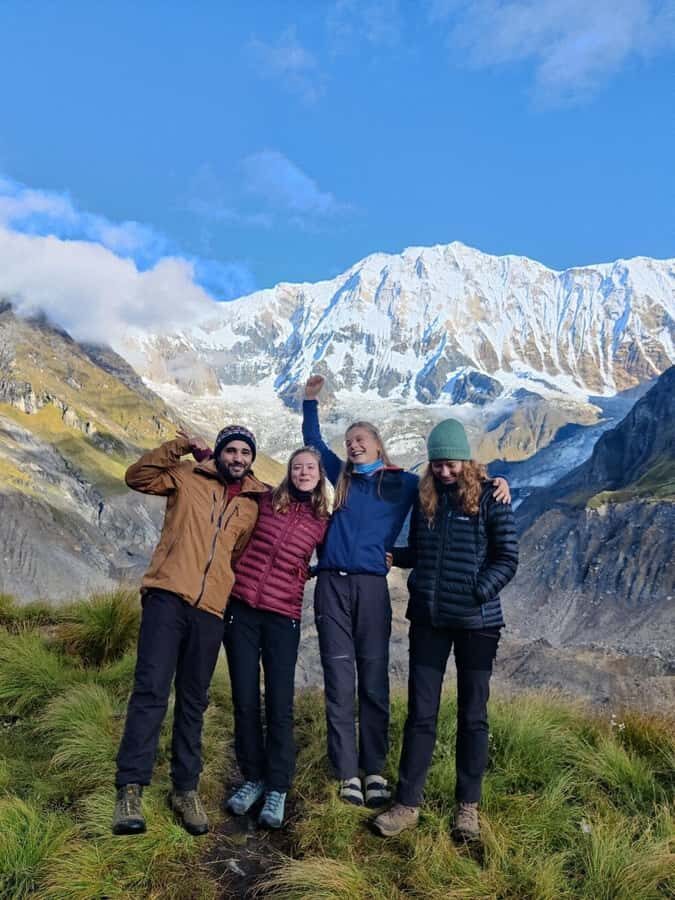
The trekking experience depends heavily on your guide, and here you’re getting an English-speaking trekking guide included, plus first aid. The route is described as having live guiding in Japanese, English, and Chinese, which is useful if you’re traveling with language needs.
What stands out from real-world examples: caring communication and steady pacing. Guides like Sagar and Arjun have been praised for checking in on physical state, keeping a manageable rhythm with well-timed breaks, and staying cheerful even when the trail gets tough.
Porter support is where many people feel the difference most. In some cases you might see porters like Ganesh helping with heavy packs, and in other cases a porter named Sagar carrying loads while encouraging you with a smile. If you don’t want to pay for a porter, you’ll need to pack lightly anyway—but if you do opt in, it can turn “grit your teeth” walking into “get to enjoy the views” walking.
Is This Trek Really Easy? Fitness and Altitude Reality
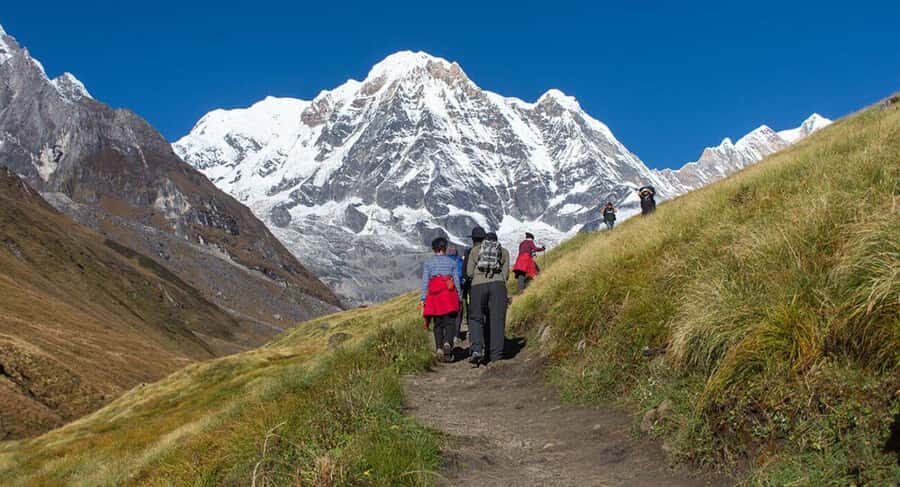
The trek is marketed as easy-style, but the mountain doesn’t care about labels. One key consideration is that even fit hikers can feel hammered on a shorter schedule, including steep segments and big total altitude changes in a day.
Also: altitude sickness is a real risk. This activity isn’t suitable for people with altitude sickness, and you should take acclimatization seriously. The guidance is clear: prepare with regular cardio and strength training, ascend gradually, and stay hydrated. If you’re prone to vertigo, pay extra attention, because uneven rocky trail and drops can be uncomfortable.
My advice is simple: if you want an easy experience, you need to earn it with preparation. Build stamina before you go, keep your pace steady, and don’t treat high altitude as something you can “power through.”
The Mountain Views You’re Paying For (And Why They Matter)
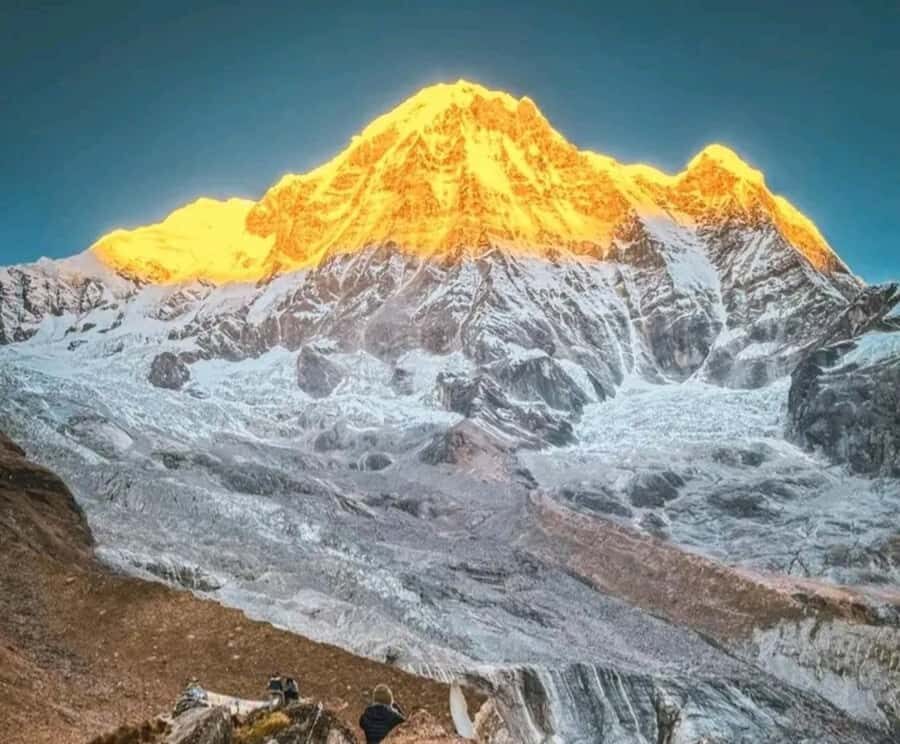
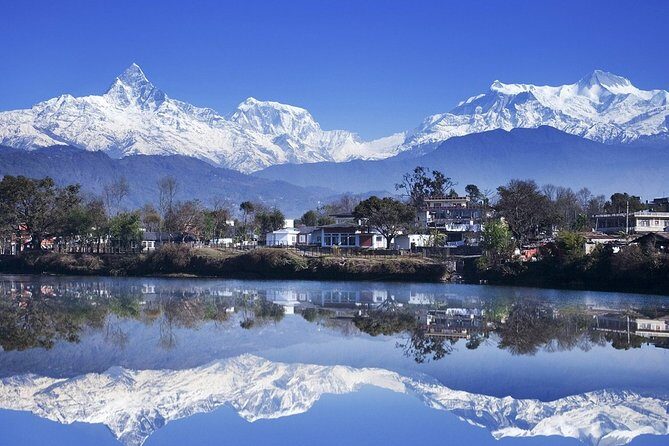
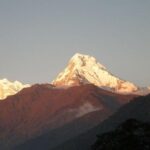
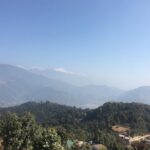
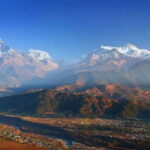
This trek is built around iconic peaks. You’re set up to view Annapurna I, Annapurna South, and Fishtail (Machhapuchhre), plus Dhaulagiri is part of the highlight package. You may also catch Hiunchuli in the broader view mix.
Why this matters: seeing these mountains isn’t just a pretty bonus. The Annapurna Base Camp area makes the peaks feel close and layered, which gives you a real sense of scale. It’s one of those travel moments that changes how you think about height, weather, and distance.
Just be ready for the usual Himalaya truth: clouds can roll in. When visibility opens, enjoy it fast. When it doesn’t, keep walking and treat the trek itself as part of the reward.
Food, Lodges, and Staying Warm at Altitude
Meals aren’t included, though you can purchase them along the way. The typical options listed are dal bhat, noodles, rice dishes, and soups. That’s comforting because it’s familiar, filling, and usually easier on digestion than heavy, greasy meals when you’re adjusting to altitude.
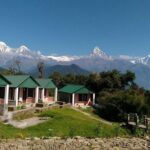
Lodging is included during the trek when available, which helps you avoid the scramble of booking last-minute rooms in small villages. Still, plan your comfort around cold weather. Temperatures can vary widely and higher altitudes can get quite cold, so pack layers you can actually breathe in.
A practical approach: layer up early when you feel chilly. Once you start shivering, you’ll feel it in your rest and in your next day’s energy.
Price and Value: What $180 Covers (and What Costs Extra)
At $180 per person, this trek includes several things that would otherwise add up fast on your own: first aid, an English-speaking guide, all permits and fees, hotel rooms during the trek when available, and sharing vehicle drop/pick up.
What you pay extra for:
- Personal expenses
- Meals (available on purchase)
- Optional porter at $25 per day
Here’s the real value math. If you’d otherwise pay for permits, a guide, and guided logistics, you’re not just buying hiking time—you’re buying reduced friction. For most visitors, that friction reduction is worth something. And if you choose a porter, you’ll spend less energy managing a heavy bag, which can matter a lot in a shorter schedule.
What to Bring for a Comfortable (Not Miserable) Trek
Here’s the gear list you should treat as a starting checklist:
- Passport or ID card
- Hat
- Comfortable clothes and breathable clothing
- Jacket
- Headscarf
- Cash (Nepalese Rupee) and a plan for exchanging money in Kathmandu or Pokhara
- Credit card is listed, but cash is key in trekking areas
Also, follow the rules: no weapons or sharp objects, no oversize luggage, and no alcohol or drugs. Dress modestly and ask before taking photos of people—small etiquette moves go a long way in Nepal.
One smart packing mindset: bring warm layers, but don’t overpack. If your bag gets too heavy, your “easy” trek turns into “why did I do this to myself” trekking.
Who Should Book This 5-Day ABC Trek?
This is a good fit if you want the Annapurna Base Camp experience and you prefer a guided, supported approach with permits handled and lodging included when available.
It’s especially appealing for travelers who:
- Can manage steady uphill walking and some steep sections
- Want a shorter trek but still plan for fitness and acclimatization
- Appreciate the safety and pacing support of an English-speaking guide
It may not be the right fit if you:
- Have altitude health concerns (this trek says it’s not suitable)
- Need a very gentle pace without tough climbs
- Have significant vertigo issues
Should You Book? My Decision Guide
I’d book this trek if you’re ready to train and you’re comfortable with altitude being part of the deal. The included guide support, permits, lodging support, and the route’s focus on big views give you a lot of return for the time.
I’d hesitate if you’re expecting truly relaxed hiking or you know you struggle when altitude rises quickly. In that case, consider a longer trek format, or at minimum, plan to bring a porter and pace like your body matters more than your stopwatch.
FAQ
How long is the Annapurna Base Camp trek?
It’s a 4-night, 5-day trek.
What’s included in the price?
The price includes first aid, an English-speaking trekking guide, all permits and fees, hotel rooms during the trekking period (when available), and sharing vehicle drop and pick up.
Are meals included?
No. Meals are not included, but you can purchase food along the way.
Do I need a porter?
A porter is optional at $25 per day. If you choose not to hire one, you’ll carry your own items.
What languages are the guides available in?
Guides are available in Japanese, English, and Chinese.
What altitude does the trek reach?
The itinerary lists Annapurna Base Camp at about 4,130 meters.
Where do I meet the guide?
Pickup is included. The guide will meet you at the hotel lobby and you should wait for about 10 minutes.
Is this trek suitable for anyone with altitude sickness?
No. It is listed as not suitable for people with altitude sickness.