REVIEW · KATHMANDU
12 Days Overland Tour to Upper Mustang
Book on Viator →Operated by Adventure Glacier Treks & Expedition · Bookable on Viator
Upper Mustang feels like another Nepal. This private overland Jeep journey threads you from Kathmandu into the Kali Gandaki corridor and up toward the restricted kingdom, with time for ancient monasteries and chhoser sky caves along the way. I also really like that ACAP and Lo Manthang special permits are built into the package, so you’re not juggling paperwork while you’re trying to enjoy the trip.
Big heads-up: you’ll spend a lot of hours in the vehicle each day, and in December the region may be less forgiving than in peak seasons, so go in with a flexible mindset about road and weather conditions.
In This Review
- Key highlights that make this Upper Mustang trip worth it
- First day in Kathmandu: orientation, then real motion west
- Kathmandu Valley to Pokhara by private Jeep: the trip’s mood shift
- Driving toward Upper Mustang: Kali Gandaki corridor and off-road reality
- Muktinath and Jomsom area: holy stops plus everyday market life
- Kagbeni and Ghami: monasteries, ritual atmosphere, and a quieter kind of awe
- Lo Manthang day trips: the walled city feeling and monastery variety
- Chhoser sky caves and Shija Jhong cave: a day for the senses
- Jomsom return and Pokhara recharge: trade altitude for ease
- Back to Kathmandu: final long drive and one last view window
- Price and value: what you’re really paying for
- Who this tour suits best (and who should think twice)
- Should you book this Upper Mustang Jeep tour?
- FAQ
- How long is the Upper Mustang tour?
- Where does the tour start and end?
- Is this a private tour?
- What permits are included for Upper Mustang?
- What meals are included?
- What is the cancellation window for a full refund?
Key highlights that make this Upper Mustang trip worth it
- Private Jeep pace: long-distance travel handled end-to-end by your driver and guide.
- Permits included: ACAP and Lo Manthang special permits are part of the package cost.
- Lo Manthang monastery circuit: visits to multiple key religious sites in the walled city area.
- Caves day: Chhoser sky caves and the very old Shija Jhong cave are on the schedule.
- Kagbeni stops: Kagbeni Monastery and the famous Pitri-Puja tradition area are part of the route.
- Pokhara recovery time: you get a lakeside day with an optional city tour and rest.
First day in Kathmandu: orientation, then real motion west
Your trip starts with a representative from Adventure Glacier Treks meeting you at Tribhuvan International Airport (TIA). After a transfer to your hotel, there’s a briefing so you know what to expect before the roads start getting rougher and more remote. I like this setup because it keeps the first day simple: arrival logistics handled, then a quick mental reset before you head west.
Kathmandu also matters beyond being the launch point. If you can, I’d treat Day 2 as your “get your bearings” day: a Kathmandu Valley sightseeing run with monuments, culture, and art (and yes, it’s part of the tour rhythm). It’s a smart contrast—city time first, then the dry highlands later—so the change of scenery feels meaningful rather than confusing.
Practical note: you’ll want an easy evening and early sleep here. Once you’re driving through Mustang country, your energy will be better spent on sites and views, not on catching up on rest.
You can also read our reviews of more tours and experiences in Kathmandu.



Kathmandu Valley to Pokhara by private Jeep: the trip’s mood shift
From Kathmandu to Pokhara, you’re in a private Jeep for the whole drive. This day is about transition—green hills, rivers, villages, and farms gradually replacing the dense city feel. The long-distance car time can sound tiring on paper, but it’s also the first taste of what makes this region special: Nepal isn’t one landscape, it’s a sequence of changes.
Pokhara is more than a stop. You’ll arrive with enough time for a calmer pace and the chance to reset your body after city days. If you’ve only ever visited Kathmandu, Pokhara helps you understand Nepal’s geography in a physical way—how rivers cut through valleys, how villages cling to slopes, and how mountains start to frame your horizon in more dramatic ways.
Value tip: this approach keeps the trip coherent. Instead of flying between places and guessing your way through connections, you’re traveling as a single overland story.
Driving toward Upper Mustang: Kali Gandaki corridor and off-road reality
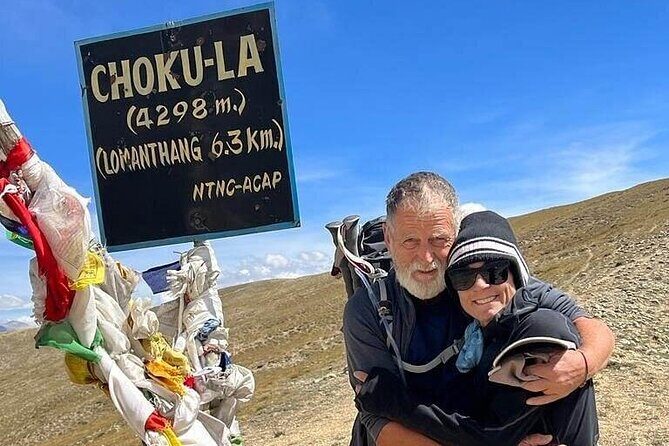
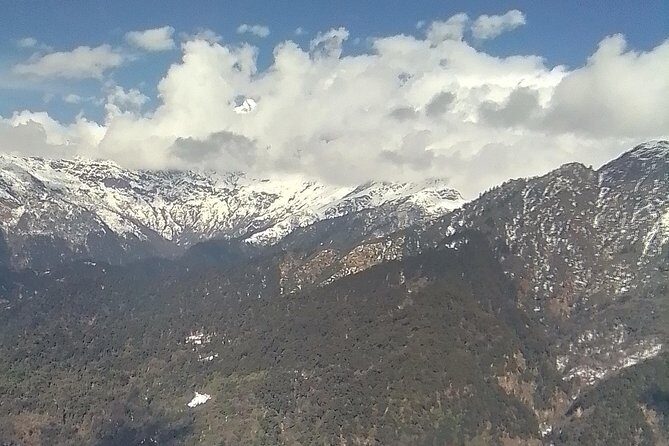
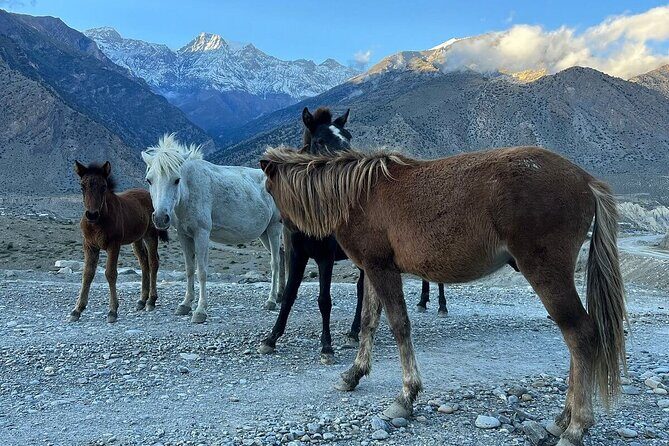
The road days that follow are where your expectations need to match the trip style. You start the Mustang approach leaving from Pokhara, following the Kali Gandaki River after an initial stretch on blacktop toward Beni. After Beni, the route turns off-road. That means slower progress, more vibration, and plenty of chances for dramatic roadside views.
This is also where you’ll see how Mustangi life is shaped by the river corridor and by distance. In this part of Nepal, the scenery isn’t just for photos—it’s the geography that dictates where settlements can survive and where roads even make sense.
One key consideration: if you’re prone to car sickness, this is the time to plan for it. A private Jeep doesn’t magically remove bumps, and off-road driving can make your “comfort” level depend heavily on seating, suspension, and road conditions.
Muktinath and Jomsom area: holy stops plus everyday market life
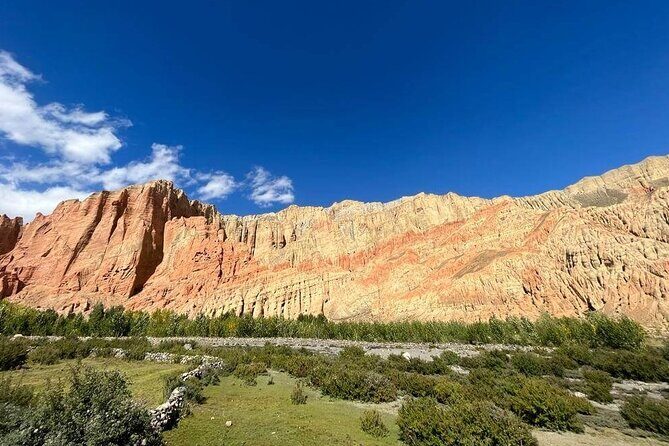
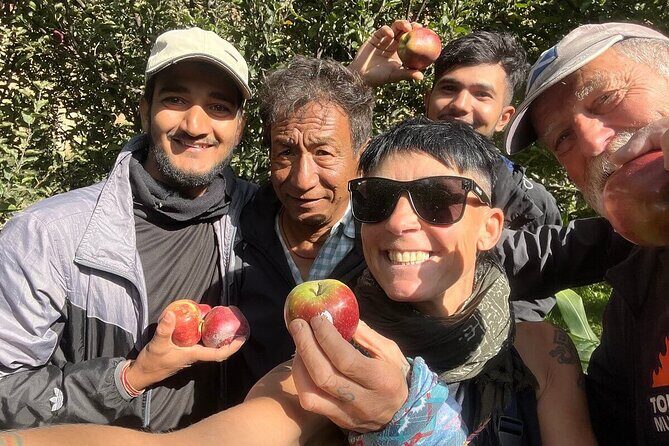
After traveling through Kalopani and Ghasa, the route includes stops tied to local agriculture and community routines—like a look at apple growing, plus a market visit in Jomsom. That mix is smart. Upper Mustang is famous for caves and monasteries, but the daily life of the valley is what makes the history feel real.
Then you get to Muktinath, one of the major spiritual names on this route. You’ll be passing through nearby villages and moving onward toward Kagbeni. What I like here is that the day doesn’t force everything into one “big monument” moment. Instead, you get a spread: market life, village scenery, then religious significance as the trip’s tone shifts.
Even if you’re not a hardcore architecture person, places like this matter because they connect religion to geography. People build where they can live, and they worship where their routes and resources make sense.
Kagbeni and Ghami: monasteries, ritual atmosphere, and a quieter kind of awe
Kagbeni shows up more than once in spirit and in schedule. You’ll tour Kagbeni Monastery after breakfast, which is a highlight for anyone who likes seeing how Tibetan-influenced traditions live in this corner of Nepal. Kagbeni is also famous for Pitri-Puja (Pitri-Moksastala), a ritual carried out to help souls of ancestors and support spiritual journeys. Even if you don’t witness the ritual itself, knowing it’s part of the region’s cultural calendar gives you context when you’re looking at religious spaces.
On a practical level, this is a good day to take your time. There’s less “rush between landmarks” energy than the longer driving segments, and more chance to slow down, ask questions, and notice details around monasteries.
Ghami is next in the flow, and from what’s scheduled, the route keeps you moving through communities and religious sites rather than treating Mustang as only a scenic destination.



Lo Manthang day trips: the walled city feeling and monastery variety
When you reach Lo Manthang, the trip turns into a full-on exploration day. The schedule includes several important monasteries and stops, such as Lo Gager Ghar Gompa, Charang Monastery, the Lo-mang Thang City area, Jampa Gompa, and the oldest monastery called God House, plus additional mas (monastic-related spaces as part of the route). I love days like this because the focus narrows: fewer long breaks in between, more chances to build a mental map of the region.
This is also where “restricted kingdom” stops being a marketing phrase and becomes an emotional reality. Lo Manthang feels like a place with strong boundaries—between old and new, between sacred and everyday, and between inside-the-city time and outside-road time.
If you’re the kind of traveler who likes photography, you’re in the right spot. If you prefer conversation, you’re also in the right spot. Monasteries are among the best places to ask your guide what to look for: symbols, building style, and what people believe you’ll understand when you spend time there.
Small caution: monastery days can involve stairs and uneven ground depending on where you’re walking. Wear shoes that handle rock and grit, not city sneakers.
Chhoser sky caves and Shija Jhong cave: a day for the senses
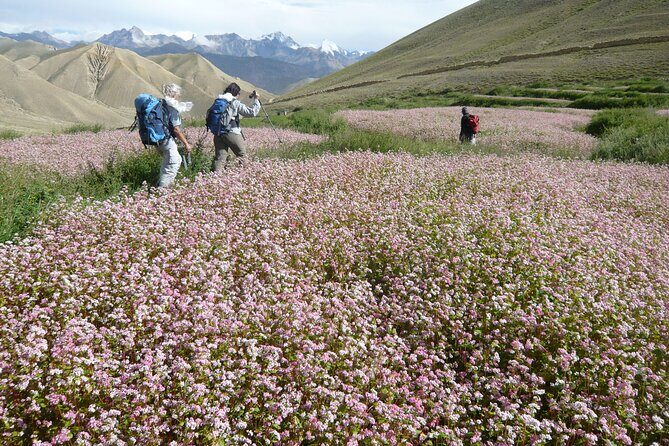
On the next Lo Manthang day, the schedule adds Namgyal Gompa, the Chhoser sky caves, and the Shija Jhong cave, described as almost 3,000 years old and explored by archaeologists from around the world. This is the day for a different kind of attention.
Caves change how you experience a place. Light shifts fast, air can feel cooler, and the space itself forces you to slow down. Even if you’ve visited caves elsewhere, the significance here comes from age and from the way this region’s sacred and historical layers overlap.
What I like about including both monasteries and caves on separate days is that you get variety without the chaos of trying to do everything at once. You can absorb religious architecture one day, then switch to human history and geology the next.
Jomsom return and Pokhara recharge: trade altitude for ease
After the Lo Manthang exploration, you head back toward Jomsom. The drive route goes past villages, the Kaligandaki River, Buddhist stupas, and monasteries. This matters because returning routes can feel repetitive, but in Mustang country you often notice different details coming back—especially religious markers and river bends that look totally different in changing light.
You also get time in the Jomsom evening to explore the local market. That’s a nice counterbalance after more sacred-site focus.
Then you drive back to Pokhara the next day. With long-distance driving behind you, this is where you can finally treat the trip like a vacation again. You’ll have a city tour arranged in Pokhara Lakeside, and you can also rest if you prefer. This is one of the smartest parts of the itinerary because it helps you avoid the common “travel high” crash right after your biggest cultural days.
Back to Kathmandu: final long drive and one last view window
On the last day, you return to Kathmandu, taking around 7 hours depending on road conditions. The day is described as passing through greenery, rivers, villages, farms, and mountain scenery—basically a closing loop of Nepal’s variety.
I like the way this ending works: you don’t slam into the airport right after the most remote part of the trip. You’ve had time to decompress in Pokhara, then you get a final overland stretch where the country shows itself again.
Price and value: what you’re really paying for
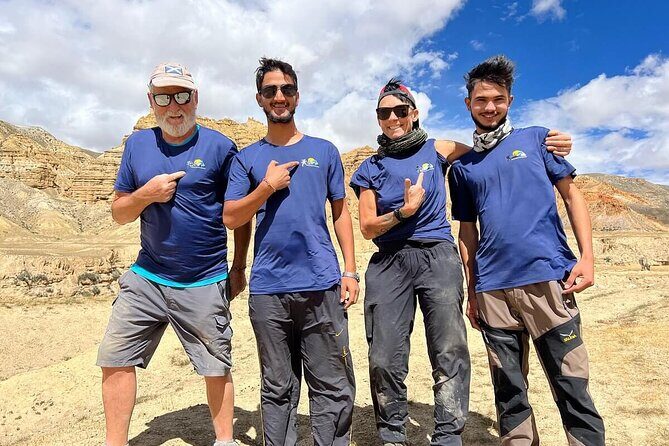
At $2,600 per person for an approx. 12-day private overland tour, you’re paying for more than a car ride. The big value drivers in the package are:
- Private ground transportation: you’re not sharing vehicle time with strangers.
- English-speaking guide: interpretation and navigation matter a lot on a route with cultural stops.
- Permits included: ACAP and Lo Manthang Special Permits totaling USD 534 are already covered.
- Lodging and meals: accommodation is included as listed in the program, plus breakfast for 11 days.
The plain truth: Upper Mustang isn’t cheap, and it’s not only about the destination—it’s about the access and the infrastructure needed to get there. If you want a “less stressful” version of Mustang, a package with permits and a guide included is usually the simplest path.
That said, the price also means you should be picky about expectations. If you hate driving, you’ll feel it here. This isn’t a short-hop sightseeing tour; it’s an overland experience built around long days.
Who this tour suits best (and who should think twice)
This fits best if you:
- Want Upper Mustang access with permits handled.
- Prefer private guiding and private vehicle comfort over DIY driving.
- Like a mix of religious sites and cave/historical stops.
- Want a strong cultural itinerary but also need Pokhara downtime.
It might be a tough fit if you:
- Dislike spending long hours in a vehicle each day.
- Have a low tolerance for rugged roads and changing road conditions.
- Are traveling in a month like December and are sensitive to tougher seasonal conditions (one of the reviews calls out December as not the best time).
Should you book this Upper Mustang Jeep tour?
I’d book it if your priority is Upper Mustang with less friction: permits included, English-speaking guidance, private transport, and clear time in the key sites around Lo Manthang and cave country. The best reason to choose this version is balance—sacred spaces (monasteries and caves) plus real village-and-market moments, with Pokhara built in for recovery.
If you’re unsure, do one simple check before you commit: be honest about your tolerance for 12-hour driving days. If you can handle long seats and occasional off-road discomfort, you’ll likely find this trip one of the most memorable ways to see this restricted kingdom.
FAQ
How long is the Upper Mustang tour?
The tour is approximately 12 days.
Where does the tour start and end?
It starts at the Best Tour & Travel agency in Nepal – Adventure Glacier Treks in Kathmandu (Chaksibari Marg, Kathmandu 44600, Nepal) and ends back at the same meeting point.
Is this a private tour?
Yes. It’s listed as a private tour/activity, so only your group participates.
What permits are included for Upper Mustang?
The package includes ACAP and Lo Manthang Special Permits, listed as USD 534.00 included.
What meals are included?
Breakfast is included for 11 days.
What is the cancellation window for a full refund?
You can cancel up to 3 days in advance of the experience for a full refund. If you cancel less than 3 days before the start time, the amount paid will not be refunded.