REVIEW · POKHARA
4-Days Amazing Short Trekking of Pokhara Valley
Book on Viator →Operated by Nepal Mountain Club Pvt Ltd · Bookable on Viator
Some routes earn instant goosebumps. From Pokhara, this 4-day Annapurna trek to Poon Hill is built for real views without weeks of planning. I like the small group size (capped at 15) because it feels calm, not crowded, and you get a guide who can pace you on steep bits. I also like that you’re not stuck figuring out transfers—hotel pickup and private vehicle transport fill in the non-walking parts. One thing to consider: you’re trading convenience for early mornings and some uphill effort, so pack for chilly starts and a moderate fitness level.
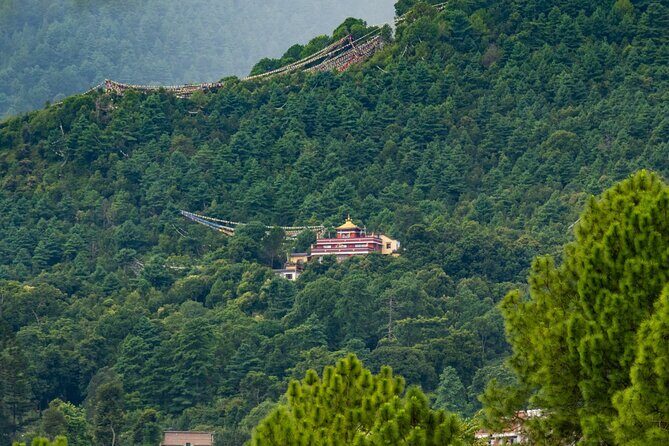
You’ll move through village trails, rhododendron country, and viewpoints that hit hard even on a short schedule. Expect panoramic mountain sightlines and the kind of Nepal trekking rhythm where the day’s best moments come right when you’re half awake.
In This Review
- Key highlights you’ll feel on this trek
- Why Poon Hill From Pokhara Feels Right for a 4-Day Trek
- Price and Logistics: Is $260 Actually Good Value?
- Day 1: Pokhara Lakeside to Nayapul Drive and Your First Trail Mood
- Day 2: Ulleri (2070 m) via Banthanti Views and Mountain-Magnet Detours
- Day 3: Sunrise at Poon Hill (3210 m) and the Morning That Changes Everything
- Day 4: Old Gurung Museum, Ghandruk Area Views, and the Rhododendron Descent
- What “Group Capped at 15” Actually Means for Your Comfort
- Weather, Clothing, and the Reality of All-Weather Trekking
- Where Meals Fit In (and Why You Should Plan Your Energy)
- Accommodation and Village Stops: Comfortable Enough Without Pretending It’s a Resort
- Who This Trek Suits Best
- The One Big Decision: Pace vs. View Time
- Should You Book This 4-Day Trek to Poon Hill?
- FAQ
- How long is the trek?
- What is the meeting time?
- Is pickup and drop-off included?
- What’s included in the price?
- Are meals included?
- What about rescue costs?
- What group size should I expect?
- Can I cancel for a refund?
- Is the trek only on clear weather days?
Key highlights you’ll feel on this trek
- Small-group cap of 15 for a more personal pace on narrow trails
- Private guide to keep navigation and timing smooth on a famous route
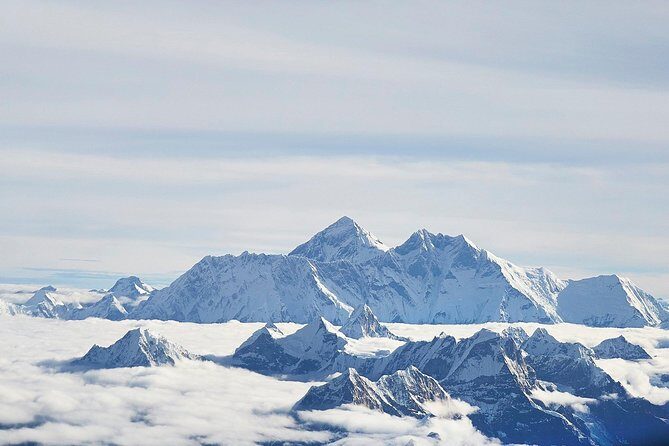
- Sunrise at Poon Hill (3210 m) with big-Himalaya views as the payoff
- Village scenery and rhododendron forests that change the vibe day to day
- Private vehicle transfers for the driving legs, so you’re not constantly catching rides
Why Poon Hill From Pokhara Feels Right for a 4-Day Trek
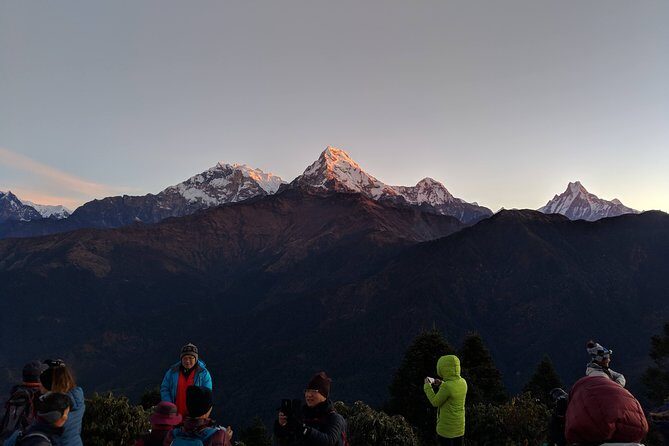
Poon Hill is famous for a reason: it’s high enough to feel like you’ve arrived in the mountains, but the overall trip length stays practical. This matters if you have limited vacation time, because you still get a proper trekking experience—uphill mornings, village stops, and that slow build toward the biggest skyline moments.
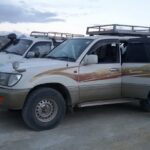
What makes this version work is the balance between walking and car time. When you’re not on foot, you’re moving by private vehicle with pickup and drop-off included. That cuts down the annoying parts of travel in Nepal—waiting, guessing transit times, and trying to coordinate local rides when you’re already tired.
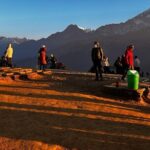
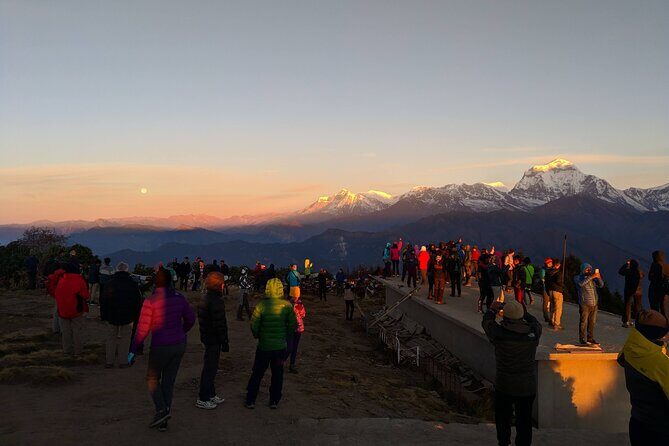
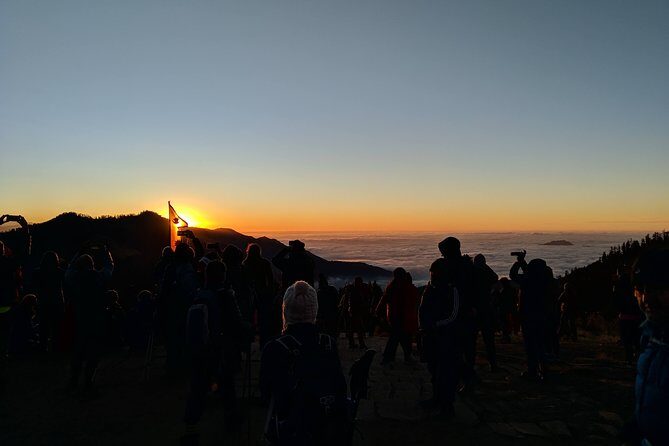
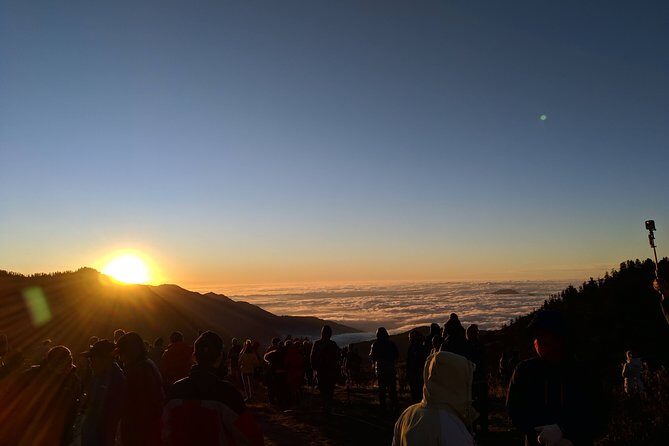
And the payoff is built into the schedule. Day 3 starts with a very early push to the Poon Hill viewpoint at 3210 meters, aiming for sunrise. If you’ve ever watched mountain light come up over far ridges, you know it’s the kind of moment that makes your legs feel like they weigh nothing.
You can also read our reviews of more hiking tours in Pokhara
Price and Logistics: Is $260 Actually Good Value?
At $260 per person for about four days, you’re paying for more than “walking with a guide.” You’re paying for the whole package: accommodation tied to the route, a professional guide, and the friction-free transfer plan that keeps the trek moving.
Here’s what that cost includes (and what it doesn’t):
- Included: accommodation as per itinerary, professional guide, hotel pickup and drop-off, private tour, and private transport for the non-trekking legs.
- Not included: food and drinks (you buy along the way) and rescue cost in emergencies.
So the real value question is this: do you want to spend your precious days arranging transfers and route details yourself? If you’d rather show up, lace up, and just hike, this setup makes sense. If you’re the type who enjoys daily logistics hunts and negotiating your own rides, then you may feel boxed in by a fixed plan.
Booking time is also a clue. This trek is often reserved about 60 days in advance on average, which suggests demand is steady—especially in seasons when people want clear sunrise chances.
Day 1: Pokhara Lakeside to Nayapul Drive and Your First Trail Mood
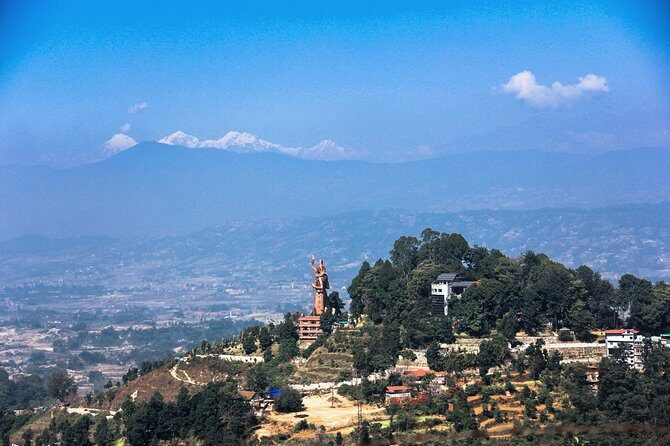
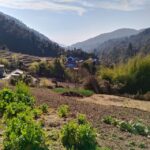
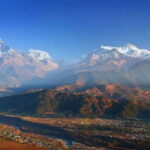
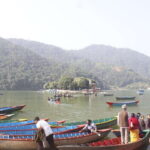
On Day 1, you meet your guide in the morning and ride with a private vehicle toward Nayapul. The drive matters more than you might think. It gives you a first look at Pokhara Valley and the Himalayan ranges, so the trek doesn’t start with confusion. You’re already in the right headspace before you ever hit the path.
From there, the plan shifts into trekking rhythm. Even when a day isn’t long on paper, your body is learning altitude and trail style—dusty steps, uneven ground, and the way Nepali village paths feel like living corridors. You’ll also be mentally adjusting to the fact that in Nepal, the best views often show up after the steeper sections.
A small practical note: since this is an all-weather-possible trek, start Day 1 dressed for real conditions. You might feel fine at the start, then hit wind on higher segments later.
Day 2: Ulleri (2070 m) via Banthanti Views and Mountain-Magnet Detours
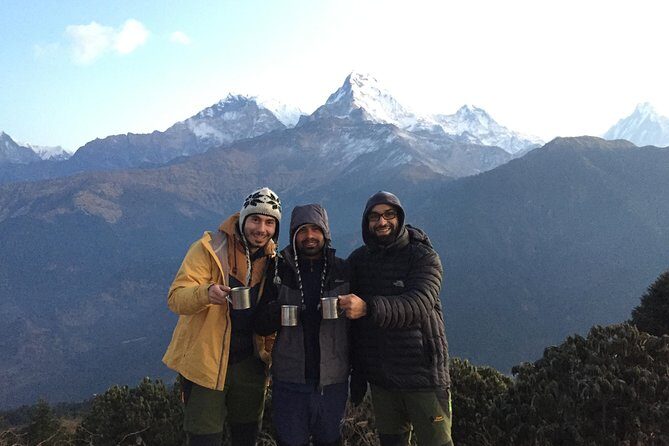
Day 2 is when the trek starts to feel like it’s truly part of the Annapurna system. You trek toward Ulleri (2070 m)—a climb that takes about two hours—before continuing through the Banthanti area, which is described as a Magar village.
This is one of the best days for big “oh wow” sightings, because the route passes through viewpoints of several peak groups. The hike includes chances to see mountains like:
- Machhapuchhre
- Hiunchuli
- and other Annapurna-area giants depending on visibility
One stop in the schedule includes Ghorepani Community hospital. That detail is useful for you as a traveler because it signals how real and practical the route is. This isn’t just a scenic walking path; it’s a living corridor where services exist and villagers move through daily life.
What I like about this day, from a hiking-experience point of view, is that you’re not just climbing—you’re moving through village layers. You get a shift from valley travel into hill-country life, and that change keeps the day interesting when your legs start negotiating with your brain.
Potential drawback: Day 2’s climbing can feel relentless if you go out too fast. Your guide’s job here is to manage pace, and with a small group, you can get that attention instead of getting swept along with a crowd.
Day 3: Sunrise at Poon Hill (3210 m) and the Morning That Changes Everything
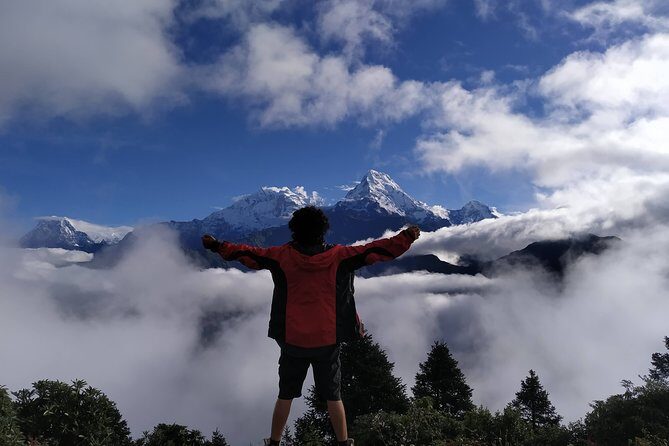
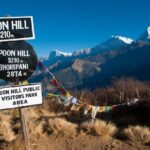
Day 3 is the main event. You’ll leave very early and reach the viewpoint base, with about an hour of climb to Poon Hill at 3210 meters.
This is the day to treat like a mission:
- Go steady on the climb.
- Keep warm even if you feel okay at first.
- Expect that the best light happens fast, then changes.
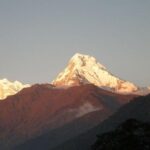
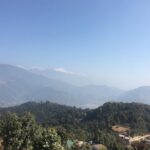
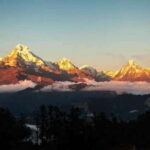
The view targets are clear: sunrise over peaks including Dhaulagiri (mentioned as visible for a while) and multiple Annapurna peaks such as Annapurna I and Annapurna I’s neighbors. If visibility is good, you can get a broad mountain panorama that makes the whole route feel worth it—even if your legs are tired.
The practical reality: clouds and mist can change what you see. Still, the schedule is designed around sunrise timing, which is the most reliable “big moment” window on the itinerary.
One more thing I appreciate about a sunrise plan with a private guide and a small group: you’re less likely to get lost in indecision. People sometimes linger at viewpoints too long, missing the next moment. Here, the plan gives structure so you can enjoy the scene without turning it into a scramble.


Day 4: Old Gurung Museum, Ghandruk Area Views, and the Rhododendron Descent
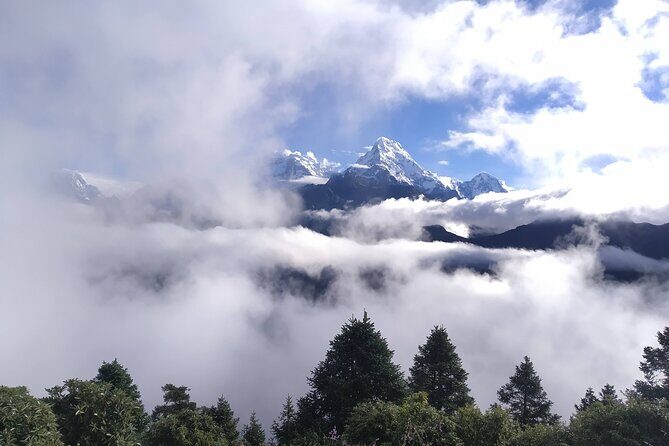
Day 4 is about finishing with scenery, not just finishing with steps. The plan includes Old Gurung Museum, and then a scenic route from the Ghandruk area as you head lower down toward Birethanti.
This day’s viewpoint list is impressive for a short trek. You may catch views of:
- Annapurna South
- Hiunchuli
- Fishtail (Machhapuchhre is referenced earlier, but it’s the same dramatic peak people search for)
- Gangapurna
Then comes the rhododendron part. The route description highlights a forest of blooming rhododendron, which you’ll feel in the air and along the trail—more shade, different sounds, and a softer, slower walking vibe compared to the earlier ridge-focused days.
One useful detail in the schedule is the “down” structure. Going lower typically means:
- less steep climbing stress than earlier days,
- but more attention needed on your knees and footing,
- and a steady walk where you enjoy the village rhythm rather than fighting elevation.
You’ll end up in Birethanti, which is a natural stepping point for leaving the mountains and returning toward Pokhara.
What “Group Capped at 15” Actually Means for Your Comfort
A cap of 15 people sounds like marketing, but on this kind of route it matters. Tight trail sections, tea-house stops, and viewpoint areas can get crowded when the group size grows. With a smaller ceiling, you’re more likely to:
- move together without constant stopping,
- get clearer guidance on pacing and timing,
- and have breathing room at key moments like Poon Hill.
This also pairs well with the private guide setup. A guide can adjust to your pace, your footing, and your weather call. If you’re hiking with mixed experience levels in your group, that guide role becomes the difference between a trek that feels stressful and one that feels manageable.
Weather, Clothing, and the Reality of All-Weather Trekking
The trek operates in all weather conditions, which is honest—and you should plan accordingly. That doesn’t mean it’s miserable every day. It means you should assume the mountain will do its own thing.
Your best move is simple:
- Bring seasonal clothing for cold mornings.
- Dress for changing weather across altitude.
- Plan for early starts where temperatures can bite before sunrise.
If you’re used to travel that stays warm and predictable, treat this like it’s outdoors first, sightseeing second. The itinerary is built around that schedule, especially Day 3.
Where Meals Fit In (and Why You Should Plan Your Energy)
Meals and drinks are not included, but food is available for purchase along the way. That means you can choose what you can stomach and what keeps you going.
For day-to-day trekking success, you care about three things:
- consistent energy (carbs help),
- something warm to drink when it’s cold,
- and staying realistic about what your appetite will do at altitude.
If you’ve ever hiked while distracted by hunger, you already know the fix: eat when you have the chance, not only when you feel desperate.
Accommodation and Village Stops: Comfortable Enough Without Pretending It’s a Resort
Accommodation is included as per itinerary. Exact details like star rating aren’t provided here, so you should treat these nights as village-style trekking lodging.
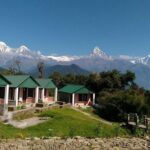
That said, the feedback you can rely on is positive about the quality of the hotels chosen along the route. So while it won’t be a luxury vacation, it’s not the rough-and-rope approach either. You should expect a practical base: hot drinks, simple rooms, and a place to reset for the next morning.
If you’re sensitive to noise, aim for a calm packing setup: earplugs can help anywhere on a village schedule. And if you’re cold easily, layer up—your warmest clothing decisions matter more than you’d think on these early starts.
Who This Trek Suits Best
This 4-day Poon Hill trek is a strong fit if:
- you want a short Annapurna experience with a clear mountain target,
- you prefer a private guide and a small group,
- you like village trails and panoramic viewpoint moments,
- and you have moderate physical fitness and can handle early mornings.
It’s also a good option if you’re traveling with limited time in Nepal and you’d rather do one high-quality trek than several half-plans that don’t quite land.
The One Big Decision: Pace vs. View Time
Because the best payoff is scheduled (especially sunrise), your pacing needs to support the timing. Go too fast and you’ll burn out before the viewpoint moment. Go too slow and you risk arriving after the light changes.
This is exactly where a guide and a small group help. You’re not on your own guessing tempo. The route is built to keep the day’s best moments in reach.
If you’re the type who always wants extra time at viewpoints, plan to do it wisely on Day 3. That’s when the itinerary is most sensitive to weather and daylight.
Should You Book This 4-Day Trek to Poon Hill?
I’d book it if you want a classic Annapurna highlight—Poon Hill sunrise and wide mountain views—without turning your trip into a logistics project. The combination of private vehicle transfers, pickup/drop-off, and a small-group guide-led plan is the practical magic here. It helps you focus on trekking and scenery instead of coordinating.
Skip it or think twice if you dislike early wake-ups or you’re looking for a flat, easy walk. This is short, but it’s still trekking—there are climbs, including segments toward Ulleri and the ascent to Poon Hill.
If you’re ready for cold mornings, village paths, and big mountain sightlines on a tight timeline, this is a sensible way to do the Annapurna route the efficient way.
FAQ
How long is the trek?
It’s a 4-day experience.
What is the meeting time?
The listed start time is 8:30 am.
Is pickup and drop-off included?
Yes. Hotel pickup and drop-off are included.
What’s included in the price?
Included are accommodation as per itinerary, a professional guide, private tour, private vehicle transport, and all taxes/fees/handling charges.
Are meals included?
No. Food and drinks are not included, but you can purchase them along the way.
What about rescue costs?
Rescue cost in case of an emergency is not included.
What group size should I expect?
The group is capped at 15 people.
Can I cancel for a refund?
Yes. You can cancel for a full refund if you cancel at least 24 hours before the experience starts.
Is the trek only on clear weather days?
No. It operates in all weather conditions, so you should dress appropriately for the season and possible cold.