REVIEW · POKHARA
Day Long Hiking from Sarangkot to World Peace Stupa
Book on Viator →Operated by Swami Narayan Travels Pvt Ltd · Bookable on Viator
Hiking for views? This route delivers fast. The day-long walk from Sarangkot to the World Peace Stupa mixes green hillside trails, forest sections, and big sightlines to the Annapurna mountain range plus Phewa Lake. It’s a great way to get your legs working in Pokhara while staying close to the most photogenic viewpoints in the area, but it is still a solid 6–7 hour hike, so you’ll want a calm pace and decent stamina.
What I like most is how the experience is set up for your day: hotel pickup and drop-off, a car transfer to the trail start, and an English-speaking trekking guide who helps you make sense of what you’re seeing. It’s also a private trip, so your group stays together instead of mixing with strangers. The only real drawback to keep in mind is that the route is long, so if you’re looking for short and easy sightseeing, this one may feel like work.
In This Review
- Key highlights you’ll feel on the trail
- Sarangkot to the World Peace Stupa: the hike’s big-picture payoff
- Starting at Sarangkot: warm-up with city, lake, and mountain views
- The forest-and-hillside stretch: pacing, shade, and the rhythm of views
- World Peace Stupa finish: the viewpoint moment you remember
- Guide quality and private-group setup with English support
- Time, distance, and what the 6–7 hours really means
- Price of $66.84: value check and what’s not included
- What you should bring (and what you can skip)
- Who this hike suits best (and who should reconsider)
- Should you book the Sarangkot to World Peace Stupa hike?
- FAQ
- How long is the hike from Sarangkot to the World Peace Stupa?
- Do I get hotel pickup and drop-off?
- Is there transport to the hiking starting point?
- Will I have a guide, and do they speak English?
- Is the tour private?
- Is the admission ticket included?
- What is the price per person?
- When will I receive confirmation after booking?
- What is the cancellation policy?
Key highlights you’ll feel on the trail
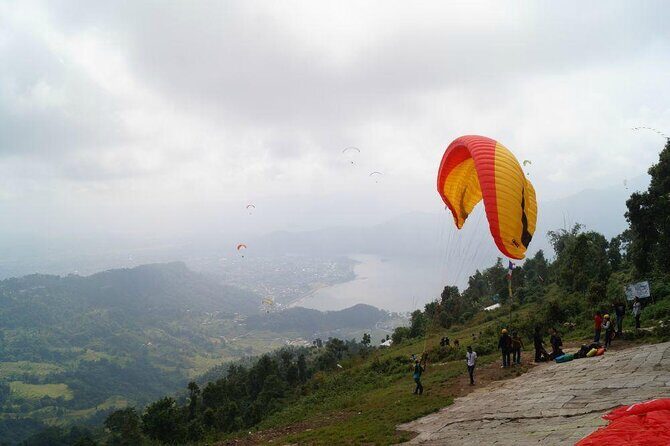
- Sarangkot kicks things off with instant payoff: Start with mountain-and-lake views that make the hike feel worth it right away.
- Forest-and-view mix: You’re not just staring at peaks the whole time. Expect greener trail sections, then sudden panoramas.
- An English-speaking guide helps you connect the dots: Expect clear explanations of the places you pass and the viewpoints you stop at.
- World Peace Stupa as a dramatic finish: The endpoint delivers a major viewpoint moment overlooking the region.
- Private-group comfort: You move as your group, not a crowded bus of day hikers.
Sarangkot to the World Peace Stupa: the hike’s big-picture payoff
This is the kind of Pokhara outing that makes sense if you want a full day outdoors without turning it into a logistics puzzle. You start at Sarangkot, hike along trails that run through forests and hillside paths, and finish at the World Peace Stupa for another strong viewpoint. The structure is simple, but the results are not: you get multiple “wow” moments in one continuous day.
The route is also a smart warm-up if you’re in Nepal planning for more trekking later. You’re not dealing with high-altitude complexity here, but you are building time-on-feet endurance and confidence on local trails. And because the hike is paired with two major viewpoints, you’ll be looking forward to the next stop instead of just grinding your way uphill.
A personal note on the vibe: this hike tends to attract people who like scenery and learning as they go. The guide component matters because it can turn random viewpoints into places with context—why you’re seeing what you’re seeing, and how the area is laid out.
You can also read our reviews of more hiking tours in Pokhara
Starting at Sarangkot: warm-up with city, lake, and mountain views
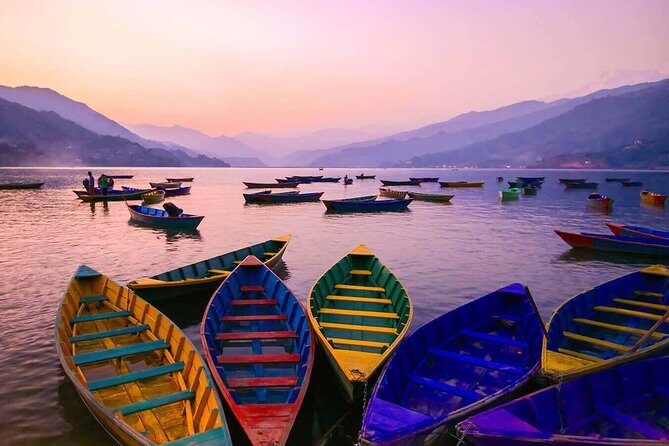
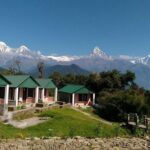
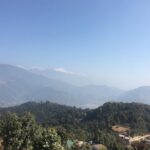
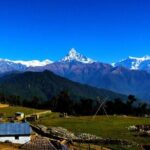
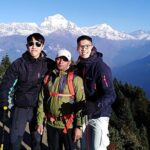
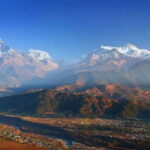
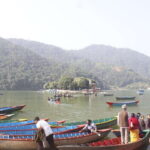
Sarangkot is where the day starts feeling real. You get those famous hillside views over the Pokhara area, with the Annapurna range visible from the viewpoint world and Phewa Lake adding a softer layer to the scenery. Even before you’ve walked far, you’re already oriented—this hike is about moving through elevation and ending with an even wider perspective.
This first phase is a warm-up in more than one way. Physically, you ease into hiking from a scenic starting point instead of launching straight from flat ground. Mentally, you’re building anticipation because Sarangkot’s views set the tone for what comes next.
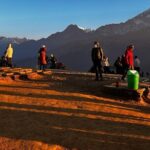
Practical consideration: because Sarangkot is a viewpoint, it can be busier earlier in the day. That’s not a dealbreaker, but if you like quieter moments, give yourself a little flexibility so you’re not rushing to get photos while everyone else crowds the same view.
The forest-and-hillside stretch: pacing, shade, and the rhythm of views
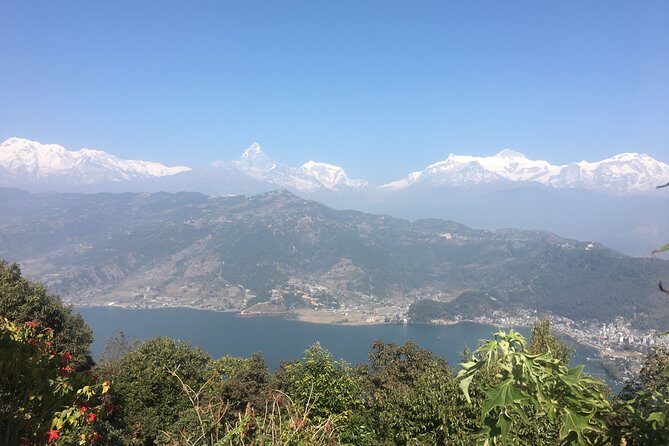
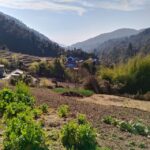
Between Sarangkot and the World Peace Stupa, you get the best part of a good day hike: the rhythm. There are stretches through greener areas and forest sections, then breaks where the horizon opens and you catch Annapurna views again. This stop-and-look pattern keeps your eyes busy and makes the hike feel varied rather than repetitive.
If you’re trying to judge how hard this will be, think about time, not just elevation. A 6–7 hour duration means you’ll be walking for most of the day, even if there are viewpoints along the way. Your best strategy is to keep steady, not sprint between photo stops. That way, you enjoy the scenery without arriving at the Stupa feeling too worn out to appreciate the final payoff.
One more detail that matters: the route is guided. That’s useful because a guide can help you keep moving at the right pace and point out what you should notice while you’re walking. In particular, several guides connected with this hike have been praised for explaining places clearly, like what you’re seeing from viewpoint angles and how the route connects different lookouts. If you’re someone who likes understanding your surroundings, this part is a big part of the value.
World Peace Stupa finish: the viewpoint moment you remember
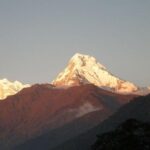
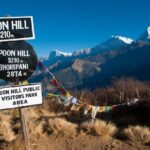
The World Peace Stupa is not just another stop—it’s the day’s finishing line for a reason. After hours of walking through forest and hillside terrain, you arrive with your legs working and your eyes ready for a bigger view. This is where the route earns its keep: you get a strong sense of the Annapurna range and the broader Pokhara valley region, framed by the Stupa’s presence.
This endpoint tends to change the mood of the hike. Early on, you’re focused on movement and getting set. By the Stupa, you’re settling into the moment—looking longer, photographing more carefully, and taking in the panoramic feel that doesn’t show up in the same way from trail level.
Another practical consideration: because the day is long, you’ll want to plan for the time you’ll spend at the Stupa. Don’t assume it’s a quick photo and go. Aim for a unhurried stop so you actually enjoy the ending, not just reach it.
Guide quality and private-group setup with English support
This hike includes an English-speaking trekking guide, plus hotel pickup and drop-off. You also get a transfer by car to the hiking starting point. For a long day, that matters. It removes the stress of sorting transport, timing, and meeting points, so your day stays focused on hiking and views instead of making phone calls and waiting around.
The private-trip setup also changes the whole experience. Your group stays together, and you don’t have to adjust your pace to match a mixed crowd. That’s especially helpful if your group includes different comfort levels with walking time. You’ll still be hiking for 6–7 hours, but the flow can be more manageable.
You’ll also appreciate the guide’s interpretive side. In the feedback, guides such as Bisham and Milan are singled out for being helpful and for giving explanations that make the places feel less random. If you care about learning even lightly—how a viewpoint relates to the wider region—that guide skill becomes one of the main reasons people feel satisfied with the hike.


Time, distance, and what the 6–7 hours really means
The duration is listed at about 6–7 hours, depending on your pace and how long you pause at viewpoints. That time window tells you the truth: this isn’t a quick half-day excursion. You’re signing up for a real hiking day, with enough stopping to enjoy the scenery but enough walking that you’ll feel it by the end.
So, if you’re planning your Pokhara itinerary, don’t book this as a filler activity on your arrival day unless you’re already acclimated and your energy is steady. The best fit is when you’ve got time to enjoy the whole day and then recover with an easy evening.
Also, keep your pace honest. Viewpoints encourage stopping, and stopping is great—just watch your energy balance so you don’t burn out early. A guided day helps, but you still control your own effort.
Price of $66.84: value check and what’s not included
At $66.84 per person, you’re paying for a guided full-day hike with practical logistics: pickup and drop-off, a car transfer to the trail start, an English-speaking guide, and a private group arrangement.
That value is strongest if you compare it to the real cost of doing the hike on your own with a guide’s local knowledge. Even if you could technically find the route, you’d likely lose the comfort factor: transport coordination, smooth pacing, and the explanations that make viewpoints more meaningful.
What’s not included is also important. The admission ticket is not included, which means you may need to pay an on-site fee depending on current rules at the Stupa or related entry points. The listing also notes personal expenses, plus gratitude is optional. Plan for that extra spending so your day stays smooth.
One more thing: there are group discounts mentioned. If you’re booking with friends or family, you can ask whether your group size affects the final price. Private doesn’t always have to mean expensive if you’re traveling together.
What you should bring (and what you can skip)
Because this is a 6–7 hour hike, you’ll want basic hiking comfort even if the route is described as accessible for most travelers. Bring water, sun protection, and comfortable footwear with good grip. You’ll also be glad to have a light layer—mountain weather can shift fast, even around Pokhara.
You can likely skip anything elaborate. This tour is built around a guided day and viewpoint stops, not technical climbing gear. If you’re a casual hiker, the main thing is to show up ready to walk steadily for hours.
If you want the photos to look good, plan your timing around your energy, not just the view. When you’re fresh at Sarangkot, you’ll take better photos, and when you get to the Stupa, you’ll appreciate the slow-looking time because you didn’t overdo it earlier.
Who this hike suits best (and who should reconsider)
This is a great match if you want:
- A full day that blends forest trail walking with major viewpoint moments
- An English-speaking guide who helps you understand what you see
- A private format where your group can keep a comfortable pace
Most travelers can participate, which points to a route that isn’t aimed only at hard-core trekkers. But the day is still long. If you’re not used to hiking for hours, you may find the time-on-feet part challenging.
Consider another option if you’re searching for a short sightseeing tour with minimal walking. This one is for people who like to hike, even if it’s not an intense multi-day trek.
Should you book the Sarangkot to World Peace Stupa hike?
I’d book it if you want a single-day Pokhara experience that feels active, scenic, and guided. The combination of Sarangkot’s viewpoint start, forest-and-hillside walking, and a strong finishing moment at the World Peace Stupa is exactly the kind of itinerary that makes a day in Nepal feel complete without being complicated.
Skip it if you only want light strolling or you know you struggle with 6–7 hours of walking. And do budget a little extra for the admission ticket since it’s not included.
If you do book, pick a day when you’re ready to move slowly and enjoy the stops. That’s the secret to making a long hike feel like a highlight, not a chore.
FAQ
How long is the hike from Sarangkot to the World Peace Stupa?
The hike runs about 6 to 7 hours.
Do I get hotel pickup and drop-off?
Yes. Hotel pickup and drop-off are included.
Is there transport to the hiking starting point?
Yes. You’ll get a car transfer to the hiking starting point.
Will I have a guide, and do they speak English?
Yes. An English-speaking trekking guide is included.
Is the tour private?
Yes. It’s a private trip, meaning only your group participates.
Is the admission ticket included?
No. The admission ticket is not included.
What is the price per person?
The price is $66.84 per person.
When will I receive confirmation after booking?
Confirmation will be received at the time of booking.
What is the cancellation policy?
Free cancellation is available up to 24 hours in advance for a full refund.
—
If you want, tell me your travel dates and fitness level (casual walks vs regular hikes), and I’ll help you decide whether this timing fits well in your Pokhara schedule.