REVIEW · KATHMANDU
Everest Base Camp+Gokyo Ri
Book on Viator →Operated by Nepal Himalayan Hiker (P) Ltd. · Bookable on Viator
Snow peaks and Sherpa stories, in one trek. You’ll pair the Everest Base Camp payoff with the standout Gokyo Ri viewpoint, then continue over Cho La toward Everest. It’s also a real cultural walk through Sherpa country, where yak herding, seasonal farming, and tourism all shape daily life.
I love the way this route makes the big mountains feel close enough to study. You’ll be watching for names like Everest (8848m), Lhotse (8511m), Makalu (8463m), Cho Oyu (8153m), Nuptse (7861m), and Thamserku (6623m) as you move through the region. I also like the straightforward meal plan: breakfast and dinner are included, and lunch is flexible so you can choose what fits your day.
One thing to keep in mind: this trek is weather dependent, and the altitude effort is not a casual stroll. The starting rhythm is early (meeting time is 5:00 am), so you’ll want a genuinely moderate fitness base and patience for slower high-altitude days.
In This Review
- Key Points You’ll Feel on the Trek
- What You’re Really Getting: Everest Base Camp Plus Gokyo Ri
- Kathmandu Start: Early Morning, Pickup, and the Calm Before the Climb
- Sherpa Country on Foot: Lifestyle, Farming Seasons, and Yak Herding
- The Mountain Fix: Everest to Thamserku, and Why Names Matter
- Gokyo Ri: Where the View Turns Into an Experience
- Cho La Pass to Everest Base Camp: The Route With Teeth
- Meals and Comfort: What’s Included and What You’ll Still Pay For
- Guides and Pace: The Human Part You Don’t Want to Skip
- Physical Reality: Moderate Fitness, Real Altitude, and Early Starts
- Who Should Book This Trek and Who Should Think Twice
- Should You Book Everest Base Camp + Gokyo Ri?
- FAQ
- What time does the tour start?
- Where does the experience take place?
- How many days is the trek?
- Is pickup included?
- What meals are included?
- What if weather is poor?
Key Points You’ll Feel on the Trek
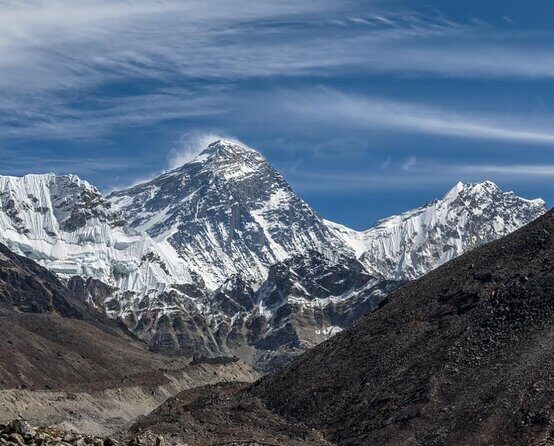
- Everest Base Camp meets Gokyo Ri for two different kinds of high-mountain drama
- Cho La Pass route adds a serious crossing element to an already scenic trek
- Sherpa culture focus with day-to-day context: yak herding, seasonal crops, and tourism
- Strong snow-mountain viewing especially if you’re chasing clear, bright summit scenes
- Included tea and coffee keep energy up without turning every meal into a decision
What You’re Really Getting: Everest Base Camp Plus Gokyo Ri
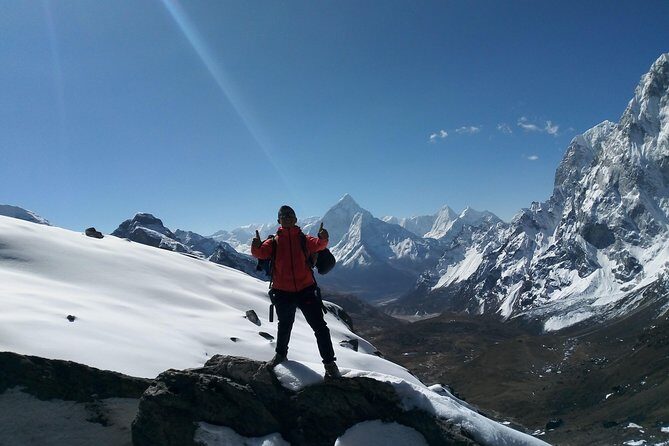
If you’re choosing between classic Everest Base Camp and the extra Gokyo days, the reason this combo is popular is simple: it gives you more than one “main view.” Everest Base Camp is the iconic destination, but Gokyo Ri is where the mountains often feel sharp and close, and where you can spend time absorbing the panorama instead of just reaching a point and moving on.
This trek also gives you a fuller sense of life in the region. The Sherpa communities you pass through aren’t just scenery. You’ll see how yak herding supports livelihoods, how tourism brings income and visitors, and how farming is limited by the short cropping season. The balance of livelihoods matters here, and it makes your trail feel less like a movie set and more like a working landscape.
Finally, the mountain lineup is part of the fun. You’re not only chasing Everest. You’ll get repeated chances to spot other giants—Lhotse, Makalu, Cho Oyu, Nuptse, and Thamserku—so even “in-between” days feel productive. That’s a big deal on a trek, because motivation is easier when you can track what you’re seeing rather than only counting hours.
You can also read our reviews of more tours and experiences in Kathmandu.



Kathmandu Start: Early Morning, Pickup, and the Calm Before the Climb
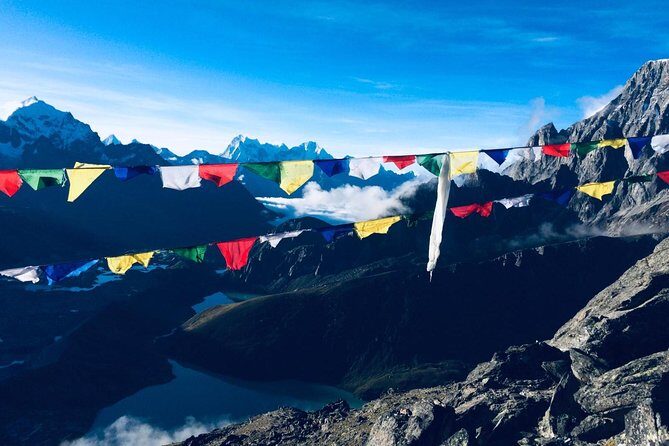
Your experience begins in Kathmandu, with a 5:00 am start time and pickup offered. That early start can feel intense at first, but it also has a purpose: it gets your day moving and reduces the “wait around” time that can wear you down before a long trek.
The meeting point is described as near public transportation. Translation: you’re not trapped in a hard-to-reach neighborhood, and it’s easier to plan how you’ll get there the morning you start.
Also keep in mind that this is a private tour/activity, so your group stays together. That matters on trekking days when everyone has different walking rhythms, and it makes it easier to ask questions or slow down when you need to.
Sherpa Country on Foot: Lifestyle, Farming Seasons, and Yak Herding
One of the most meaningful parts of this route is the cultural exposure. In Sherpa-majority communities, you’re not just looking at buildings. You’re learning how people make a living in high country.
You’ll hear that during the short cropping season, only a few crops are grown. That’s a real constraint, not a trivia fact. It helps explain why herding is so important and why tourism plays such a role alongside traditional work.
Yak herding shows up as more than background. It’s tied to how people move, store food, and manage resources depending on the season. When you’re walking through areas used for livestock, it changes how you look at everything—paths, resting points, even the timing of activity in the daytime.
Tourism, meanwhile, is a modern layer on top of older livelihoods. It’s part of daily life now, not a rare event. This trek gives you time to understand how that mix works rather than treating it like a quick cultural stop.
The Mountain Fix: Everest to Thamserku, and Why Names Matter
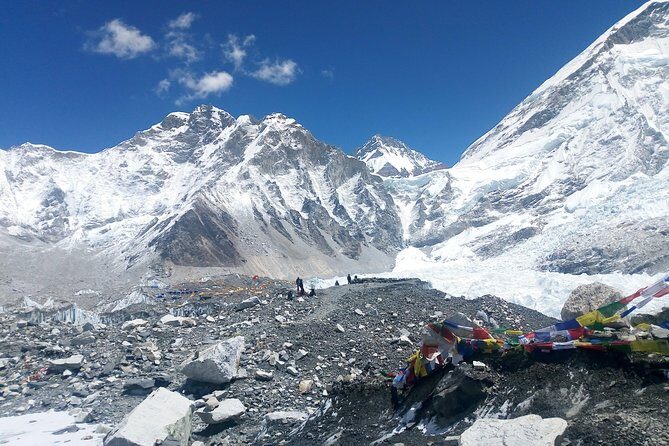
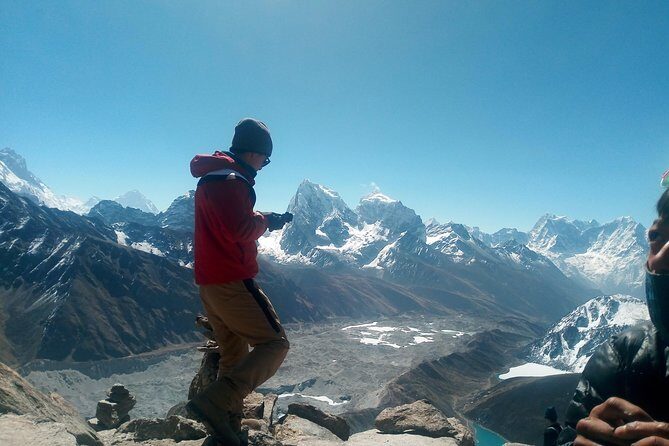
On a trek like this, the scenery can be so dramatic that it becomes hard to tell one day’s views from the next. That’s where the mountain lineup becomes useful. The route is described as offering some of the highest views in the Himalayas, including:
- Everest (8848m)
- Lhotse (8511m)
- Makalu (8463m)
- Cho Oyu (8153m)
- Nuptse (7861m)
- Thamserku (6623m)
When you can name what you’re looking at, the trek gets smarter. You’re not just saying wow—you’re building a mental map of the skyline. That also makes photo time less random. You can face the right direction at the right time and feel like you’re learning, not only collecting pictures.
A personal note, based on what hikers have said: if you’re the type who gets excited by snow mountain scenes—bright peaks, white slopes, and crisp visibility—this trek is often seen as one of the best options in the Everest area for that look. The extra days around Gokyo Ri give you more chances for snow-focused views instead of one quick sight and done.
Gokyo Ri: Where the View Turns Into an Experience
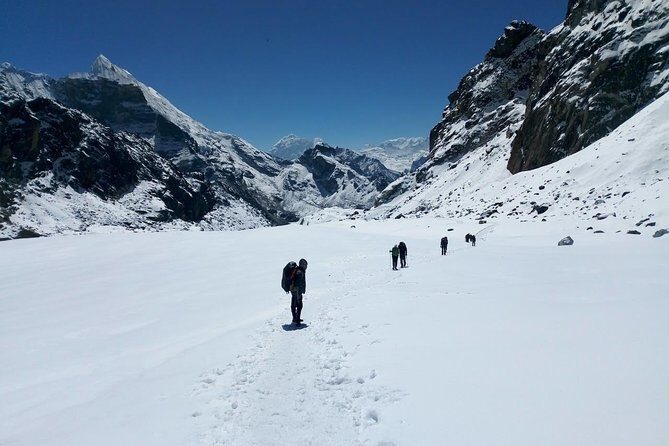
Gokyo Ri is the reason many people choose the +Gokyo version. The point isn’t only that it’s high. It’s that it tends to feel like a dedicated viewpoint day, not a rushed pass-through.
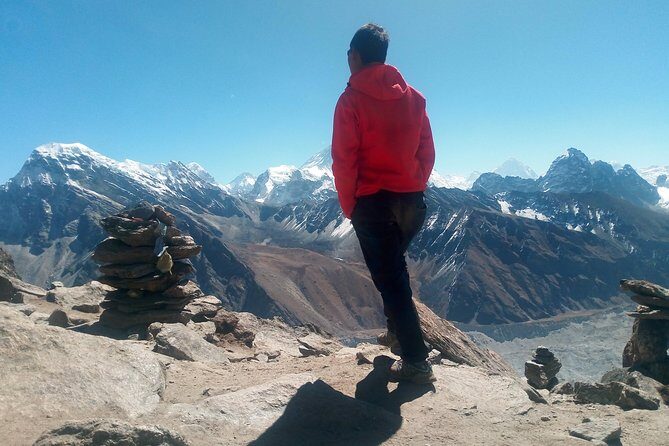
The trek includes reaching Gokyo Ri, and from there you continue toward the higher route. What stands out in the planning is that Gokyo Ri is treated like a highlight, the place where you stop and let the mountains fill your attention.
If you’ve got limited time and you still want maximum mountain viewing, this is the logical trade. Instead of spending every day only pushing toward Base Camp, you add a second major “wow” moment. That typically translates into better memories because you’re not constantly thinking about the next checkpoint.




Cho La Pass to Everest Base Camp: The Route With Teeth
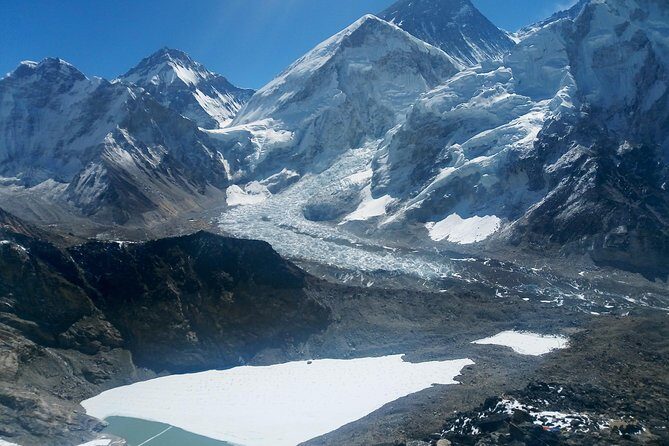
After Gokyo Ri, the path continues over Cho La Pass to Everest Base Camp. That crossing is the part of the trek that makes it feel more like a real expedition than just a scenic hike.
Even without getting too technical, you should understand what the pass means for your energy. A high pass crossing usually involves steeper effort, colder conditions, and a slower walking pace. The payoff is that you’re moving into the core Everest landscape, so when Base Camp finally appears in front of you, it feels earned.
A useful planning tip: treat this segment as a day where you protect your breathing. If you spend the day rushing your steps, you’ll pay for it later. But if you keep steady and let your guide and crew set the pace, the pass becomes challenging but manageable.
Also, because the trek is described as weather dependent, the visibility around high passes can change quickly. If conditions are good, you’ll likely see exactly why people plan their Everest dreams around this route. If clouds roll in, you’ll still get movement and forward progress, but you may not enjoy the same level of crisp mountain detail.
Meals and Comfort: What’s Included and What You’ll Still Pay For
Let’s talk value, because the price tag is only half the story.
The listed price is $1,333.34 per person for approximately 15 days. Included in your package are:
- Breakfast
- Dinner
- Lunch (with flexibility: you can choose as you want from tea house or hotel)
- Coffee and/or tea (normal coffee and all type of tea)
That meal mix is practical. When you’re trekking high and cold, breakfast and dinner matter more than they do on a city trip. You’re not spending energy tracking every restaurant decision. And the inclusion of coffee and tea is a small comfort that adds up.
Now the parts that are not included are also important to understand:
- KTM stay (your Kathmandu stay is excluded)
- Alcoholic bills and other personal costs
- Insurance
- Extra bars and some meal costs depending on what you choose
So the value equation looks like this: the trip price mainly covers the big trek services and included meals, but you should still budget for Kathmandu lodging and personal extras. If you’re the kind of traveler who drinks a lot of alcohol or wants upgrades at every stop, your final spend will climb. If you keep it simple and focus on the trek, this pricing structure tends to feel more reasonable.
Guides and Pace: The Human Part You Don’t Want to Skip
One reason this trek seems to work well is the guide and porter experience described by people who have done it.
You may encounter guides with names like Nara and Raj, and the pattern in the descriptions is consistent: friendly support, professionalism, and good pacing. That matters because in a trek like this, the guide isn’t only there for route navigation. A good guide also helps you manage effort, handle schedule pressure, and keep you focused when conditions shift.
If you’re trying to choose a tour for the long haul, look beyond the headline and pay attention to the way people describe the guide relationship. On Everest-style routes, your progress often depends more on rhythm and decision-making than on speed.
And yes, it helps when someone explains things clearly. When you know what you’re looking at—peaks, weather shifts, and why the day’s timing matters—you feel less like you’re just following and more like you’re participating.
Physical Reality: Moderate Fitness, Real Altitude, and Early Starts
The trek asks for moderate physical fitness level. That’s a fair description, but you should read between the lines. On Everest region routes, “moderate” doesn’t mean easy. It means you should be able to walk for hours with a backpack, climb steadily, and recover reasonably well between days.
Also remember the 5:00 am start time at the beginning of the experience. Even if that early start is only for the first day in Kathmandu, it sets the tone: this is not a trip where you sleep in and then tackle the mountain later.
Here’s how to prepare in a practical way:
- Build a habit of regular uphill walking (stairs count)
- Practice steady pacing so you don’t gas out early
- Plan for cold and wind, because high passes and viewpoints can feel harsher than you expect
If you’re nervous about altitude, don’t treat it like a test of toughness. Treat it like a system you respect. Slow down when needed and follow your guide’s lead.
Who Should Book This Trek and Who Should Think Twice
This Everest Base Camp + Gokyo Ri trek is best for you if:
- You want two major high-mountain viewpoint experiences instead of one
- You care about Sherpa culture and how livelihoods work in this region
- You like snow-mountain scenes and want extra chances for clear, sharp views
- You’re comfortable trekking for about 15 days and can handle early start days
You might think twice if:
- You want a short, low-effort hike
- You hate the idea of weather dependency, especially around high passes
- You expect every day to be purely panoramic with no “work” component
The route is built for people who are okay with a mix of scenery, culture, and effort. If that sounds like you, this combination makes a lot of sense.
Should You Book Everest Base Camp + Gokyo Ri?
I’d book it if you’re aiming for the classic Everest story but you also want more mountain variety and more time enjoying the views. The big strength is balance: iconic Everest destination energy, plus the Gokyo Ri viewpoint that many hikers describe as a standout for snow-mountain viewing. Add the Sherpa livelihood context and you get a trek that feels like a journey, not just a photo run.
If you’re on the fence because of the price, don’t look only at the number. The included meals (breakfast, dinner, and flexible lunch), along with coffee and tea, help keep daily costs predictable. The tradeoff is that Kathmandu lodging and personal expenses aren’t included, and you’ll want to budget for insurance on your own.
One last decision tip: match the trek to your expectations. If you want comfort and simplicity, this won’t be a resort vacation. If you want a well-supported Himalayan trek with big scenery and meaningful context, this is a strong pick.
FAQ
What time does the tour start?
The start time is listed as 5:00 am.
Where does the experience take place?
It is associated with Kathmandu, Nepal.
How many days is the trek?
The duration is approximately 15 days.
Is pickup included?
Pickup is offered.
What meals are included?
Breakfast and dinner are included, and lunch is included with flexibility to choose from a tea house or hotel. Coffee and/or tea are also included.
What if weather is poor?
The experience requires good weather. If it’s canceled due to poor weather, you’ll be offered a different date or a full refund.