REVIEW · KATHMANDU
Fixed Departure Tibet Overland Group Joining Tours.
Book on Viator →Operated by Outshine Adventure Pvt Ltd · Bookable on Viator
Early mornings and high mountains. That’s the deal.
This fixed departure Tibet overland group trip from Kathmandu is built around classic sacred sites plus serious road time, with passes, monastery visits, and big Lhasa moments like Potala Palace. I like that the logistics are handled for you, including an English-speaking Tibetan guide, Tibet Travel Permit, and monastery entrance fees.
I also like the way the route mixes iconic stops with real travel atmosphere: Kerung border formalities, Shigatse-area passes, and then Lhasa’s key sights such as Jokhang Temple and Barkhor Bazaar. The smaller group size helps too, capped at 30 people.
One thing to think about: this is early and high. Expect very early starts (meeting start time is 5:15 am) and steep passes up around 4,794m to 5,220m, so you’ll want to be comfortable with altitude and long drives.
In This Review
- Key takeaways before you go
- Why This Tibet Overland Tour Feels Like a Real Trip, Not a Checklist
- Getting From Kathmandu to Kerung: Border Day and Permit Timing
- Altitude Reality: The Passes on Your Road to Lhasa
- Shigatse and Gyantse Days: Monasteries Plus Village Road Life
- Lhasa in Focus: Potala, Jokhang, Drepung, and Sera
- Potala Palace: the viewpoint moment
- Drepung and Sera: monastery scale and atmosphere
- Jokhang Temple and Barkhor Bazaar: the lived-in center
- Tibet Museum, Norbulingka, Sakya, and Shalu
- Transport, Hotels, and the Group Size Sweet Spot
- Price and Value: What $1,300 Covers (and What It Doesn’t)
- Getting the Most From Sacred Stops Without Rushing
- Should You Book This Fixed-Departure Tibet Group Tour?
- FAQ
- How long is the Fixed Departure Tibet Overland Group Joining Tour?
- Where does the tour start and where does it end?
- What is the meeting start time?
- What’s included in the price?
- Is pickup offered?
- Do I need to send my passport in advance?
- Are lunch and dinner included?
Key takeaways before you go
- Permits + a guide built into the price: Tibet travel permit and monastery entrance fees are included, plus an English-speaking Tibetan guide.
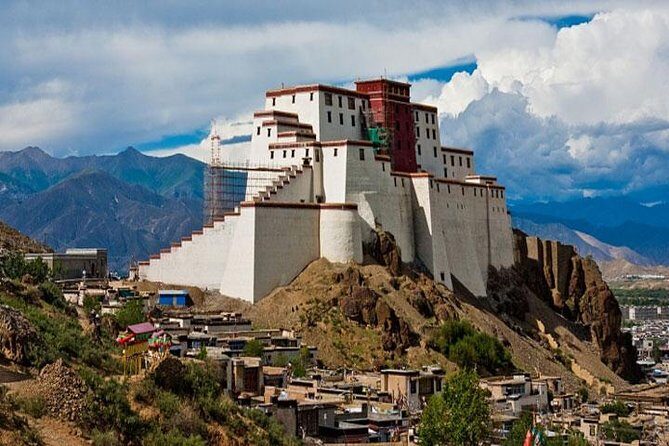
- Potala Palace panoramic time: you don’t just see it; you get the viewpoint over Lhasa town from the winter palace area.
- Big monastery circuit: Sera, Drepung, Jokhang Temple, Sakya Monastery, and Shalu Monastery are part of the program.
- Iconic road scenery on the way to Lhasa: Yamdrok Tso (Turquoise Lake) and the Brahmaputra River show up on your drive days.
- Small-group feel for Tibet: maximum of 30 people keeps the pace organized without feeling like cattle herding.
- Good support from Outshine Adventure: in past trips, staff like Asmita and Gokul were praised for smooth coordination and clear communication.
Why This Tibet Overland Tour Feels Like a Real Trip, Not a Checklist
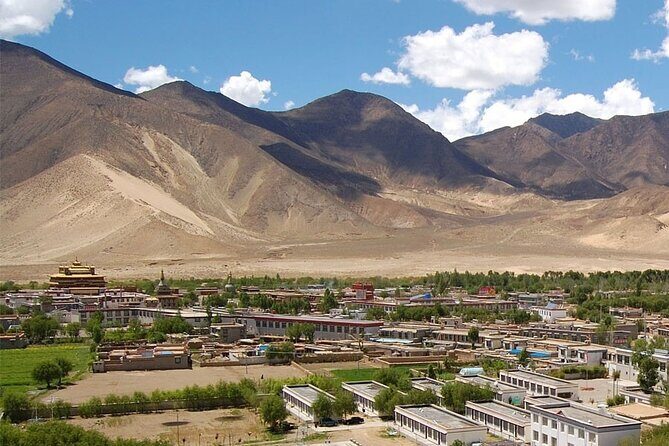
This 8-day fixed departure tour is designed for people who want the classic Tibet highlights without having to piece together permits, transportation, and guides on your own. The plan moves by van or bus with a set rhythm: wake up early, drive, then do structured sightseeing.
What makes it interesting is the balance. You get the iconic Lhasa landmarks, sure. But you also get the “in-between” parts that make Tibet feel like a journey: the border day, long mountain roads, and stops around Shigatse and Gyantse. It’s the kind of route that teaches you how people actually travel across a wide, high region.
And based on positive feedback about how the trip was organized, the emphasis is on making your experience smoother rather than fancy. When coordination is good, you spend less time worrying and more time noticing.
You can also read our reviews of more tours and experiences in Kathmandu.



Getting From Kathmandu to Kerung: Border Day and Permit Timing
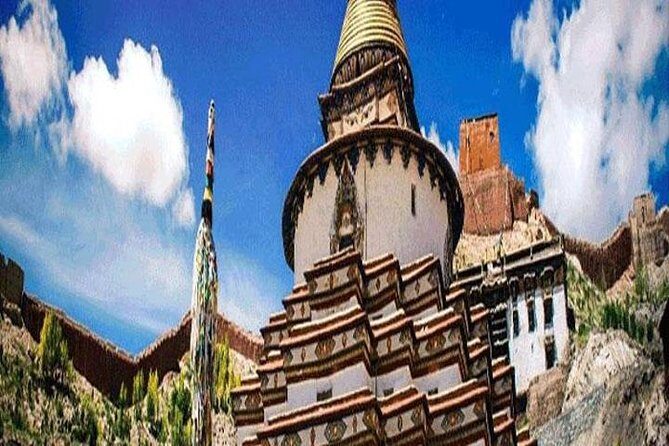
Your day starts early, with pickup offered and a 5:15 am start time for the drive to Kerung Border. After border formalities, you continue uphill toward Kerung. That early schedule matters because Tibet travel is slow by nature: roads, paperwork, and timing all add up.
The biggest practical item here is the paperwork timeline. The tour requires your original passport at least 3 working days in advance for the Tibet visa process, and you need booking confirmation for the Tibet tour permit at least 15 working days in advance. That’s not the kind of detail you can wing at the last minute.
If you want an easier trip, do this:
- Send your passport promptly once you’re told to.
- Plan your booking far enough ahead to meet the permit lead time.
- Keep your travel dates flexible around potential processing delays.
This is exactly the sort of thing where good support helps. Past experiences coordinated by Outshine Adventure staff (including Asmita and Gokul) were praised for handling permits and keeping entry smooth, which you really feel when the border day arrives.
Altitude Reality: The Passes on Your Road to Lhasa
This tour climbs high. That’s part of the point. It’s also the part that can make or break comfort.
You’ll cross major passes:
- Gyatchu La (5,220m) on the way to Shigatse
- Karo La (5,010m) and Kamba La (4,794m) on the route toward Lhasa
High passes mean slow driving and frequent pauses for views, but they also mean you’ll want to respect your body. Keep your pace calm. Drink water. Don’t treat the first day in the higher zones like a sightseeing sprint.
A drawback to be aware of: if you’re prone to altitude sickness, this route may feel intense because you’re not doing it as a slow acclimatization crawl over multiple weeks. So if altitude is a concern for you, you should talk with a clinician before you go and pack accordingly.
The upside is that these passes deliver memorable perspective: wide Tibetan plateau views and dramatic Himalayan angles that don’t happen from a city sidewalk.
Shigatse and Gyantse Days: Monasteries Plus Village Road Life
On the Shigatse-area day, you’re moving after breakfast with scenic road views and those high-pass moments. Shigatse is where Tibet starts to feel less like a distant dream and more like a working region. The drive gives you constant visuals of plateau terrain and daily life rather than only monumental sites.
Then the program shifts toward Gyantse, which tends to be a sweet spot for people who like places that feel less crowded. You’ll pass Tibetan villages and arrive to explore important religious sites around Gyantse, including:
- Tashlhumpu Monastery (Panchen Lama’s monastery)
- Gyantse Kumbum
- Gyantse Dzong
What makes this section valuable is the variety. You get monastery architecture, the sense of regional religious influence, and a stronger feeling for how Tibetan culture is organized outside Lhasa.
A small caution: monastery visits are steady blocks of walking and standing. If you’re sensitive to cold and wind, bring layers even in the warmer months. The plateau can humble your outfit fast.
Lhasa in Focus: Potala, Jokhang, Drepung, and Sera
Lhasa is the heart of the trip. Once you reach it, the schedule turns into a classic holy-site circuit with multiple major landmarks.
Your drive day toward Lhasa includes big “name” scenery:
- Yamdrok Tso (Turquoise Lake)
- Brahmaputra River views along the route
- plus the Karo La and Kamba La passes
That combo works well because it breaks up the day: you’re not only in transit, you’re also getting spectacle at intervals.





Potala Palace: the viewpoint moment
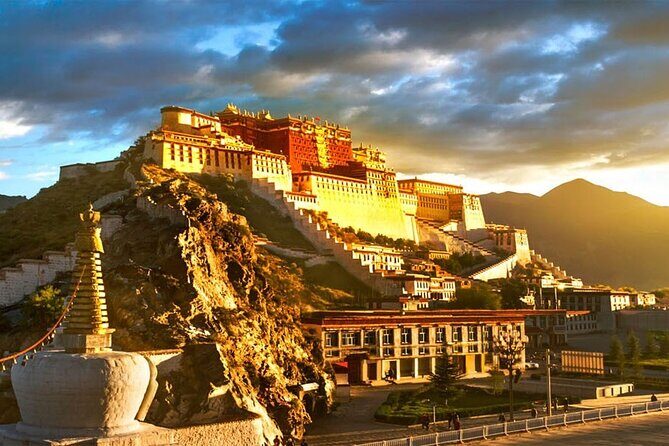
One of the most memorable stops is Potala Palace, described as the winter palace of the Dalai Lama. The key here is the panoramic view of Lhasa town from the palace area. It’s the kind of viewpoint that helps you understand the city’s layout and why Lhasa feels tightly linked to its sacred geography.
Drepung and Sera: monastery scale and atmosphere
Two major monasteries are included on your Lhasa sightseeing days:
- Drepung Monastery (built in the 14th century; tied to the idea of large monastic life in the past)
- Sera Monastery
These aren’t just museum stops. Monastery sites tend to be active spiritual spaces with daily rhythms, so you’ll want to slow down and watch how people move, pray, and conduct routines.
Jokhang Temple and Barkhor Bazaar: the lived-in center
You’ll also visit Jokhang Temple and spend time around Barkhor Bazaar. This is where Lhasa stops feeling like a list and starts feeling like a place. Barkhor is a strong way to get oriented fast: you’ll see pilgrims and everyday movement in the same area.
Tibet Museum, Norbulingka, Sakya, and Shalu
Other included highlights round out the trip:
- Tibet Museum
- Norbulingka Palace
- Sakya Monastery
- Shalu Monastery
I like that this set covers more than one angle—palace views, museum perspective, and separate monasteries that each carry their own identity. It makes the trip feel bigger than a single day of Lhasa sightseeing.
Transport, Hotels, and the Group Size Sweet Spot
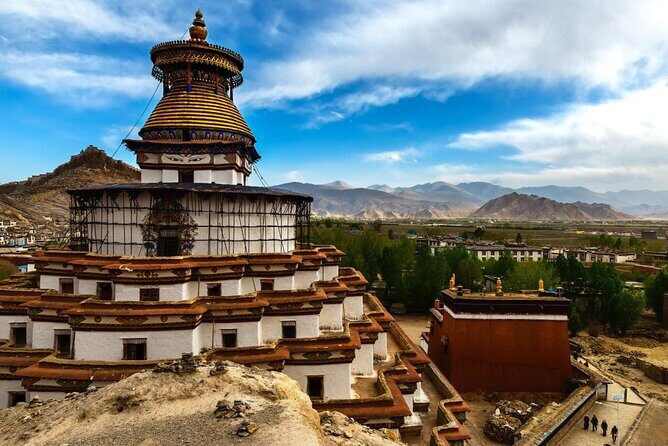
This tour is set for a maximum of 30 travelers. That matters because it keeps the pace organized while still giving you a chance to see things without constant rerouting. In a place like Tibet, where roads and timing are rigid, group size isn’t just a number—it affects how smoothly you move between sites.
Transport is by van or bus as per the itinerary. Reviews praising the trip often mentioned things like safe driving and comfortable, clean hotels. That lines up with the included structure: your accommodations are twin sharing rooms on a bed-and-breakfast basis, and the itinerary includes breakfasts (7 total).
One practical drawback: since lunch and dinner aren’t included, you’ll rely on what’s nearby or what the group plan offers that day. If you have dietary needs, plan ahead and be ready to communicate clearly.
Price and Value: What $1,300 Covers (and What It Doesn’t)
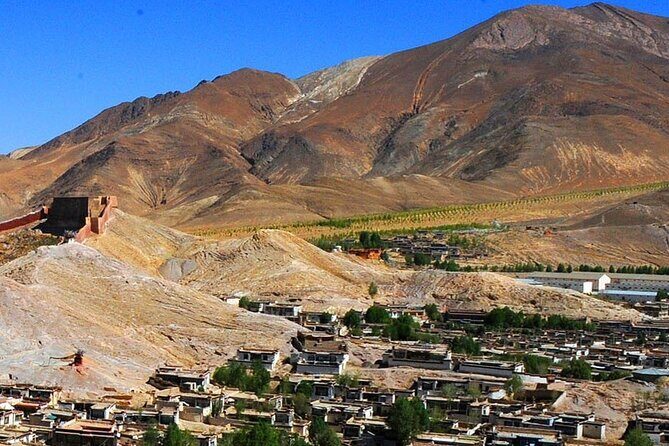
At $1,300 per person for an ~8-day fixed departure, the big value piece is that this price isn’t just transportation and sightseeing. It includes:
- Tibet Travel Permit
- monastery entrance fee
- an English-speaking Tibetan guide
- twin-sharing rooms
- breakfasts (7)
- transport by van or bus as per the route
What’s not included:
- lunch and dinner
- visa fee and flight fare
- any single supplement if you need your own room
- tips and personal expenses
- and any issues tied to natural or political disturbances beyond control
So how does this feel in real terms? You’re paying to remove the painful parts: permits, key entry costs, and guided navigation of religious sites. If you’ve ever tried to coordinate a Tibet trip on your own, you know how quickly time and stress pile up. This format shifts the effort into a ready-made plan.
The best way to judge value is simple: if you want a structured route with permit handling and a guide, the price makes sense. If you prefer total DIY control and already have everything lined up, this may feel more expensive than a custom plan.
Getting the Most From Sacred Stops Without Rushing
The itinerary is packed with major monasteries and temples. Your best strategy is to treat each stop as a different “kind” of visit:
- At Potala Palace, aim to pause at the viewpoint so the city makes sense.
- At Jokhang Temple and Barkhor, focus on orientation and atmosphere—this area helps you grasp how everyday life overlaps with pilgrimage.
- At Sera and Drepung, take time with details of how the sites function, not just where to stand for photos.
Also, keep in mind that Tibet days can feel long even when the program is smooth. Layers matter. Water matters. And pace matters.
A small but useful mindset: you’ll get more out of these sites if you treat the road days (Kerung, Shigatse, Gyantse valley drives) as part of the experience, not just the time between destinations. That’s where you often feel the “Tibet overland” part most clearly.
Should You Book This Fixed-Departure Tibet Group Tour?
You should seriously consider booking if you want:
- a guided Tibet plan that handles core logistics like the Tibet permit and monastery entry
- a classic route through Lhasa plus meaningful stops at Shigatse/Gyantse
- a small-group size (up to 30 people) with transport by van or bus
- help from a company team that has been praised for organization and clear communication, including Asmita and Gokul in past experiences
You might pass if:
- altitude is a concern for you and you need a slower acclimatization schedule
- you hate very early starts (the plan begins around 5:15 am)
- you prefer lunch/dinner built into the package
If you want Tibet with less friction and more structure, this tour style is a solid fit. It’s not trying to be fancy; it’s trying to get you safely from holy site to holy site with your paperwork handled and your days organized.
FAQ
How long is the Fixed Departure Tibet Overland Group Joining Tour?
It runs for 8 days approximately.
Where does the tour start and where does it end?
It starts in Kathmandu, Nepal, and on the final day you drive either back to Kathmandu or onward to Mainland China.
What is the meeting start time?
The meeting start time is 5:15 am.
What’s included in the price?
Included items are twin sharing rooms on a bed-and-breakfast basis, an English-speaking Tibetan guide, transportation by van or bus as per the itinerary, monastery entrance fees, the Tibet travel permit, and breakfast (7).
Is pickup offered?
Yes, pickup is offered.
Do I need to send my passport in advance?
Yes. You need your original passport at least 3 working days in advance for Tibet visa requirements and booking confirmation at least 15 working days in advance for the Tibet tour permit.
Are lunch and dinner included?
No. Lunch and dinner are not included, so you’ll need to plan for meals separately.