REVIEW · KATHMANDU
Island Peak Climbing
Book on Viator →Operated by Accessible Adventure Pvt. Ltd · Bookable on Viator
Scaling Island Peak is a real step up.
You’re mixing the classic Everest-area trekking route with hands-on mountaineering skills, which makes this feel like more than just another hike. I particularly like the way the schedule builds altitude slowly (including Chhukung Ri for acclimatization) and how the summit portion includes a dedicated Sherpa guide from base camp. One thing to consider: you’ll need decent high-altitude trekking experience first, because Island Peak is 6,189m and the days are long.
You also get real logistics handled for you, not just a list of trails. A round-trip flight Kathmandu–Lukla–Kathmandu, private vehicle transfers in Kathmandu, permits, meals, and trekking/camp support mean you can focus on pacing, hydration, and recovery. The one weather-related reality is that day 10 is built in as a contingency, so you should stay flexible if conditions are rough.
Overall, this program is aimed at turning trekking confidence into mountaineering confidence. You’ll be supported by a professional climbing leader, an assistant guide, and climbing Sherpa support, while the route funnels you through the Everest corridor villages before the “ice and crampons world” starts.
In This Review
- Key highlights at a glance
- Island Peak: a mountaineering taste that starts with trekking legs
- Kathmandu to Lukla: getting altitude in the most Nepal way possible
- The classic Everest corridor: Phakding, Namche, Tengboche, Dingboche
- Chhukung Ri and the turn toward real climbing
- Summit day on Island Peak (6,189m) and the value of contingency planning
- The real support system: leaders, guides, and group equipment
- Lodges, tents, and the small comfort wins that help you recover
- Transportation, permits, and the part people forget: paperwork
- Price and value: what $2,900 buys you (and what it doesn’t)
- Who this Island Peak climb fits best
- Quick tips for making this trip easier on yourself
- Should you book this Island Peak climb with Accessible Adventure?
- FAQ
- What is the highest point on this Island Peak climb?
- How does the trip handle acclimatization before the climb?
- Is there support on the summit day?
- What equipment is included, and what do I need to bring?
- Are meals and accommodations included?
- Do I need permits for Island Peak?
- What happens if summit conditions are bad?
Key highlights at a glance
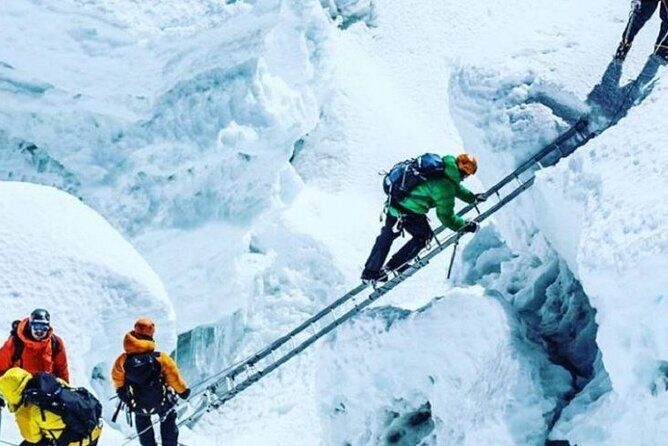
- Everest-area acclimatization first, with stops at Phakding, Namche Bazaar, Tengboche, and Dingboche
- Chhukung Ri included for a smart altitude warm-up before the main climb
- Summit day support from base camp, with a climbing Sherpa guide for the push to the top and back
- Contingency day on summit weather, so the schedule can absorb bad conditions
- Climbing gear support as part of the plan, including group tools like rope, ice screws, and hammers
- Lodging comfort where it matters, with private bathrooms and hot shower at Phakding, Namche, and Lukla
Island Peak: a mountaineering taste that starts with trekking legs
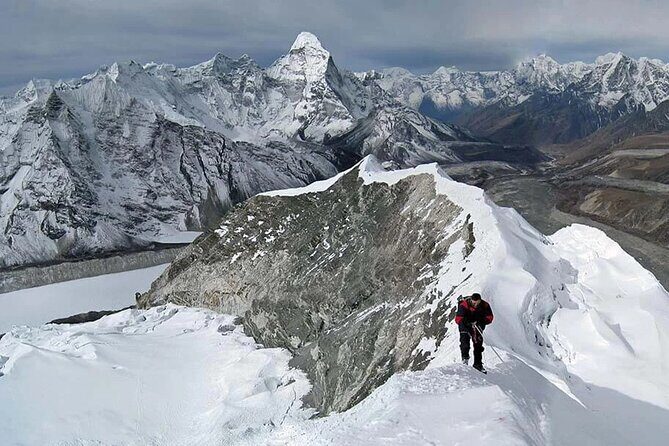
Island Peak is one of Nepal’s famous “trekking peaks,” but don’t let the name trick you. At 6,189m, it’s still serious altitude, cold, and technical climbing. What makes it a great first mountaineering objective is the way the trip ramps up from trekking into real glacier-style movement—slowly enough that you can learn without feeling rushed.
I like that the trip is framed as a step between worlds: you’re not thrown straight onto a technical route from day one. Instead, you build familiarity with the rhythm of the Himalaya first—walking high, resting, eating well, and watching how your body reacts. If you’ve already done high-altitude trekking, you’ll recognize the pattern, and then the technical climbing piece starts to make sense.
You’re also climbing in the Everest region, which means your training days come with big “wow” scenery and Sherpa culture—long before the summit day. And yes, the practical side is handled: permits, meals, and staff support are part of the package, so you’re not piecing together key pieces alone.
You can also read our reviews of more tours and experiences in Kathmandu.



Kathmandu to Lukla: getting altitude in the most Nepal way possible
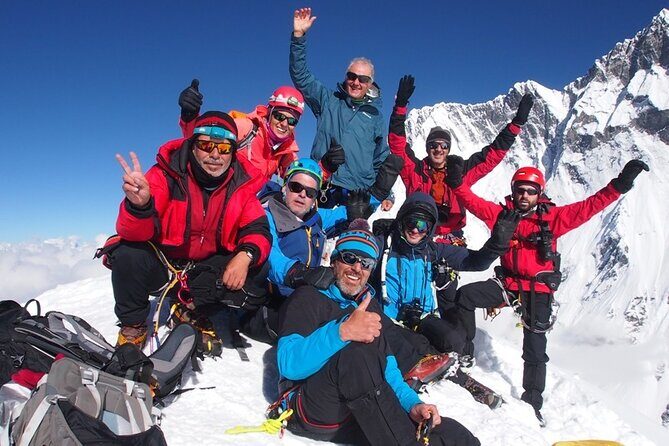
Your trip begins in Kathmandu (at about 1,338m), with pickup offered and private transport included for ground moves. You’ll spend one night in a 3-star category hotel with breakfast, in twin sharing.
Then comes the signature jump: a flight to Lukla (about 2,800m). Even if you’ve flown in mountains before, Lukla has a way of reminding you that Nepal doesn’t do anything halfway. After landing, you trek to Phakding (about 2,652m). This day matters because it helps you transition from city life to high-country pacing.
A small detail I appreciate: you get rooms with private bathrooms and hot shower at Phakding, Namche, and Lukla. That’s not just comfort for comfort’s sake. Being able to wash and reset helps when you’re wearing layers all day and sleeping in colder air.
The classic Everest corridor: Phakding, Namche, Tengboche, Dingboche
From Phakding, you walk toward Namche Bazaar (about 3,440m). This leg is a gentle on-ramp to altitude, with a steady climb that lets you settle into breathing and footwork. Namche is where the trip becomes more than exercise; it’s where you start feeling like you’re in the Everest ecosystem.
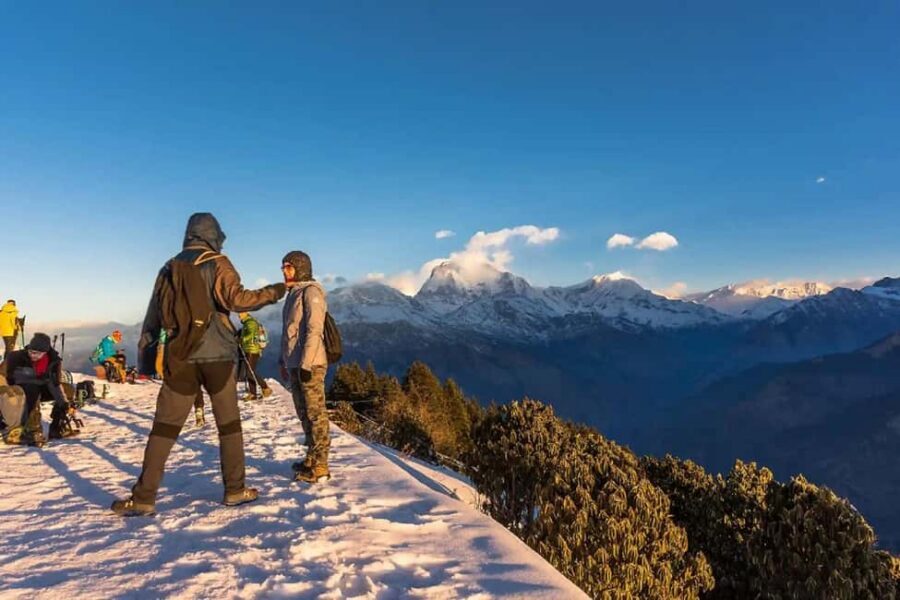
You get an acclimatization day in Namche, with a hike to the Everest view hotel. This is a practical approach to altitude: you go higher, you look around, you come back. That up-and-down rhythm is the whole point of acclimatization days.
Then the route continues to Tengboche (about 3,860m). Tengboche is a great stop for culture and viewpoints, and the hike gives your legs time to get used to the grade at altitude. After that, you reach Dingboche (about 4,410m), which is a common launch point for higher days in this region.
At these heights, your pace matters more than your speed. You’ll likely feel the air thinning, and that’s why this itinerary spreads altitude across multiple days instead of stacking big climbs too quickly.
Chhukung Ri and the turn toward real climbing
The itinerary hits Chhukung through a key acclimatization step: you climb Chhukung Ri (about 5,546m) and then trek to Chhukung (about 4,730m). This “up to gain, down to recover” pattern is exactly what you want before the technical portion.
Chhukung is where the atmosphere shifts. You can feel it in the gear and in how you walk. By the time you reach Island Peak base camp, you’re transitioning from trekking comfort to climbing readiness. Your body knows it’s higher now, but the schedule still gives you enough time in the zone to adapt.
One smart thing here: the plan doesn’t treat base camp as a random stop. It builds a progression toward climbing, so you’re not guessing how the next stage should feel.
Summit day on Island Peak (6,189m) and the value of contingency planning
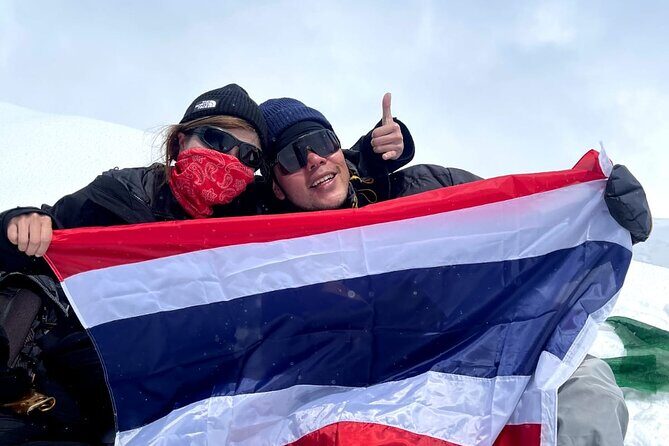
Here’s the heart of the experience: day 9 is the summit push to Island Peak at about 6,189m, followed by the descent back to Chhukung. Summit day in high Himalaya terrain is never a quick walk. It’s cold, it’s tiring, and it requires concentration—especially on technical sections and in changing light.
This is also where the support structure matters most. You’re not going to be “solo-ing” the hardest part. The trip includes a climbing Sherpa guide from Island Peak base camp for the summit and back to base camp. That’s a big deal because it reduces uncertainty at the moment when conditions can tighten up and choices matter.
Then there’s day 10: a contingency day. It’s there because weather can shut down a summit attempt. Instead of forcing a risky go/no-go call, you get an extra day to summit if conditions improve. For you, that means you can plan around real mountain variability instead of chasing a single fixed clock.
And yes, it also means you should stay flexible with your expectations. If the summit doesn’t happen on the targeted day, the trip has been built to absorb that without derailing the whole schedule.





The real support system: leaders, guides, and group equipment
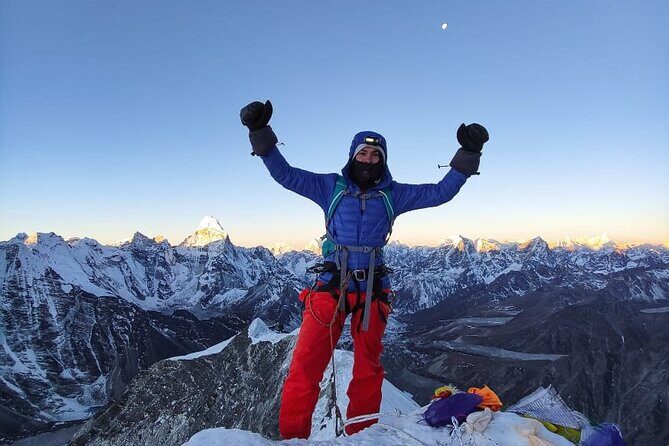
What I like most about this program is that it leans into teamwork in the way mountaineering actually works. You’ll have a local licensed English-speaking trekking guide, plus a professional climbing leader, and an assistant guide system that scales with group size (one assistant guide for every six trekkers). There are also porters and helpers as needed.
You’re also provided with a lot of climbing and trekking essentials that reduce your burden. The package includes:
- a duffle bag, sleeping bag, and down jacket for use during the trek and climb
- group climbing equipment like rope, ice screw, snow bar, and ice hammer
That matters because summit-level climbing requires specific gear—and cold-weather survival is hard when you’re improvising. You still need to bring your own personal trekking and climbing gear, but having the core equipment handled takes pressure off your packing.
The reviews also point to how approachable the team is once you’re in the process. One standout theme is the friendliness and approachability of the guide, plus a sense of professional support throughout. And the company name you’ll hear is Himal, the manager of Accessible Adventures, who’s described as a great person by past clients. That kind of leadership tone matters in the mountains, where small problems can become big ones fast.
Lodges, tents, and the small comfort wins that help you recover
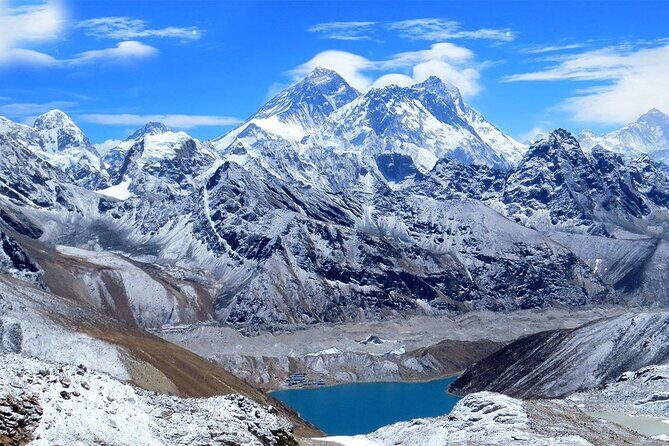
During the trek, you’ll use the best available local lodges. During the climb, you’ll switch to tented accommodation. This is typical for the higher section of Nepal peaks, but it’s still useful to know so you can adjust your expectations.
Your trek nights at Phakding, Namche, and Lukla include private bathrooms and hot shower. I’d treat that as a performance tool. Warm water makes it easier to sleep, which helps recovery, which helps altitude tolerance.
Meals are included on the trek and climb: breakfast, lunch, dinner, plus tea/coffee. Food quality varies in the Himalaya, but having your basic meals covered keeps your energy stable and prevents “hangry altitude” from taking over your decision-making.
Transportation, permits, and the part people forget: paperwork
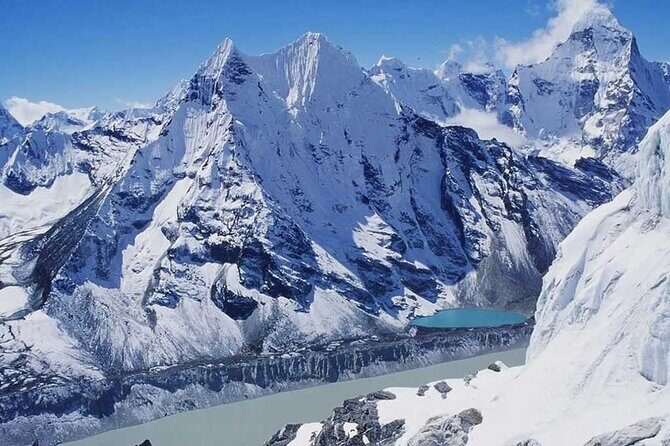
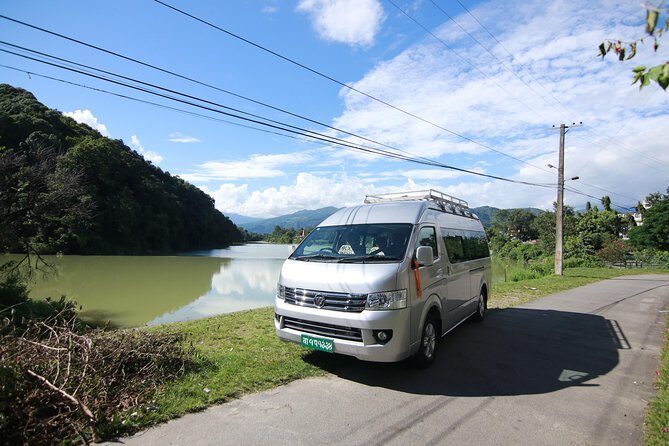
This trip includes round-trip flights Kathmandu–Lukla–Kathmandu and departure taxes, plus all ground transport by private vehicle within Kathmandu as per the program.
Permits are also included, including:
- Island peak climbing permit
- National park permits
There’s a practical catch: you need to bring two passport-size photos for the permit. That’s the kind of small requirement that can derail things if you ignore it. Pack photos before you leave.
Also note: international airfare and visa arrangement for Nepal are not included. You’ll need to handle your own Nepal visa steps and any international flights separately.
Price and value: what $2,900 buys you (and what it doesn’t)
The price is listed as $2,900 per person for about 14 days. For a summit attempt at 6,189m, round-trip flights to Lukla, guides, permits, meals, and provided climbing gear, that’s not a bargain price. But it also isn’t just paying for walking.
You’re paying for a whole stack of real costs:
- Lukla flights (major operational expense)
- guides and climbing Sherpa support
- permit fees
- included meals and accommodation
- group climbing equipment
- contingency planning built into the schedule
What’s not included is equally important:
- travel and rescue insurance
- personal trekking and climbing gears
- alcoholic drinks and cold drinks
- sightseeing in Kathmandu
- extra Kathmandu meals and added nights
If you already know you want full-service support and you don’t want to manage permits, staffing, and base-camp climbing logistics yourself, the package looks like solid value. If you’re traveling on a tight budget and plan to handle most components independently, you might feel the cost.
Who this Island Peak climb fits best
This is designed for adventure lovers with some high-altitude trekking experience. It’s a good match if you’ve walked in thinner air before and you understand that a summit attempt is not just about fitness—it’s about pacing, cold tolerance, and following guide instructions.
It’s also suited to people who like structure. The itinerary alternates walking and acclimatization days, includes Chhukung Ri, and adds a contingency day for weather. That’s ideal if you want a plan that respects how mountains behave.
You might want to think twice if you’ve never trekked above roughly 4,000m, or if the idea of cold technical climbing at high altitude makes you nervous. In that case, a lower objective or more trekking practice could be a better first step.
Quick tips for making this trip easier on yourself
You’ll feel the altitude. So your best “gear” is smart behavior:
- Keep your pace steady and don’t chase other people on steep sections.
- Treat rest and hydration as training, not downtime.
- Bring the required passport photos for permits so nothing stalls at the start.
Also, ask the operator for the personal gear list early. Since personal trekking and climbing gears are not included, you’ll want to align your kit with what the team expects before you arrive in Kathmandu.
Finally, remember day 10 exists. If weather turns, you’ll want your schedule to be flexible enough to absorb that extra day without stress.
Should you book this Island Peak climb with Accessible Adventure?
If your goal is a first mountaineering step that still feels grounded in real Everest-area trekking, this program is a strong choice. The combination of acclimatization days, Chhukung Ri prep, summit support from base camp, included group climbing equipment, and a built-in contingency day makes it more thoughtful than many “just get to the top” approaches.
I’d book if you want a guided plan with real staff support and you’re ready for cold, technical climbing at altitude. I’d pause if you’re unsure about your high-altitude trekking experience or you hate the idea of weather changing your summit timing. If that sounds like you, you’ll likely enjoy preparing more first.
FAQ
What is the highest point on this Island Peak climb?
The summit day reaches Island Peak at about 6,189m, and the itinerary then returns back to Chhukung.
How does the trip handle acclimatization before the climb?
You build altitude with multiple trekking days through the Everest region, including an acclimatization day in Namche Bazaar and a high acclimatization hike to Chhukung Ri before moving to Chhukung.
Is there support on the summit day?
Yes. A climbing Sherpa guide is provided from Island Peak base camp for the summit and the return to base camp.
What equipment is included, and what do I need to bring?
The trip includes group climbing equipment such as rope, ice screw, snow bar, and ice hammer. It also provides a duffle bag, sleeping bag, and down jacket for use during the trek and climb. You still need to bring your own personal trekking and climbing gear.
Are meals and accommodations included?
Yes. Meals (breakfast, lunch, dinner) are included during the trek and climb, along with tea/coffee. Accommodation is provided in local lodges during the trek and in tents during the climb, with private bathrooms and hot shower at Phakding, Namche, and Lukla.
Do I need permits for Island Peak?
Permits are included, including the Island peak climbing permit and National Park permits. You’re asked to bring two passport-size photos for the permit process.
What happens if summit conditions are bad?
There is a contingency day built into the schedule to allow an additional attempt if weather prevents the summit on the planned day.