REVIEW · KATHMANDU
Kathmandu Valley sightseeing tour
Book on Viator →Operated by Amigo Treks & Expedition · Bookable on Viator
Temples, stupas, and squares in four days. I love how this route strings together the valley’s big UNESCO sights without making you plan each leg, and I also like that the trip includes 3 nights with breakfast plus dinner so your daily logistics are simpler.
One thing to plan for: monument entrance fees aren’t included, so you’ll want to budget extra depending on which sites you pay for.
Small-group cap (max 10) means you’re less likely to get lost in the shuffle.
Air-conditioned vehicle keeps the long drives more comfortable.
Free admission at Boudha and Swayambhunath saves money (admission varies by stop).
Airport transfer + hotel-to-airport on Day 4 reduces last-day stress.
3 nights in Kathmandu with breakfast + dinner keeps the core costs predictable.
In This Review
- Why this Kathmandu Valley route makes sense for first-time Nepal visitors
- Price and Logistics: what you really get for $300
- Day 1: confirm your first stop and get set up in Kathmandu
- Day 2 lineup: Pashupatinath, Kathmandu Durbar Square, then Boudha and Swayambhunath
- Pashupatinath Temple: plan for a focused, 1-hour visit
- Kathmandu Durbar Square: palace-square energy for about an hour
- Boudha: ticket-free stupa time
- Swayambhunath: a shorter 45-minute stop with free admission
- Day 3 sunrise trip: Bhaktapur Durbar Square at first light
- Day 4: airport or next-hotel transfer, so you don’t scramble
- Comfort level: small group, air-conditioned rides, and what that means in practice
- The Amigo Treks & Expedition factor: organization and staff professionalism
- What to pack and how to get the most out of each stop
- Who this tour is best for
- Should you book this Kathmandu Valley Sightseeing Tour?
- FAQ
- What is the duration of the Kathmandu Valley sightseeing tour?
- How much does the tour cost per person?
- What’s included in the price?
- What is not included?
- Are entrance fees included for every site?
- Is pickup available and where does the tour start?
- What time does the tour start?
- How many people are in the group?
- Is there free cancellation?
Why this Kathmandu Valley route makes sense for first-time Nepal visitors
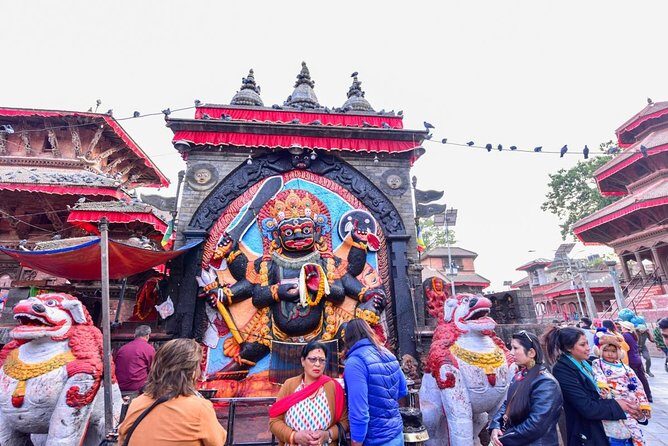
Kathmandu Valley can feel like a blur when you first arrive. There are temples everywhere, traffic has its own rhythm, and it’s easy to lose time figuring out transport and entry tickets day by day. This tour helps you get your bearings fast by rolling the major cultural stops into a 4-day, structured loop.
What makes it especially practical is the mix of famous sacred landmarks: you’re not only visiting one temple or one durbar square. You get a sequence of different vibes in a short time—temple grounds, palace squares, and stupa areas—so you can compare how each place “reads” on the ground.
It also fits real schedules. The start time is 7:00 am, which is early enough to beat the worst of the day, but not so early that you need to run on jet lag fumes. And the group size limit of up to 10 people keeps the day from feeling like a cattle line.
Price and Logistics: what you really get for $300
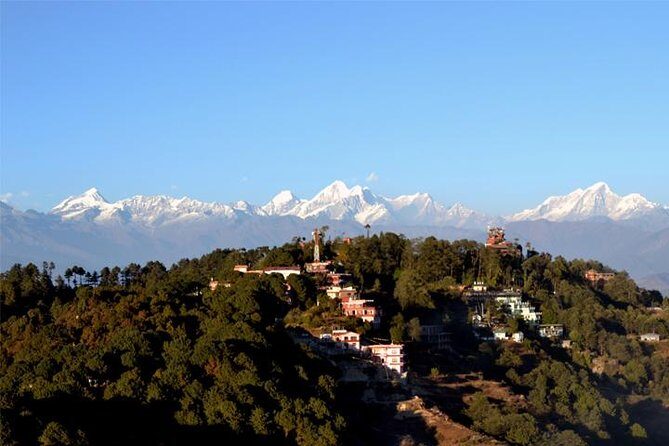
At $300 per person, this isn’t a budget-only “bus tour,” and it isn’t a premium private guide either. It sits in a middle lane where you get real value because the big-ticket items are handled: 3 nights of accommodation in Kathmandu, breakfasts (3), dinner, and an air-conditioned vehicle for moving between sights. Plus, the tour includes an airport transfer, and on the final day you’re taken from your hotel to the airport or another hotel.
Here’s the cost-shaped reality: the package helps with the heavy lifting, but monument entrance fees are not included. That matters because Kathmandu Valley sites can require separate tickets depending on where you go and what you choose to enter. The good news is that Boudha and Swayambhunath list admission as ticket free in the plan you have, which can offset some of the paid sites later.
Also pay attention to meals. The trip covers breakfast, and it explicitly includes dinner, but it doesn’t promise lunch or other meals besides breakfast. So plan on paying for at least part of your food on your own during the day.
The bottom line: if you’d otherwise spend money on separate transport, scattered tours, and hotel nights, this package usually feels fair—because it bundles the essentials.
You can also read our reviews of more tours and experiences in Kathmandu.



Day 1: confirm your first stop and get set up in Kathmandu
The schedule detail provided for Day 1 doesn’t name a specific sightseeing stop. That doesn’t mean the day is empty—it just means the exact first activity isn’t spelled out in the information you shared.
So here’s the practical move: when you book (or right after), ask Amigo Treks & Expedition what the Day 1 stop is and what time you’ll start. Since the tour indicates a 7:00 am start time, you’ll want to know whether Day 1 is more about orientation plus an early site visit, or a slower landing day with less walking.
Even if Day 1 is light, you’ll still benefit from the structure: you’re in Kathmandu for 3 nights, and you’ll have breakfast included. That helps you recover from travel, adjust to altitude-level feelings (Kathmandu is high enough for most people to notice), and be ready for the heavier site days that follow.
Day 2 lineup: Pashupatinath, Kathmandu Durbar Square, then Boudha and Swayambhunath
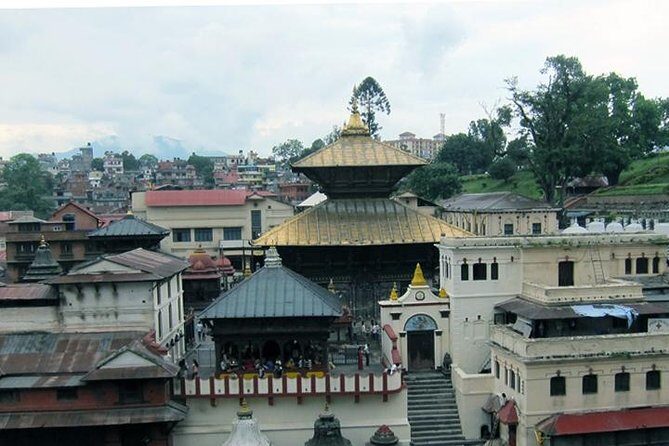
Day 2 is the core “big names” day. You start with Pashupatinath Temple, then move to Kathmandu Durbar Square, and later balance the day with stupa time at Boudha and Swayambhunath.
Pashupatinath Temple: plan for a focused, 1-hour visit
You’ll spend about 1 hour exploring around Pashupatinath Temple. Admission is not included, so keep some cash or be ready to pay on-site.
This kind of site works best when you don’t try to see everything at once. With a fixed hour, I’d treat it like a “get the feeling, then take a few photos you actually care about” stop. Wear something comfortable and respectful. Bring a light layer if you get cool in the morning shade, and keep your phone protected if it’s breezy.
Kathmandu Durbar Square: palace-square energy for about an hour
Next is Kathmandu Durbar Square, also listed for about 1 hour, with admission not included.
Durbar squares can feel different from temple grounds. They’re often more about the built environment—crowds, courtyards, and the sense of old power in stone. I like this stop after Pashupatinath because the shift gives your brain a breather while still staying in the UNESCO zone.




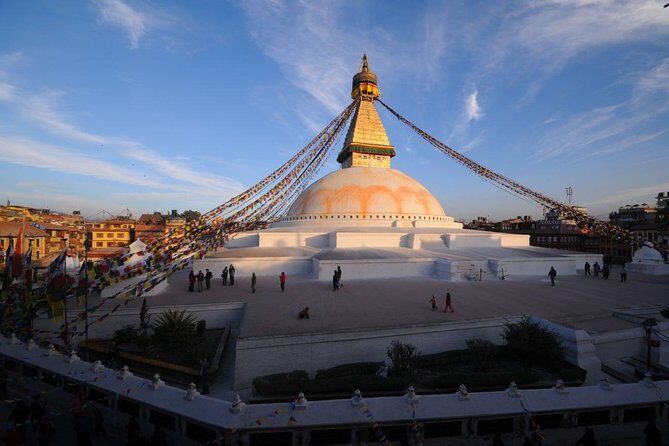
Boudha: ticket-free stupa time
Then you head to Boudhha for about 1 hour, and here admission is listed as free.
This is one of the stops where you can slow down. Since you’re not paying admission here (based on your plan), you’ll likely spend your time on atmosphere—walking the area, people-watching, and letting the place work on you a bit. If you’re the type who likes to rest your legs mid-day, this is a good place to do it without feeling like you’re “wasting” paid time.
Swayambhunath: a shorter 45-minute stop with free admission
Finally on Day 2: Swayambhunath for about 45 minutes, also listed as free.
A shorter time slot can be a blessing. You get to include the site without turning Day 2 into an endurance contest. Just be ready for a bit of climbing or uneven ground depending on where you walk within the area. Comfortable shoes matter more than you think in Kathmandu.
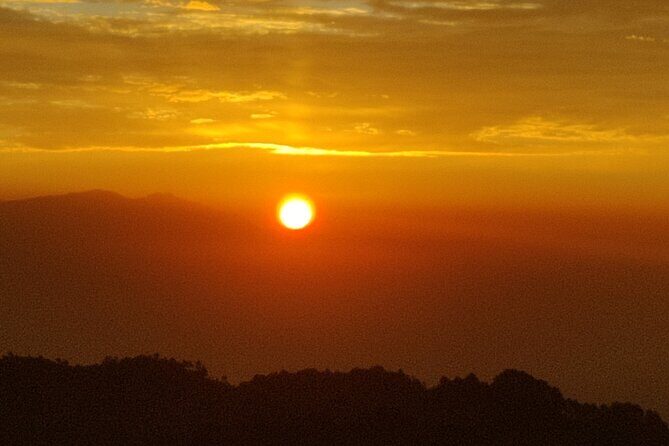
Day 3 sunrise trip: Bhaktapur Durbar Square at first light
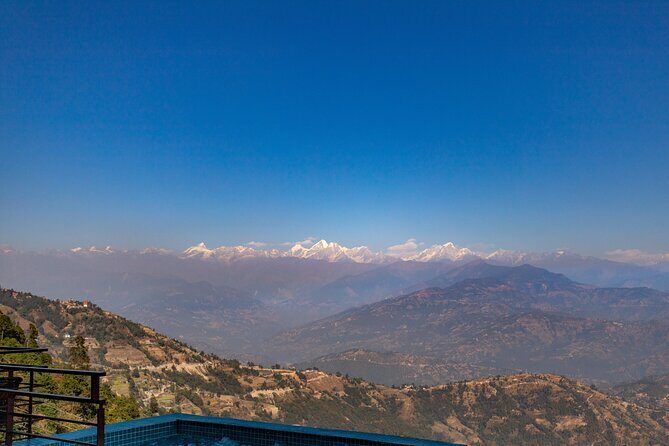
Day 3 is labeled a Sunrise Trip, and it includes Bhaktapur Durbar Square with about 1 hour 30 minutes of exploration. Admission here is listed as not included.
A sunrise start can be worth it, even if you’re not a “morning person.” Early light tends to make old stone feel less harsh and more textured. Plus, you’re less likely to feel rushed. With 1.5 hours at Bhaktapur Durbar Square, you can take the time to wander instead of sprinting from one photo angle to the next.
What you should plan for: sunrise trips can be chilly at the start, even when the city later warms up. Bring layers you can peel off. Also, if you’re sensitive to early mornings, don’t schedule anything stressful the night before. This is one of those days where good sleep pays you back fast.
Day 4: airport or next-hotel transfer, so you don’t scramble
Day 4 is all about the handoff: transfer from your hotel to the airport or another hotel, and it’s included.
That’s a surprisingly big deal at the end of a Kathmandu trip. Traffic and timing can turn the last day into chaos if you’re trying to arrange your own ride. With a transfer built in, you can focus on packing, double-checking your flight time, and leaving with less stress.
If you’re extending your stay, the plan allows an option to transfer you to another hotel. That’s helpful if you’re bouncing into trekking logistics afterward.
Comfort level: small group, air-conditioned rides, and what that means in practice
This tour runs with a maximum of 10 people, which usually translates to a better rhythm for sightseeing. You’re more likely to keep together, ask questions, and actually hear what’s being explained instead of repeating yourself in a crowd.
It also includes an air-conditioned vehicle. In Kathmandu traffic and warmer parts of the day, air-con isn’t a luxury. It’s the difference between feeling okay at the end of the day and feeling like your energy got drained before you even started sightseeing.
You’ll also get pickup offered. That reduces the “where do I meet” anxiety, especially if you’re still learning how the city’s transit works. The meeting point is listed as near public transportation, which is helpful if you end up arriving a little early or need to get there on your own.
The Amigo Treks & Expedition factor: organization and staff professionalism
This experience is operated by Amigo Treks & Expedition. In other trips with this same operator, people have praised the team for keeping things organized: hotels, shuttles, and meals are handled with a clear plan. Names like Dinesh and Niti Sharma come up as part of that professional support, and there’s also mention of punctual staff such as Rupesh on another itinerary.
For you, the takeaway is simple: if you want someone else to coordinate the moving parts, choose the option that has proven it can keep the schedule running. In a city where plans can drift, that kind of reliability matters.
What to pack and how to get the most out of each stop
Because the tour includes multiple sacred sites with walking and uneven surfaces, your comfort choices matter. Based on the time slots and the types of stops, I’d pack for a mix of short and longer walks.
Useful basics:
- Comfortable walking shoes with decent grip
- Light layers for a sunrise day (and early morning chill)
- A scarf or shawl for temple areas where modesty helps
- Cash for sites where admission is not included
- A small water plan for the day (the package doesn’t mention beverages being included)
Also, pace yourself. Each site is given a set exploration time (often around one hour, with a 45-minute stop and a 1.5-hour stop). That’s your cue not to treat each place like an all-day museum. Go for the core impressions, take a few photos, and move with the group.
Who this tour is best for
This Kathmandu Valley tour is a strong match if you want:
- A structured way to see major UNESCO sites without planning transport between every stop
- A small group setting with up to 10 people
- Core logistics handled: accommodation (3 nights), breakfast, dinner, air-conditioned vehicle, and airport transfer
It’s especially suited to people who are short on time or don’t want to negotiate with multiple transport providers. It’s also family-friendly based on the tour’s stated highlights, though you’ll still be doing walking around temple areas, so bring practical shoes and keep expectations realistic.
If you love customizing every detail, a private tour might give more control. But if you want a dependable “see the valley highlights” plan, this one fits the bill.
Should you book this Kathmandu Valley Sightseeing Tour?
I’d book it if your goal is a high-value Kathmandu primer: UNESCO temples and squares over 4 days, with most of the big logistics included and the comfort of an air-conditioned vehicle.
I’d think twice only if you hate paying separate entrance fees or you’re trying to maximize every hour with unpaid, extra stops. Since monument entrance fees aren’t included, your final cost depends on what you choose to enter at each site.
If you do book, do these two things:
- Budget for entrance tickets on the paid sites
- Ask what exactly happens on Day 1, since the specific stop isn’t clearly listed in the details you shared
With that sorted, you’ll get a clean, well-timed circuit through Kathmandu Valley’s most iconic spiritual and historic landmarks.
FAQ
What is the duration of the Kathmandu Valley sightseeing tour?
The tour is listed as 4 days (approx.).
How much does the tour cost per person?
It costs $300.00 per person.
What’s included in the price?
The package includes 3 nights of accommodation in Kathmandu with breakfast, dinner, an air-conditioned vehicle, and airport transfer. You also get breakfast (3) and a mobile ticket.
What is not included?
Not included: Nepal arrival visa, flights into and out of Nepal, meals in Kathmandu except breakfast, monument entrance fees, beverages/mineral water/beer, travel insurance, personal expenses, and any extending trips.
Are entrance fees included for every site?
No. Admission is not included for some stops (for example Pashupatinath and Kathmandu Durbar Square, and Bhaktapur Durbar Square). Admission is listed as free for Boudhha and Swayambhunath.
Is pickup available and where does the tour start?
Pickup is offered. The start is listed in Kathmandu, Kathmandu Valley, Bagmati Zone, Central Region, and it ends back at the meeting point.
What time does the tour start?
The start time is listed as 7:00 am.
How many people are in the group?
The tour has a maximum of 10 travelers.
Is there free cancellation?
Yes. Free cancellation is available up to 24 hours in advance for a full refund. If you cancel less than 24 hours before the start time, it isn’t refunded.