REVIEW · KATHMANDU
Manaslu Circuit Trek to the Beauty of 8th Highest Mountain
Book on Viator →Operated by Bold Himalaya Treks and Travels Pvt Ltd · Bookable on Viator
Larkya La turns the Manaslu Circuit serious. This 11-day loop around Nepal’s Manaslu region mixes Tibetan-style villages, big mountain views, and a smart acclimatization rhythm. You’ll also get the administrative stuff handled up front with permits like the restricted-area entry and TIMS.
I like two things a lot here. First, the itinerary is built around altitude awareness, including a rest day in Samagaun before the high pass day. Second, the trip value is strong because so much is included: licensed English-speaking guide and porter support, trekking lodge nights on the route, and full meals with seasonal fruit and nuts.
One thing to consider: the Larkya La crossing day is long and high. Expect a challenging 8–10 hour day at about 5,160 meters, and plan your fitness and time accordingly.
In This Review
- Key points before you go
- Why the Manaslu Circuit feels different from most treks
- Price and value: what $365.75 really buys you
- Entering the trek: Kathmandu to Machha Khola without drama
- Day-by-day on the Manaslu Circuit (what each section feels like)
- Day 1: Kathmandu to Machha Khola
- Day 2: Machha Khola to Jagat (forests and village rhythm)
- Day 3: Jagat to Deng (the mountains start showing up more)
- Day 4: Deng to Namrung (Tibetan-style village feel)
- Day 5: Namrung to Samagaun (panoramas and the Manaslu sightlines)
- Day 6: Samagaun rest day (acclimatization with options)
- Day 7: Samagaun to Samdo (alpine meadows and gradual ascent)
- Day 8: Samdo to Dharamshala/Larkya Phedi (the pass base zone)
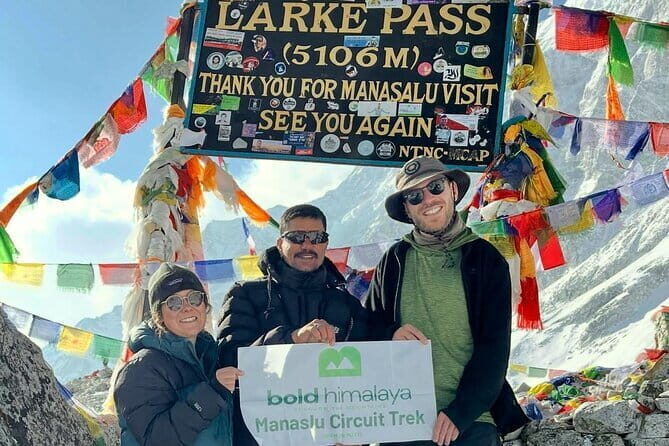
- Day 9: Cross Larkya La (5,160 m) to Bimthang
- Day 10: Bimthang to Tilije (a calmer descent and village end)
- Day 11: Tilije to Dharapani, then drive to Besisahar and Kathmandu
- Altitude strategy: how this route helps you stay ahead of trouble
- Food, lodges, and what’s actually included
- Guides, porters, and the human side of doing a hard trek
- Who should book this Manaslu Circuit trek
- Should you book Bold Himalaya for the Manaslu Circuit?
- FAQ
- How long is the Manaslu Circuit trek?
- Where does the trek start and how do you return to Kathmandu?
- What permits are included?
- Is a guide included?
- Are meals included, and can I get vegetarian or vegan food?
- What about trekking lodges?
- Is pickup included from Kathmandu?
- Is travel insurance included?
- Are drinks and tips included?
Key points before you go
- Acclimatization first with a dedicated Samagaun rest day to help your body adjust
- Permits handled (Manaslu/Annapurna-related paperwork, restricted-area entry, and TIMS)
- Full-board trekking with breakfast, lunch, dinner plus seasonal fruits and nuts
- Guides and porters that feel accountable names like Sobit, Sirjan, Suren Tamang, and Lokendra come up for caring support
- Lodges instead of camping so you’re not living out of a tent every night
- Solo can mean a tiny support team (one solo booking was guide + porter + only you)
Why the Manaslu Circuit feels different from most treks
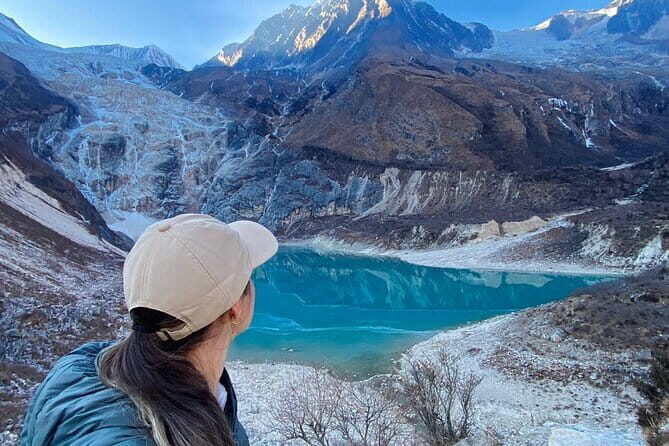
Manaslu sits in that sweet spot: remote enough to feel special, but structured enough that you can enjoy it without constant logistics headaches. This route also leans into Tibetan culture more than some other Nepal treks, so the villages and monastery life can feel distinct as you go higher and closer to the pass.
The payoff is the combination of day-to-day scenery and the way the trail gradually builds to the big moment. You start with lower forested sections and farmland villages, then the terrain shifts toward alpine meadows, and finally you’re dealing with pass-country scale and the glacier views around Larkya La.
And yes, the altitude will make itself known. But the way the itinerary spaces the walking days makes that challenge more manageable, especially if you’re the type who likes to be proactive rather than reactive when your breathing changes.
You can also read our reviews of more hiking tours in Kathmandu


Price and value: what $365.75 really buys you
At around $365.75 per person for an 11-day trek, what matters is not just the price number—it’s what’s packed into it. The included list is unusually thorough for a circuit trek, especially for the documentation and meals.
Here’s what you’re getting that usually costs extra when you DIY:
- Permits and paperwork: Manaslu, Annapurna, restricted-area special entry permits, plus TIMS
- A licensed English-speaking guide (with salary included), and porter support through the trek
- Full meals during trekking: breakfast, lunch, dinner each trekking day, plus seasonal fruits/nuts
- Standard trekking lodge stays on the trekking route (no camping gear required)
- Ground transport at both ends (Kathmandu to Machha Khola and the return drive toward Kathmandu via Besisahar)
- Small but real extras: duffle bag, t-shirt, and a trip certificate
What isn’t included is also pretty clear. Drinks during the trip are not covered, and travel insurance isn’t included. Tips for the crew are also not included.
My practical take: this pricing feels most “fair” if you want to show up, walk, and eat well—without spending your energy chasing permits, negotiating lodge arrangements, or figuring out how the pass-day logistics line up.
Entering the trek: Kathmandu to Machha Khola without drama
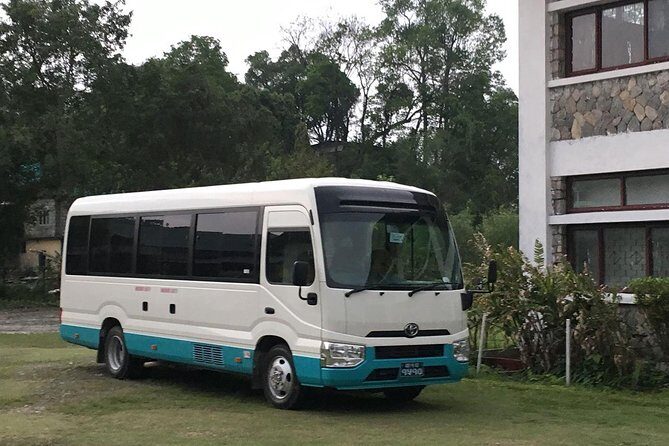
The first day is a long shared-vehicle ride from Kathmandu to Machha Khola, about 8–9 hours. It’s a real transit day, so don’t plan to feel super athletic right after you arrive. You want to treat this like a reset, not a warmup.
Since pickup is offered, you can typically reduce the friction of getting to the correct departure point in the city. You’re also near public transportation, so if you need to adjust something last minute, you’re not completely dependent on a private door-to-door setup.
By the time you reach Machha Khola, you’ll be ready for what this circuit does best: move through villages in a steady rhythm instead of jumping straight into the harshest altitude conditions.
Day-by-day on the Manaslu Circuit (what each section feels like)
Day 1: Kathmandu to Machha Khola
You’ll ride by shared vehicle for about 8–9 hours. Expect countryside views, terraced fields, and that slow transition from city to trekking reality. The real goal of Day 1 is arrival and rest.
What to watch for: don’t overdo it with sightseeing energy. Save your legs for tomorrow’s uphill/downhill walking.






Day 2: Machha Khola to Jagat (forests and village rhythm)
Trekking takes about 6–7 hours. The route goes up and down through forests and terraced farmland, with charming villages along the way.
This is the kind of day that helps you find your stride. If you’re new to multi-day trekking, this is where you learn how quickly you can settle into a steady pace without gasping.
Consideration: it’s not a flat day, so even “only” 6–7 hours can add up.
Day 3: Jagat to Deng (the mountains start showing up more)
Another 6–7 hour day. The trail climbs through lush forest and gradually turns more scenic as you approach Deng, with improving views of surrounding mountains.
This is a good day to practice your altitude habit early: slower steps, more water, and fewer ego-driven pace changes.
Small drawback: forest trekking can be damp, and you’ll want dry socks and a realistic plan for footwear comfort.
Day 4: Deng to Namrung (Tibetan-style village feel)
About 6–7 hours again. You get mountain views and you pass through traditional Tibetan-style villages. Namrung is one of those stops where you can feel the cultural shift as the circuit moves toward higher, more Tibetan-influenced territory.
Why it matters: cultural stops aren’t just “nice.” They give your brain something other than altitude math to focus on during longer walking stretches.
Day 5: Namrung to Samagaun (panoramas and the Manaslu sightlines)
A 5–6 hour trek lands you in Samagaun. This section is known for panoramic views, including Manaslu and Ganesh Himal.
Samagaun is also where your trip starts feeling like a serious high-altitude trek, even before the pass day. There’s a big difference between seeing mountains from lower elevations and realizing you’re walking in their orbit.
Consideration: bring a camera strategy. The views can tempt you into stopping too often, which can backfire if you overheat and then cool down later.
Day 6: Samagaun rest day (acclimatization with options)
You get a rest day in Samagaun, about 5 hours of activity time. The idea is acclimatization, plus the option to visit nearby areas like Manaslu Base Camp or explore the village and monasteries.
This day can make or break how you feel on Day 8 and Day 9. If you handle it well—light walking, good hydration, early nights—you’ll usually feel more in control later.
My advice: use this day to adjust your clothing layers and test what gear actually works for you at higher altitude.
Day 7: Samagaun to Samdo (alpine meadows and gradual ascent)
About 5–6 hours. The trail gradually ascends through alpine meadows with spectacular views. Samdo is a small village where you can slow down and settle.
This is a “build, don’t sprint” day. If you try to gain time, you’ll pay for it on the pass crossing.
Day 8: Samdo to Dharamshala/Larkya Phedi (the pass base zone)
Trek about 4–5 hours. You’re moving toward the base of Larkya La Pass, with snow-capped peaks in sight. It’s shorter walking on paper than Day 7, but it’s still a serious staging day.
You’re also getting mentally ready: tomorrow isn’t just another hiking day. It’s the day your lungs file paperwork.
Consideration: treat the evening here like logistics day. Check layers, water plans, and whether you need an extra rest before an early start.
Day 9: Cross Larkya La (5,160 m) to Bimthang
This is the big one: an 8–10 hour challenging crossing. You’ll have breathtaking views of surrounding peaks and glaciers, then descend to Bimthang.
The day’s shape is usually what surprises people: the climb/altitude part is tough, but the full day can feel even longer because you’re thinking the whole time—breathing, footing, pacing, and staying warm enough.
Practical tip: keep your pace controlled. On high passes, the fastest way to feel awful is to walk too hard too early.
Day 10: Bimthang to Tilije (a calmer descent and village end)
About 5–6 hours. The trail descends through lush forest and traditional villages. Tilije is a charming cultural landing point before the final transit back toward Kathmandu.
This is where you often feel gratitude for the walking rhythm: after the pass, you get a more comfortable rhythm again, so your legs get a break.
Day 11: Tilije to Dharapani, then drive to Besisahar and Kathmandu
The trek continues from Tilije toward Dharapani and then you drive to Besisahar and continue back to Kathmandu. It’s a combo day, more travel-focused than trail-focused.
This day is about arriving. You’ll likely feel tired in a good way—tired like you finished something real.
Altitude strategy: how this route helps you stay ahead of trouble
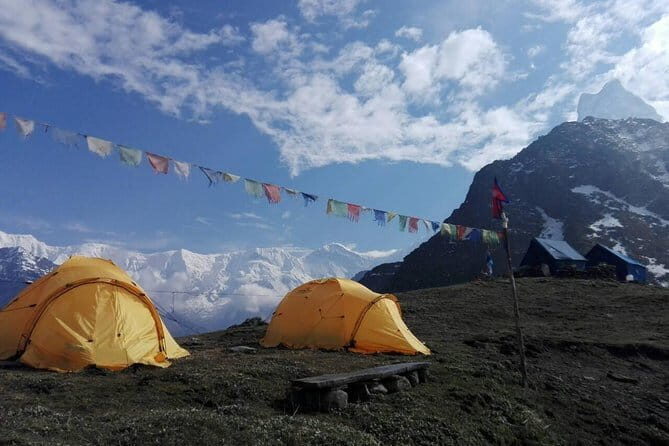
The itinerary does a lot right for acclimatization. The rest day in Samagaun is the key choice. It gives you time to adjust before you go into the higher staging area and then cross Larkya La.
Also, you get a gradual climb pattern: forest village days at the start, then more alpine conditions as you head toward pass-country. The pass day (Day 9) is where altitude peaks, at about 5,160 meters, and the walking time is long.
What I’d do if I were planning your trek:
- Keep your pace “boring” on ascent days. Your breathing is the scoreboard.
- Pack layers you can add/remove quickly. It can feel different minute to minute at altitude.
- If you start feeling off on the rest day, stay cautious. Rest days exist for a reason.
Food, lodges, and what’s actually included
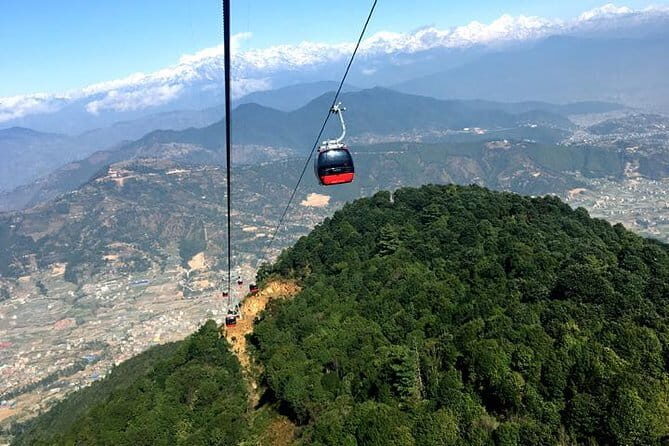
This is a full-board trekking setup. You’ll have breakfast, lunch, and dinner during trekking, plus seasonal fruits and nuts. Vegetarian and vegan meals are available if you request them.
Lodging is described as standard trekking lodge stays on the Manaslu Base Camp trekking route. That usually means you’re sleeping in basic, communal-guesthouse style arrangements rather than luxury hotels, which is normal for this style of trek.
The practical benefit is that meals reduce your mental workload. When you’re at altitude, a predictable meal schedule helps you stay consistent—energy matters when days get long.
Small consideration: drinks aren’t included, so if you like soda or frequent hot drinks, plan extra budget for that part.
Guides, porters, and the human side of doing a hard trek
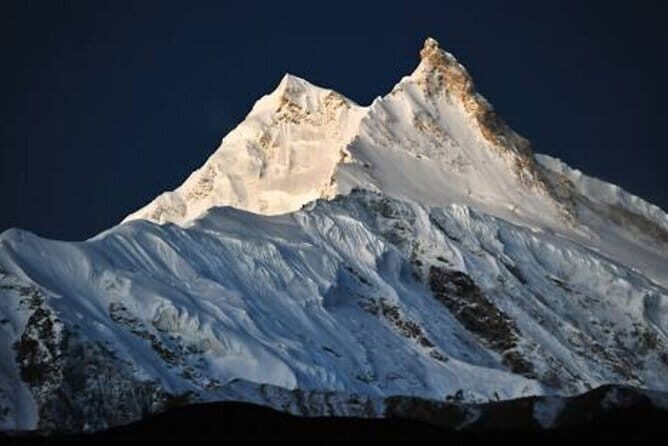
The operator’s strength shows up in communication and support. People have credited leaders by name—Sobot (for planning and responsiveness), Lokendra (often described as strong porter support, including carrying belongings), Suren Tamang (for sharing Nepalese culture and landscape context), and Sirjan (for guide support and caring, responsible behavior).
That kind of crew matters because Manaslu isn’t just about scenery. It’s about staying steady when conditions get demanding. A good guide helps you read the route pace, handle small issues before they become big ones, and keep explanations grounded in local reality.
A solo trek can also feel less lonely than you expect. One solo experience was described as a small team—guide plus porter plus the solo hiker—so you’re not stuck in a noisy crowd.
Who should book this Manaslu Circuit trek
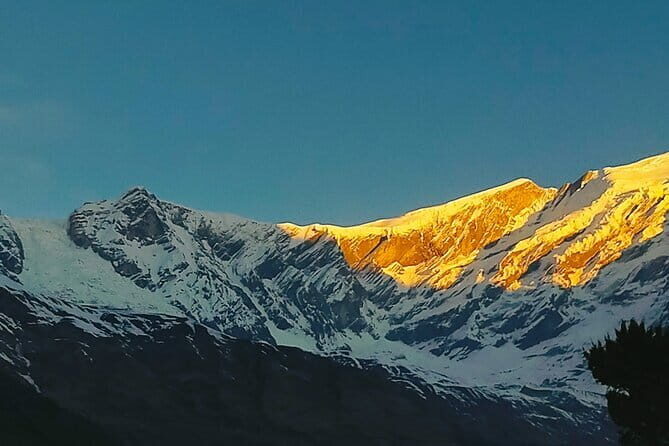
This trek fits best if you:
- Have moderate physical fitness and can handle long trekking days
- Want an itinerary that prioritizes acclimatization rather than rushing to the pass
- Prefer lodge trekking (not camping) and full meals
- Like culture as much as views—Tibetan-style villages and monastery time are part of the feel
It might be a tough match if you:
- Want very easy walking days on the high end
- Struggle with long durations like the 8–10 hour pass crossing
- Are not comfortable planning for altitude effects
Should you book Bold Himalaya for the Manaslu Circuit?
If you want Manaslu Circuit with reduced planning stress, I think this is a strong option. The price looks most reasonable when you value what you get bundled: permits, a licensed guide, full meals, lodge stays, and transport to and from the trail.
I’d book it if your priorities are (1) acclimatization pacing, (2) cultural immersion in Tibetan-style villages, and (3) having a crew that’s responsive before and during the trek. If you know you’re sensitive to altitude or you dislike long walking days, you should take extra care with the pass-day expectations—or consider a different route.
If you book, come prepared for the serious day. The views around Larkya La are the kind you remember later, but only if you manage the day like a grown-up.
FAQ
How long is the Manaslu Circuit trek?
It’s about 11 days (approx.).
Where does the trek start and how do you return to Kathmandu?
You travel by shared vehicle from Kathmandu to Machha Khola at the start. At the end, you trek onward to Dharapani, then drive to Besisahar and travel back to Kathmandu.
What permits are included?
The package includes Manaslu and Annapurna permits, restricted area special entry permits, and the TIMS card.
Is a guide included?
Yes. You get an experienced English speaking licensed guide, and porter support is part of the trek setup.
Are meals included, and can I get vegetarian or vegan food?
Full meals during trekking are included (breakfast, lunch, dinner). Vegetarian and vegan meals are available upon request.
What about trekking lodges?
Standard trekking lodge stays are included on the Manaslu Base Camp trekking route.
Is pickup included from Kathmandu?
Pickup is offered.
Is travel insurance included?
No. Travel insurance is listed as not included.
Are drinks and tips included?
Drinks during the trip are not included, and tips for the trekking crew members are also not included.