REVIEW · KATHMANDU
White Water River Rafting – 1 Day
Book on GetYourGuide →Operated by Rainbow Adventure & Travels PVT.LTD · Bookable on GetYourGuide
White water gets your attention fast. This Trishuli River rafting trip turns a half-day of driving and safety talk into a run that builds toward a main 3–4 rapid after Majhimtar. I like that you’re not left to guess your way through it, because the trip runs with licensed guides, professional safety kayakers, and international-standard gear.
I also like the pacing. You get multiple rapids, then a beach lunch served just before the Upset rapid, which helps you recover before the more serious section. One thing to consider: rafting is wet, and it’s not suitable for pregnant women, so it’s best to choose this only if you’re comfortable with water, cold spray, and stairs-style transfers in and out of the put-out area.
Logistics are fairly simple. You can be picked up from Chitwan, Pokhara, Lumbini, or Kathmandu, then the outing returns via local transfers after the river section, with connections back toward Chitwan National Park, Pokhara, and Kathmandu depending on your starting point.
In This Review
- Key points before you book
- Trishuli white-water rafting: what this 1-day trip feels like
- Getting picked up: Chitwan, Pokhara, Lumbini, or Kathmandu
- Safety briefing and raft crew: how you learn the basics fast
- The rapids plan: from Majhimtar toward the Upset rapid
- Lunch on the beach: why it’s timed right before the Upset
- Gear and comfort: self-bailing rafts, dry tops, and camera protection
- What you should bring: the small items that save your day
- The $62 price: what you’re really paying for
- Who this trip suits best (and who should skip it)
- Provider and tone: what to expect from Rainbow Adventure & Travels
- Timing and duration: planning around the 3-hour river window
- What to do with your phone and valuables
- Should you book this Trishuli white-water rafting trip?
- FAQ
- How long is the rafting experience?
- Where do pickups happen?
- Will there be lunch during the trip?
- What equipment is included?
- What languages does the live guide speak?
- What should I bring?
- Is the activity suitable for pregnant women?
- Is there a cancellation option?
Key points before you book
- Licensed guides and professional safety kayakers keep the focus on safe, controlled rafting
- Dry-top jackets, helmets, and self-bailing rafts mean less stress about gear
- Lunch on the river beach happens right before the Upset rapid so you’re fed before the main push
- The run highlights one rapid rated 3 to 4 (after Majhimtar, just before the Upset rapid)
- Pickup from four bases makes it easier if you’re already in Kathmandu, Pokhara, Lumbini, or Chitwan
- English, Nepali, Japanese, and Hindi support helps you understand what to do quickly
Trishuli white-water rafting: what this 1-day trip feels like
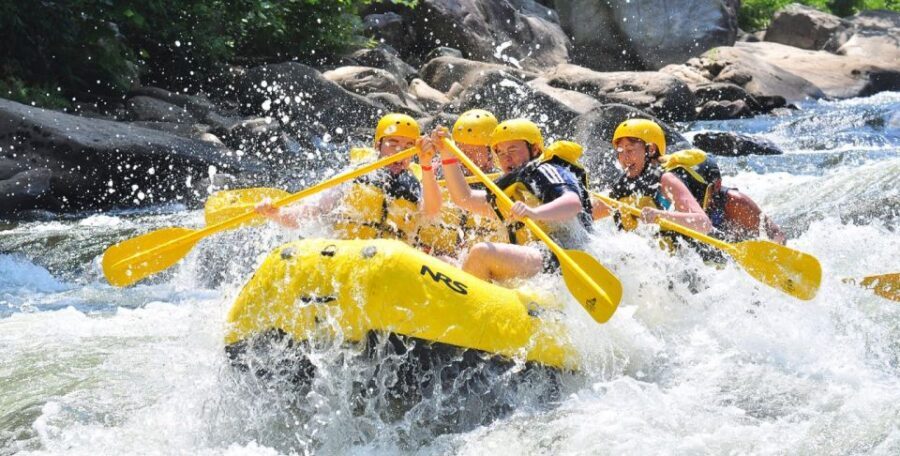
This is a classic Nepali “half-day that still feels like an adventure day.” The experience is timed as about 3 hours on the water, but you should plan for the morning transfer too. You’ll start with transport to the rafting starting point, meet your raft crew, and get a short safety briefing before the rapids begin.
The overall vibe is practical and active: you’ll paddle, you’ll get splashed, and you’ll learn the river’s named rapids as you go. The trip description is clear that tricky rapids carry both Nepali names and common names, and the rafter tells you what you’re approaching. That turns the run from random chaos into a story you can follow.
A few more Kathmandu tours and experiences worth a look


Getting picked up: Chitwan, Pokhara, Lumbini, or Kathmandu
Where the day starts matters, because it shapes your comfort level before you get wet. This trip offers pickup from Chitwan, Pokhara, Lumbini, or Kathmandu, with return transfers arranged after the river run.
The important bit: you’re not expected to show up on your own to a remote put-in point. The operator handles land transportation as part of the package, which is a big value-add if your Nepal time is tight and you don’t want to coordinate taxis and timing.
One small consideration: since the plan includes returning via local transfers (the description specifically mentions Chitwan National Park, Pokhara, and back to Kathmandu), your exact schedule can feel different depending on where you start. Build a little buffer into your travel day so you’re not trying to catch a flight immediately after.
Safety briefing and raft crew: how you learn the basics fast
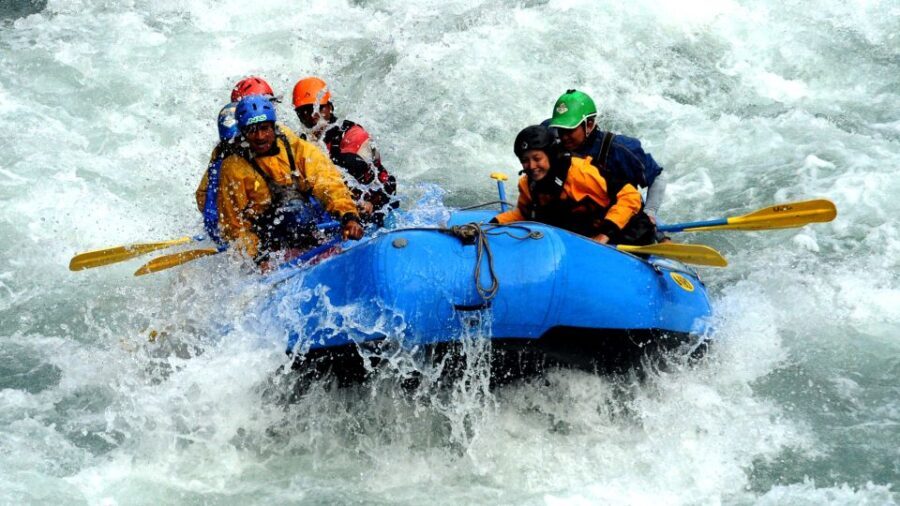
Before you hit any serious water, you’ll meet your raft crew and get a short safety briefing on procedures. This is where the trip earns its calm reliability, because you’re not just tossed onto a raft and hoped for the best.
The team includes licensed guide(s) and professional safety kayakers, which is a key detail. Even if you’ve never rafted before, having safety kayakers nearby changes the whole experience from risky to controlled. And you’re told in advance what to expect in terms of paddling and how the crew will communicate.
Language support is also part of the safety equation. You can have a live tour guide in English, Nepali, Japanese, or Hindi, so you’re more likely to understand the instructions quickly rather than rely on gestures.
The rapids plan: from Majhimtar toward the Upset rapid
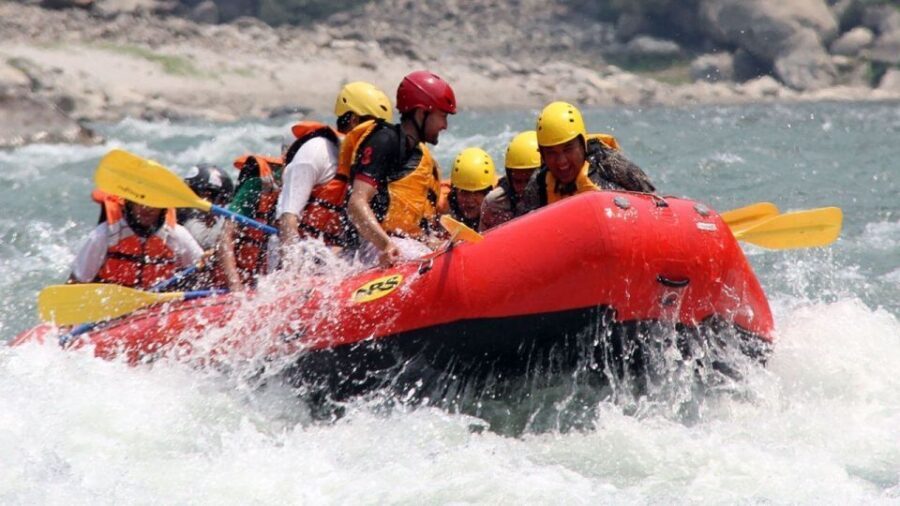
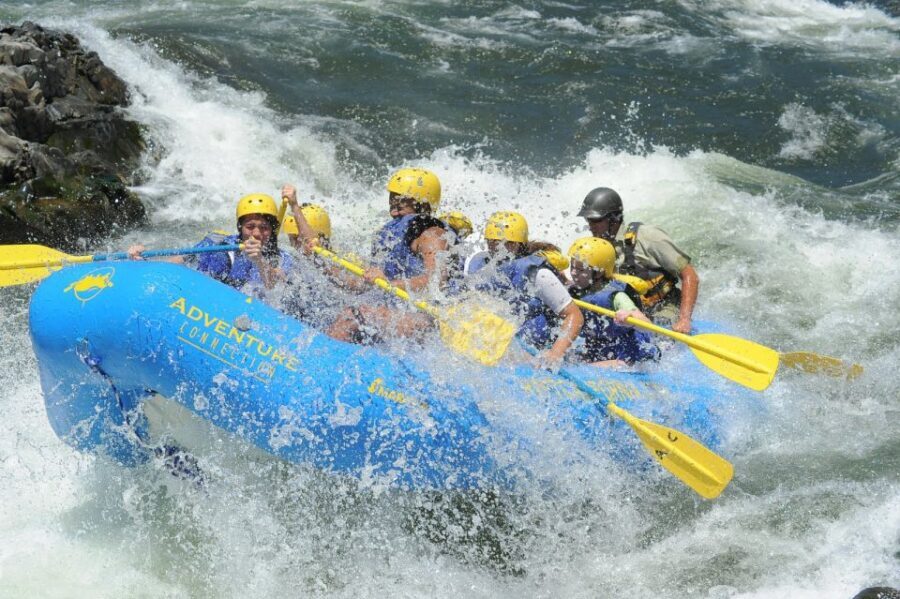
The heart of this trip is the river section on the Trishuli. You’ll encounter several rapids of different sizes during the run, but the “main moment” is described in a specific way: after Majhimtar, just before the Upset rapid.
That section is rated 3 to 4 on the Colorado River rating scale. Even if you don’t memorize rating systems, here’s how to think about it: this is the kind of rapid that tends to require solid teamwork and good attention, not just a casual splash-through. The description frames it as a highlight, which usually means you should expect a bigger thrill and more intense water movement there than the smaller rapids before it.
Also pay attention to the naming. The rafter tells you the rapids by Nepali name and common name, so you learn what you’re seeing. That’s more than trivia. When you recognize a rapid name from earlier warnings, your brain stays calmer in the moment.
Lunch on the beach: why it’s timed right before the Upset
Most rafting trips either underfeed you or feed you too late. Here, lunch is served on the beach just before you go through the Upset rapid. That timing is smart for two reasons.
First, you get energy in your body before the most intense section. Second, you have a brief reset period where you can dry off a little, wring out gear, and get mentally ready for what comes next. When you’re already wet and cold, timing matters.
Practical note: the description includes lunch, but it doesn’t say drinks are included. Plan on buying or bringing what you need for hydration and snacks if the operator doesn’t provide it during lunch. The package explicitly lists drinks as not included.






Gear and comfort: self-bailing rafts, dry tops, and camera protection
This trip includes the equipment side that usually makes or breaks the day. You’ll get self-bailing rafts, helmets, life jackets, and outfitter plastic paddles. These are standard safety pieces, but the “why” is simple: self-bailing rafts reduce the panic factor if water comes in, and helmets and life jackets protect you during the moments you’re most likely to slam into waves.
You’ll also get dry top jackets. That’s a big deal on a rafting day because it helps you stay warmer and less miserable. If you’ve ever done outdoor water sports, you know the cold is often the real enemy, not the splash.
For photos and valuables, the package includes a waterproof barrel for camera and valuables. That’s one of the best value inclusions because it protects your phone and small gear without forcing you to bring everything inside your life jacket.
What you should bring: the small items that save your day
Even with good gear included, you need to show up ready. The “What to bring” list is short, and that’s helpful: bring a change of clothes and sandals.
I’d treat the change of clothes as non-negotiable. After three hours of rafting, you will want dry layers immediately afterward. And sandals matter because you’ll need footwear for the short transfers and time spent off the raft where you don’t want to be barefoot on rocky or dusty ground.
Also, since drinks aren’t included, you may want to plan hydration around lunch and the rest of your day. The trip notes that water and soft drinks are personal expenses, not part of the package.
The $62 price: what you’re really paying for
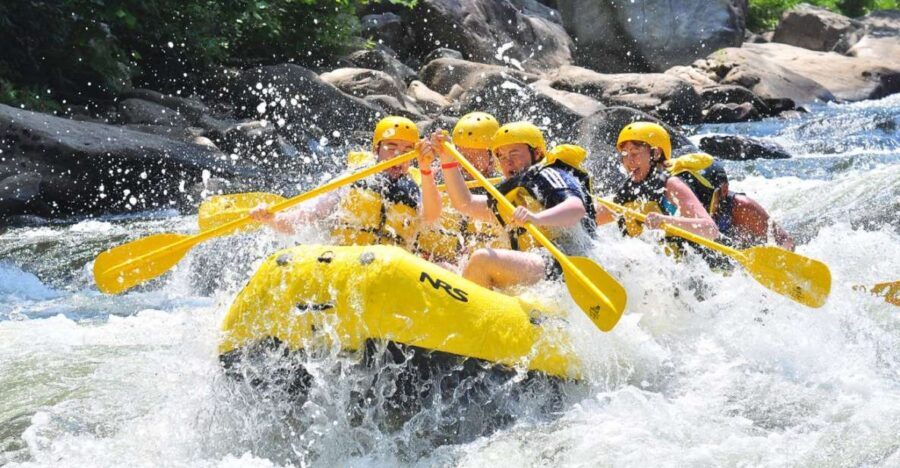
At $62 per person, this isn’t a luxury “comfort-first” outing. It’s priced like a solid adventure activity that includes the operational stuff people often forget to budget for: land transport, professional staff, permits, and the core rafting equipment.
Here’s what that price covers:
- All land transportation
- Raft crew and safety kayakers
- International-standard rafting equipment
- Lunch
- River permits and local taxes
- A first aid medical kit
That matters because the real cost of rafting is rarely the life jacket and paddle. It’s the staff, safety system, permits, and logistics. When those are included, you can compare this more fairly to tours that only bundle the “ride” part.
What’s not included is also clear:
- Personal items, toiletries, medication, and camera
- Personal insurance
- Drinks and snacks
- Optional activities during free time
- Personal rafting equipment (you don’t need it, because the operator supplies the rafting kit)
If you’re comparing value, this package looks best for people who want a well-run day without hunting down gear or arranging transport.
Who this trip suits best (and who should skip it)
This is a good fit if you want white water without needing previous experience. The combination of a safety briefing, licensed guides, and nearby safety kayakers makes it approachable. The language options help too, especially if you want clear directions instead of guessing.
It’s also a good choice if you’re staying in Kathmandu, Pokhara, Lumbini, or Chitwan already, because pickup is built in.
Skip it if you don’t feel comfortable with cold spray, getting wet, and the simple physical reality of rafting transfers. And the trip is not suitable for pregnant women, so if that applies, look for a different kind of experience.
Provider and tone: what to expect from Rainbow Adventure & Travels
The operator listed is Rainbow Adventure & Travels PVT.LTD. The overall impression from the available rating and notes is that the guide and staff come across as friendly and welcoming. That might sound like a small detail, but it’s not on rafting days. When you’re about to paddle hard and sit in active water, you want staff who make instructions feel clear instead of stressful.
With licensed holders and safety kayakers, friendliness is only useful if paired with competence. The trip description does pair it with equipment and safety infrastructure, which is exactly what you want.
Timing and duration: planning around the 3-hour river window
The rafting duration is listed as 3 hours, and you’re told to check availability for starting times. That means you shouldn’t assume a single fixed departure from your pickup location.
I’d plan your day around a morning start, then treat the rest of the schedule as flexible once you know your exact pickup time. Because you’re being transported and then transferred onward after rafting, you’ll likely be done later than you think if you’re also trying to fit another tour immediately after.
What to do with your phone and valuables
You’re covered for camera protection, but your habits still matter. Use the waterproof barrel for valuables as provided, and keep anything you don’t want to risk out of your pockets. The included protection is there so you can take photos without turning the day into a worry fest.
Also bring your change of clothes so you can swap quickly afterward. That’s when the waterproofing and dry-top system pays off: you’ll be less miserable in the transfer ride back.
Should you book this Trishuli white-water rafting trip?
If you want a straightforward, well-organized rafting day with gear included, a clear safety setup, and a run that highlights a 3–4 rated rapid, this is a strong pick. The price makes sense because it includes transport, permits, lunch, and the equipment you’d otherwise have to rent or negotiate.
Book it if:
- You’re comfortable getting wet and doing active paddling
- You want a licensed, safety-focused setup
- You value having language support in English, Nepali, Japanese, or Hindi
- You’d rather have transport handled for you than manage it yourself
Skip it if:
- You’re not able to do water-based activities (especially since it’s not suitable for pregnant women)
- You want a dry, comfort-first day with minimal splashing
FAQ
How long is the rafting experience?
The duration is about 3 hours. Starting times can vary, so you should check availability for when the trip runs.
Where do pickups happen?
Pickup options include Chitwan, Pokhara, Lumbini, and Kathmandu.
Will there be lunch during the trip?
Yes. Lunch is served on the beach of the river just before going through the Upset rapids.
What equipment is included?
You get standard rafting equipment such as self-bailing rafts, helmets, life jackets, outfitter plastic paddles, dry top jackets, and a waterproof barrel for camera and valuables.
What languages does the live guide speak?
The live tour guide is available in English, Nepali, Japanese, and Hindi.
What should I bring?
Bring a change of clothes and sandals.
Is the activity suitable for pregnant women?
No. The activity is not suitable for pregnant women.
Is there a cancellation option?
Yes. You can cancel up to 24 hours in advance for a full refund.