REVIEW · POKHARA
Ghorepani Poonhill Trek
Book on Viator →Operated by Outshine Adventure Pvt Ltd · Bookable on Viator
A sunrise that feels like a reward. That is the big hook here: you get the classic Poon Hill early-morning views over a stack of Himalayan giants, then spend the rest of the trek moving through forests and local villages at a pace most people can manage. I like that this route stays in the foothills, with day after day of steady walking and guesthouse stays that make the experience feel practical, not intimidating.
I also like the human touch built into the trip. You travel with an English-speaking mountain guide, plus porters for your luggage, so you’re not stuck figuring everything out on your own—especially helpful if you’re new to trekking in Nepal. One thing to consider: the mornings can be cold and start early (sunrise time), and the first days include some uphill strain even if the overall trek is labeled easy.
If you want a short trek with big payoff views, this is a smart choice. The route focuses on the best-known points around the Annapurna region without dragging you into a long, complicated expedition.
In This Review
- Key Things That Make This Trek Click
- Entering the Annapurna Foothills: Why This Trek Fits 5 Days
- Your Route, Stop by Stop: Ulleri, Ghorepani, Poon Hill, Tadapani, Ghandruk
- Day 1: From Birethanti to Ulleri (Magar village feel)
- Day 2: Ulleri to Ghorepani (forest trails and peak views)
- Day 3: Ghorepani to Poon Hill sunrise, then to Tadapani
- Day 4: Tadapani down to Ghandruk (easy descending and Gurung village time)
- Day 5: Ghandruk down toward Kimchi and back to Pokhara
- Poon Hill Sunrise: The Viewpoint You’re Actually Paying For
- Village Days: Magar Ulleri and Gurung Ghandruk
- Lodges, Meals, and What $490 Covers (and What It Does Not)
- The Guide and Porter System: Comfort Starts With Simple Logistics
- Pace, Physical Fitness, and Altitude Reality
- Transportation and Group Size: Private Vehicle Meets Small-Trek Energy
- Who Should Book This Trek (and Who Should Rethink It)
- Should You Book Ghorepani Poon Hill Trek with Outshine Adventure?
- FAQ
- How long is the Ghorepani Poonhill Trek?
- Where does the trek start, and how do you get there?
- What is the highest point on the route?
- Is pickup offered?
- What’s included in the trek price?
- Are meals included?
- Is there a porter for luggage?
- What is not included in the price?
- How big is the group?
- Do I need travel insurance, and what about cancellation?
- Are permits included?
Key Things That Make This Trek Click
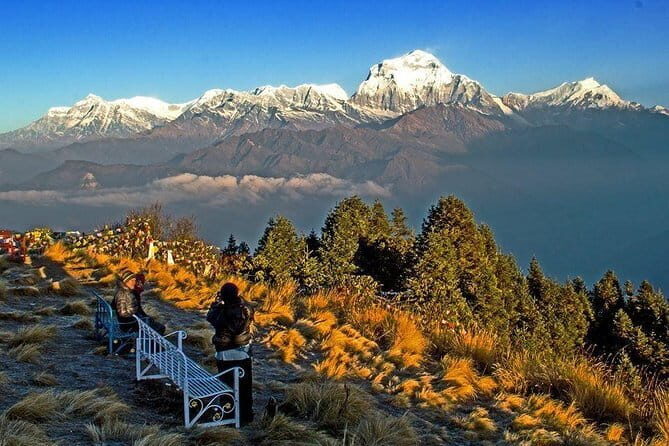
- Poon Hill sunrise at 3,232m with a long list of visible peaks in the early light
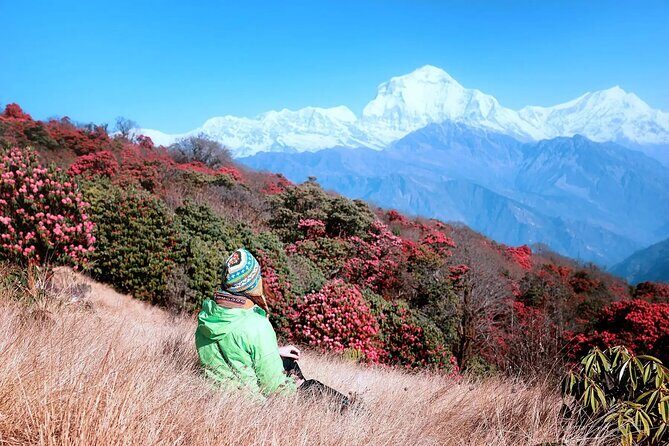
- Forest walking with rhododendron and pine, plus an easy-going downhill day through birdsong country
- Local culture stops in Magar Ulleri and Gurung Ghandruk, with time to explore the village atmosphere
- Meals, lodge stays, and permits handled so you can focus on the trail instead of paperwork
- Small group size (max 14) for a friendlier rhythm on the paths and in lodges
Entering the Annapurna Foothills: Why This Trek Fits 5 Days
This is a short Annapurna-region trek based in the Pokhara area, designed for people who want the mountains without committing to a long timeline. You’ll spend your days walking between village guesthouses, with the route structured so each day has a clear goal—either a viewpoint, a ridge of views, or a settlement where you can slow down and see how people live.
The best part is how the trek builds momentum. Day 1 gets you moving uphill from Birethanti toward Ulleri (about 2,070m). Day 2 brings you to Ghorepani, where the scenery opens up toward big peaks. Day 3 is your payoff day with the early climb to Poon Hill, then you drop down and keep going toward Tadapani.
In other words: you’re not just hiking for hours. You’re hiking with purpose. The trail is chosen so that you’re rewarded at the start of the day (sunrise) and then again through the shifting valleys and village views.
One more detail I like for planning: the trek is set for a maximum of 14 travelers, so you’re not shuffling through a crowd on narrow paths. That matters on the viewpoints, where the timing (early morning) can make paths feel tighter.
You can also read our reviews of more hiking tours in Pokhara
Your Route, Stop by Stop: Ulleri, Ghorepani, Poon Hill, Tadapani, Ghandruk
Day 1: From Birethanti to Ulleri (Magar village feel)
You start with a short Kathmandu-office meet-up before departure to Pokhara, then transfer from Pokhara to Birethanti by private vehicle. From Birethanti, the walk begins and it’s a classic trekking start: a steep climb for the first couple of hours, then a gentler ascent to reach Ulleri, a Magar village at around 2,070m.
Ulleri is a good first stop because it helps you settle into altitude and rhythm without jumping into the biggest viewpoint effort right away. You also get early exposure to village guesthouses, local shop-and-teahouse life, and the cultural texture of the region—especially since Magar communities are part of what you’ll learn about along the way.
What to watch for: the first day is described as a steep push early on, even if the trek is considered easy overall. If you’re not used to sustained uphill hiking, take it slow and steady.
Day 2: Ulleri to Ghorepani (forest trails and peak views)
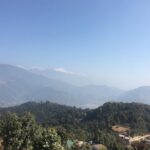
Day 2 shifts you toward Ghorepani, with trail scenery that includes forest sections and rhododendron. This is the day where the mountains start showing themselves more clearly, including views linked to Machhapuchhare (Fish Tail), Hiunchuli, and the big presence of Annapurna.
The walking here is described as not too hard, and that matters. You’re building toward the early morning climb on Day 3, so you want a day that gets your legs moving without exhausting you.
I like this pacing because it keeps the trek from feeling like a sprint. Ghorepani is also where you’ll be positioned for the sunrise climb, so the timing works.
Day 3: Ghorepani to Poon Hill sunrise, then to Tadapani
This is the heart of the trip.
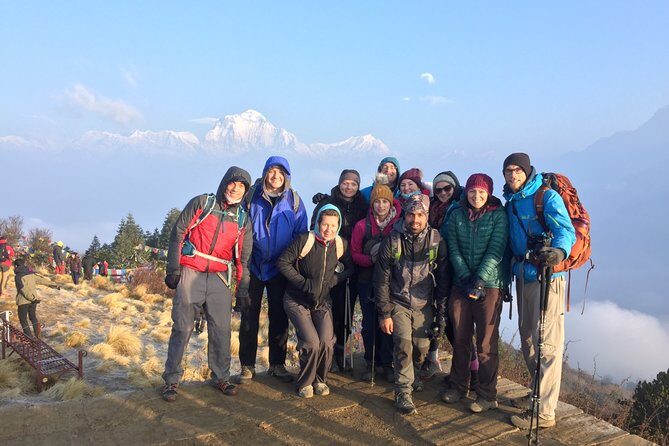
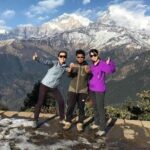
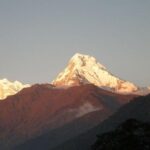
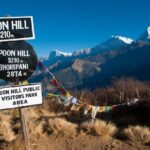
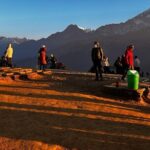
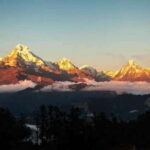
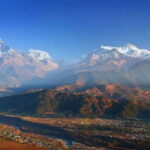
You start with about an hour early morning hike to Poon Hill (3,232m) for sunrise views. The peak list is long and includes Dhaulagiri, Nilgiri, Annapurna I and South, Machhapuchhare, and several others such as Lamjung Himal and peaks around the Annapurna ring. It’s the kind of viewpoint where your brain goes into map mode: you look, you name what you can, and you try to connect the shapes to the valley you’re standing above.
After sunrise, you hike down to Ghorepani for a hot breakfast, then continue trekking toward Tadapani (about 2,650m). The route is described as passing through pine and rhododendron jungle, which means you’re moving from big-sky heights to thicker forest feeling. That contrast is a nice way to keep the day from becoming one long grind.
The practical takeaway: your day starts early, but you get a payoff and then a normal trekking day after. It’s built for first-timers and view-chasers.

Day 4: Tadapani down to Ghandruk (easy descending and Gurung village time)
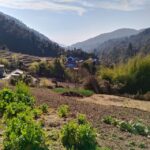
Day 4 becomes a downshift. The trail descends gently through rhododendron and oak forests, with birdsong part of the experience. This is the day I’d call the recovery-friendly segment.
You’ll reach Ghandruk, a large Gurung village and a place connected to Gorkha soldiers. The description emphasizes village scale and mountain views, plus time to explore Ghandruk rather than just passing through it.
If you care about culture as much as scenery, this is where it clicks. Instead of rushing between viewpoints, you get a day that slows down and lets you see village life with the mountains watching from nearby ridges.
Day 5: Ghandruk down toward Kimchi and back to Pokhara
Your final day is an easy descent, heading toward Kimchi, with a route that crosses Seulibazzar via Birethanti, then finishes with a drive back to Pokhara.
This ending matters. You’re not left scrambling to reach transportation after a hard climb. The last stretch keeps the mood calm and lets you think about what you just saw—rather than thinking only about getting through the day.
Poon Hill Sunrise: The Viewpoint You’re Actually Paying For
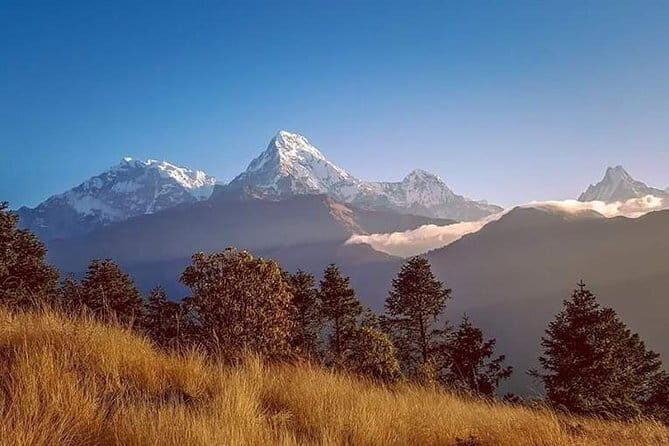
Let’s talk about what you’re really buying when you choose this trek: time on the clock before sunrise for 3,232m views. Poon Hill is famous because it works for a wide range of mountain angles. You’re not relying on one perfect frame; you’re surrounded by a whole amphitheater of peaks.
From an experience standpoint, the early start makes sense. Sunrise light changes everything—snow lines glow, ridges sharpen, and distances feel clearer. The route explicitly sets you up for this: hike up early, reach the viewpoint, then head back down.
Two practical considerations:
- Cold mornings can be real at this elevation, even when the day later warms up. If the operator provides a down jacket and sleeping bag if needed, that’s especially relevant for keeping you comfortable before the sun hits.
- Sunrise demands patience. You’ll likely wait for light, even if you’re eager. That is part of why it feels worth it.
If you’re new to trekking, this is also a good “confidence moment.” It’s challenging enough to feel like an accomplishment, but not so technical that you’re overwhelmed.
Village Days: Magar Ulleri and Gurung Ghandruk
This trek’s culture is not tacked on as a quick photo stop. Your route intentionally passes through communities with distinct identities: Magar in Ulleri and Gurung in Ghandruk.
In Ulleri, the trek starts in a Magar village setting at about 2,070m. That gives you early cultural contact—guesthouses, village shops, and a sense of how daily life looks at the foothill altitude line.
In Ghandruk, you get the bigger village experience. The trek description points out that Ghandruk is a popular destination for trekkers due to its mountain views, and it’s home to many Gurung and connections to Gorkha soldiers. Then you actually have time to explore the village atmosphere rather than rushing through it.
One of the nicest surprises here, for people who want more than just scenery, is how the trek naturally mixes walking with learning moments. Your guide can connect what you’re seeing on the trail to the people who live there.
Lodges, Meals, and What $490 Covers (and What It Does Not)
At $490 per person, this trek sits in the “short-but-not-skimpy” category. The value comes from what you’re not forced to manage yourself.
Included:
- Breakfast, lunch, and dinner during the trek (breakfast 5 times, lunch 5 times, dinner 4 times as listed)
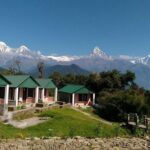
- Guesthouse and lodge accommodation
- An English-speaking licensed mountain guide
- Porters to carry your luggage (sharing: for two people, one porter; 25 kg per porter)
- Annapurna Conservation Area permits and TIMS card
- Private surface transfers from and to Pokhara
- Staff costs like insurance, meals, equipment, medicine
- If needed, a down jacket and sleeping bag provided by Outshine Adventure
Not included:
- Travel insurance
- Alcohol and other drinks, laundry
- Tips for the trekking staff and driver (tipping is recommended)
- Any other expenses not listed
Here’s the budgeting reality: permitting and guiding are the kind of costs that add up fast if you DIY it. Having meals and lodge nights included also keeps you from getting surprised by per-day expenses at small mountain stops.
For value-minded travelers, this price makes sense if you want structure and you don’t want to babysit logistics. If you already have a plan to manage permits, guide, and porters on your own, the savings would depend on your skills and access.
The Guide and Porter System: Comfort Starts With Simple Logistics
One of the strongest parts of this trip is its focus on keeping the trek smooth. You don’t just get someone holding a map. You get a licensed English-speaking mountain guide, and you have porters handling luggage.
From the information shared with the operator, guides such as Bishnu and Edu have been praised for taking amazing care of trekkers, including people who were first-timers with little Nepalese. Another guide name that appears in past bookings is Shiva, also connected to positive outcomes for first-time adventurers.
I like this because it addresses a real fear many first-timers have: communication. When the guide handles trail decisions and explanations, you can focus on the experience, not translations and confusion.
On the porter side: luggage sharing (one porter for two people) with a 25 kg carry limit keeps your pack reasonable. You’ll still want to carry what you personally need during the day, but your main bulk is handled.
And because the trek uses guesthouses each night, your luggage setup is basically built into the rhythm of the route.
Pace, Physical Fitness, and Altitude Reality
The trek is described as short and easy, and the walking times support that: Day 1 around 5 hours, Day 2 around 5 hours, Day 3 longer with the sunrise segment and continuation to Tadapani, Day 4 around 7 hours, and Day 5 around 5 hours.
Easy doesn’t mean effortless. There’s still uphill effort—especially on Day 1, where the first two hours include steep ascent. And sunrise hiking at Poon Hill means you’ll be walking in colder morning air.
The operator notes you should have a moderate fitness level. That’s a good call. If you can handle a few hours of steady uphill walking, you can probably do this. If you’re starting from a very sedentary place, you’ll want to train a bit first or adjust expectations for slower pacing.
Transportation and Group Size: Private Vehicle Meets Small-Trek Energy
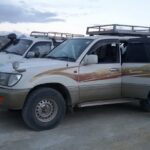
You get private vehicle transfers between Pokhara and the trail start/finish points. That helps because trekking days already use time and energy. Reducing travel hassle matters on short trips.
Group size is max 14 travelers, which keeps the vibe more personal. On a trek, crowding can affect viewpoint timing and guesthouse space. A smaller group makes it easier to move together without feeling like you’re in a long line all day.
Also, pickup is offered. If you’re staying in Pokhara and want the trek to start cleanly, that is a useful convenience.
Who Should Book This Trek (and Who Should Rethink It)
This trek fits best if:
- You want a 5-day Annapurna foothills experience
- You care most about sunrise views and classic viewpoints like Poon Hill
- You want a trek with meals, permits, and lodge stays included
- You prefer a small group and an English-speaking guide for clarity
You might rethink booking if:
- You’re extremely sensitive to early starts or cold mornings
- You’re expecting a completely flat walk (there are climbs and descents)
- You need a longer, higher-altitude expedition rather than an approachable route in the lower trekking band
Should You Book Ghorepani Poon Hill Trek with Outshine Adventure?
If your goal is a short, structured trek in the Annapurna region with the best-known sunrise viewpoint and village culture time, I think this booking makes a lot of sense. The value is strongest for travelers who want guidance, permits, and meals handled—plus the porter system that keeps your load manageable.
I’d book this if you want to come back with one clear memory: Poon Hill at dawn, paired with daily walking through forests and friendly village scenery. If that sounds like your kind of trip, don’t overcomplicate it—this one is built for it.
FAQ
How long is the Ghorepani Poonhill Trek?
It is listed as 5 days (approx.).
Where does the trek start, and how do you get there?
You drive from Pokhara by private vehicle to Birethanti, where the trek begins.
What is the highest point on the route?
The early morning hike is to Poon Hill at 3,232m.
Is pickup offered?
Yes, pickup is offered.
What’s included in the trek price?
Meals during the trek, best-available lodge/guesthouse accommodation, a licensed English-speaking guide, private vehicle transfers from and to Pokhara, porters for luggage, permits (Annapurna Conservation Park permits and TIMS card), and basic trekking staff costs are included. Down jacket and sleeping bag are also provided if needed.
Are meals included?
Yes. Breakfast (5), lunch (5), and dinner (4) are included as listed.
Is there a porter for luggage?
Yes. Porters carry luggage with sharing arrangements: one porter for two people, and each porter carries 25 kg.
What is not included in the price?
Your travel insurance, alcohol and other drinks, laundry, and tips for trekking staff and the driver are not included (tipping is recommended). Any other expenses not listed are also not included.
How big is the group?
The maximum group size is 14 travelers.
Do I need travel insurance, and what about cancellation?
Travel insurance is not included, but the experience offers free cancellation up to 24 hours in advance for a full refund.
Are permits included?
Yes. Annapurna conservation park permits and TIMS card are included.
If you want, tell me your fitness level and travel month, and I’ll suggest what pacing to aim for on sunrise day so you can enjoy it instead of just surviving it.