REVIEW · KATHMANDU
Island Peak Climbing ( 6,189M )
Book on Viator →Operated by Hiking Adventure Treks · Bookable on Viator
Island Peak is the bonus you earn. This 16-day, private trip from Kathmandu strings together Lukla hikes to Everest Base Camp and Kala Patthar, then adds an Island Peak push up to 6,189m. I love how the route is designed as a practical add-on while you are already out there climbing higher—so the summit part feels less like a random detour. I also like the human side: Hiking Adventure Treks is praised for professional help from Kathmandu to departure, with guides such as Ram, Sajana, Gabriel, and Bishnu showing up in successful experiences. One thing to consider: the trip asks for strong physical fitness, because altitude and effort are real here, not optional.
Logistics are fairly clear from the start. You get pickup offered, a start time of 7:15am, and a mobile ticket, and the tour is private, meaning it’s only your group. Meals are covered too: breakfast, lunch, and dinner are included, while alcoholic beverages are not.
What you’re really buying is the pacing of the climb. You do one day of practice at Island Peak base camp and then summit Island Peak. And if your EBC route uses Gokyo Ri and Chola Pass, the Island Peak decision can be added mid-trek—people have described changing the plan around Namche Bazaar and getting everything organized smoothly.
In This Review
- Key highlights I’d circle before you book
- Island Peak as an Add-On to the Everest Base Camp Route
- From Kathmandu to Lukla: Getting Moving with Pickup and a Clear Schedule
- Everest Base Camp and Kala Patthar Days: Why They’re Built Before the Summit Push
- Chhukung Ri and Namche Bazaar Timing: How the Trek’s Rhythm Helps
- Island Peak Base Camp Practice and Summit Day Reality Check
- Price and Logistics: Is $2,256.42 Good Value for 16 Days?
- Private Group Guidance with Real Names Behind It
- Practical Tips So You Finish Feeling Proud
- Who This Tour Fits Best (and Who Should Think Twice)
- Should You Book This Island Peak Plan with Hiking Adventure Treks?
- FAQ
- Where is this experience located?
- How long is the tour?
- What time does the experience start?
- Is this a private tour?
- What is included in the price?
- What is not included?
- Do I get pickup and a ticket?
- Is there practice time before the summit?
- What is the cancellation policy?
Key highlights I’d circle before you book
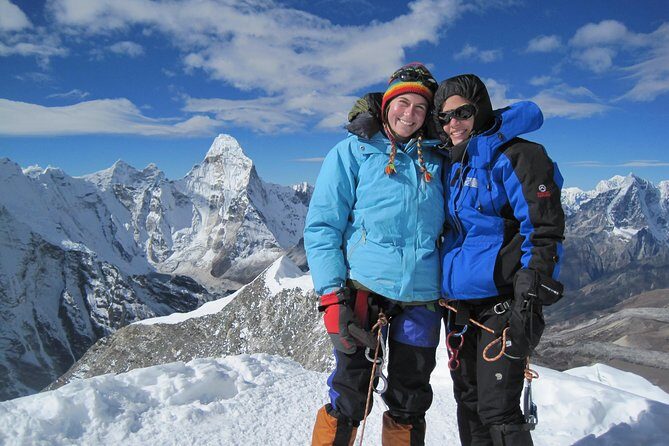
- Island Peak as a “do it while you’re already there” extension after Everest Base Camp
- One-day practice at Island Peak base camp before the summit attempt
- A private group setup (only your team participates)
- A team that’s been praised for end-to-end support from Kathmandu out and back
- Meals included (breakfast, lunch, dinner) with alcoholic drinks left to you
Island Peak as an Add-On to the Everest Base Camp Route
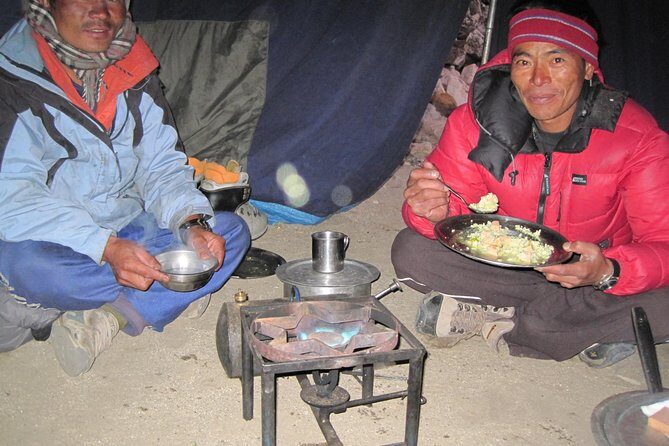
This is not sold as a standalone climb. It’s a combined plan: you hike to Everest Base Camp, go up to Kala Patthar, then come back down toward the area for Climb Chhukung Ri, and finally work Island Peak into the schedule. In plain terms, you get two big mountain experiences in one go—EBC first, then Island Peak when your body has already been getting used to the routine of trekking.
That order matters. The summit day on a trekking peak is a different kind of day than a standard trail hike. When you build your trek around already being on the mountain trail system, you’re more likely to feel mentally ready for the summit push. You also get a chance to learn how your breathing and legs respond as altitude creeps up, and then you add a day of practice at Island Peak base camp before committing to the summit.
The Island Peak prize is the climb itself. The trip is explicitly for Island Peak Climbing at 6,189m, and the summit is part of the plan. If you’ve been thinking, I want Everest Base Camp, but I also want something that feels like a real peak—this format is designed for that exact itch.
You can also read our reviews of more tours and experiences in Kathmandu.



From Kathmandu to Lukla: Getting Moving with Pickup and a Clear Schedule
The experience is based in Kathmandu, Nepal, and you start the on-the-ground schedule at 7:15am. Pickup is offered, so you’re not stuck figuring out your first logistics step after landing or waking up in the city.
There’s also a comfort factor here that you’ll notice quickly if you’ve ever booked trekking trips that feel vague. People describe Hiking Adventure Treks as professional and supportive from coming into Kathmandu to departing Kathmandu. That’s the practical stuff that can save your trip: getting your questions answered, keeping plans straight, and making sure you’re not constantly chasing details while you’re supposed to be building altitude strength.
You’ll also receive confirmation at booking, and you get a mobile ticket. That matters more than it sounds when you’re trekking: less paper, fewer surprises.
And because it’s private, you don’t have the stress of being dragged by a different group’s pace. Private doesn’t magically make altitude easier, but it can make the plan feel calmer and more adjustable to your needs—especially when your itinerary includes an extension to a second peak.
Everest Base Camp and Kala Patthar Days: Why They’re Built Before the Summit Push
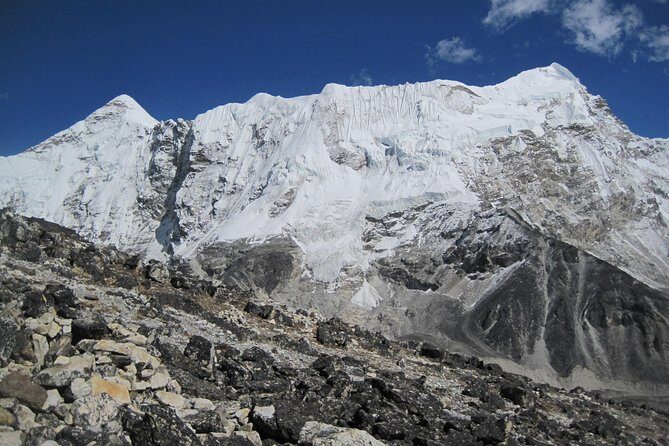
Your route includes hiking to Everest Base Camp and going to Kala Patthar. You’re not just walking for photos; you’re building endurance across multiple days that gradually shifts your effort higher. That’s the training value of the EBC part, even if your end goal is Island Peak.
This is also where you practice mountain decision-making. On EBC days, you learn how to manage your pace when every hour feels more expensive. You get used to the rhythm of trekking days: start, climb, stop, drink, eat, and repeat. By the time you move toward Climb Chhukung Ri and the Island Peak stage, your routine should feel familiar rather than foreign.
A drawback to keep in mind: you can’t treat the EBC portion as “easy warm-up.” It’s still a serious trekking effort, and your final summit push depends on your body being in good shape when it’s time for Island Peak. So if you’re the type who likes to push hard early, you may want to go steady here and save energy for the part that demands more from you.
Chhukung Ri and Namche Bazaar Timing: How the Trek’s Rhythm Helps
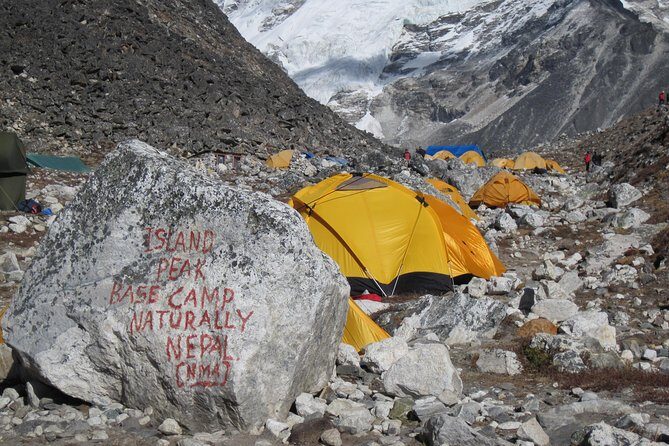
After Kala Patthar, the plan brings you back down toward Climb Chhukung Ri. That transition is key because it shifts you from the EBC zone into a closer-to-peak phase. In trekking terms, it’s the moment you stop thinking only about viewpoints and start thinking about summit readiness.
The reviews also point to a flexible and real-world way this trip can run. One successful experience described completing an EBC trek via Gokyo Ri and Chola Pass, then adding Island Peak on the third day of that plan. Another described a deviation around Namche Bazaar (spelled Namchee Bazaar in one account) on the 11th day to summit Island Peak, with the organization handled to perfection.
That tells me something useful for you: the operator seems comfortable planning the Island Peak extension when you decide you want it later, not only at day one. If you’re unsure right now and want to make the call after you see how you’re feeling, this kind of structure can work better than a rigid, fixed-everything schedule.
Still, be honest with yourself. Adding Island Peak later can feel exciting, but the earlier days still demand effort. If you blow too much energy on the first segment, the later summit decision gets harder, not easier.
Island Peak Base Camp Practice and Summit Day Reality Check
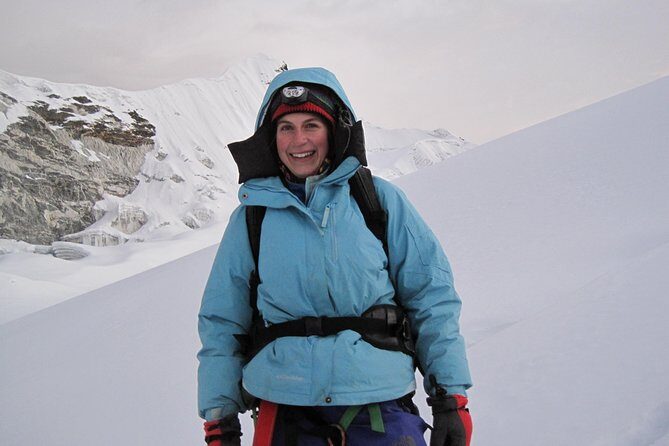
The experience includes one day practice at Island Peak base camp and then summit Island Peak. That’s a big deal. Practice isn’t just a formality; it’s the moment you get your body and mind ready for the summit style of climbing, so you’re not learning key movement ideas on the actual attempt.
Here’s the reality-check part you should take seriously: if your fitness isn’t where it needs to be, the summit day can punish you fast. The trip explicitly says you should have strong physical fitness, and the altitude target (6,189m) backs that up. This is not the place for bravado or last-minute fixes.
What I like about having that practice day built in is that it creates a buffer. You’ll have time to adjust to the way summit efforts feel compared to the previous trekking days. And it can also reduce stress because you’re not staring at the summit and hoping everything clicks.
If you’re considering this, ask yourself one question: do I want a trip where the summit is planned, taught, and supported—not improvised? Based on the way the team is described, the answer seems to be yes.




Price and Logistics: Is $2,256.42 Good Value for 16 Days?
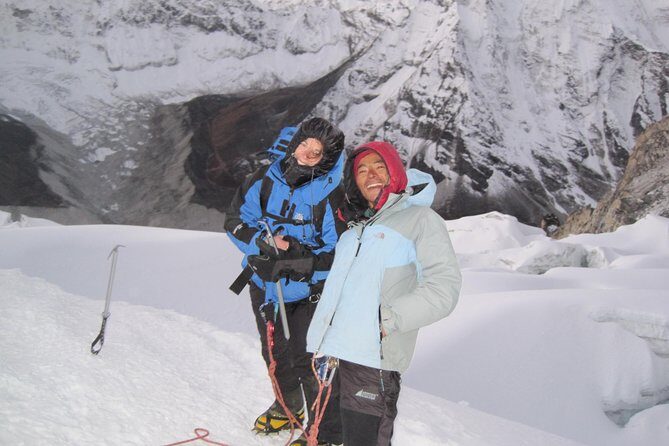
The price is $2,256.42 per person for about 16 days. To judge value, I look at what’s included versus what you’ll have to fund yourself, plus how much coordination the trip requires.
Here’s what you do know is included:
- Breakfast, lunch, dinner
- Pickup offered
- Private group setup
- Mobile ticket
- Confirmation at booking
And from the reviews, you also see praise for professional coordination, with names like Ram, Sajana, Gabriel, and guide Bishnu associated with successful experiences. People also mention organization of things like hotels, guides, porters, and food—though the exact package details can vary by date and route, so I’d treat that as a strong sign of their capability rather than a promise you should assume without checking.
So, is it worth it? For many hikers, it can be, because you’re not just booking a trek—you’re booking a second, technical goal (Island Peak summit) stitched onto an Everest Base Camp journey. That kind of planning costs time and attention, and altitude trips have fewer shortcuts. If you can keep your body healthy through the first part, the value tends to feel better because the second peak becomes achievable rather than just a dream.
Private Group Guidance with Real Names Behind It
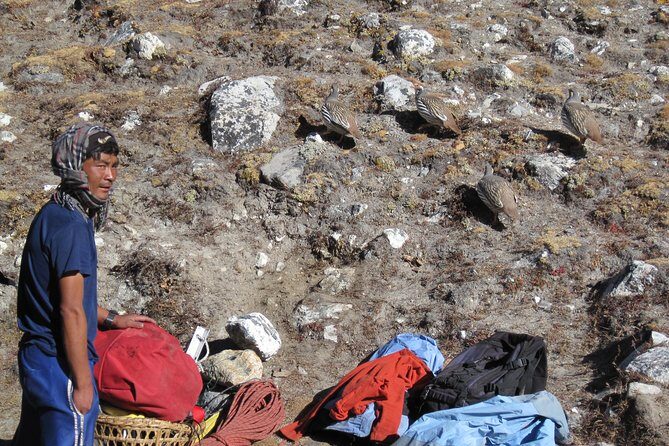
One of the most praised themes is support. Not support as a vague promise, but support as a person standing there at the right moment with a plan.
In the experiences described, guides like Bishnu were part of successful summit stories, and named organizers included Ram and Sajana, with Gabriel also showing up in one account. That matters because trekking peaks are emotional. You’re tired, you’re cold, you’re thinking too much. Having a guide and support staff who can keep you steady is worth more than a glossy itinerary.
Also note the pattern: the company is credited with being professional and organizing everything from Kathmandu to departure. That kind of end-to-end attention reduces the annoying friction that can drain your energy. On a trip like this, that energy should be spent on walking, not fixing logistics.
Private tours add another layer. Your group doesn’t have to match someone else’s pace. Your questions can be answered quickly, and you’re less likely to get stuck in awkward, slow-moving group situations.
Practical Tips So You Finish Feeling Proud
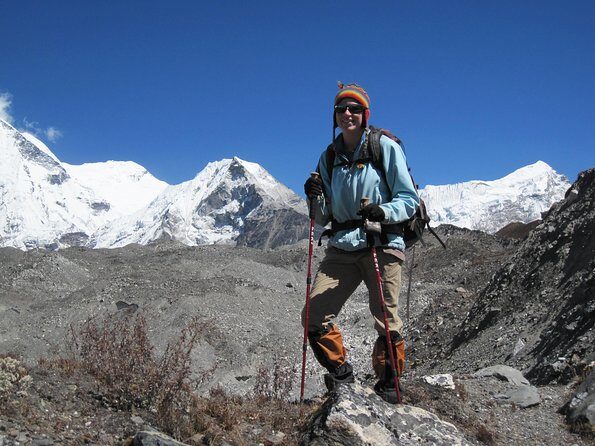
The info you have here points to two big success factors: fitness and pace.
First, take the fitness requirement seriously. The trip explicitly asks for strong physical fitness. If you’ve been inconsistent with hikes or strength work, start now. Aim for endurance and leg stamina, not just short bursts.
Second, protect your summit energy by not turning the early EBC days into a race. You want your body to arrive at Island Peak base camp feeling like it can still do another hard day. Practice is scheduled at base camp, then summit follows—so you need enough margin for both.
Third, plan for cold and long hours without assuming you can “power through” weather. Island Peak doesn’t care how motivated you are. Dress in layers, manage sweat, and keep drinking even when you don’t feel thirsty.
Finally, use the private setup. Ask questions early. If you’re the type who wants clarity, good. If you prefer calm and minimal talk, also fine. Your guide should be able to match your style while still keeping you safe and on plan.
Who This Tour Fits Best (and Who Should Think Twice)
This is best for you if:
- You want Everest Base Camp and also want a real peak summit as the finale.
- You’re physically ready for a trekking-heavy itinerary with a peak climb at 6,189m.
- You like the idea of a private group and a dedicated team.
- You want structured practice (one day at Island Peak base camp) before the summit attempt.
You should think twice if:
- You’re not confident in your fitness right now.
- You expect a relaxed walk-up experience. This is trekking with an added summit day and altitude demands.
- You need a fully refundable plan. If your schedule is uncertain, keep that in mind.
Should You Book This Island Peak Plan with Hiking Adventure Treks?
If you’ve been chasing Everest Base Camp but you also want that extra “I climbed a peak” feeling, this setup is a strong match. The big win is the way Island Peak is integrated: EBC and Kala Patthar first, then Climb Chhukung Ri, then a scheduled practice day at Island Peak base camp, and finally the summit.
Book it if you’re ready to commit to fitness and pace. The value likely feels strongest when you treat the first trekking segment as preparation, not just sightseeing.
If you’re on the fence because you worry about timing or effort, ask a direct question before you pay: how they’ll handle the Island Peak add-on timing relative to how you feel on the EBC portion. Based on past successful stories, they’ve shown flexibility around adding Island Peak mid-trek, but it’s still your body and your decision at altitude.
FAQ
Where is this experience located?
It takes place in Kathmandu, Nepal.
How long is the tour?
The duration is approximately 16 days.
What time does the experience start?
It starts at 7:15am.
Is this a private tour?
Yes. It’s private, and only your group will participate.
What is included in the price?
Breakfast, lunch, and dinner are included.
What is not included?
Alcoholic beverages are not included.
Do I get pickup and a ticket?
Pickup is offered, and you receive a mobile ticket.
Is there practice time before the summit?
Yes. The experience includes one day of practice at Island Peak base camp before summiting Island Peak.
What is the cancellation policy?
This experience is non-refundable and cannot be changed for any reason. If you cancel or ask for an amendment, the amount you paid will not be refunded.