REVIEW · KATHMANDU
Kathmandu: Kopan Monastery, Swayambhu and Boudha Nath Stupa Tour
Book on Viator →Operated by Breakfree Adventures Pvt. Ltd. · Bookable on Viator
Few places in Kathmandu feel this calm. This guided circuit strings together Kopan Monastery’s quiet Tibetan atmosphere, the huge spiritual presence of Boudhanath Stupa, and the hilltop views from Swayambhunath. Two things I really like: first, you get real context from a top guide, not just photo stops; second, the pace works, so you can ask questions and move at your speed.
The tour is also built for comfort and flow, with hotel pickup/drop-off and an air-conditioned private vehicle. One possible drawback: it’s only 5 to 6 hours, so if you want long, slow wandering time at each site without guidance, you may feel a bit time-pressed.
In This Review
- Key highlights to know before you go
- A 5–6 Hour Circuit That Actually Feels Like a Tour
- Boudhanath Stupa: One Hour at Kathmandu’s Spiritual Center
- Kopan Monastery: Hilltop Tibetan Buddhism and a Cooler, Quieter Mood
- Swayambhunath (Monkey Temple): Panoramic Views and a Shared Buddhist–Hindu Space
- Spin Prayer Wheels and Follow the Rituals Without Feeling Lost
- The Madan Effect: Why This Guide Quality Matters
- Price and Value: What $70 Gets You Here
- Lunch Near Boudhanath: How to Add a View Without Losing Time
- Who This Tour Suits Best (And Who Might Want Something Else)
- Should You Book This Kopan–Boudha–Swayambhunath Tour?
- FAQ
- How long is the Kathmandu: Kopan Monastery, Swayambhu and Boudha Nath Stupa Tour?
- Is hotel pickup and drop-off included?
- Are entrance fees included?
- Do I need to pay for monastery donations?
- Are meals included in the price?
- What stops are included on the tour?
- Can I cancel for a full refund?
Key highlights to know before you go
- A private day with a real storyteller: the guide (Madan) is praised for clear history and lots of Q&A
- UNESCO time at Boudhanath: a full hour at one of the world’s largest and most important stupas
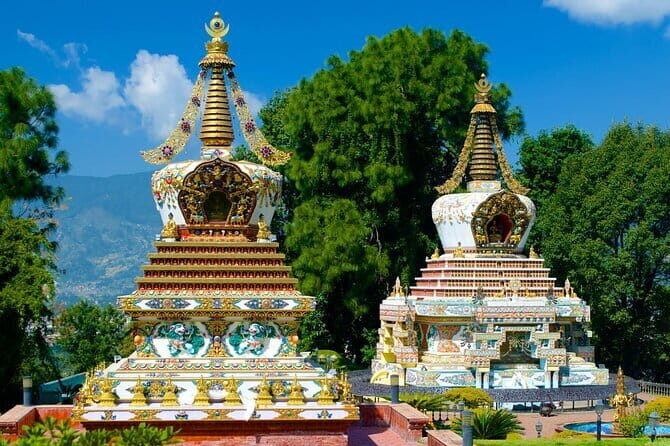
- Kopan Monastery’s teaching vibe: a hilltop stop focused on meditation and learning
- Swayambhunath views + symbolism: Monkey Temple area with panoramic Kathmandu Valley sights
- Entrance fees are handled: admission included for listed stops, so you spend less time figuring out tickets
- Prayer-wheel moments: you’ll have chances to take part in small, respectful rituals as part of the visit
A 5–6 Hour Circuit That Actually Feels Like a Tour
This is one of those rare Kathmandu itineraries that keeps the order sensible. You’re not jumping around endlessly. You start with Boudhanath, then move toward the monastery on its hilltop setting, and finish with the Swayambhunath area for those big valley views.
The biggest practical win is that you’re not navigating logistics all morning. You get hotel pickup and drop-off, plus an air-conditioned private vehicle. That matters in Kathmandu when street conditions, traffic, and short walk distances can change minute to minute.
Also, this is a private experience for your group. That means your guide can actually adjust on the fly. In the review notes, the guide named Madan is specifically called out for going at the pace you want and answering many questions. That’s exactly what you hope for when your main goal is understanding, not just checking boxes.
You can also read our reviews of more tours and experiences in Kathmandu.



Boudhanath Stupa: One Hour at Kathmandu’s Spiritual Center
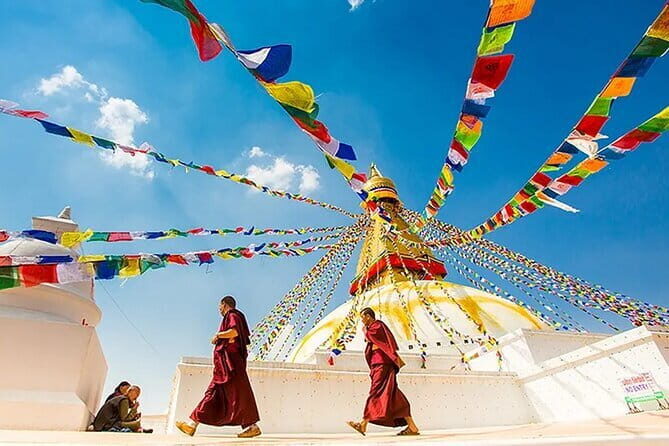
Your first major stop is Boudhanath Stupa, a UNESCO World Heritage site and one of the largest stupas in the world. It’s described as a sacred pilgrimage destination for Buddhists, and that feeling comes through in how people move around the stupa: with purpose, not just tourism energy.
You’ll have about an hour here with admission included. That’s a good length. Long enough to take in the scale, watch ritual behavior, and get your bearings without feeling rushed. And you can use that time to follow your guide’s explanations. This tour leans hard into context, which is the difference between seeing a stupa as a landmark and understanding it as a living religious space.
One small consideration: this area can be active, because it draws pilgrims and visitors. If you prefer total silence, bring a mindset shift. You’re not going to a private retreat. You’re joining a real spiritual hub, even if you’re only there for a short visit.
Kopan Monastery: Hilltop Tibetan Buddhism and a Cooler, Quieter Mood
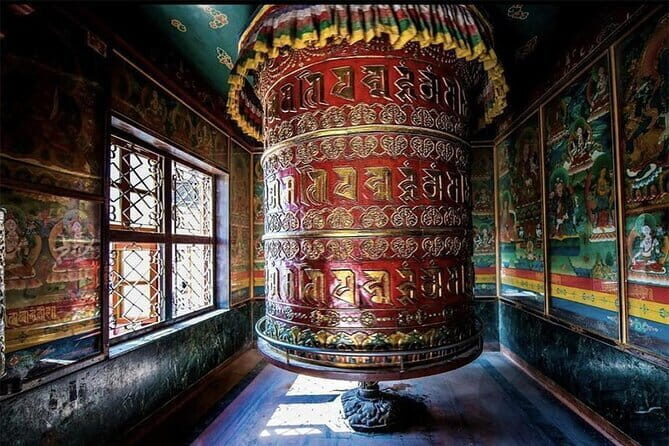
Next up is Kopan Monastery, a Tibetan Buddhist monastery perched on a hilltop near Kathmandu. The focus here is serenity and teaching. The experience is framed around meditation and learning, and that’s a key difference from the more public feeling of Boudhanath.
You get about one hour here, with admission included. For me, that timing is ideal. It gives you enough room to absorb the atmosphere and listen to what your guide shares, without turning the monastery visit into a marathon. It also fits the tone of the day: you start in a huge spiritual monument, then you shift into a quieter space where the whole point is contemplation.
A practical thing to plan for: donations in monasteries are not included. The tour listing is explicit about that, so don’t show up thinking everything is fully covered. If you want to participate respectfully, budget a little for that. If you don’t, you can still visit—just make sure you’re mindful and follow any guidance you’re given.
Swayambhunath (Monkey Temple): Panoramic Views and a Shared Buddhist–Hindu Space
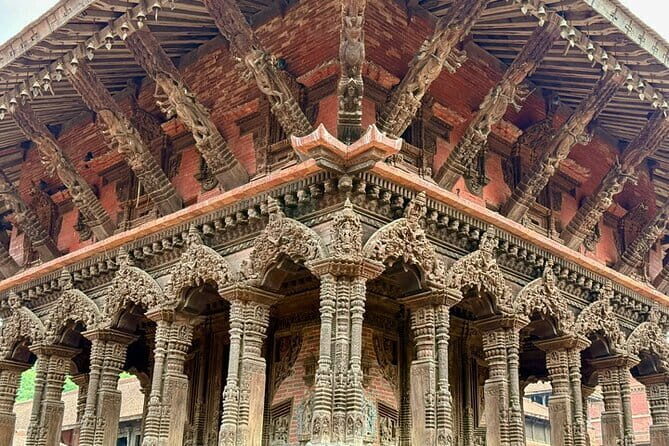
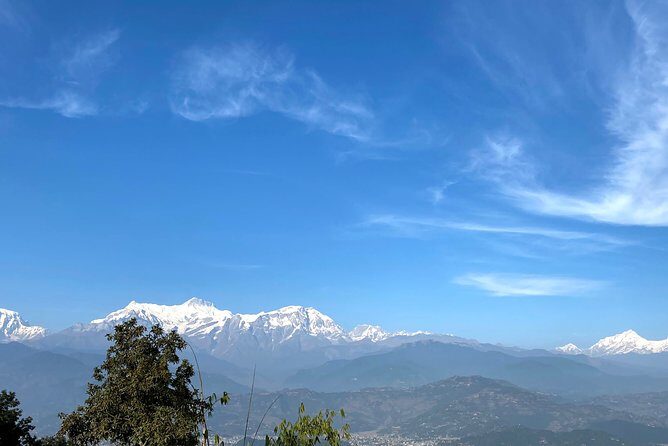
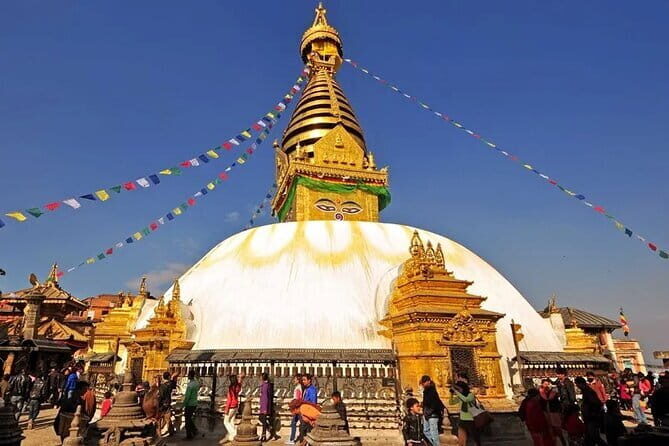
The final phase is Swayambhunath Stupa, famously called the Monkey Temple. It sits atop a hill overlooking Kathmandu Valley, which is exactly why it’s a favorite finishing stop. When you reach that height, the city feels different below you. You’re not just looking at monuments. You’re getting a sense of where the religious sites sit in the geography of the valley.
This part of the tour is scheduled in segments. You’ll spend time at the Monkey Temple area, and the plan also includes a visit linked with Swayambhu Mahachaitya (with admission included). Other listed Swayambhunath stops are marked free in the schedule. In practice, what that means for you is simple: you’ll get time to walk through different sections of the stupa complex and spend time absorbing both views and symbolism, rather than treating it as one quick photo.
The tour description also highlights a blend of Buddhist and Hindu symbolism. That matters because Swayambhunath doesn’t feel like a single-faith bubble. You’ll likely notice people approaching the site in different ways, and your guide’s explanations help you connect the dots instead of guessing.
Possible consideration here: you’ll be spending time on a hilltop approach. Even if the route isn’t described in detail, it’s wise to wear comfortable shoes and plan for steps and short climbs. If you’re sensitive to walking, tell your guide at the start so they can help you manage pace across the segments.
Spin Prayer Wheels and Follow the Rituals Without Feeling Lost
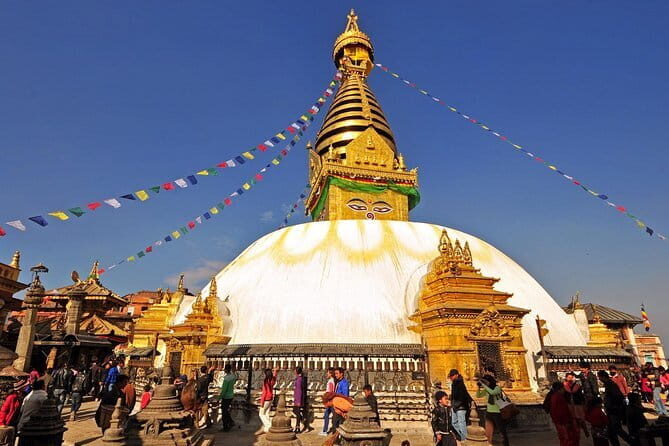
One of the most memorable parts of this kind of stupa tour is when you’re not just looking. You’re participating in a small ritual in a respectful way.
The tour overview specifically mentions peaceful ambiance, spin prayer wheels, and Tibetan culture. That blend is what makes it more than a sightseeing route. Prayer wheels are a physical way to engage with belief and practice. Even if you don’t know the details, your guide can explain what you’re doing and what behavior is respectful.
Here’s a practical tip: watch what your guide does, then follow your own comfort level. You don’t need to perform every action the same way someone else does. The point is to understand the meaning and participate calmly.
If your goal is inner peace, this is the right style of stop. It’s not a museum lecture. It’s a guided walk through sacred space where your behavior and attention change the experience.





The Madan Effect: Why This Guide Quality Matters
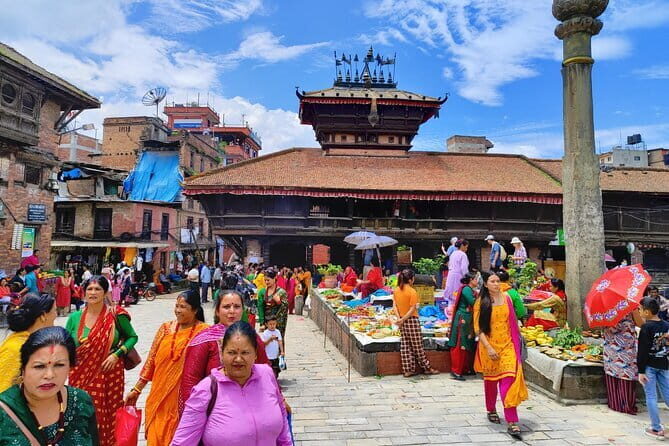
A guide can make or break a religious and cultural tour. The standout praise in the notes you provided isn’t vague. It’s specific: the company is described as professional, and the guide Madan is highlighted for informative history, answering lots of questions, and adjusting to the pace you want.
That’s useful for you because religious monuments can feel confusing if you only get a basic description. With a guide who explains, you’re more likely to notice:
- why a site is sacred and how people approach it
- what parts of the stupa complex mean
- how Buddhist and Tibetan practice shows up in real daily behavior
Even if you’re not a “history person,” you still benefit. When you understand the symbolism, the sites stop being just impressive shapes and become meaningful places with a logic you can feel.
Price and Value: What $70 Gets You Here
At $70 per person, this isn’t trying to be the cheapest option in Kathmandu. It’s positioned as a value-packed guided day.
Here’s what’s included, and why it matters:
- Hotel pickup/drop-off: saves time and stress, especially if it’s your first day
- Air-conditioned private vehicle: comfort on a short, time-sensitive route
- Private English-speaking guide: the main reason the tour is worth it for most people
- Monuments entrance fees: the itinerary includes admissions for listed stops, so you’re less likely to hit surprise costs
- All fees and taxes: helps the budget stay predictable
- Mobile ticket: reduces paperwork headaches
What’s not included is also clear: meals and drinks, plus donations in monasteries. So if you’re trying to keep costs super tight, plan on paying for lunch on your own.
Is it worth it? Usually, yes—especially if you want guidance at three major sites in one day. If you’re traveling solo and happy to go without explanations, you could do parts independently. But if you care about understanding and prefer a smooth flow, this price starts to look very fair.
Lunch Near Boudhanath: How to Add a View Without Losing Time

The tour includes a suggestion you’ll probably appreciate: you can enjoy lunch with a stunning view of Boudhanath from a rooftop restaurant nearby.
Meals aren’t included, so you’ll pay for food and drinks yourself. But the payoff is timing and location. After spending an hour at the stupa, it’s a nice transition to a nearby place where the view keeps the day’s theme going.
If you want to make this work smoothly, plan to keep lunch efficient. You don’t want to turn a short break into an hour-long detour, because the day still needs Kopan Monastery and Swayambhunath time.
Who This Tour Suits Best (And Who Might Want Something Else)
This tour fits best if you:
- want a guided day with clear context
- are interested in Tibetan Buddhist spirituality and learning settings like Kopan Monastery
- appreciate stupa symbolism and don’t just want photos
- prefer convenience, with pickup, private transport, and entrance fees handled
It can also be a great choice for first-time visitors who only have half a day and want three “top of the list” stops without planning each step.
You might reconsider if you:
- want long, independent wandering with no schedule pressure
- prefer fully unguided experiences and don’t care about explanations
- have a very strict budget that excludes lunch and any donation you may choose to offer
Should You Book This Kopan–Boudha–Swayambhunath Tour?
I’d book it if you want a calm, respectful day where understanding is part of the experience. The combination of Boudhanath’s scale, Kopan Monastery’s teaching atmosphere, and Swayambhunath’s hilltop views makes for a balanced route. And the best signal in your notes is the guide quality: Madan is called out for informative history and for answering lots of questions without rushing you.
I’d hold off if you’re the type who gets the most joy from going entirely on your own and staying longer at fewer places. This tour is well paced, but it is still a tight 5 to 6 hours.
If you’re deciding, think about what you want most: convenience and context, or maximum freedom. This tour is built for the first option.
FAQ
How long is the Kathmandu: Kopan Monastery, Swayambhu and Boudha Nath Stupa Tour?
It runs about 5 to 6 hours.
Is hotel pickup and drop-off included?
Yes. Pickup and drop-off are included.
Are entrance fees included?
Yes. Monument entrance fees are included for the stops that list admission in the itinerary.
Do I need to pay for monastery donations?
Donations in monastery are not included, so you’ll need to pay for any donations separately.
Are meals included in the price?
No. Meals and drinks are not included.
What stops are included on the tour?
The tour includes Boudhanath Stupa, Kopan Monastery, and time at Swayambhunath (Monkey Temple) including the Mahachaitya area.
Can I cancel for a full refund?
Yes. You can cancel up to 24 hours in advance for a full refund. If you cancel less than 24 hours before, it’s not refunded.