REVIEW · KATHMANDU
Local Living Nepal
Book on Viator →Operated by Himalayan Exploration · Bookable on Viator
Temples, treks, and wildlife in one tight circuit. This Nepal trip works because it mixes Kathmandu Valley sacred sites with real walking days and then caps it off in Chitwan National Park. I especially like how the planning feels smooth from the start, and how the itinerary includes both big monuments (think Pashupatinath and Boudhanath) and small, lived-in moments (village paths, host-family food lessons). The main drawback is it’s not a sit-and-stare pace: you’ll hike, you’ll ride long stretches, and some mountain views depend on weather.
I also like the people angle. Reviews about this operator highlight careful coordination, with Kumar praised for being punctual and making airport and hotel transitions feel hassle-free. You’ll even use a mobile ticket, and the tour runs as a private setup so the guide can match the rhythm to your group.
Smooth, low-stress start at the airport with a local representative meeting you at Tribhuvan’s arrival gate
Kathmandu Valley highlights in one day—Pashupatinath by the riverbank and Boudhanath in the evening
UNESCO stops plus hands-on crafts in Bhaktapur’s Old City and pottery squares
Active but doable hikes toward Nagarkot, Dhulikhel, and spiritual stops like Namo Buddha
Chitwan that mixes wildlife and culture—early safaris, village walks, and Tharu dance
In This Review
- Why This 12-Day Nepal Route Feels Like Local Living
- Price and Value at $1,200 Per Person (What You’re Actually Buying)
- From Tribhuvan Airport to Kathmandu Valley in About 20 Minutes
- Kathmandu at Dusk: Pashupatinath, Boudhanath, and the Monkey Stairway
- Bhaktapur Durbar Square: UNESCO, Newari Details, and Pottery Square Energy
- Nagarkot and Sankhu for Sunset: When a Short Hike Beats a Long Day
- Nagarkot to Dhulikhel Trek: Five Hours of Ridge Views and Lokeshwor’s Temple
- Namo Buddha Overnight: Evening Service, Dinner with a Monk, and Morning Meditation
- Panauti: Rural Landscapes, a Living Museum Feel, and a Host-Family Cooking Lesson
- Chitwan National Park: Early Wildlife, Jeep Safari Time, and Tharu Culture Nights
- Chitlang and Kulekhani: Rhododendron Hills, Weather-Dependent Mountain Views, and a Lakeside Reset
- The Last Day: A Simple Transfer Out
- What I Think Works Best (And Who Might Want to Skip It)
- Should You Book Local Living Nepal?
- FAQ
- Where does the tour start?
- Is hotel pickup and drop-off included?
- How long is the tour?
- What’s included in the price?
- Are park and activity fees included?
- Is this a private tour?
- What meals are included?
- Does the tour include wildlife activities in Chitwan?
- Is alcohol included?
- Can I cancel for a full refund?
Why This 12-Day Nepal Route Feels Like Local Living
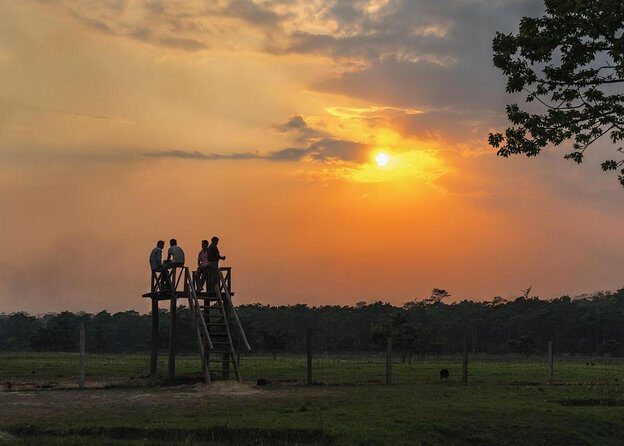
Nepal can feel like two different worlds: grand temples and stupas on one side, and “get off the main road” travel on the other. This tour stitches those together. You spend time where people actually pray, where families cook and host, and where the daily routine is shaped by the land.
That blend is also why it’s a good value. You’re not paying for only sightseeing. You’re paying for transport, guides, included meals, park fees, and multiple guided experiences that would be annoying to stitch together yourself—especially when you want both culture and wildlife.
Still, it’s smart to go in with the right expectation. You’ll have long drive days (Chitwan is a big move), plus hiking legs where your shoes matter more than your camera.
Price and Value at $1,200 Per Person (What You’re Actually Buying)
At $1,200 per person for about 12 days, the price can look steep until you map what’s included. This isn’t just a sightseeing ticket. It includes:
- Accommodation across the program
- Meals as scheduled: 11 breakfasts, 9 lunches, 9 dinners
- National park fees
- Driver/guide and a professional guide
- Hotel pickup and drop-off, plus port pickup/drop-off
On a private tour, those pieces add up fast. The alternative is piecing it together on your own—often with more time spent coordinating and more chances for schedule headaches. If you want a plan that covers the “hard parts” (getting from place to place, finding the right guides, and keeping days moving), this price starts to make sense.
One more value point: your group is private. That matters in Nepal, where a guide’s timing and local context can turn a crowded place into a calm one.
You can also read our reviews of more tours and experiences in Kathmandu.



From Tribhuvan Airport to Kathmandu Valley in About 20 Minutes
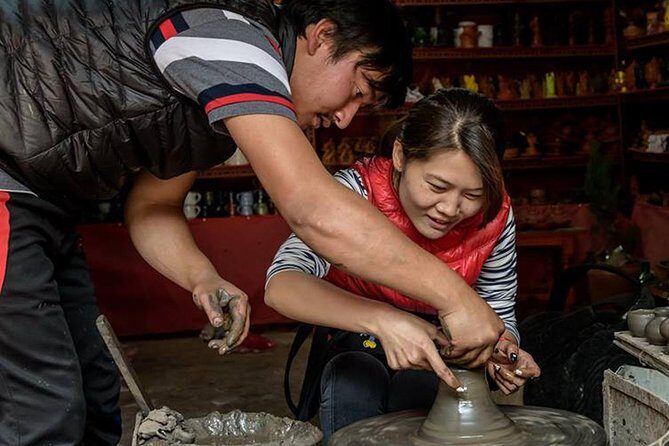
Your first win is simple: arrival handling. You meet a local representative in front of the arrival gate with a sign for Around The World Travel. From there, you get a transfer straight to your Kathmandu hotel.
The drive is about 20 minutes to the Kathmandu Valley, which helps on day one. If you’ve ever arrived in an unfamiliar city and immediately fought for transit, you’ll appreciate this kind of direct handoff.
If you’re traveling with extra bags, note that port pickup and drop-off is included. That doesn’t remove all carrying in a city, but it reduces the “where do we put this” hassle.
Kathmandu at Dusk: Pashupatinath, Boudhanath, and the Monkey Stairway
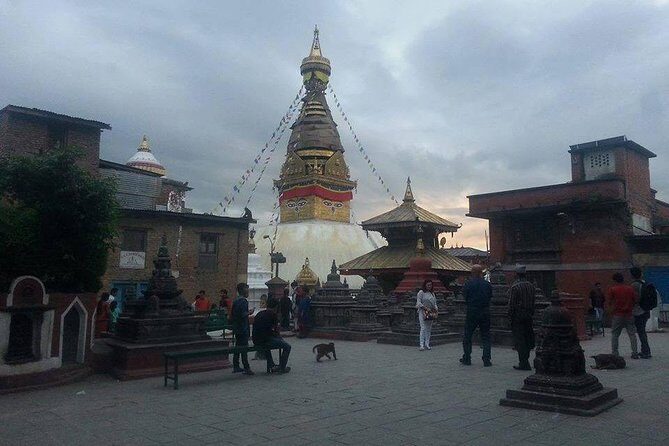
Day two is built around two of the most powerful religious sites in the valley.
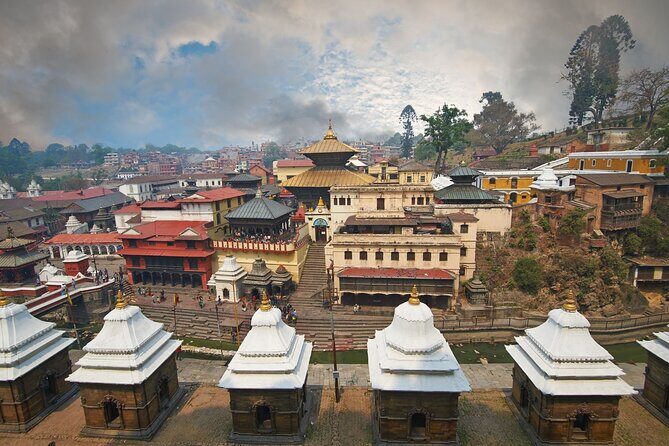
Pashupatinath is a Hindu shrine on the river bank. You get there in the afternoon/evening flow, and it’s the kind of place where the river, the rituals, and the carvings all work together. Even if you’re not a religious traveler, it’s one of those stops that helps you understand what people mean when they say Nepal is spiritual in everyday life.
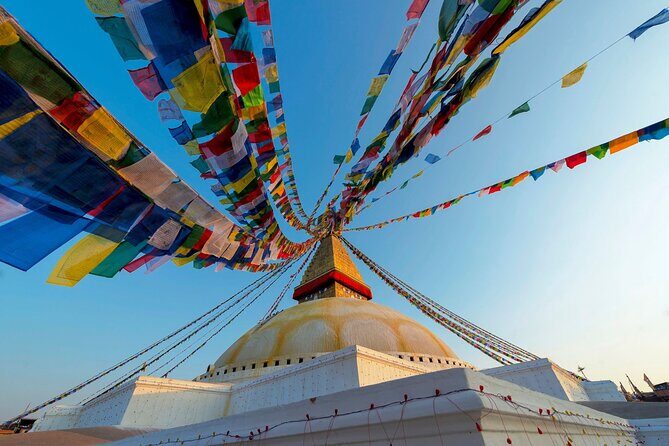
Then you shift to Boudhanath, a huge Tibetan Buddhist stupa. Evening visits are especially good here because light softens the details, and the atmosphere feels contemplative rather than rushed. One small but memorable detail: monkeys on the stairway can be part of your photo stops and your walking route.
You’ll also get a chance at a sunset view over the Kathmandu Valley, which is a nice payoff after temple time. This day sets the tone: not just monuments, but lived ritual.
Bhaktapur Durbar Square: UNESCO, Newari Details, and Pottery Square Energy
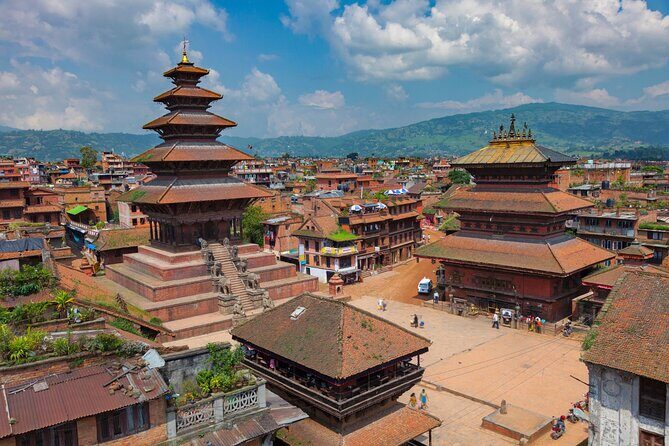
On the way to Bhaktapur, you’re in the car for less than an hour. Then you step into a medieval royal city with narrow streets and traditional buildings that still feel human-scaled.
Bhaktapur Durbar Square is UNESCO-listed, and what I like most is how quickly you can move from “big history” to “street-level life.” The Old City layout makes it easy to slow down. It’s also a pottery town, so you’ll see artisans working and creating pieces in the pottery square. That gives your visit more texture than a single temple stop.
If you enjoy crafts, this is a stronger choice than a day that only hits major landmarks. You leave with examples of how skills are passed along—right there where visitors can watch.
Nagarkot and Sankhu for Sunset: When a Short Hike Beats a Long Day
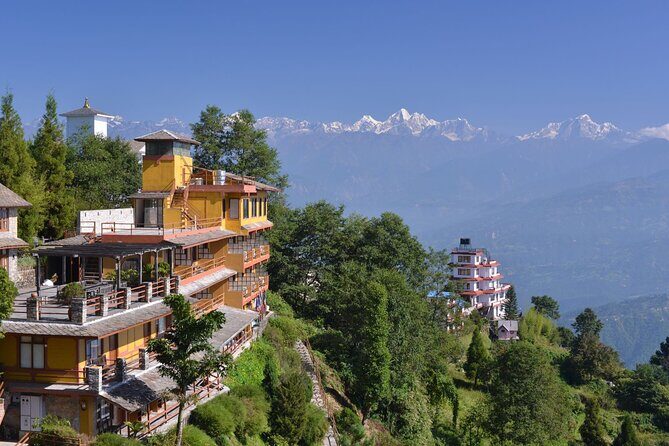
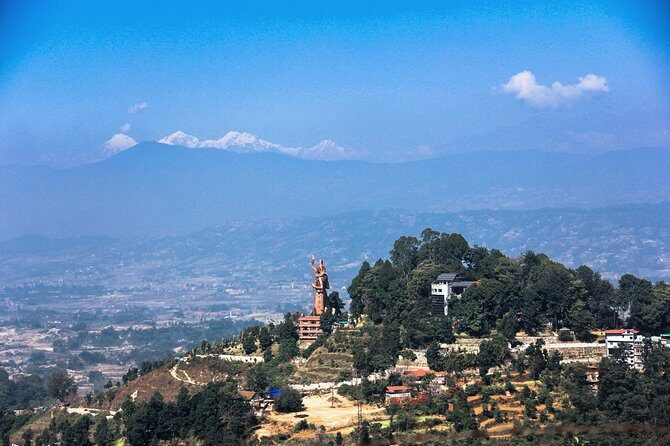
Nagarkot is the classic “high viewpoint” area around Kathmandu, and it’s a smart inclusion because it changes your pace. Instead of only city walking, you get a short hike toward Sankhu and then the payoff: a sunset view from Nagarkot.
You’ll also spend time with the Newari cultural and historic sites around this area. The program highlights major architectural gates and palace features, including the Lion Gate, the Golden Gate, and the Palace of 55 Windows (not small details—these are tall, dramatic structures). Seeing them with time to walk around helps you notice carving patterns and scale.
Practical note: evenings can get cool. Even if it’s pleasant in Kathmandu earlier, bring layers so you’re comfortable while you wait for the light to change.




Nagarkot to Dhulikhel Trek: Five Hours of Ridge Views and Lokeshwor’s Temple
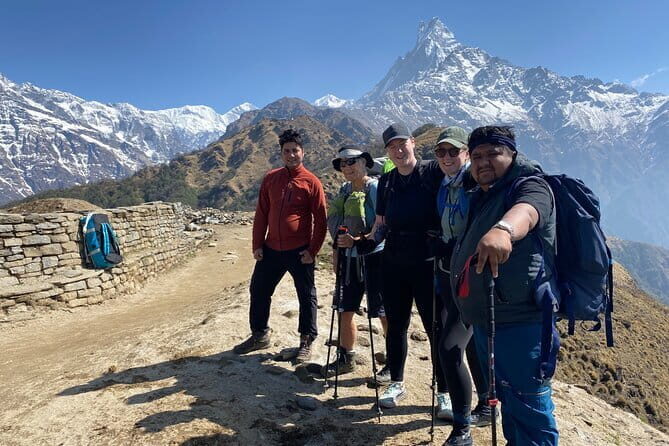
Day five is where your “active travel” switch flips on. The trek from Nagarkot to Dhulikhel is listed at about five hours and described as a moderate path that descends along certain factors and avoids a downhill route.
What matters for you: this is a trail day with panoramic rewards. The ridge line leads toward Nala and offers a broad view of the valley.
Along the way, you also visit the Lokeshwor (Nala Karuna Maya) temple, described as a striking four-story structure. That kind of stop keeps a hike from turning into only effort; you get a clear cultural reason to pause.
One seasonal caution: the plan notes that in February some tracks may be muddy and slippery. If your trip lands in a similar season, pack shoes with decent grip and expect slower footing.
Namo Buddha Overnight: Evening Service, Dinner with a Monk, and Morning Meditation
Namo Buddha is a standout because it’s not just a sightseeing stop. You move through villages and eventually reach a Tibetan Buddhist community with chortens and monasteries.
The big difference is that you stay overnight at the sanctuary. That turns the visit into a rhythm. You attend an evening service of the Buddha, and you’ll have dinner with a monk, which is the kind of human moment that tends to stick longer than any temple photo.
Then you do morning meditation after the hike. Even if meditation isn’t your thing, the practical value is that it slows you down after a travel day. It also helps you experience the place from inside the schedule rather than only passing through.
If you prefer polished, hotel-style comfort only, this might feel more rustic than expected. But the trade-off is depth.
Panauti: Rural Landscapes, a Living Museum Feel, and a Host-Family Cooking Lesson
Day seven shifts into “slow village exploration.” You trek to Panauti and explore ancient temples on the way. The program mentions a living museum and rural landscapes, and then you meet a host family who introduces local culture and offers a culinary course.
This is a smart pairing: temples explain beliefs and stonework, while the cooking course explains how those beliefs and local life sit together in daily routine. It’s also a break from the “look and leave” style of travel.
Practical tip: plan to eat what they teach you, not just sample. The best cultural food experiences happen when you’re willing to try the full dish, even if it’s new to your palate.
Chitwan National Park: Early Wildlife, Jeep Safari Time, and Tharu Culture Nights
Chitwan is where the trip changes from temples and trails to wildlife and river-country ecology.
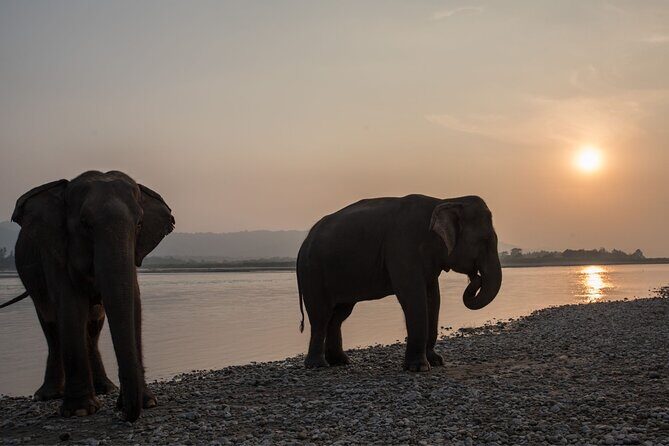
You spend a few nights in Chitwan after a long drive. The program builds in multiple ways to enjoy the area: wildlife activities plus cultural moments. On arrival and evenings, you also get opportunities to stroll a village and attend a welcome ceremony with cultural dance.
Day nine emphasizes the wildlife side:
- Elephant safari
- Birdwatching
- A tour of an authentic Indian village
- Buffet breakfast
- Afternoon visit to an elephant breeding center
- Jeep safari in the jungle
Early morning is called out as the best time for wildlife adventures. That makes sense—animals are often more active, and the light is better for sightings.
There’s also a note on elephant rides. The program states they don’t endorse elephant rides in many destinations, but they believe the elephant rides here are a positive force for preserving the environment. If elephant ethics are a major concern for you, treat this as a prompt to ask your guide how the rides work and what the welfare approach is on the ground—so you can decide comfortably.
Even without perfect wildlife sightings, this part of the trip has strong value because you’re out in the habitat with guided context. You’re not just driving past nature; you’re learning how people track animals and read the area.
Chitlang and Kulekhani: Rhododendron Hills, Weather-Dependent Mountain Views, and a Lakeside Reset
After Chitwan, the tour turns toward calmer scenery.
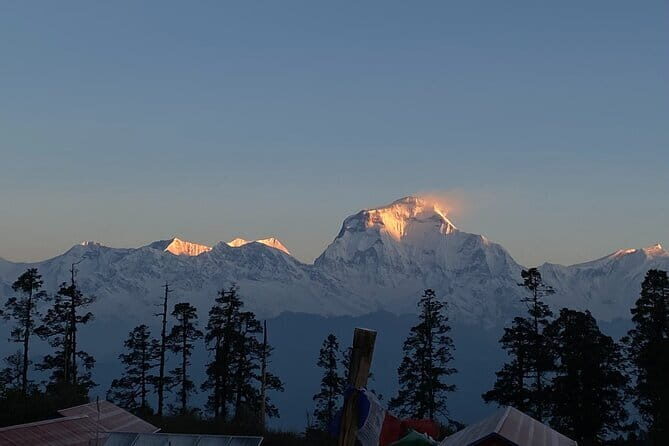
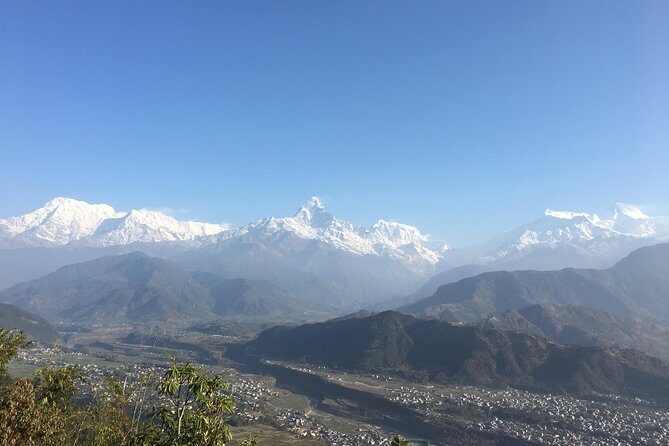
Day ten includes a drive to Chitlang via Daman, with rhododendron hills mentioned as common in the area. If weather plays nicely, this is when you might get some of the best views toward Annapurna and Everest. Because it’s weather-dependent, don’t build your whole day around the assumption of clear skies.
The program describes Chitlang as a small-village change of pace—feeling like another world compared with the busier stops.
Day eleven continues with an excursion to Swochandara village and includes a short boat ride to Kulekhani. You also stop at a human-made lake near Kathmandu and return by drive.
This is one of the nicer “mental resets” on the trip. After safari days and hiking days, the boat and lake time helps your body recover without turning the day into nothing.
The Last Day: A Simple Transfer Out
Day twelve stays straightforward. You finish your local living journey, and when your flight departs, you’re transferred back to the airport.
That matters because in Nepal, leaving smoothly can be the difference between a relaxed ending and a stressful scramble.
What I Think Works Best (And Who Might Want to Skip It)
This tour fits well if you want a “best of Nepal” blend without the planning grind. You’ll enjoy it if you like:
- walking with a purpose (temple visits and ridge views)
- cultural sites that still function as religious spaces
- wildlife time in a national park setting
- staying in one organized rhythm with a guide and driver
You might reconsider if you want a fully low-activity holiday. The trek days and the long drive to Chitwan aren’t light. Also, if you strongly avoid any elephant-related activities, you’ll want to talk with your guide first since the program includes elephant safari and mentions elephant rides in its environment context.
If you’re traveling as a couple, a family, or a group of friends, the private setup is a big plus.
Should You Book Local Living Nepal?
Book it if you want Nepal that feels practical and human: temple evenings in Kathmandu, UNESCO streets in Bhaktapur, ridge walking toward Dhulikhel, a real overnight spiritual experience at Namo Buddha, and then Chitwan with early wildlife and cultural evenings.
I’d hesitate only if you’re chasing pure luxury or an all-flat itinerary. This is a moving, active route. The trade-off is you get more than views—you get routines, people, and context.
One final check before you decide: be honest about your hiking comfort and your interest in wildlife days. If both sound good, this is a strong, well-rounded choice for a 12-day first-time or “I want more than the mountains” Nepal trip.
FAQ
Where does the tour start?
It starts at Tribhuvan Airport in Kathmandu, Nepal, where you meet a local representative at the arrival gate.
Is hotel pickup and drop-off included?
Yes. The tour includes hotel pickup and drop-off, plus port pickup and drop-off.
How long is the tour?
It’s approximately 12 days.
What’s included in the price?
Accommodation as per the itinerary, meals (breakfast, lunch, and dinner as scheduled), national park fees, driver/guide, a professional guide, and transfers/pickups.
Are park and activity fees included?
National park fees are included, and Chitwan activities are listed as included on the program.
Is this a private tour?
Yes. It’s a private tour/activity, so only your group participates.
What meals are included?
Meals are included as per itinerary, with 11 breakfasts, 9 lunches, and 9 dinners listed.
Does the tour include wildlife activities in Chitwan?
Yes. Chitwan days include activities such as an elephant safari, birdwatching, village visits, and jeep safari, plus a visit to an elephant breeding center.
Is alcohol included?
No. Alcoholic drinks are available to purchase, but they’re not included.
Can I cancel for a full refund?
Yes, free cancellation is available up to 24 hours in advance of the experience’s start time for a full refund.