REVIEW · KATHMANDU
Tibet Tour With Everest Base Camp – FLY IN DRIVE OUT- 8 DAYS
Book on Viator →Operated by Alpine Club of Himalaya · Bookable on Viator
This route feels like two trips in one. You fly into Lhasa for acclimatization, then head back overland toward Kathmandu with Everest Base Camp on the schedule. The mix of famous monasteries, big-altitude passes, and frontier driving makes it more than a sightseeing loop.
What I like most is the clear structure: you get focused time for the Lhasa icons first, then you move outward toward Gyantse and the Ronbuk area. The second big win is the included logistics inside Tibet—permits, sightseeing fees, and a trained local guide—so you spend less time worrying and more time watching what’s actually in front of you.
One thing to consider is altitude and driving time. You cross high passes on the way to Gyantse and Ronbuk, and the itinerary ends with a hike to Everest Base Camp, so this is not a gentle vacation if you’re sensitive to height.
In This Review
- Key things I’d zero in on before booking
- Why this fly-in drive-out style makes sense
- Day 1: Kathmandu to Lhasa by air, then an easy landing
- Days 2 and 3: Lhasa’s big icons—Potala, Jokhang, Barkhor, Drepung, Sera
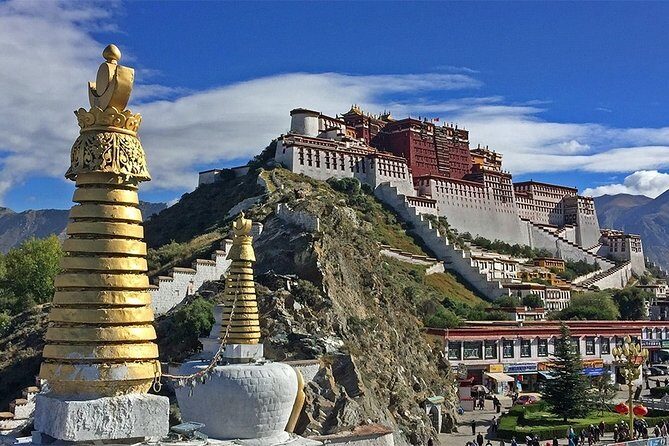
- Potala Palace
- Jokhang Temple and Barkhor Bazaar
- Drepung Monastery and Sera Monastery
- Day 4: Yamdrok Lake route to Gyantse—Kora La and Kamba La
- Day 5: Tashilhumpu Monastery and the Gyatchula pass to Xegar
- Day 6: Ronbuk Monastery—the highest monastery moment
- Day 7: Hike to Everest Base Camp, then down toward Kerong
- Day 8: Rasuwagadi border formalities and back to Kathmandu
- Price and logistics: what feels like value, and what you must budget
- Comfort and altitude: how to set yourself up for success
- How the tour company’s planning shows up in real life
- Who this tour fits best (and who should think twice)
- Should you book this Tibet with Everest Base Camp plan?
- FAQ
- FAQ
- Are flights from Kathmandu to Lhasa included?
- Does the tour include Tibet permits and entry fees?
- What accommodation is included in the price?
- How many meals are included?
- Do I need a Chinese visa and a Nepal visa?
- Can I cancel for a full refund?
Key things I’d zero in on before booking
- Fly in, drive out: less backtracking and a smoother arrival rhythm into Lhasa
- 8 breakfasts included: simple, predictable mornings as you move from city to countryside
- All Tibet permits + sightseeing fees: you’re not piecing paperwork together day by day
- Lhasa classics with time built in: Potala Palace, Jokhang, Barkhor, Drepung, and Sera
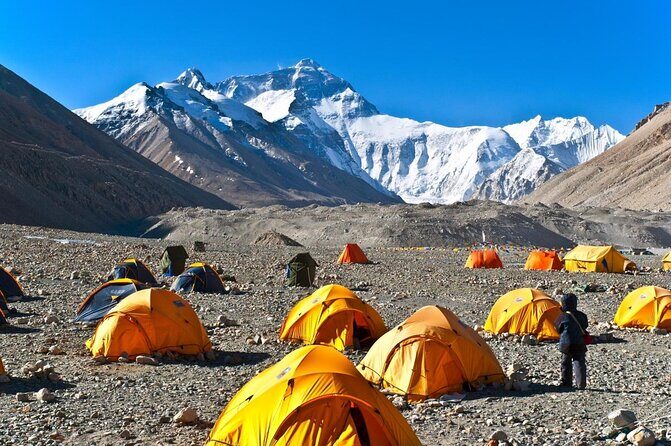
- Ronbuk Monastery and the EBC approach: a high-altitude route with real payoffs
Why this fly-in drive-out style makes sense
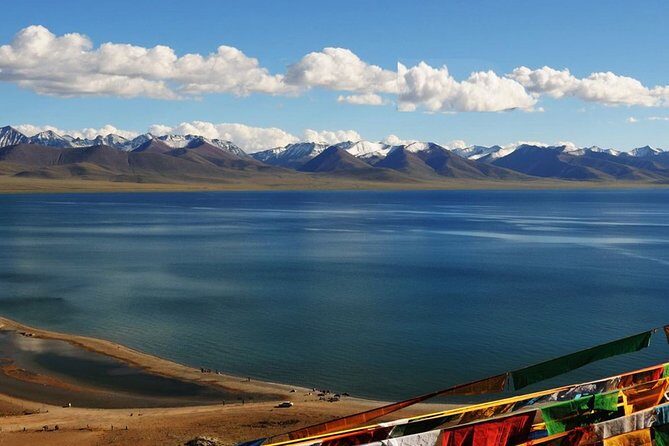
The best feature here is the route design. Flying into Lhasa helps you start at altitude without spending your first day stuck on the road. Then you return overland across the border by the end of the trip, which keeps the story of the journey going instead of ending right after you arrive.
This matters because Tibet trips live and die on timing. You want your body to get used to the elevation before you’re stacking long drives and temple visits. You also want time to see the Lhasa sights without rushing, since the city’s main landmarks connect to each other by location and by vibe.
You can also read our reviews of more tours and experiences in Kathmandu.



Day 1: Kathmandu to Lhasa by air, then an easy landing
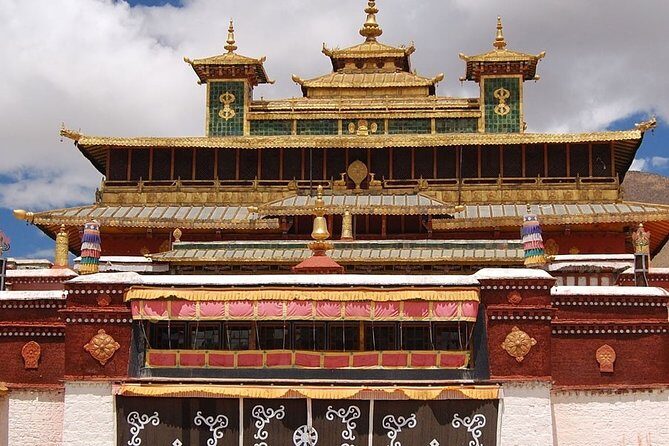
You fly from Kathmandu to Lhasa, arriving at Gonggar Airport. After landing, you drive to Lhasa (about one hour), then you’re done for the day—rest first, acclimatize, and keep the evening calm.
That rest day is not filler. It’s the first step in making the whole plan work, especially because later days include passes above 5,000m. If you try to “power through” on day one, you’ll feel it later.
Also note the practical side: the tour summary says the flight to Lhasa costs extra. So treat Day 1 flight cost as part of your budget from the start, not a last-minute add-on.
Days 2 and 3: Lhasa’s big icons—Potala, Jokhang, Barkhor, Drepung, Sera
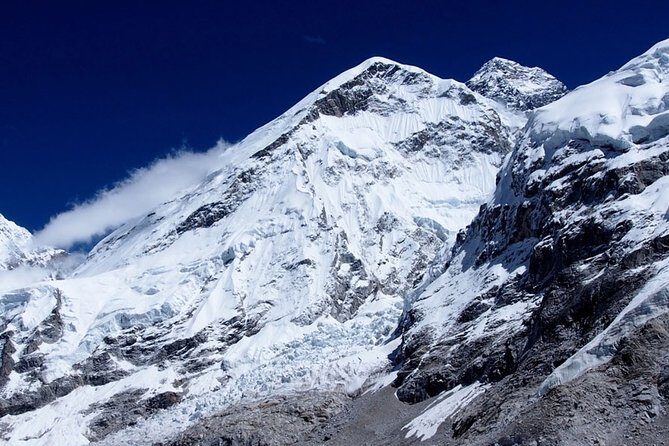
These two days are built around Lhasa’s most important sites, and you’ll see them in a way that feels organized rather than chaotic.
Potala Palace
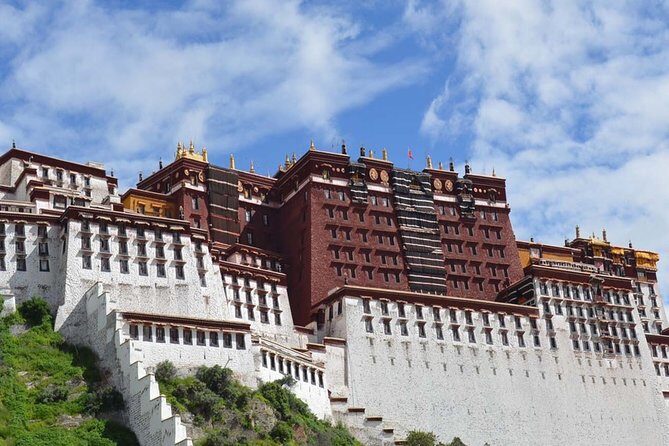
Potala is the obvious headline, but what makes it worth your time is how it frames the rest of Lhasa. You’ll get that sense of Lhasa as both a spiritual center and a political landmark. Give yourself time to absorb the scale from different angles—views around the palace are part of the experience.
Jokhang Temple and Barkhor Bazaar
Jokhang is one of the spiritual anchors of Tibet. The Barkhor Bazaar nearby is where you feel the daily rhythm: people moving around, pilgrims circling, and shops lining the streets. Even if you’re not shopping, the bazaar is a front-row seat to how living the culture is.



Drepung Monastery and Sera Monastery
Drepung and Sera add the monastery side of Lhasa, the part where monasteries feel like institutions still doing real work. The tone shifts from the palace grandeur to study halls and courtyard energy. Having a second day on these sites means you’re less likely to feel like you saw everything in five minutes.
A small practical note: the itinerary lists Potala and the same cluster of sites for both Day 2 and Day 3. In other words, expect your time in Lhasa to be anchored here, and you should plan for multiple visits, slower pacing, and a bit of flexibility.
Day 4: Yamdrok Lake route to Gyantse—Kora La and Kamba La
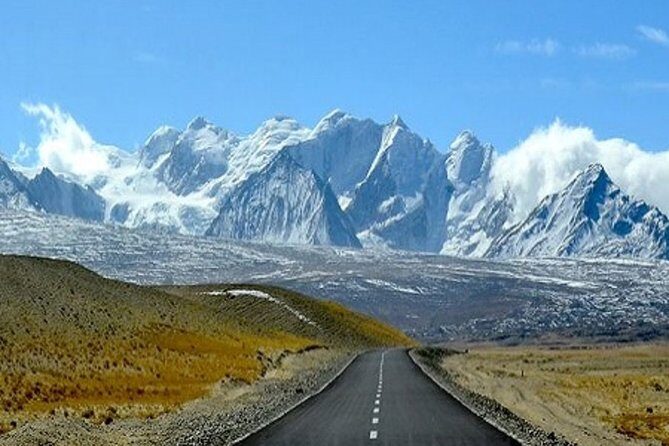
This is your first big “outside Lhasa” day. You drive toward Gyantse via Yamdroke Lake and two high passes: Kora La (5,010m) and Kamba La (4,794m).
Yamdrok Lake gives the trip its wide-open feeling: water, sky, and open stretches that make Tibet look huge. The passes do something else. They test your stamina, but they also give you the classic “road into the mountains” experience—slow curves, big altitude, and a need to breathe steady.
In Gyantse, you hit two key stops:
- Pholkor: your chance to see a distinct Gyantse spiritual stop
- Kumbum Monastery: a major reason many people come this far
The afternoon then connects the dots with a drive to Xigatse (about 1.5 hours). That pacing is smart: you get the drama of the pass day, then you settle into the next base.
Day 5: Tashilhumpu Monastery and the Gyatchula pass to Xegar
Day 5 starts with Panchen Lama’s Tashilhumpu Monastery. This visit gives you a different side of Tibetan Buddhism than what you saw around Lhasa. Even if you’ve visited temples before, Tashilhumpu stands out because it’s linked to the Panchen Lama tradition and carries its own regional importance.
Then you drive over Gyatchula (5,200m) to reach Xegar. That altitude is not small. If you start to feel the effects of elevation (head pressure, slower breathing), this is one of those days where pacing matters more than willpower.
By evening, you’re in Xegar. The trip is building toward the Ronbuk area, which means each day is setting up the next day’s hike.
Day 6: Ronbuk Monastery—the highest monastery moment
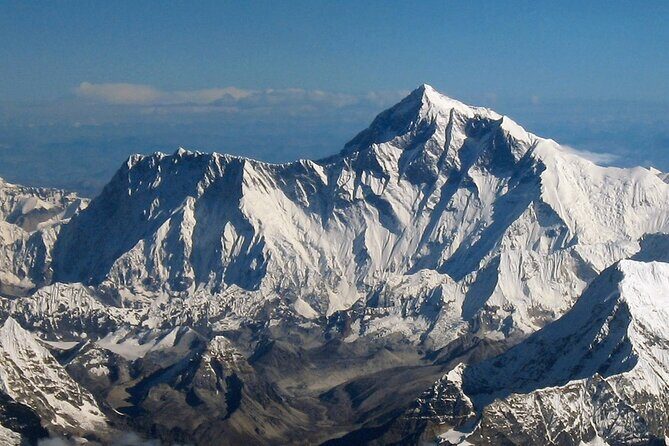
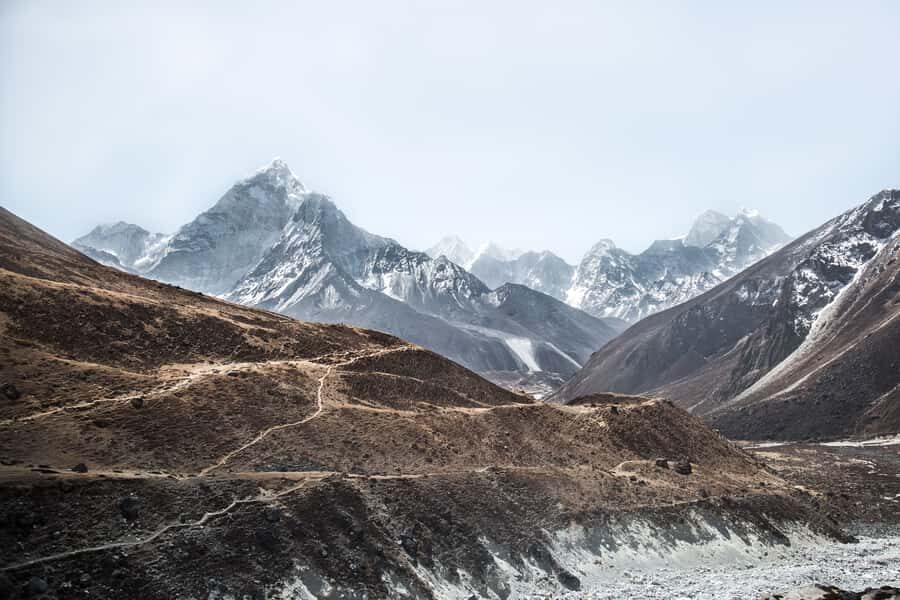
You drive to Ronbuk through Tibetan countryside, then explore Ronbuk Monastery, described as the highest monastery in the world. That superlative is part of why it’s on the itinerary, but the real value is what you feel when you reach it: the sense of place is intense. You’re closer to the mountain world that surrounds Everest.
You spend the night at a guest house in Ronbuk. That matters because it keeps you positioned for the next day’s Everest Base Camp hike. In tours like this, the overnight location is often the difference between a calm morning and a rushed one.
Day 7: Hike to Everest Base Camp, then down toward Kerong
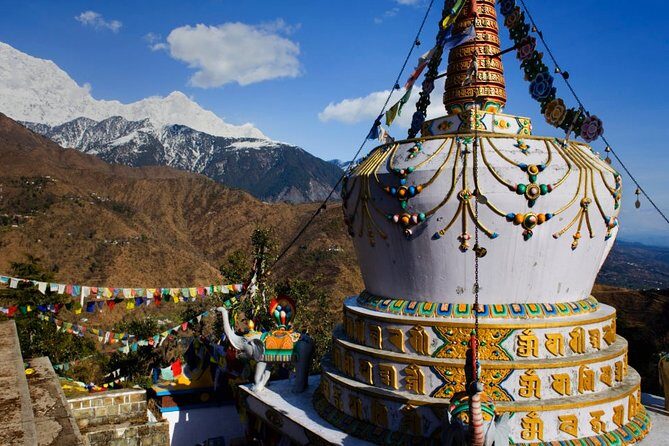
Day 7 is the payoff day. You hike up to Everest Base Camp, then explore around, and return to Ronbuk. After that, you drive to Kerong for overnight.
The itinerary doesn’t spell out the hike length or pacing, but it does tell you what you’re doing: you’re hiking in the Everest region after already crossing serious elevations earlier in the week. So bring a mindset geared toward endurance, not sightseeing photos every five minutes.
I also like that the day includes time to “explore around” at Base Camp before heading back. Too many plans treat Base Camp like a quick stop. Here, you get enough time to actually be there, feel how big it is, and let the moment land.
Then you move to Kerong. This helps you end the tour without the sense that you’re still climbing forever.
Day 8: Rasuwagadi border formalities and back to Kathmandu
You drive to Rasuwagadi Border, complete necessary border formalities, and then continue to Kathmandu.
This day is mostly logistics. The upside is that you’re not ending the trip with a last-minute scramble. You’ve reached the border on a dedicated travel day with the overland rhythm already established.
Price and logistics: what feels like value, and what you must budget
The price listed is $2,299 per person for an 8-day private tour. On paper, that sounds like a lot. In practice, the value comes from what’s included inside Tibet.
Here’s what you’re covering:
- All necessary Tibet travel permits and entry fees
- Sightseeing fees for the itinerary stops
- Private vehicles for transportation
- English-speaking trained local guide
- Pickups and drops from airport and hotel
- Driver support (salary, meals, accommodation are included)
- 8 breakfasts included
Now for the costs that are not included:
- Flight from Kathmandu to Lhasa (explicitly said to cost extra)
- Chinese visa fee
- International flights
- Meals other than breakfast in Tibet
- Tips for guide and driver
- Nepal visa
- Accommodation in Nepal or mainland China
There’s one detail you should double-check before booking: the included accommodation section specifically mentions Lhasa twin-sharing with breakfast, but the itinerary includes overnights beyond Lhasa (Gyantse/Xigatse, Xegar, Ronbuk guest house, Kerong). The safest move is to ask exactly which hotel/guest house nights are included in the final price. You’ll want that in writing so there are no surprises at checkout.
Comfort and altitude: how to set yourself up for success
Even if you’re not chasing climbing records, this route is physically demanding in two ways: elevation and time on the road.
- You cross Kora La (5,010m) and Kamba La (4,794m) on Day 4.
- You cross Gyatchula (5,200m) on Day 5.
- You then hike toward Everest Base Camp on Day 7.
So plan around being winded, not being reckless. Hydrate steadily, move slowly at higher elevations, and avoid turning the day into a race.
Also, bring the basics you’d use at altitude: warm layers, sun protection, and something for dry conditions. Nothing fancy is required, but being prepared makes you feel stronger every day.
How the tour company’s planning shows up in real life
The reviews attached to this tour point to the same theme: the planning feels tight. People specifically praised the itinerary as well planned, with attention to detail, plus guidance that stayed helpful throughout. That matches what you’d want on a complex route like this: borders, permits, transport timing, and high-elevation days.
Another nice signal from the feedback is the sense that the trip is worth doing once. The wording was informal, but the message was consistent: the combination of big mountain views, winding roads, and the Everest Base Camp experience lands hard for first-timers.
Who this tour fits best (and who should think twice)
This is a strong fit if you want:
- A private itinerary with your group only
- A mix of Lhasa culture plus Everest region trekking
- A tour package that handles Tibet permits and sightseeing fees
It may be less ideal if:
- You’re not comfortable with high passes around 5,000m
- You hate long days of driving and want mostly easy walking
- You’re expecting every lodging night to be automatically included without any verification beyond Lhasa
Should you book this Tibet with Everest Base Camp plan?
If you’re aiming for a one-time, classic Tibet-and-Everest mix, I’d book it—with one condition: confirm what’s included for accommodations outside Lhasa and clarify the Day 1 flight cost. Once you’ve got that straight, you’ll likely appreciate how the route is paced: rest early in Lhasa, then move outward day by day, with Everest Base Camp as the centerpiece rather than a random add-on.
FAQ
FAQ
Are flights from Kathmandu to Lhasa included?
No. The tour summary notes that flights cost extra. Your Day 1 plan includes flying from Kathmandu to Lhasa, arriving at Gonggar Airport.
Does the tour include Tibet permits and entry fees?
Yes. It includes all necessary Tibet travel permits and the entry fees for the sightseeing listed in the itinerary.
What accommodation is included in the price?
The included details specify accommodation in Lhasa on a twin-sharing basis with breakfast. The package also states that accommodation in Nepal or mainland China is not included, so you should verify which other overnight stays along the route are covered.
How many meals are included?
Breakfast is included, with 8 breakfasts listed as part of the package. Meals other than breakfast in Tibet are not included.
Do I need a Chinese visa and a Nepal visa?
Yes, you should plan for both. The Chinese visa fee and the Nepal visa are not included in the tour price.
Can I cancel for a full refund?
Yes. Free cancellation is available up to 24 hours in advance for a full refund. If you cancel less than 24 hours before the start time, the amount paid is not refunded.