REVIEW · POKHARA
World Peace Stupa Day Hike From Pokhara
Book on Viator →Operated by Saara Tourism Nepal-Travel Advisor in Nepal · Bookable on Viator
A short hike with big views. This World Peace Stupa day outing is built for maximum scenery with minimum fuss, starting from Fewa Lake with a quick boat segment and then moving into a peaceful uphill walk through jungle and small village scenes. You get a local-feeling route with birdsong, plus a wide lookout once you reach the stupa.
What I love most is the mix: a calm, nature-focused hike instead of a long slog, and then the payoff from the stupa—mountain ranges, hills, Fewa Lake, and Pokhara city laid out in one view. One thing to keep in mind is that there’s a jungle uphill stretch (about 45 minutes), so you’ll want to pace yourself—especially if you’re traveling with kids or you’re not used to climbing.
In This Review
- Key Highlights You’ll Actually Feel
- World Peace Stupa in Half a Day: Why This Works
- The Route From Pokhara: Boat on Fewa, Then the Jungle Climb
- What the Walk Feels Like: Village Scenes, Birdsong, and Real Quiet
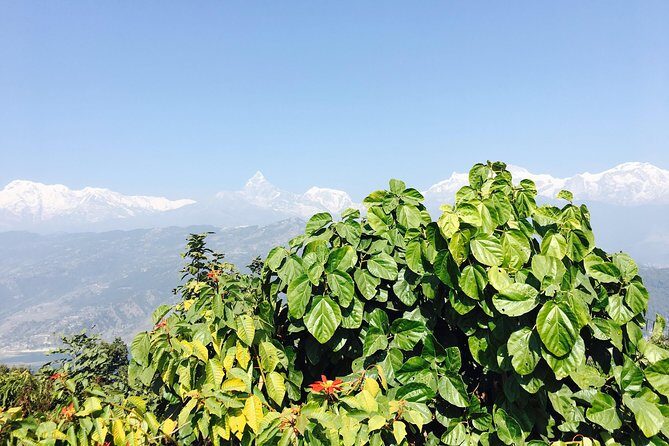
- Reaching the World Peace Stupa: Views That Cover Lake, Hills, and Peaks
- Guides and Group Size: What “Private” Means Here
- Price and Value: Is $89 Fair for This Pokhara Day?
- Timing and What to Expect During the 3–5 Hours
- Who This Hike Suits Best (and Who Might Want to Adjust)
- What to Bring: Simple Stuff That Makes It Easier
- Should You Book This World Peace Stupa Day Hike?
- FAQ
- How long is the World Peace Stupa day hike from Pokhara?
- Where does the tour start?
- Is transportation included?
- Is there an admission fee for the stupa?
- What’s included in the price?
- What is not included?
- Can I cancel, and how does it work?
Key Highlights You’ll Actually Feel
- Boat + hike combo: start on Fewa Lake, then climb uphill through jungle for a change of scenery.
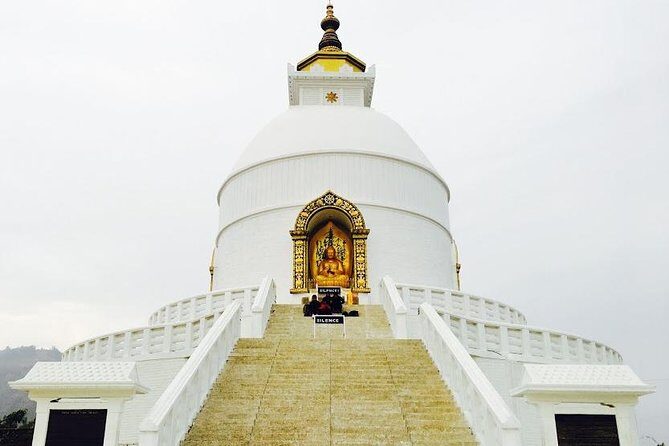
- Big lookout from a single stop: the stupa area works as a vantage point over mountains, hills, the lake, and Pokhara city.
- Free admission at the stupa site: you’re not paying an entrance fee for the viewpoint portion.
- Pickup and drop by car: less time wrestling with transport on your own.
- English-speaking guide: you’ll get explanations while you walk and at the stupa. (One guide you may meet is Bisham, who’s praised for clear details.)
World Peace Stupa in Half a Day: Why This Works
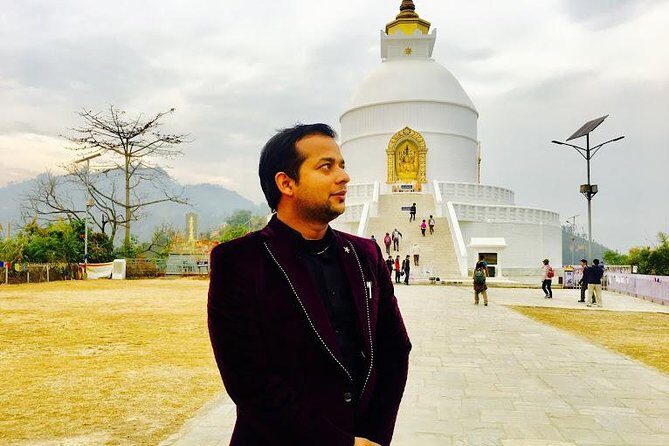
If you only have a few hours in Pokhara, this hike is a smart way to stretch your day without losing energy to logistics. You’re not signing up for a huge trek or a complicated route. Instead, you’re getting one main climbing segment, a focused stupa viewpoint, and then you’re back—starting and ending with car pickup and drop-off.
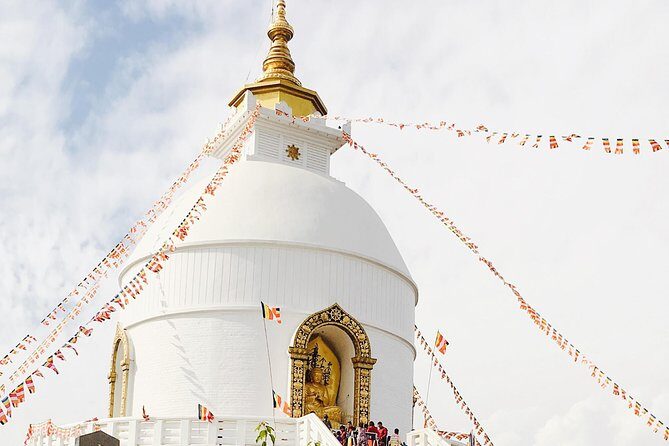
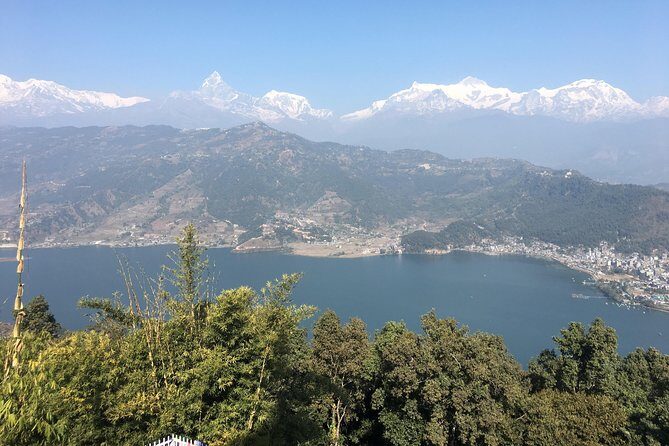
The other reason it feels good: the route is designed around viewpoints, not just walking. From the stupa area you can look out across mountain ranges and also down toward hills, Fewa Lake, and the city of Pokhara. The stupa itself sits at about 1,100 meters above sea level, so the views have a natural height advantage without needing a full-day mountain grind.
And you’ll probably appreciate the pacing. The climb isn’t described as a daylong ascent—there’s a clear uphill period (around 45 minutes), then the experience turns into looking, listening, and taking in the panorama.
You can also read our reviews of more hiking tours in Pokhara
The Route From Pokhara: Boat on Fewa, Then the Jungle Climb
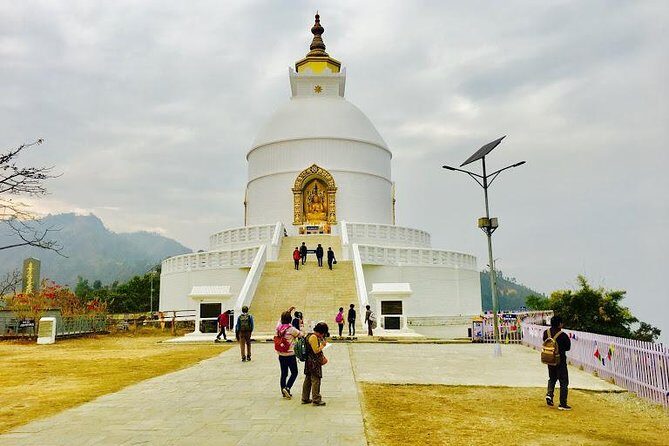
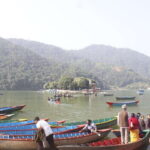
This outing starts around Fewa Lake. You’ll head from the lake to the stupa route via boating, then shift into a hillside hike. That boat segment matters more than it sounds. It breaks up your day, gives you an easy “reset” before the uphill part, and helps set a calm tone early on.
Once you begin the hike, you’ll walk through jungle uphill. The climb is about 45 minutes, which is long enough to feel like you earned the view, but short enough that you don’t have to plan your day around it. On the way, the scenery is practical and real: peaceful greenery, typical small village moments, and birdsong that makes the whole thing feel less like a workout and more like a slow nature walk with a destination.
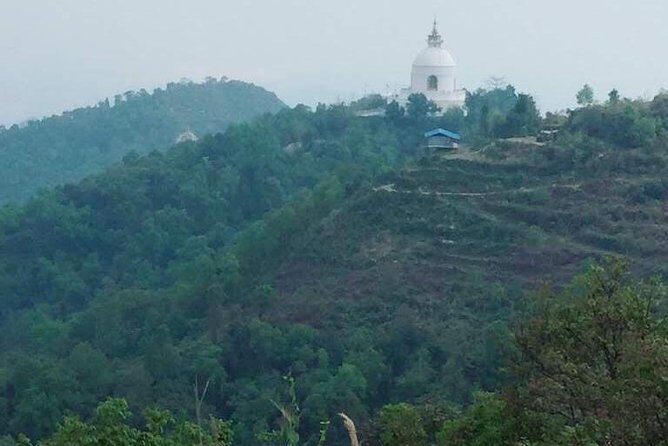
A small practical detail: the stupa is described as visible from Fewa Lake when you’re looking south. That means the hike has a built-in “breadcrumb” feel. You can see your goal while you’re still on the lake, which keeps motivation high.
What the Walk Feels Like: Village Scenes, Birdsong, and Real Quiet
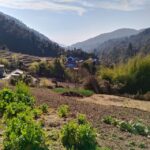
This is not a parade of sights. The charm is the in-between time. You pass through a peaceful jungle area, and you also get glimpses of small typical villages along the route. It’s the kind of scenery that’s easy to overlook if you only focus on big landmarks.
You’ll also notice the soundscape. Birds sing through the hike, which is one of those details that makes a short hike feel longer in a good way—like you’re getting more atmosphere per minute. Even if you’re moving at a steady pace, the environment keeps you from feeling rushed.
One thing I’d plan for: because it’s uphill and outdoors, your comfort depends on timing and your own pace. I’d go into it expecting a mild-to-moderate climb, not an easy stroll.
Reaching the World Peace Stupa: Views That Cover Lake, Hills, and Peaks
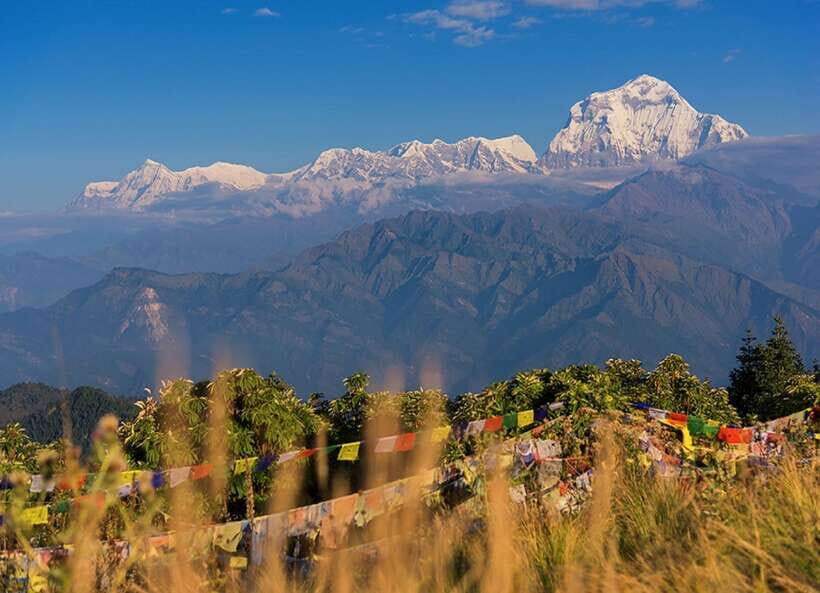
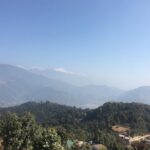
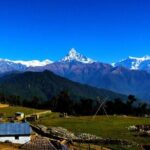
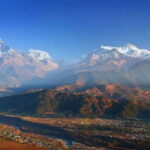
Once you arrive, the experience shifts from walking to absorbing. The World Peace Stupa area functions like a viewpoint platform. From there, you can see mountain ranges, hills, Fewa Lake, and the wider Pokhara city view.
This is exactly the kind of sightseeing I recommend in Pokhara: one main stop where you get layered views instead of hopping to many locations. You’re watching a geography mix—water, urban edges, and the big mountain backdrop—without needing a full transit day.
The stupa itself is described as a “vantage point” to observe the mountains and the lake. That wording matters. It’s not just scenic because it’s pretty; it’s scenic because it gives you orientation. You’ll likely find yourself taking a moment to line up what you’re seeing—lake shape, hillside slopes, and where the mountains rise behind it. That mental map is part of what makes this kind of stop satisfying.
And there’s a bonus here for budget-minded travelers: admission at the site is noted as free in the experience details. That means more of your money goes to the guided experience and transport rather than gate fees.
Guides and Group Size: What “Private” Means Here
This is set up as a private tour/activity for your group, and that’s a big deal for how smooth it feels. With only your group participating, you’re not constantly adjusting to a larger mixed pace. You can ask questions without worrying that you’re slowing down strangers.
You’ll also have an English-speaking guide. The standout value of a guide here is simple: they can turn a view into understanding. In the feedback, one guide named Bisham is praised as cool and for being generous with explanations—showing guests around and sharing details about the stupa. That’s the kind of guide value you can feel even if you don’t want a long lecture. You learn what to look for, and then the views land harder.
Even if you’re just there for photos, a guide helps you get your bearings faster—where to stand, what to watch for, and how to make the most of your short time.


Price and Value: Is $89 Fair for This Pokhara Day?
At $89 per person, this hike sits in the “short experience with real logistics included” category. The price is easier to justify because several practical things are already handled:
- Both-way car transportation (start and end)
- English-speaking guide
- A bottle of drinking water
- Mobile ticket (so you’re not scrambling for paperwork)
On top of that, the stupa admission is noted as free, which reduces the common travel annoyance of surprise costs at the site.
Where value really shows: you’re paying for the route being pieced together in a smooth way—boat on the lake, guided hike uphill, and then a coherent viewpoint stop—without you needing to coordinate transport timing yourself. In a place like Pokhara, where it’s easy to spend energy on moving around, paying for coordination can be worth it.
If you’re traveling with a group, you may also benefit from group discounts, which can make the per-person cost drop further.
If you’re the type who hates paying for guided tours, you might question the cost. But if you want a stress-light plan and a guide who helps you understand what you’re seeing at the stupa, the price feels more like “pay for convenience and interpretation,” not just “pay to walk.”
Timing and What to Expect During the 3–5 Hours
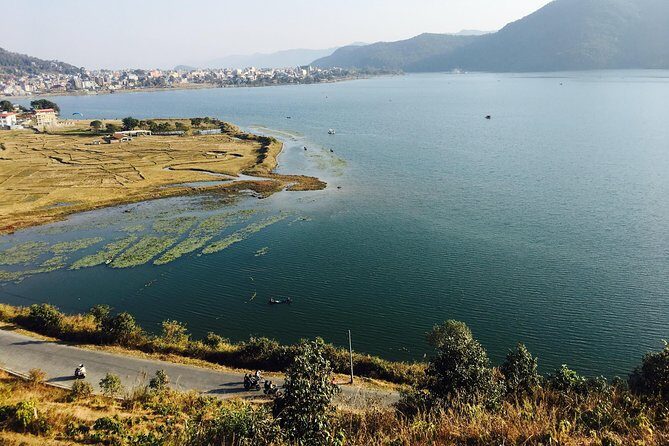
The experience runs about 3 to 5 hours. In that window, you’ll be balancing boat time, a jungle uphill walk (about 45 minutes), and time at the stupa viewpoint.
One detail worth keeping in mind: the schedule includes a core segment tied to the start area around 2 hours with the stupa admission noted as free. Practically, that means you’re not rushing through the main viewpoint. You should have enough time to look around, take photos, and pause when the view is good.
Still, it’s a day hike, not a long sit-and-stare event. So come with energy for movement and sightseeing, not a plan to camp out for hours.
Who This Hike Suits Best (and Who Might Want to Adjust)
This works well for most people. The experience notes that most travelers can participate, and it’s a short format.
I’d especially recommend it if:
- you want a short hike but still want real scenery payoff
- you’re staying in Pokhara and want something different from lake boating and lakeside wandering
- you like nature + viewpoints, without committing to a full-day trek
- you’re traveling with kids, because the schedule is relatively compact and guided (the feedback includes praise about handling kids)
You might want to think twice if:
- you have mobility limitations that make uphill walking difficult
- you prefer flat walking only
- you want a hike that feels longer and more physically challenging (this one is designed to be short and accessible)
What to Bring: Simple Stuff That Makes It Easier
The experience includes a bottle of drinking water, but you’ll still want to be practical.
Bring:
- comfortable walking shoes (the route includes uphill jungle terrain)
- light layers (outdoor conditions can change)
- sun protection, since you’ll be looking out over wide views
- any small snacks you like, because food isn’t included
Also, plan your day around the fact you’re out for a few hours. If you arrive hungry, you’ll want to sort food on your side before or after.
Should You Book This World Peace Stupa Day Hike?
I’d book it if you want a calm, well-paced Pokhara experience that hands you an impressive view for a short time. The combination of car pickup/drop, English-speaking guiding, a boat start from Fewa Lake, and a compact uphill walk makes it feel efficient without feeling rushed.
Skip it if you’re hoping for a long trek, or if you want a totally self-guided adventure. This is a guided, structured hike, and that’s the point—less hassle, more clarity at the viewpoint.
If you’re on the fence, look at your priorities:
- If your top goal is views fast, this fits.
- If your top goal is freedom with no guide and no schedule, you might prefer something simpler to arrange yourself.
FAQ
How long is the World Peace Stupa day hike from Pokhara?
It lasts about 3 to 5 hours (approx.), including the boat segment, the uphill walk, and time at the stupa viewpoint.
Where does the tour start?
The experience starts around Fewa Lake in Pokhara, and you go from there by boating to begin the hike route.
Is transportation included?
Yes. You get both-way transportation by car, with pickup and drop-off included in the experience.
Is there an admission fee for the stupa?
Admission is noted as free in the experience details.
What’s included in the price?
Included items are an English-speaking guide, both-way car transportation (start and end), and a bottle of drinking water. The ticket is provided as a mobile ticket.
What is not included?
Food and personal expenses are not included.
Can I cancel, and how does it work?
You can cancel for a full refund if you cancel up to 24 hours in advance. If you cancel less than 24 hours before the experience starts, the amount paid is not refunded.