REVIEW · KATHMANDU
Annapurna circuit Trek
Book on Viator →Operated by Nature Explore Trekking Pvt Ltd · Bookable on Viator
A pass hike that actually feels organized. The Annapurna Circuit packs big mountain views, changing villages, and religious culture into a route that climbs, rests, then pushes you over Thong-la before dropping toward Muktinath.
I love that the trip handles the day-to-day basics: airport pickup/drop, ground transport, and meals (breakfast, lunch, dinner) with tea/coffee along the way. I also like the built-in realism of an acclimatization day in Manang, because the pass day is no joke.
One consideration: the schedule includes long travel days and serious altitude. You’ll hit high points like 5416m at Thong-la, so this trek demands steady pace and good planning for how your body adjusts.
In This Review
- Key highlights worth your attention
- The Annapurna Circuit in 12 days: why this route works
- Price and logistics: what you’re actually getting for $998
- Meet the team energy: why support matters on the Circuit
- Where you start: Kathmandu morning and the move into the mountains
- Dharapani to Chame: first climbs, first real rhythm
- Chame to Upper Pisang: a view-and-village changeover
- Upper Pisang to Manang via the upper trail: the long day
- Manang acclimatization day: not optional, even if you feel fine
- Manang to Yak Kharka (4060m): the high “work zone”
- Yak Kharka to Thorong Base Camp/Thorong Phedi: getting close to the pass
- Over Thong-la to Muktinath: the hardest day, the payoff day
- Muktinath to Marpha via Jomsom: village life at lower altitude
- Tatopani and the drive to Pokhara: the circuit finishes strong
- What to pack: use the included jacket, but plan for layers
- Altitude reality check: who this trek suits
- Should you book Nature Explore for the Annapurna Circuit?
- FAQ
- FAQ
- How long is the Annapurna Circuit trek?
- Where does the tour start?
- What is the highest altitude on this trip?
- Is airport pickup and drop included?
- Is there a rest or acclimatization day during the trek?
- What meals are included?
- Are permits included?
- Is hotel accommodation included in Kathmandu and Pokhara?
- Do you provide trekking equipment?
- Can I cancel for a full refund?
Key highlights worth your attention
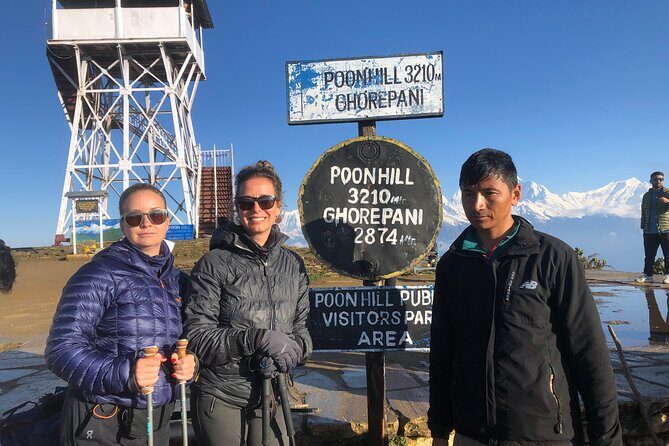
- Guides and local support you can count on from a team led by experienced leaders, with names like Dinesh and Deepak showing up often in feedback.
- Meals plus treated drinking water included, which makes day-to-day budgeting simpler.
- Acclimatization in Manang before the big push toward higher camps.
- Real altitude progression from Dharapani through Yak Kharka, then Thorong Base Camp/Thorong Phedi.
- A mountain-to-village finale: Jomsom and Marpha, then a drive to Tatopani.
- Useful gear included: down jacket (refundable), duffle bag, and a T-shirt gift.
The Annapurna Circuit in 12 days: why this route works
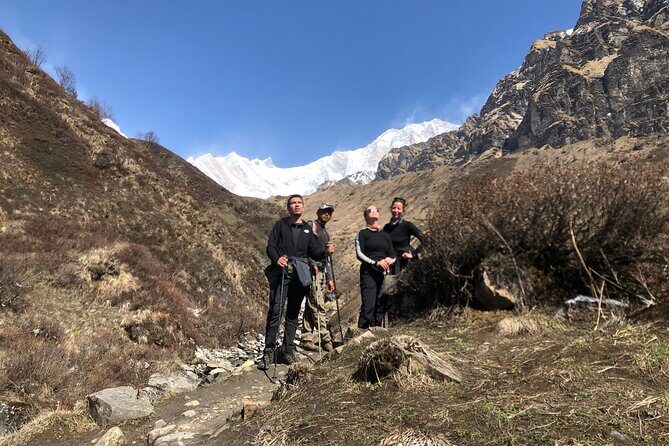
The Annapurna Circuit is famous because it keeps changing. One day you’re walking through greener valleys and village life. The next, you’re higher, colder, and surrounded by harsher terrain where every breath feels more expensive. This version of the circuit keeps that classic feel but compresses it into a 12-day window, with enough structure that you’re not guessing what comes next.
What you’re really paying for here is not just walking. It’s the stitching together of transportation, lodging during the trek, permits, and a guide/porter setup so you spend your energy on the trail instead of chasing details.
And there’s a smart rhythm to the route: drive in, trek in stages, then add a rest day at Manang before the high crossing. That timing matters because the Thong-la day is your turning point.
You can also read our reviews of more hiking tours in Kathmandu



Price and logistics: what you’re actually getting for $998
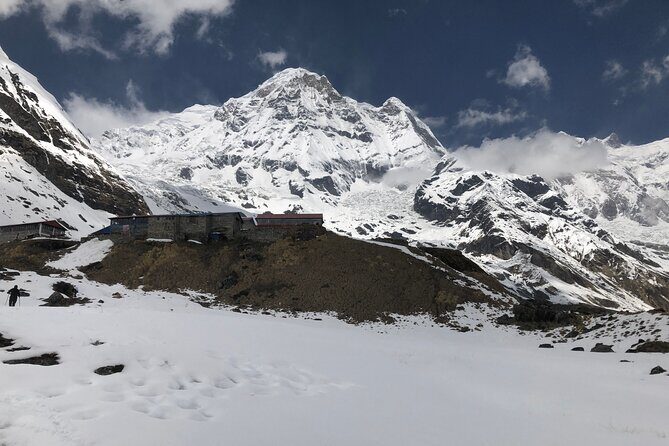
At $998 per person, this trek is priced like a full-service package, not a bare-bones self-organized hike. The big value comes from what’s included:
- Airport pickup and drop
- 3-star hotel in Kathmandu plus one night hotel in Pokhara after the trek
- All ground transportation during the trek (sharing bus/jeep) and the main transfers (including Kathmandu–Dharapani and Marpha–Tatopani by bus/jeep)
- Meals: breakfast, lunch, dinner
- Tea or coffee during the trek
- Fresh fruit after dinner every day
- Treated drinking water
- Accommodation during the trek (lodging is included)
- An experienced guide and a porter
- Permits: Annapurna conservation entrance permit and TMIS card
- Gear support: down jacket (refundable after the trip), duffle bag, and a T-shirt gift
Not included is also clear, and you should plan around it: international airfare, travel insurance, and trekking equipment aren’t included. Also, tipping for staff isn’t included, and extra comforts like on-trek Wi‑Fi and laundry are also not part of the package.
If you hate spending vacation time on admin, this kind of inclusions list is the point. You’re buying fewer unknowns: food is covered, transport is covered, and permits are handled.
Meet the team energy: why support matters on the Circuit
On high trekking routes, “support” isn’t a feel-good word. It’s logistics under pressure. When you’re moving from 2000m climbs toward the 4000–5000m zone, even small things like timing, meal flow, and getting the group through transitions can make the day either smooth or stressful.
Nature Explore Trekking Pvt Ltd is consistently credited for leadership and care in feedback. Names that come up are Dinesh and Deepak, with other team members like Nara, Ram, and Tej also appearing in reported experiences. The recurring theme: the guides know the trails, manage groups with attention to different fitness levels, and help during medical issues when they happen.
You’ll also have a porter (sporting staff) included. That’s huge for a circuit trek because you can keep your personal pack manageable, especially on longer walking days like the 7–8 hour segments.
Where you start: Kathmandu morning and the move into the mountains
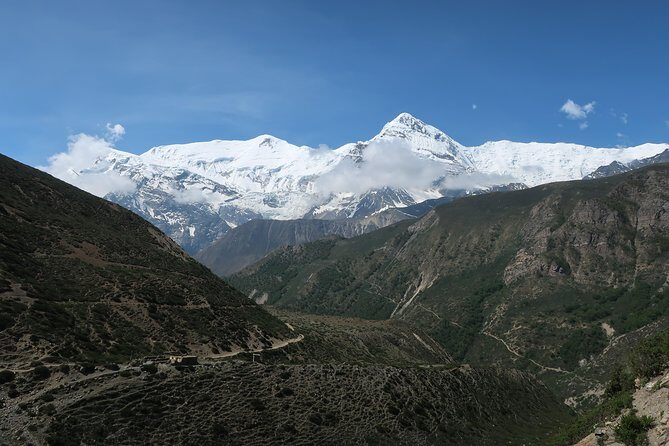
Your day starts early. The meeting point is Tribhuvan Airport in Kathmandu, with a start time of 6:15 am. From there, you’ll be transferred to a 3-star hotel in Kathmandu after arrival.
This part matters more than people think. Kathmandu morning routines affect your mood and stamina for the trek. A morning pickup also prevents the usual chaos of trying to coordinate taxis and timing on day one.
Then comes the big switch from city time to mountain time. You’ll drive to Dharapani via Besisahar in about 7–8 hours. You arrive around 2000m, which gives you a true on-ramp for the first trekking stretch. Long drives can be tiring, but in trekking reality it’s also how you save altitude stress by getting to your starting zone before you hike.
Dharapani to Chame: first climbs, first real rhythm
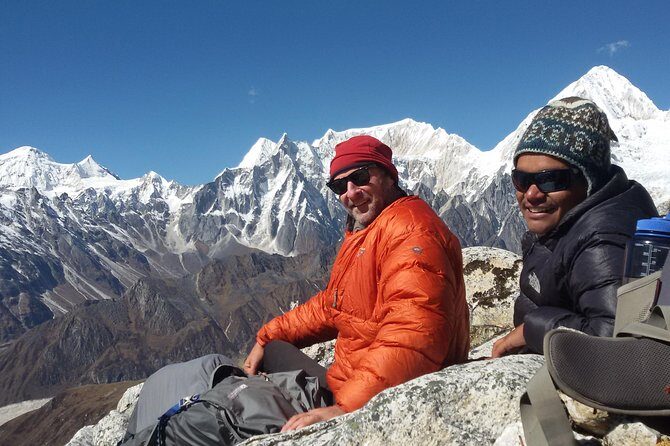
Day two to three is your foundation. You trek from Dharapani to Chame in 4–5 hours, reaching around 2600m. This is the kind of day where you learn your own pace fast: slow enough to stay comfortable, steady enough to keep momentum.
Chame is where you start to feel the circuit’s “working altitude.” It’s not the highest point of the trip, but it’s high enough that cold wind and dry air show up more often. If you’re the type who likes to walk fast, this is the day to resist. Save the effort for the later stages.






Chame to Upper Pisang: a view-and-village changeover
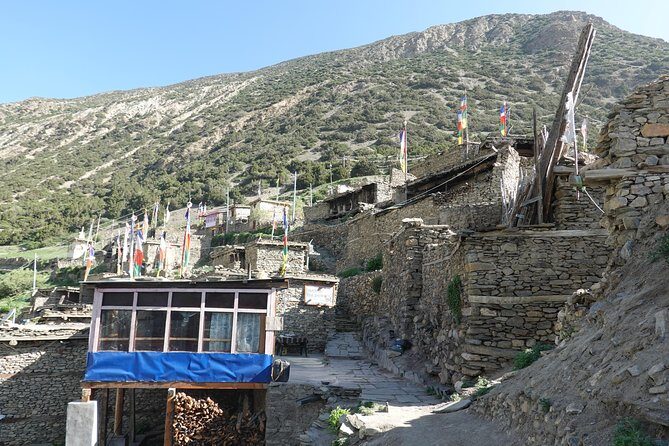
Next is Chame to Upper Pisang, roughly 4–5 hours to about 3300m. Upper Pisang tends to feel like a sharper transition—higher, more exposed, and more “Himalayan” in how the air and light behave.
This is also where your packing choices start to show. The route climbs enough that you’ll likely want layers that can handle temperature swings. If your system is “one jacket fits all,” this is where you’ll suffer.
Upper Pisang to Manang via the upper trail: the long day
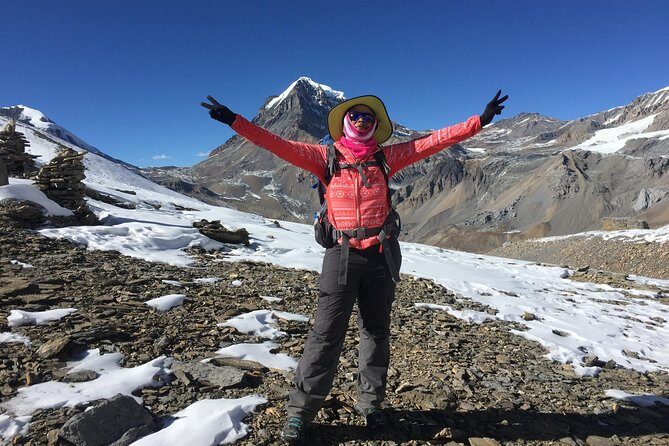
This is one of the longer trekking blocks: Upper Pisang to Manang via upper trail, about 7–8 hours climbing to around 3500m. That’s a full trekking day, and it can feel long because you’re not just walking—you’re adjusting to higher air while maintaining pace.
The reward is that you arrive in Manang, a key base for the next step: acclimatization. In other words, this long day isn’t just about distance. It’s setting you up to handle what comes next.
Manang acclimatization day: not optional, even if you feel fine
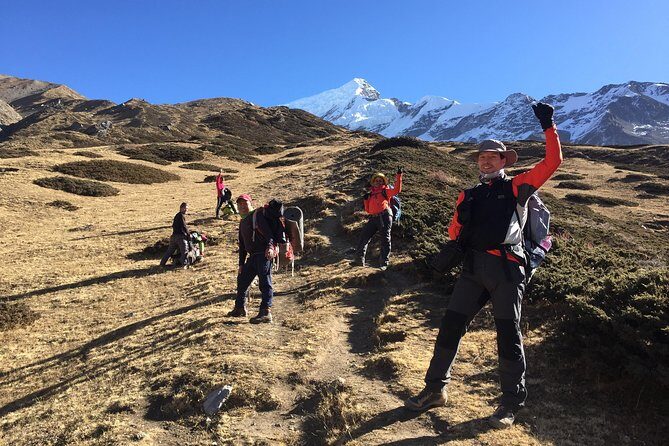
You get an acclimatization day in Manang. That’s Day 6, a full break from trekking to help your body adjust. This is the practical heart of the itinerary.
Here’s the reason you should care: the route climbs again toward Yak Kharka (4060m), then pushes to Thorong Base Camp/Thorong Phedi (around 4500m), and then you’re going over Thong-la pass (5416m) before descending.
Acclimatization days are where you avoid the most common altitude mistakes: rushing upward because you feel okay, or not letting your body settle before the big climb. Even if you feel strong, this day gives you time to prepare mentally and physically.
Manang to Yak Kharka (4060m): the high “work zone”
After acclimatization, you trek to Yak Kharka in about 3–4 hours, reaching around 4060m. Shorter in trekking time than some days, but you’re higher, so effort can feel heavier than the clock suggests.
This day is a gut-check. It’s also useful because it positions you well for the next stage toward Thorong Base Camp or Thorong Phedi. You’re building altitude step by step, which usually feels kinder than random jumps.
Yak Kharka to Thorong Base Camp/Thorong Phedi: getting close to the pass
Then comes Yak Kharka to Thorong Base Camp or Thorong Phedi, about 3–4 hours to 4500m. This is the “gear and focus” day before the toughest walking stretch.
At this altitude, conditions can shift quickly. Even when the trail is straightforward, you’ll still feel the cold more. Keep your warm layers ready, and don’t underestimate the value of planning for a solid night before the pass.
This is also where the guide support becomes more than comfort. You’re near the crossing point, and the whole group’s readiness matters.
Over Thong-la to Muktinath: the hardest day, the payoff day
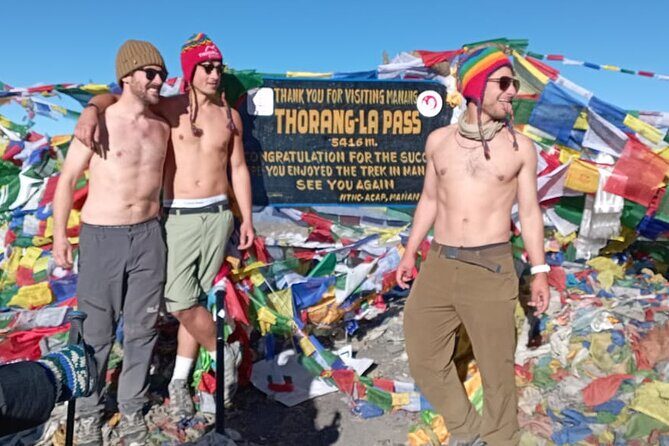
Day 9 is your signature moment. You trek to Muktinath via Thong-la pass. The pass is 5416m, and then you descend to around 3800m. The walking time is listed as 7–8 hours, which is about right for a day that includes both high ascent and long descent.
This is where altitude meets patience. Even if you’re fit, the pass day punishes speed. The safest approach is a steady, controlled pace. If you start rushing, you pay for it quickly.
Muktinath is your relief point after the climb. And as the route name implies, it’s also about culture: the circuit isn’t only a physical hike. It’s a chain of different communities and religious influences.
Muktinath to Marpha via Jomsom: village life at lower altitude
After the pass, you trek from Muktinath to Marpha via Jomsom, around 6–7 hours down to about 2650m. This is a change in feeling. You’re still trekking, but you’re no longer fighting the highest zone.
Marpha is a satisfying end to the high segment. You’re back in a more livable elevation where walking feels more normal again. If you’re tired from the pass day, this is the day where you start remembering why you wanted to do the Annapurna Circuit in the first place.
Tatopani and the drive to Pokhara: the circuit finishes strong
On the next day, you drive to Tatopani by bus or jeep for about 5 hours, down to around 1190m. Then you drive back to Pokhara in about 6 hours, around 740m, where the trip ends.
Tatopani is one of those places where the name alone suggests the appeal: after days of cold air and long effort, the idea of warm-water recovery makes sense. Just don’t plan on it being part of the included package unless it’s explicitly in what you booked.
Pokhara is where you decompress. It’s also where the logistics start feeling lighter. You’ve still got a long drive behind you, but you’re done with the trail.
What to pack: use the included jacket, but plan for layers
The trip includes a Nature Explore down jacket (refundable after trip), plus a duffle bag and a T-shirt gift. That’s helpful, because down jackets are expensive and not always easy to fit in luggage when you’re flying internationally.
Still, you should pack like this is an altitude trek:
- layers you can vent when you warm up on the climb
- a way to stay warm on cold, windy stretches near higher camps
- day gear that doesn’t rely on on-the-go laundry (laundry is not included)
Also note: trekking equipment is not included. If you need boots, poles, or a sleeping setup you’re comfortable with, you’ll need to bring or rent it on your own before you arrive.
Altitude reality check: who this trek suits
This trek is for moderate physical fitness levels, but moderate doesn’t mean easy. The itinerary hits big altitude numbers, including Thong-la at 5416m.
You’ll do best if you:
- like steady walking more than sprinting
- accept that some days are long, especially the 7–8 hour ones
- can follow pace instructions on the pass day
If your fitness plan is inconsistent, or if you’re not comfortable with cold and high altitude, you might feel stressed here. Also, altitude doesn’t care about motivation. It responds to how you manage speed, rest, and acclimatization.
Should you book Nature Explore for the Annapurna Circuit?
If you want the Annapurna Circuit with fewer headaches, I’d say yes, especially if you value clear inclusions and real support. The package covers the stuff that commonly turns a dream trek into a planning project: transport, permits, guide and porter support, lodging during the trek, and a full meal plan with treated drinking water.
Book this if:
- you’d rather spend money on guidance and logistics than on figuring everything out yourself
- you appreciate an acclimatization day before the highest crossing
- you’re okay with a trek that includes long trekking blocks and a serious pass day
I’d hesitate if:
- you’re extremely altitude-sensitive and don’t have a solid acclimatization mindset
- you want lots of convenience extras on the trail (Wi‑Fi and laundry are not part of the package)
FAQ
FAQ
How long is the Annapurna Circuit trek?
The trek is listed as 12 days (approx.).
Where does the tour start?
It starts at Tribhuvan Airport, Kathmandu, Nepal with a 6:15 am start time.
What is the highest altitude on this trip?
The itinerary lists Thong-la pass at 5416m.
Is airport pickup and drop included?
Yes. Airport picks up and drop are included.
Is there a rest or acclimatization day during the trek?
Yes. There is an acclimatization day in Manang.
What meals are included?
You get breakfast, lunch, and dinner, plus tea or coffee during the trek and fresh fruit after dinner every day.
Are permits included?
Yes. The trip includes the Annapurna conservation entrance permit and a TMIS card.
Is hotel accommodation included in Kathmandu and Pokhara?
Yes. There is a 3-star hotel in Kathmandu, and you also get one night hotel in Pokhara after the trek.
Do you provide trekking equipment?
No. Trekking equipment is not included.
Can I cancel for a full refund?
Yes. Free cancellation is offered, and you can cancel up to 24 hours in advance of the experience start time for a full refund.