REVIEW · KATHMANDU
Annapurna Circuit Trekking: 15 days
Book on Viator →Operated by Himalayan Trekking Path (P). Ltd. · Bookable on Viator
Thorong La is the main event.
I love how this Annapurna Circuit Trekking route strings together real high-altitude hiking with solid time to adjust before the big pass, and I love that you’re not on your own with a professional guide plus meals included during the trek. One consideration: you’ll be heading up to 5,416m, so you need moderate fitness and you can’t treat altitude like a casual side quest.
You also get a practical head start in Kathmandu, then a sequence of village-to-village days that stay manageable even as elevations rise. If early mornings aren’t your thing, note the 6:15am start time for the experience, and plan to be ready.
In This Review
- Key highlights
- Why the Annapurna Circuit feels like a real full route
- Price and Logistics: what you’re paying for at $1,300
- Kathmandu temples: Pashupatinath, Boudhanath, Swayambhunath, and Durbar Square
- Day 3 drive to Khudi, then Sirung: ease into the trekking rhythm
- Village days to Manang: Jagat, Dharapani, Chame, and Pisang
- Manang rest day: your altitude insurance policy
- Yak Kharka to Thorong Phedi: the high zone begins
- Thorong La (5,416m) to Muktinath: where the trek earns its reputation
- Descent to Tatopani and the Pokhara reset
- The human factor: guides, safety, and the small details that prevent trouble
- Packing and fitness: how to prepare for the altitude step-up
- Who should book this Annapurna Circuit trek
- Should you book this trek?
- FAQ
- How long is the Annapurna Circuit Trekking experience?
- Where does the experience start?
- What time does the trek start each day?
- What’s included in the meals?
- What hotels are included in Kathmandu and Pokhara?
- Is a guide included?
- What is the highest point on this trek?
- Is there free cancellation?
- Are flights and travel insurance included?
Key highlights
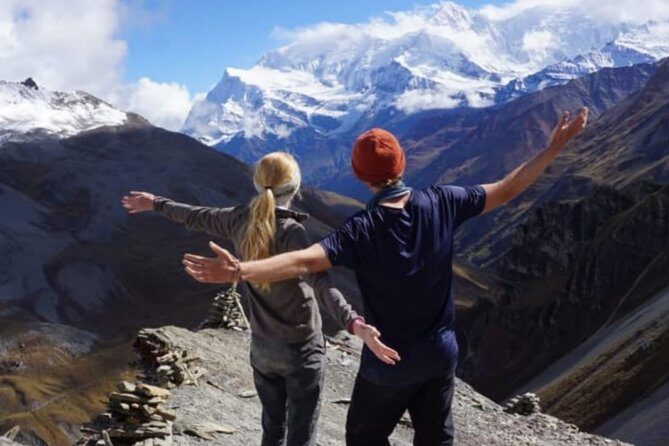
- Thorong La Pass at 5,416m with the big views you came for
- Manang rest day before the climb into the highest zone
- Full trekking meals included (breakfast, lunch, dinner), drinks not included
- Private transportation + hotels in Kathmandu and Pokhara for a smoother transition
- Support from a consistent team, including guides and porters praised for preparation and care (names like Ramhari Neupane, Dendi, Shiva, and porter Susan show up in past feedback)
Why the Annapurna Circuit feels like a real full route
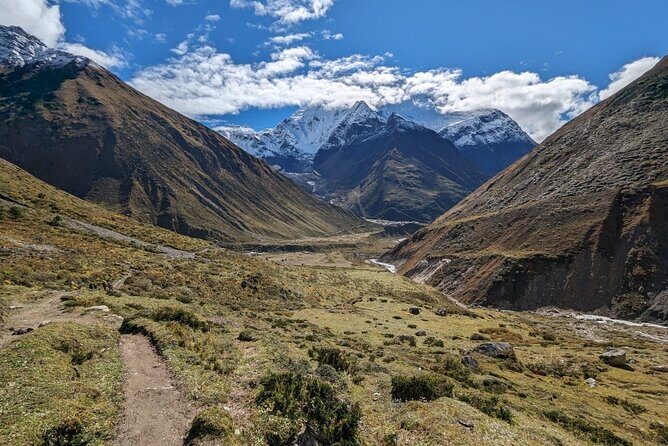
The Annapurna Circuit is popular for a reason: it’s not a short hike with a few scenic stops. This is a long, varied trek that takes you around the Annapurna region, with altitude changes that feel earned rather than rushed. You climb from low-to-mid elevations up into the high country, cross Thorong La, and continue onward to Muktinath.
What makes it special is the range of viewpoints along the way. You’ll get repeated glimpses of the Annapurna massif and the Dhaulagiri range, plus wider mountain scenes as the trail trends higher. You also finish near the Kali Gandaki gorge area, which is famous for being dramatic and very deep—part of why the whole trek feels bigger than the day-to-day effort.
You can also read our reviews of more hiking tours in Kathmandu


Price and Logistics: what you’re paying for at $1,300
At $1,300 per person for about 15 days, this trek is priced in a way that’s easiest to understand when you break down what’s included.
You get:
- Private transportation for the transfers and drive segments
- Professional guide
- All fees and taxes
- 2 nights in Kathmandu at Hotel Dream City
- 2 nights in Pokhara at Crystal Palace Hotel
- Breakfast + lunch + dinner during the trek (drinks are separate)
And you do not get:
- Drinks (water/tea/coffee/beer/soft drinks)
- Nepal visa fee
- International and domestic flights
- Travel insurance
- Tips for staff
- City meals and drinks in Kathmandu and Pokhara
- Extra personal costs like recharge cards, charging, hot water/shower, extra porters, and laundry
So what’s the value? You’re paying for continuity and reduced hassle. With private transport, hotels already chosen, and a guide included, you’re spending less time coordinating and more time walking, acclimatizing, and enjoying the route.
One more practical detail: this is set up as a private tour/activity for your group only, plus pickup offered and mobile ticket use. That usually matters on long journeys because small coordination issues can snowball.
Kathmandu temples: Pashupatinath, Boudhanath, Swayambhunath, and Durbar Square
Days 1 and 2 are a smart way to start. You land in Kathmandu (around 1,330m), then transfer to Hotel Dream City. You’re not forced to cram travel recovery into mountain training.
On the sightseeing day, you hit four major stops:
- Pashupatinath: a key Hindu temple area by the Bagmati River, where you’ll get a sense of how daily life and religious practice mix.
- Boudhanath: one of the most well-known Tibetan Buddhist stupas in the region, good for observing prayer rituals and the rhythm of street life around a sacred center.
- Swayambhunath: the Monkey Temple area—steep, scenic, and a quick lesson in how Kathmandu’s hills shaped settlement.
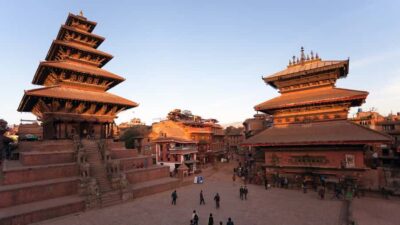
- Kathmandu Durbar Square: heritage buildings and courtyard life that help you understand why Kathmandu feels layered rather than simple.
I like this mix because it gives you balance: religion, culture, and city history before you leave the urban world behind. It also helps you orient your brain before the trail demands attention.
Day 3 drive to Khudi, then Sirung: ease into the trekking rhythm
After Kathmandu, you head out to Khudi (800m) by vehicle. That drop to a lower starting elevation is useful. It’s a reminder that even though you’ll be climbing toward serious altitude, the trek begins with getting your legs used to consistent walking.
Then you trek to Sirung (2,200m), about 7 hours. This is the kind of day where pace matters more than speed. You’re building stamina, checking your gear, and learning how your body responds to the thinner air starting at mid elevations.
A small drawback here: the longer walk days early on can feel deceptively tiring because you’re not yet at the pass. If you push too hard, you’ll pay later.
Village days to Manang: Jagat, Dharapani, Chame, and Pisang
From Sirung, you move through a chain of settlements that feel like stepping stones rather than isolated stops.
- Day 5: Sirung to Jagat (1,300m), around 6–7 hours
- Day 6: Jagat to Dharapani (1,960m), 7–8 hours
- Day 7: Dharapani to Chame (2,710m), 5–6 hours
- Day 8: Chame to Pisang (3,300m), 5–6 hours
- Day 9: Pisang to Manang (3,519m), 6–7 hours
This sequence is practical because it gradually raises your altitude without asking you to leap into the highest zone immediately. You also get repeated chances to see how the trail changes: vegetation, views, and the overall feel of the villages shift as elevations rise.
Chame and Pisang are big markers in this middle stage. Pisang especially is a key “higher country” transition, where mountain walls start to feel closer and the air can feel sharper even when the hiking hours aren’t extreme.





Manang rest day: your altitude insurance policy
Day 10 is a rest day in Manang (3,519m). This is not filler. It’s there because altitude climbing works on biology, not vibes.
Rest days give you:
- time to recover from earlier walking
- a better chance of sleeping comfortably before the highest section
- room to adjust if something feels off
In real-world terms, this is the day you’ll feel most grateful for when you later head toward Yak Kharka and Thorong Phedi. You don’t need constant activity to keep moving forward. You need your body to adapt.
Yak Kharka to Thorong Phedi: the high zone begins
Day 11 climbs to Yak Kharka (4,110m) in about 4 hours. That shorter hiking time is intentional: you’re gaining altitude while keeping the day manageable, which helps with acclimatization.
Day 12 then goes from Yak Kharka to Thorong Phedi (4,600m), again about 4 hours. Even if the hours are shorter, you’re operating at higher elevations now. This is the stage where your breathing becomes part of your route planning. Slow movement becomes smart movement.
One thing to remember here: in this altitude band, the hardest part isn’t always the uphill. It’s the combination of wind, cold, and fatigue stacking up. Going in with a calm pace helps.
Thorong La (5,416m) to Muktinath: where the trek earns its reputation
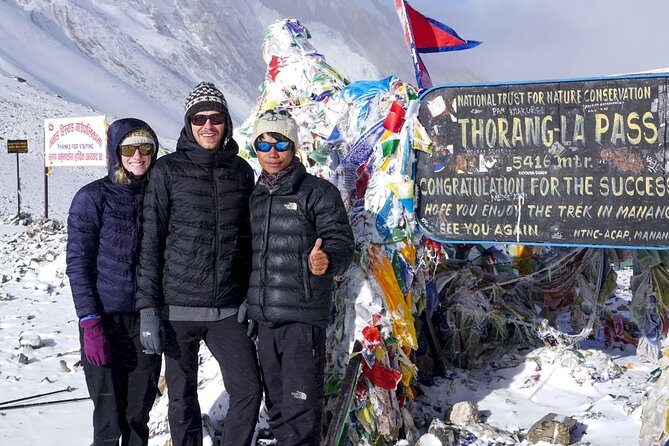
Day 13 is the big crossing. You trek from Thorong Phedi to Muktinath via Thorong La Pass (5,416m), about 6–7 hours.
This is the day that defines the Annapurna Circuit. You’ll be going from the pre-pass holding zone into the actual pass environment and then continuing toward Muktinath, which is a major spiritual destination.
What makes this day worth the effort is that the pass crossing tends to bring everything into focus: the altitude challenge, the weather reality, and the emotional reward when the views open up. Even when the hike is tough, having a guided plan and support can help you keep a steady rhythm and make smart decisions if conditions change.
A consideration: conditions matter. You’re in the high zone, and weather can influence how you feel and how safe you can move. This is where you’ll want to trust the guidance you’re given and not treat the schedule like a race.
Descent to Tatopani and the Pokhara reset
After the pass day, you head down. Day 14 is a drive to Tatopani (1,200m). That elevation drop is huge in comfort terms. It’s a recovery moment.
Day 15 then moves you onward to Pokhara. You stay at Crystal Palace Hotel for 2 nights, and this is a good finishing city because it’s built for slowing down. You’ve got time to hydrate properly, eat something comforting, and enjoy views without worrying about your next climb.
Tatopani and Pokhara together help the trek feel complete. You don’t just end at altitude—you get a proper transition back to normal life.
The human factor: guides, safety, and the small details that prevent trouble
A trek like this is about more than miles. It’s about judgment: pacing, altitude awareness, and how you handle surprises.
Past trekkers have praised the team behind these trips for quality service, efficiency, safety and security, friendliness, and value for money. Names that appear in feedback include Ramhari Neupane (often described as a manager/host in Kathmandu), plus guides such as Dendi and Shiva, and a porter named Susan.
Why that matters to you: altitude treks go smoother when someone on the ground has experience reading people and conditions. One account described getting alternative routing when a full completion wasn’t possible, and another noted extra accommodation being arranged so the group didn’t have to deal with cramped logistics. That’s the kind of “small thing” that can make a big difference at 5,000m+.
Even if you’re confident, a good guide helps you avoid the common mistakes:
- going out too fast early
- ignoring early warning signs from altitude
- losing track of pacing because you’re chasing photos
Packing and fitness: how to prepare for the altitude step-up
This trek asks for moderate physical fitness. That’s not just marketing language; it fits the pattern of the route—some longer days in the middle elevations, and then shorter but higher days toward the pass.
Here’s what I’d plan around for a hike like this, given you’ll reach Thorong La (5,416m):
- Build stamina before you go, not just leg strength. Long walking hours add up.
- Practice layered clothing so you can adapt quickly as temperatures change with elevation.
- Bring gear that works in cold and wind, especially as you approach the high camp areas.
- Keep your attitude flexible. A pass day can be weather-driven.
If you’re prone to altitude problems, talk with your doctor before booking. And when you’re on the ground, communicate early if you don’t feel right.
Who should book this Annapurna Circuit trek
This one makes the most sense for you if:
- you want the full Annapurna Circuit experience, including Thorong La and Muktinath
- you like a structured plan with private transport, hotels, and a professional guide
- you’re comfortable with 15 days of active travel and a serious altitude day
- you’d rather focus on walking and acclimatizing than logistics
You might want a different option if you’re looking for a short trek, minimal altitude exposure, or a fully unstructured schedule. The circuit is famous, but it also demands respect for the mountains.
Also note: service animals are allowed, and the tour is designed as a private group experience only.
Should you book this trek?
If you want a classic Annapurna Circuit route with guide support, meals included during trekking, and a clean start-to-finish flow from Kathmandu to Pokhara, I’d say this is a strong choice—especially at a price that covers a lot of the “in-between” costs like transport, hotels, and fees.
Before you commit, be honest about the pass day. Thorong La at 5,416m isn’t something to bluff through. If you can show up with moderate fitness, a slower mindset, and willingness to follow guidance, you’ll get a trek that feels like a complete journey, not a collection of random hikes.
FAQ
How long is the Annapurna Circuit Trekking experience?
The trip is about 15 days (approx.).
Where does the experience start?
It starts in Kathmandu, Nepal.
What time does the trek start each day?
The start time is listed as 6:15 am.
What’s included in the meals?
Breakfast, lunch, and dinner are included, but drinks are not included.
What hotels are included in Kathmandu and Pokhara?
You get 2 nights in Kathmandu at Hotel Dream City, and 2 nights in Pokhara at Crystal Palace Hotel.
Is a guide included?
Yes. A professional guide is included.
What is the highest point on this trek?
The highest point is Thorong La Pass at 5,416m.
Is there free cancellation?
Yes. You can cancel up to 24 hours in advance for a full refund.
Are flights and travel insurance included?
No. Nepal visa fee, international and domestic airfares, and travel insurance are not included.