REVIEW · KATHMANDU
Best Nepal Tour: Kathmandu Pokhara Chitwan Tour
Book on Viator →Operated by Shepherd Holidays · Bookable on Viator
One day you’re in temple shadows, the next in the jungle. This Kathmandu Pokhara Chitwan tour is built to move fast between very different Nepal experiences. I like how the schedule pairs UNESCO-style heritage sights in Kathmandu with big-mountain views in Pokhara and wildlife time in Chitwan, without feeling like you’re wasting days on logistics.
I also like that it’s designed as a guided, worry-reduced trip. The package includes key meals and stays in twin-sharing hotels in Chitwan and Pokhara, plus lunch and several dinners, so you’re not constantly recalculating costs on the fly. I especially appreciate that guide support shows up in real feedback, including praise for guides Bhim and Ankita.
One drawback to consider: Kathmandu nights aren’t included. You’ll need your own Kathmandu accommodation and meals there, and entrance fees at heritage sites in Kathmandu and Pokhara are also not included.
In This Review
- Key Highlights You’ll Actually Feel
- The Value Play: What $600 Buys You Across Three Regions
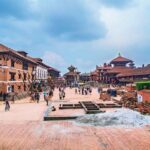
- Day 1 in Kathmandu: Temples, Stupas, and Patan’s Royal Square
- Pashupatinath Temple: Iconic Hindu faith by the Bagmati
- Swayambhunath (Monkey Temple): Stupa views over Kathmandu Valley
- Boudhha (Boudhanath): The big stupa with ancient roots
- Patan Durbar Square: UNESCO site and Malla royal palace energy
- The real drawback of Day 1: pace and ticket budgeting
- Day 2 in Chitwan: Arrive Ready for Wildlife Time
- Day 3 in Chitwan: Jeep Safari Plus Canoeing and Jungle Walk
- Day 4 to Pokhara: The Hilly Drive That Changes Your Mood
- Day 5 in Pokhara: Phewa Tal, Caves, Falls, Temples, and a Canyon
- Phewa Tal: The lake view with a temple on the water
- Gupteswar Gupha: A cave where Shiva worship fits the scenery
- Devi’s Fall: The dramatic, locals’ name included
- Bindhya Basini Temple: A goddess temple stop for good power
- Seti River Gorge: White river cuts through the stone
- Day 6 Sarangkot Sunrise and the Wrap-Up Back to Kathmandu
- Hotels and Meals: What’s Included Where (and What Isn’t)
- Guide and Team Quality: The Worry-Free Factor
- Who This Tour Fits Best
- Practical Tips to Make It Run Smoothly
- Should You Book the Kathmandu Pokhara Chitwan Tour?
Key Highlights You’ll Actually Feel
- Big change of scenery in 1 trip: temples in Kathmandu, lakes in Pokhara, wildlife in Chitwan
- Guides matter: feedback specifically calls out support from Bhim and Ankita and a team that’s easy to reach
- Chitwan safari variety: jeep safari plus canoeing/jungle walk time
- Pokhara at the right pace: mix of lakes (Phewa Tal) and caves/canyons (Gupteswar Gupha, Seti River Gorge)
- Sarangkot sunrise timing: an early start for mountain views, then breakfast and wrap-up
- Value built into meals + transfers: lunch and multiple meals included, with pickup and drop-off
The Value Play: What $600 Buys You Across Three Regions
At $600 per person for an around-6-day run, this tour hits the sweet spot for people who want a full Nepal sampler without planning every leg. What makes it feel like value isn’t only the sights—it’s what’s handled for you: airport pickup and drop-off, transport between Kathmandu, Chitwan, and Pokhara, and hotel stays in Chitwan and Pokhara with breakfast included.
It also helps that the package covers several meals: lunch, three breakfasts, and two dinners. That’s not just convenience; it reduces decision fatigue. When you’re switching regions quickly, eating costs and finding places that work with your day plan can become the hidden time sink.
Still, read the fine print with clear eyes. Kathmandu accommodation and meals (besides what’s included elsewhere) aren’t part of the package, and entrance fees at heritage sites aren’t included. So if you compare this to a “DIY everything” trip, you should compare it to a mid-range guided plan—not to bare transportation alone.
You can also read our reviews of more tours and experiences in Kathmandu.



Day 1 in Kathmandu: Temples, Stupas, and Patan’s Royal Square
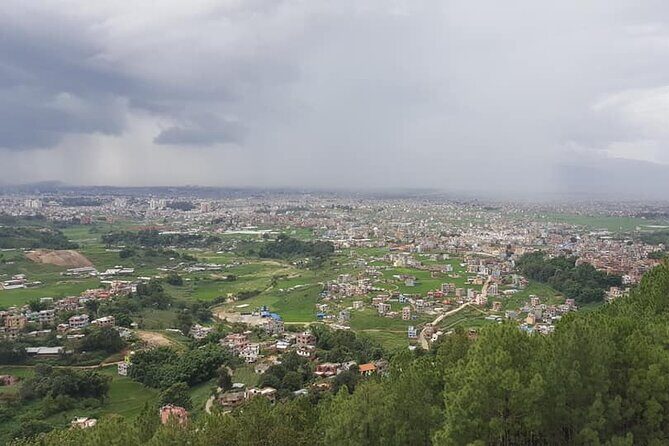
Day 1 gives you a dense, culture-first Kathmandu introduction. The upside of this approach is focus: you’re seeing the headline religious landmarks while your body is fresh and jet lag (if any) is still settling.
Pashupatinath Temple: Iconic Hindu faith by the Bagmati
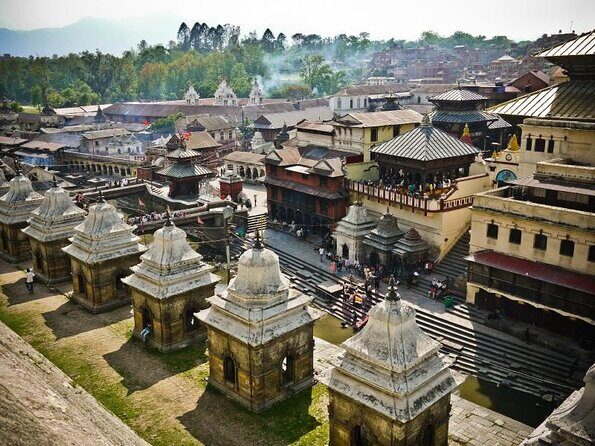
You’ll start at Pashupatinath Temple, set about 5 km east of the city center along the Bagmati River. It’s described as highly ornamented and dedicated to Lord Shiva, and it’s a major world-famous site for Hindu pilgrims. The included note here is that admission tickets are not included, so budget for that separately if you plan to enter.
If you like architecture and rituals, this stop is a strong anchor. Even if you’re not a “temple person,” the sheer presence of the place makes it feel like Kathmandu’s spiritual heartbeat.
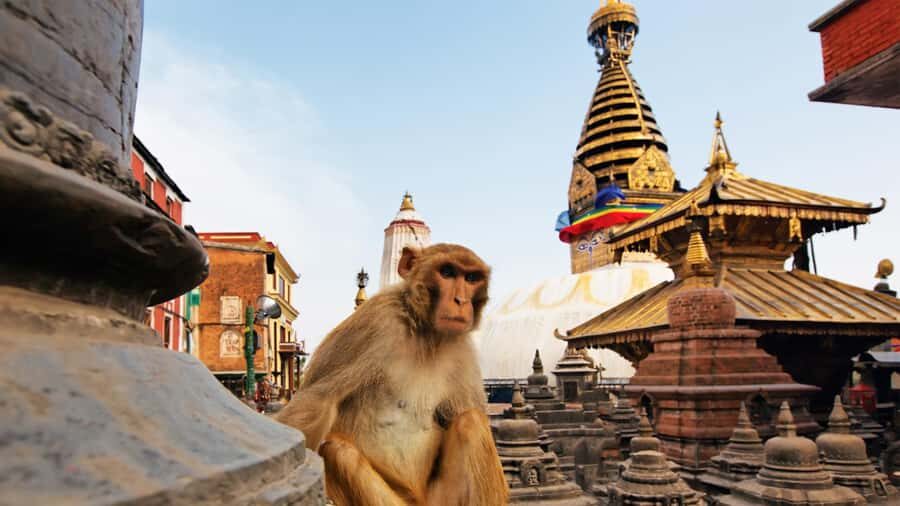
Swayambhunath (Monkey Temple): Stupa views over Kathmandu Valley
Next is Swayambhunath, also known as the Monkey Temple. The guide framing here is useful: it’s known for arts and architecture, plus a magnificent view over the valley. Admission is listed as free, which is a nice bonus on a day that otherwise has a few paid elements.
Tip for this kind of site: plan for slow walking and watch your footing. Also, expect monkeys around the area. It’s not about being scared; it’s about being smart with bags and food.
Boudhha (Boudhanath): The big stupa with ancient roots
Then you’ll head to Boudhha, noted as the oldest and largest stupa in the valley, built in the 5th century. It’s described as connected to the Lichhabi dynasty, and it includes the distinctive “eye print” detail. Admission here is free.
I like this stop because it shifts the day’s tone from temple energy to stupa calm. If you’ve only seen Kathmandu from streets and viewpoints before, Boudhha gives you a different angle on the city.





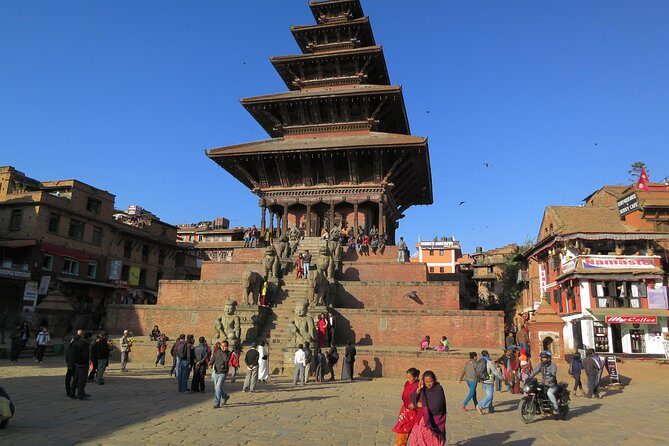
Patan Durbar Square: UNESCO site and Malla royal palace energy
You end at Patan Durbar Square in Lalitpur, part of a UNESCO World Heritage listing. The highlight is the ancient royal palace linked to the Malla Kings of Lalitpur, with the square positioned as the central attraction.
Admission tickets are not included for this stop. Still, the value is that you’re covering Kathmandu Valley’s heritage triangle in one day: Pashupatinath (temple), Swayambhunath/Boudhha (stupas and views), and Patan (palace square).
The real drawback of Day 1: pace and ticket budgeting
Because Day 1 stacks four major sites, you’ll want comfortable shoes and patience. Also, plan ahead for entrance costs at sites marked as not included. If you hate surprise payments, this itinerary might feel a bit “pay as you go” on day one.
Day 2 in Chitwan: Arrive Ready for Wildlife Time
Day 2 is more about transition and orientation. After breakfast, you’ll drive to Chitwan by tourist bus or private car, then check in and get your full Chitwan visit schedule.
This is an underrated design choice. Long drives in Nepal can be tiring, and giving you time to settle before the park day helps you show up alert. You’ll also be in a different setting fast: from city temples to river-and-forest edges.
Day 3 in Chitwan: Jeep Safari Plus Canoeing and Jungle Walk
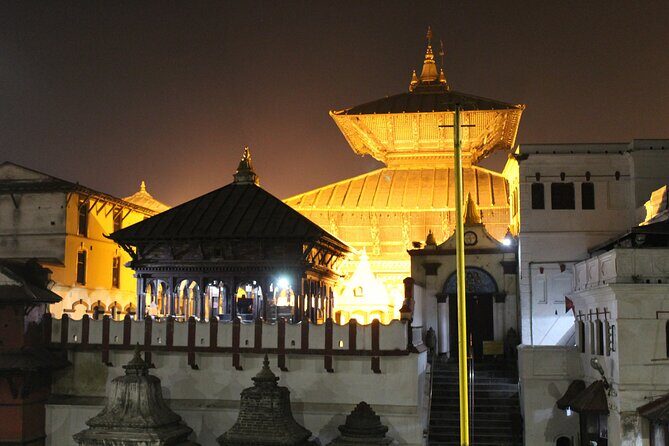
This is where the tour earns its name. You’ll go into Chitwan National Park after breakfast for a jeep safari, plus other jungle and non-jungle activities like canoeing and a jungle walk.
The focus in the plan is wildlife viewing. Chitwan is described as Nepal’s richest park in flora and fauna, and the listed targets include elephants, one-horned rhinos, Bengal tigers, crocodiles, and many birds.
A practical note: wildlife sightings aren’t guaranteed. But this itinerary is built to maximize your chances by offering different kinds of time in the park—jeep viewing for animals in motion or open areas, and canoeing/jungle walk for slower, closer observations.
Also, the safari mix often makes the day feel fuller. It’s not just one long drive and one short stop. You get multiple “ways of seeing” the park.
Day 4 to Pokhara: The Hilly Drive That Changes Your Mood
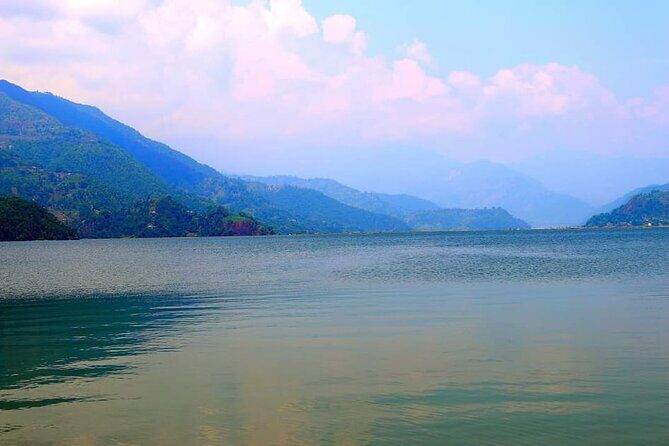
Day 4 moves you from Chitwan to Pokhara. The plan is a tourist bus or private car drive, and the description highlights hilly roads with views of jungles and rivers.
This “travel day with scenery” is important. After wildlife concentration in Chitwan, Pokhara can feel like a reset. It’s the lakes-and-mountains side of Nepal, and the pace feels more relaxed even if you still have plenty ahead.
You reach Pokhara and typically spend the rest of the day in the lakeside area rhythm (with your sightseeing coming the next day).
Day 5 in Pokhara: Phewa Tal, Caves, Falls, Temples, and a Canyon
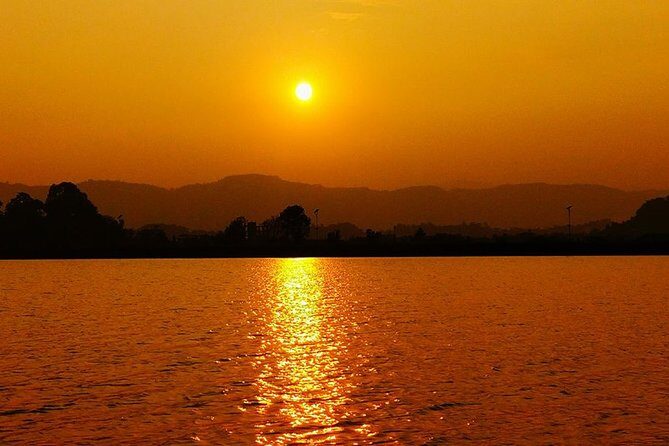
Day 5 is packed, but it’s a smart mix. You’re not repeating the same kind of view. You get water, caves, a waterfall, a temple, and a river gorge.
Phewa Tal: The lake view with a temple on the water
You’ll start at Phewa Tal (Fewa Lake), described as the second largest lake in Nepal. It’s surrounded by jungle, and the water can reflect Fishtail mountain. There’s also Barahi Temple sitting on an island in the middle of the lake.
Admission here is listed as free, which is nice. If you like classic postcard Nepal without going to expensive viewpoints, this stop delivers the look.
Gupteswar Gupha: A cave where Shiva worship fits the scenery
Next is Gupteswar Gupha, a cave near Devi’s Falls with a note that it’s about 3 km long. Hindus worship Lord Shiva (Mahadev) there. Admission isn’t included.
If you’re comfortable with caves, it’s a memorable contrast to open lake views. If you don’t like enclosed spaces, you might still appreciate it as a cultural stop, even if you keep your pace slower.
Devi’s Fall: The dramatic, locals’ name included
Then you’ll visit Devi’s Fall, also known locally as PATALE CHHANGO. Admission isn’t included, and the stop is listed at about 30 minutes.
This is one of those “short but memorable” Pokhara stops. It’s not a half-day commitment, but it changes the mood again—more wild-energy water than calm reflections.
Bindhya Basini Temple: A goddess temple stop for good power
You’ll also stop at Bindhya Basini Temple, dedicated to Goddess Bhagabati. Admission isn’t included.
This isn’t meant to be a deep-study theology stop. It’s a quick way to keep Pokhara’s sightseeing tied to local worship, not just scenery.
Seti River Gorge: White river cuts through the stone
Finally is Seti River Gorge, described as made by the Seti River. The note says “Seti means White,” and you can see white water in the river and views of a deep gorge.
Admission isn’t included, and it’s listed at about 30 minutes. It’s short, but for many people this is one of the more dramatic physical-geometry moments of the day.
Day 6 Sarangkot Sunrise and the Wrap-Up Back to Kathmandu
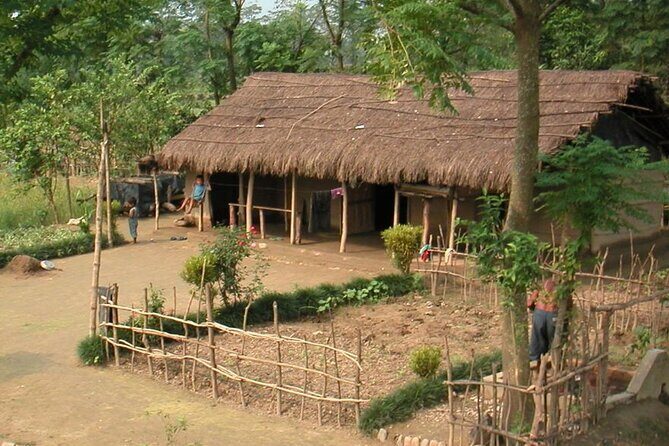
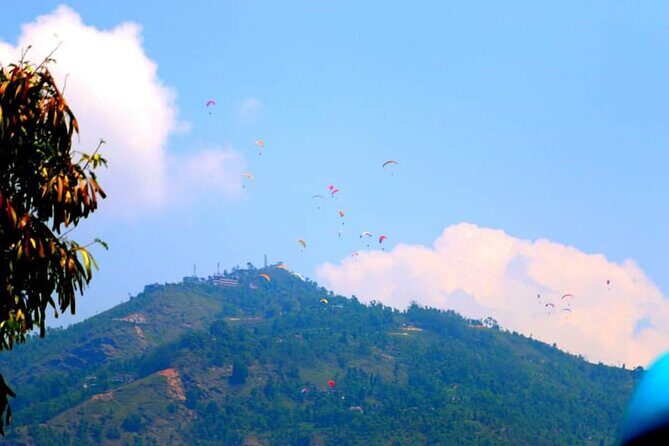
Day 6 begins early for Sarangkot Hill sunrise views, then returns for breakfast. After that, you’ll drive back to Kathmandu or fly back (flight is mentioned as extra).
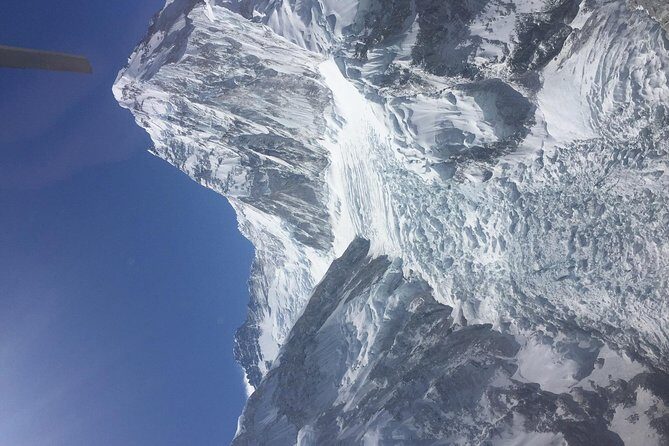
This is a key selling point. Sunrise viewpoints in Nepal can feel magical because the mountains can shift from misty silhouettes to clearer outlines in minutes. The tour is clearly built around that timing.
A gentle reality check: weather matters. The experience data says it requires good weather. If conditions are poor, your tour may be offered a different date or a full refund—so keep some flexibility in mind if you’re traveling right into monsoon or cloud-heavy seasons.
Hotels and Meals: What’s Included Where (and What Isn’t)
The included stays are in Chitwan and Pokhara: twin-sharing rooms with breakfast. That matters because it sets expectations for comfort and cost. It also means your sleep base is covered for the parts of the trip that aren’t Kathmandu.
Kathmandu is different here: accommodation and food in Kathmandu aren’t included. So if you’re comparing overall costs, add your Kathmandu nights and meals on top of the $600.
Meal inclusions are helpful but specific: lunch is included, and you have breakfasts (3) and dinners (2) within the tour package. Anything beyond that—especially in Kathmandu—falls to you.
Guide and Team Quality: The Worry-Free Factor
A lot of trips promise good guides. This one gets praised for follow-through. In feedback, I saw direct calls for Bhim and Ankita as guides, with comments that the team was easy to contact and helped make the trip feel worry-free.
That’s not a small thing. In Nepal, timing and transfers can make or break a fast itinerary. When a team is responsive, you can spend your attention on sights instead of constantly checking routes.
If you’re the type who likes clear planning and fewer surprises, this tour’s “private tour/activity” framing helps too. It says only your group participates, which generally means less crowd pressure and more consistent pacing.
Who This Tour Fits Best
This is a strong match for:
- First-time Nepal visitors who want temples, lakes, and wildlife in one go
- People who prefer guided flow over constant decision-making
- Travelers who want a balanced mix of big sightseeing and short active nature time (jeep + canoe + walk)
It might not fit as well if:
- You want to stay in Kathmandu on the package budget (since Kathmandu accommodation isn’t included)
- You dislike any “ticket budgeting” because some major heritage site entrances aren’t covered
- You’re ultra-sensitive to early starts (Sarangkot sunrise is an early day)
Practical Tips to Make It Run Smoothly
A few things will help you get the most out of this kind of itinerary.
- Wear shoes that work for uneven temple steps and cave ground.
- Carry a small day bag for Pokhara’s walking and the cave stop.
- Keep a little cash/card buffer for entrance fees at sites marked as not included.
- For sunrise: dress in layers. Early mornings can feel cooler even when the daytime warms up.
- Since weather can affect sunrise plans, don’t schedule anything critical right before/after the Sarangkot window.
Should You Book the Kathmandu Pokhara Chitwan Tour?
I’d book this tour if you want an efficient, guided path through Nepal’s biggest contrasts: heritage in Kathmandu, lakes and views in Pokhara, and wildlife time in Chitwan. The included transport, meals, and Chitwan/Pokhara hotel stays do a lot of the heavy lifting, and the safari day is built with variety, not just one single activity.
I wouldn’t book it if Kathmandu lodging is already tight in your budget and you were hoping the package covers everything start to finish. Also, if you have a strong dislike for entrance fees stacking up, note that heritage site admissions in Kathmandu and Pokhara are not included.
If you’re aiming for a well-organized “great hits” trip with a team you can reach, this one looks like a solid pick.