REVIEW · KATHMANDU
Cook and Dine with a Local family
Book on Viator →Operated by Royal Mountain Travel · Bookable on Viator
Spice shopping feels like a family outing. I love how this experience pairs market ingredient hunting with a real cooking lesson, and I also love the sense of trust that comes from learning in someone’s home. The meal focus is simple and practical, built around classic dal bhat flavors, so you’re not just watching—you’re doing. One possible consideration: it runs about 5 hours starting at 3:00 pm, and it depends on good weather, so plan for a later-afternoon pace rather than a quick hit.
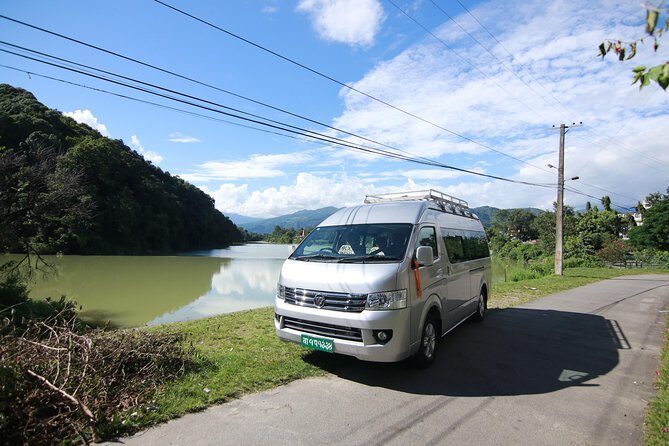
You’ll be met by the host family (with an English-speaking host) and taken by private transportation for the market stop and cooking time, with dinner included. This is designed for a small group of up to 4 people, which matters because you get more time to ask questions than in a crowded class. If you’re hoping for a high-energy, crowd-driven activity, you may find it calmer than some sightseeing tours.
In This Review
- Key Highlights I’d Prioritize
- Kathmandu, 3:00 pm Start: A Good Fit for Real Travel Days
- Market Shopping With a Local Family (and Why It Matters)
- From Ingredients to dal bhat: What You Learn Step-by-Step
- Eating Dinner in Their Home: More Than a Meal
- Group Size and Private Transport: Comfort That Protects the Lesson
- Price and Value: What $45 Really Buys You
- Practical Expectations: How to Prepare for a Home Cooking Class
- Who This Is Best For (and Who Might Skip It)
- Should You Book Cook and Dine With a Local Family?
- FAQ
- How long is the cooking class?
- What time does the activity start in Kathmandu?
- Is dinner included?
- Do I get pickup and transportation?
- Does the host speak English?
- Where does the tour start and end?
- What is the group size limit?
- What does the class include besides cooking?
- Is cancellation free?
- Are personal expenses included?
Key Highlights I’d Prioritize
- Local market spice shopping with a host who explains what you’re buying and why it works
- Step-by-step dal bhat cooking using common spices like turmeric, cumin, ginger, garlic
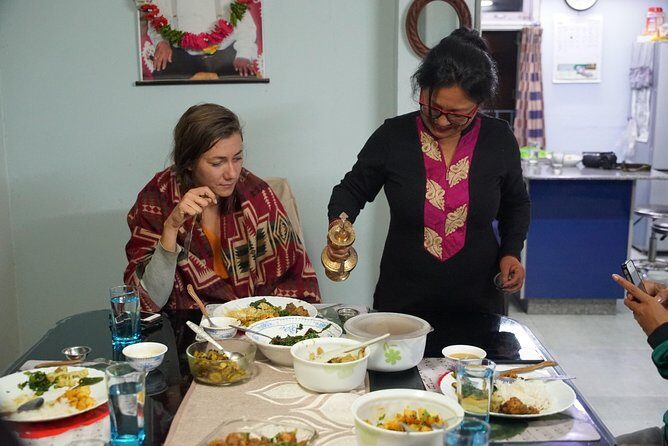
- Dinner at the family home where you see daily life and share a meal together
- English-speaking host family that makes cross-cultural conversation easier
- Small group of max 4 for hands-on attention and fewer awkward pauses
- Private transportation + pickup offered so you spend less time figuring out logistics
Kathmandu, 3:00 pm Start: A Good Fit for Real Travel Days
This class starts at 3:00 pm, so it lands in that sweet spot when you’ve already done some daytime exploring. Instead of racing the morning or turning the evening into a late-night food mission, you get a slower, home-style plan that fits Kathmandu’s rhythms. The total time is about 5 hours, which is long enough to include market shopping, actual cooking, and dinner together.
The meeting point is Royal Mountain Travel on Lal Durbar Marg, and the activity ends back there. That loop is underrated: you don’t have to solve transport at the end when you’re hungry, tired, and a little spice-scented. Private transportation is included, and pickup is offered, which means you can show up without hunting for directions or negotiating with drivers in the early stages of your trip.
What makes the timing especially useful is how it changes your posture. You’re not only sightseeing; you’re learning how a household eats and cooks. That shift—from walking around to stepping into a routine—is a big part of why cooking classes like this feel more personal than food tours that move fast.
You can also read our reviews of more tours and experiences in Kathmandu.


Market Shopping With a Local Family (and Why It Matters)
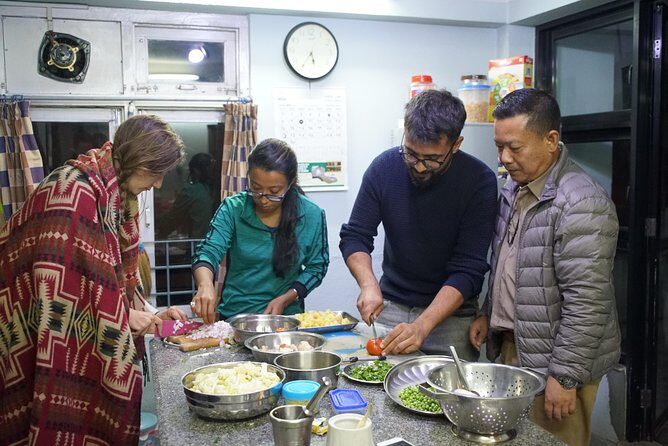
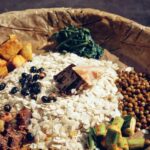
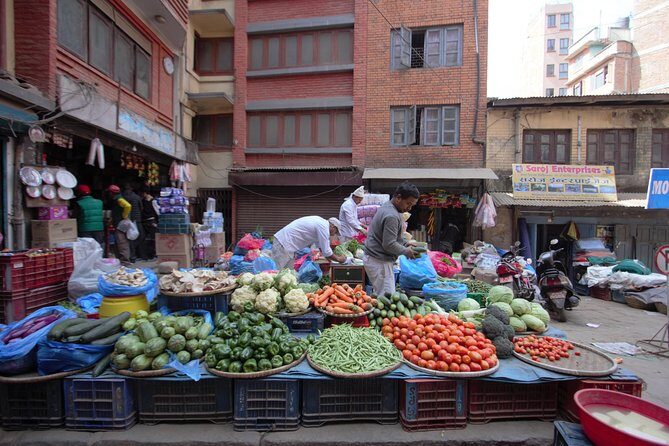
One of the strongest parts of this experience is the market stop. You go with your host family to choose groceries and spices, which turns the cooking class into something more grounded than a demo. It also helps you understand the logic behind Nepali flavors.
In practical terms, the market walk is where you learn to connect these dots:
- What ingredients look like in real life, not just on a recipe card
- How spices are chosen and combined for everyday cooking
- Why certain flavors show up again and again in Nepali meals
The class isn’t framed as a distant, tourist-only version of Nepali food. It’s built around the daily purchase habits of a family, guided by an English-speaking host. That language support is important because it keeps you from losing the key moments—the little explanations that make ingredients click.
Also, you’ll leave with a memory that lasts. Later, when you try to recreate the meal at home, you’ll remember not only the spice names but the feel of choosing them. That sensory link is what makes a cooking lesson stick.
From Ingredients to dal bhat: What You Learn Step-by-Step
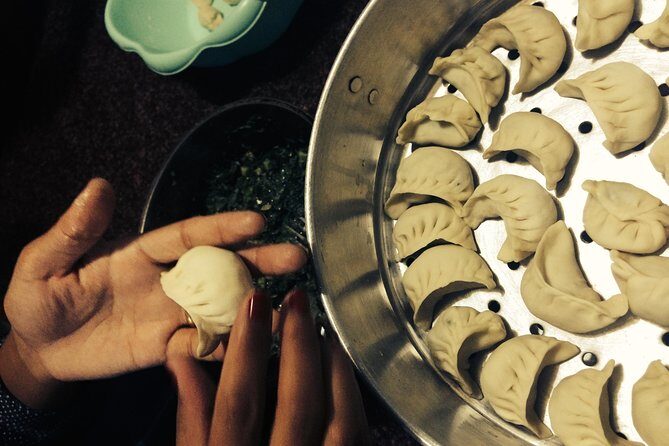
The cooking portion centers on dal bhat, a traditional meal with a recipe that’s easy to follow. The core method is straightforward: you cut vegetables, then mix them with an assortment of spices so the dish gets its flavor base.
The spices specifically mentioned are turmeric, cumin, ginger, and garlic. You’re not just tasting finished food; you’re learning how these ingredients behave as part of a cooking process. That makes the lesson more than a cultural souvenir. It’s a skill you can repeat.
Here’s the practical value of that approach. Many cooking classes teach you something complicated or exotic. This one focuses on a classic structure you can actually reproduce later:
- Prepare vegetables
- Build flavor with a measured spice mix
- Cook in a way that keeps the dish coherent, not just spicy
Even if you’re an inexperienced cook, the style of the lesson is friendly to beginners because the goal is to help you understand the flavors rather than memorize restaurant techniques. If you’ve ever bought groceries for a recipe and then panicked because the steps felt abstract, this is a useful counterpoint. You get a guided start you can build on.
And because it’s hands-on inside a home setting, the learning sticks to real habits—timing, how ingredients smell as they heat up, and what to watch for when a spice mixture starts to work.
Eating Dinner in Their Home: More Than a Meal
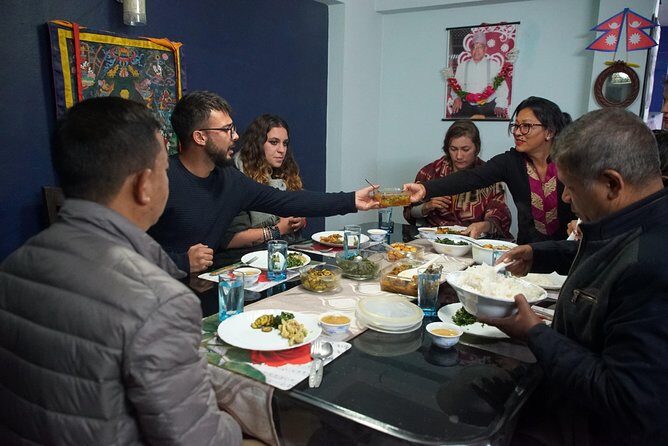
Dinner is included, and it’s served in the family home. That part can feel surprisingly meaningful because you’re not only cooking; you’re also participating. You see daily life as it happens and you interact with the local family, which turns dinner into a conversation rather than a checklist.
One review highlights a welcoming family experience in Patan and calls the home setting delightful. That sort of atmosphere is exactly what you should look for if you want authentic Nepal. You’re not trying to stage a version of Nepal for an outsider audience. You’re joining a family for an everyday meal and learning through normal human interaction—questions, small talk, and shared eating.
Another review points to cross-cultural interaction as a key draw, which matches what the class is built to do. Food is the bridge, but conversation is what makes it memorable. Even with an English-speaking host family, you’ll still likely learn small phrases and habits along the way.
The meal itself is simple in concept, but that simplicity is part of its power. Dal bhat is the kind of food that sits at the center of many everyday routines. Learning it in this context helps you understand why it’s so widely loved: it’s flavorful, comforting, and built around ingredients people can find and cook consistently.
Group Size and Private Transport: Comfort That Protects the Lesson
This activity caps at 4 travelers. That single detail changes everything. In smaller groups, you can actually ask questions while you cook. You can also move at the pace of the class instead of feeling like you’re in a timed factory line.
Private transportation is included, and pickup is offered. That helps in Kathmandu, where navigating streets can be a lot more complicated than maps make it look. When your host handles travel, you spend your mental energy on learning rather than logistics.
Also, the class duration of about 5 hours is manageable when transport is built-in. You’re less likely to lose time to uncertainty, and you’re more likely to arrive calm and ready. Cooking classes work best when you’re not already rushing or stressed.

Price and Value: What $45 Really Buys You
At $45 per person, this isn’t a bargain bargain, but it’s also not trying to be a luxury event. For that price, you get dinner, spice shopping at a local market, an English-speaking host family, and private transportation. That combination is where the value comes from.
Here’s what you’re paying for, in plain terms:
- Access to a family kitchen and a real dinner experience
- Guidance during market shopping, not just on a printed recipe
- Ingredient explanation so you don’t leave with only taste memories
- Convenience via private transport and pickup offered
If you were to try to recreate this on your own—finding a trustworthy local market guide, arranging a home-cooking setup, and buying groceries without help—you’d likely spend similar money while still missing key context. This class turns that uncertainty into a clear, guided plan.
The price also makes it a realistic option for independent travelers who don’t want a full-day tour. A 3:00 pm start and around 5 hours total means it fits into a normal day with room for other sightseeing after.
One thing to keep in mind: it requires good weather. If conditions are poor, it may be canceled and you’ll be offered a different date or a full refund. That’s not a cost issue—it’s a planning reality for outdoor market elements and safe travel.
Practical Expectations: How to Prepare for a Home Cooking Class
You’ll be picked up and transported, and you should plan for time in a real home and kitchen environment. Wear comfortable clothing you don’t mind getting a little food-adjacent (spices happen). If you have food sensitivities or preferences, bring them up clearly—this type of family-based cooking works best when expectations are shared.
Since the class starts at 3:00 pm, I’d treat it like your main food event for the afternoon. Eat lightly beforehand so you can enjoy dinner without feeling stuffed, and keep water on hand if you’re coming straight from another activity.
Also remember the lesson is focused on a classic dish and spice approach. If you’re expecting a huge variety of complex Nepalese recipes, the class is more concentrated than that. You’ll go deeper into one core experience—especially dal bhat flavors and how they’re built—so you leave with usable skills rather than a long list of dishes.
Who This Is Best For (and Who Might Skip It)
This tour is a strong fit if you:
- Want an authentic Nepal experience that feels personal, not staged
- Like learning through doing, especially with food and spice combinations
- Enjoy home-style cultural interaction, not just watching from the sidelines
- Are traveling with an open mindset and you enjoy conversation
It may be less ideal if you want:
- A fast, stop-everywhere sightseeing day
- A large-group social atmosphere
- A lesson with lots of recipe variety beyond dal bhat
The small group size also makes it good for travelers who prefer a calmer vibe. You’re less likely to feel like a number, which helps when you’re asking questions about spices and ingredients.
Should You Book Cook and Dine With a Local Family?
I think this is a smart booking if your goal is to understand Nepali food in a grounded way. The biggest selling points are the market spice shopping with a host family, the hands-on dal bhat cooking lesson, and the dinner experience in their home. The English-speaking host support makes it easier to learn instead of just observe, and the max group size helps you get attention.
If you’re flexible about timing and you’re traveling during a period where weather is likely to cooperate, this class is well worth it. Plan for the 3:00 pm start and the 5-hour pace, come ready to cook, and you’ll leave with more than photos—you’ll leave with a practical flavor recipe you can repeat.
FAQ
How long is the cooking class?
The experience runs for about 5 hours.
What time does the activity start in Kathmandu?
It starts at 3:00 pm.
Is dinner included?
Yes. Dinner is included.
Do I get pickup and transportation?
Pickup is offered, and private transportation is included.
Does the host speak English?
Yes. The host family provides an English-speaking host.
Where does the tour start and end?
It starts at Royal Mountain Travel on Lal Durbar Marg, Kathmandu, and ends back at the same meeting point.
What is the group size limit?
The activity has a maximum of 4 travelers.
What does the class include besides cooking?
You’ll do spice shopping at a local market and learn Nepali dish preparation with the host family.
Is cancellation free?
Yes. You can cancel for a full refund up to 24 hours in advance of the experience start time, and free cancellation is available.
Are personal expenses included?
No. Personal expenses are not included.