REVIEW · POKHARA
Ghorepani Poon Hill Trekking
Book on Viator →Operated by Adventure Bound · Bookable on Viator
Sunrise at Poon Hill is the whole point. This 4-day Ghorepani–Poon Hill trek is built for big Himalayan views with less planning stress, because meals, lodging, permits, and transport are wrapped into one package from Pokhara. You’ll hike through stone staircases, terraced villages, and rhododendron-and-oak forest trails, then watch the peaks light up right on schedule.
What I like most is the all-inclusive structure: breakfast, lunch, dinner, and overnight lodge stays are included, so you’re not doing constant math on the trail. I also really value that you get a private, English-speaking guide (people have called out guides like Raman, Santosh, Suresh, Raj, and Arjyal Santosh by name), which makes a huge difference when you’re new to trekking or want to move at your own rhythm. The one thing to keep in mind: lodge comfort can be simple, and cold weather means you should pack warm layers, especially if you’re trekking outside spring.
In This Review
- Key things that make this trek worth your time
- Why the Ghorepani Poon Hill route is such a good 4-day choice
- Pokhara pickup and the trail start at Birethanti: what to expect on Day 1
- Day 1 to Gorepani: Tikhedhunga stairs and your first taste of big views
- Day 2 to Ghorepani: rhododendron-and-oak forests and forest-walk calm
- Poon Hill sunrise on Day 3: the “early, worth it” morning
- Day 4 down to Ghandruk: rhododendron trails and village atmosphere
- Price and logistics: what $600 buys you here
- Guides matter: Raman, Santosh, Suresh, Raj, and the comfort of a steady pace
- Who this Ghorepani Poon Hill trek is best for
- Should you book this trek?
- FAQ
- What is included in the trek price?
- Where does the trek start and end?
- How long is the Ghorepani Poon Hill trek?
- Is this trek suitable for beginners?
- Do I need warm clothes?
- What is the cancellation timeline?
Key things that make this trek worth your time
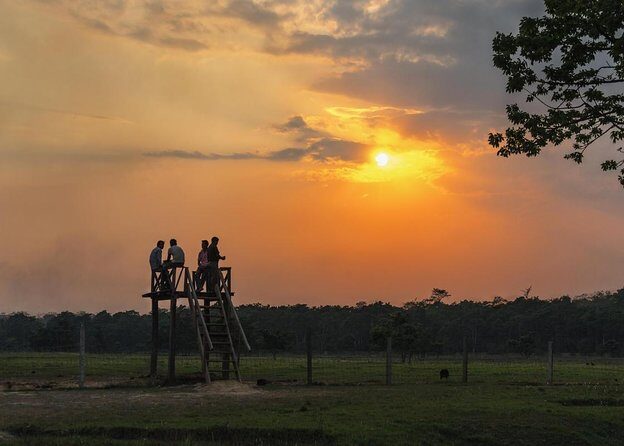
- Poon Hill sunrise access: early-morning hike to one of the best short efforts for serious panorama views
- Private guide focus: your pace, your breaks, and real-time trail guidance with English-speaking support
- All meals covered: breakfast, lunch, and dinner at lodge/teahouse stops so you’re not scrambling mid-day
- Forest-to-village hiking: rhododendron and oak woods plus hilltop settlements like Gorepani and Ghandruk
- Transport built in: taxi to the trek start at Birethanti from Pokhara and shared jeep/bus back from Ghandruk
- Spring-friendly scenery: blooming rhododendron is a highlight when conditions line up
Why the Ghorepani Poon Hill route is such a good 4-day choice
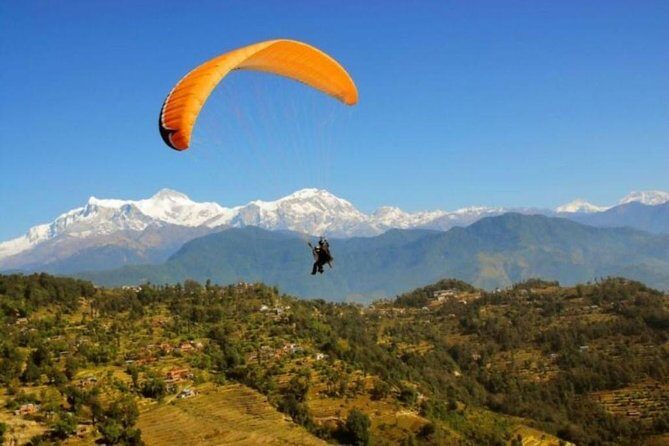
If you’re looking at Nepal and thinking, I want mountains, but I also want a trip that feels manageable, this route fits that perfectly. In just a few days you get classic Annapurna-region scenery: ridgelines, viewpoints, terraced hillsides, and forest trails that climb steadily without turning into a technical expedition.
The other big win is time efficiency. Starting from Pokhara keeps the logistics simpler than some longer trek routes, and the trek itself is “moderately strenuous.” That matters because you can enjoy the views without spending the whole trip feeling like you’re trying to survive.
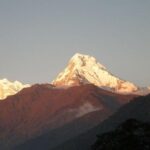
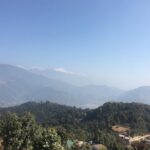
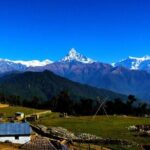
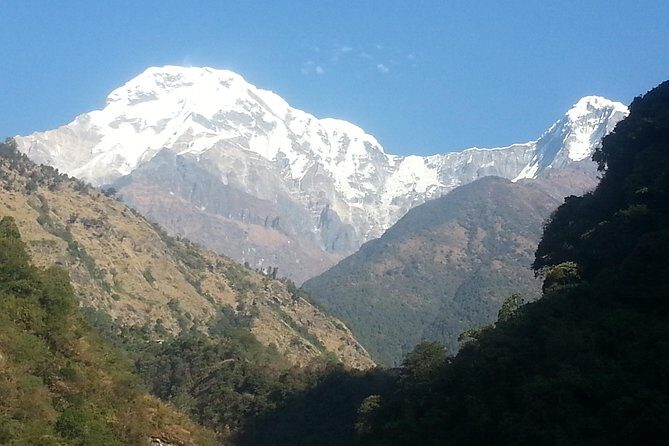
And yes, Poon Hill is famous for a reason. It’s a short trek effort on the day of the sunrise, but the payoff is huge: a wide sweep of peaks including Annapurna, Dhaulagiri, Machhapuchhre, and more on a clear morning. If clouds roll in, you won’t control the sky—but you will have done the right thing to be in position early.
You can also read our reviews of more hiking tours in Pokhara
Pokhara pickup and the trail start at Birethanti: what to expect on Day 1
This trek starts with a taxi ride from Pokhara to Birethanti (about 1.5 hours). You’ll follow the Modi Khola route through local villages and green hills. It’s not just transportation—it’s your first taste of the mid-hill setting before the real walking begins.
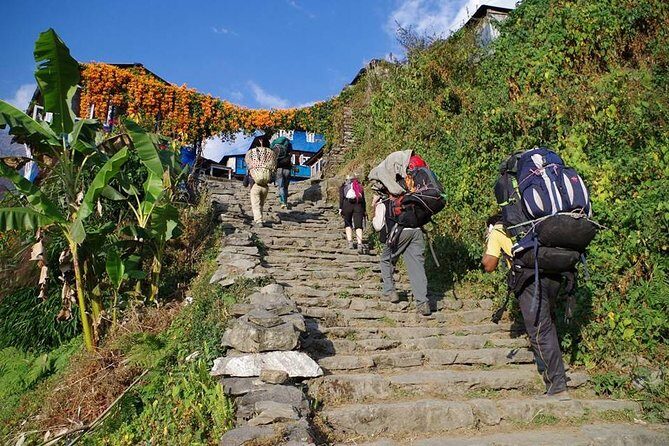
Once you reach the start area, the trail ramps up with a climb to Tikhedhunga, and from there you hit those famous stone stair sections. This is where new trekkers sometimes feel it the most: steps are repetitive, and your legs get a workout even if the trail doesn’t look “that long” on paper.
Packing tip that saves misery: treat Day 1 like a warm-up that gets real. Even if mornings start cool, you’ll likely work up heat during the stair climb. Bring a light layer you can shed quickly, and keep your water and snacks easy to access.
Also, because this is private with a guide, you don’t have to guess how hard to push. You can ask for a pace that matches your fitness level, which is a big deal if you’re not sure how your body handles altitude climbing over multiple days.
Day 1 to Gorepani: Tikhedhunga stairs and your first taste of big views
Day 1 is about transition plus payoff. The morning drive takes you from Pokhara into the quieter village belt, passing places like Hile, then continuing on toward the trail start area near Tikhedhunga.
From Tikhedhunga, you’ll climb steeply through those stone stairs. This is the classic “feel the climb” segment. The upside is that the effort quickly leads you toward the reward: reaching Gorepani, where you can start seeing major peaks such as Hiunchuli and Mount Annapurna south in the broader view.
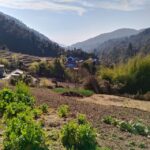
What makes this day special is that it’s not just stairs. You’re moving through a living area—people, terraced plots, and small settlements that make the trek feel grounded instead of like you’re walking in a museum. You’re still hiking, but you’re hiking through real places.
Possible drawback: if you’re coming off travel tired, the stair-heavy start can feel intense. The fix is simple: start slower than you think you need to, drink regularly, and let your guide steer the pacing. Guides like Raman and Santosh have been praised for adjusting to travelers’ pace and keeping the trip comfortable, which is exactly what you want on Day 1.
Day 2 to Ghorepani: rhododendron-and-oak forests and forest-walk calm
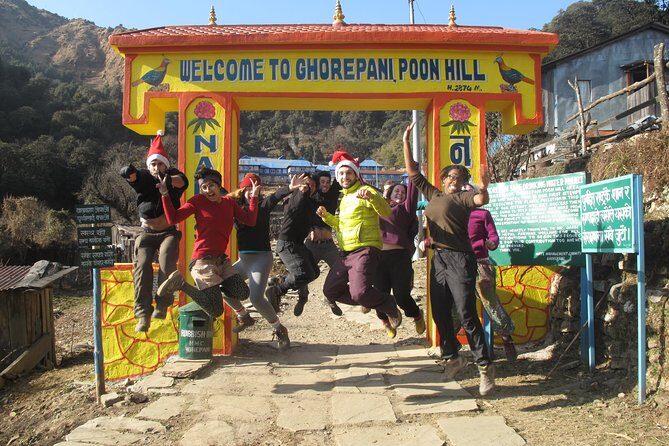
On Day 2, you’ll rise early enough to enjoy breakfast with mountain views, then head onward after Ulleri. From there the hike toward Ghorepani is described as around 4–5 hours, with stops across several scenic points.
A few names to look for along the way matter because they hint at the scenery:
- Banthanti: known for rhododendron and oak woodlands
- Nanggethanti: along the Bhrurngdi khola area
The heart of the day is a long stretch of jungle/forest trail. If you’re trekking in spring, this is when you’re most likely to see rhododendron blooming. You might also spot wild birds and other small wildlife activity because the trail passes through habitat, not just open ridge.
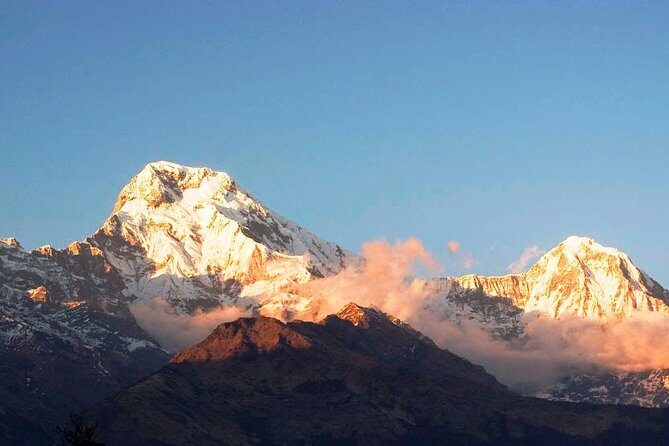
When you reach Ghorepani, the view payoff becomes clearer: Dhaulagiri, Annapurna South, and Hiunchuli are highlighted when visibility is good. Ghorepani itself is a base for viewpoint hikers, and it’s a great place to feel that shift from “hiking day” to “viewpoint day approaching.”
Consideration: forest trails can be slippery, especially if weather has recently turned. Wear shoes with grip, and expect the day to feel steadier than Day 1—less stair burn, more continuous walking through vegetation.
Poon Hill sunrise on Day 3: the “early, worth it” morning
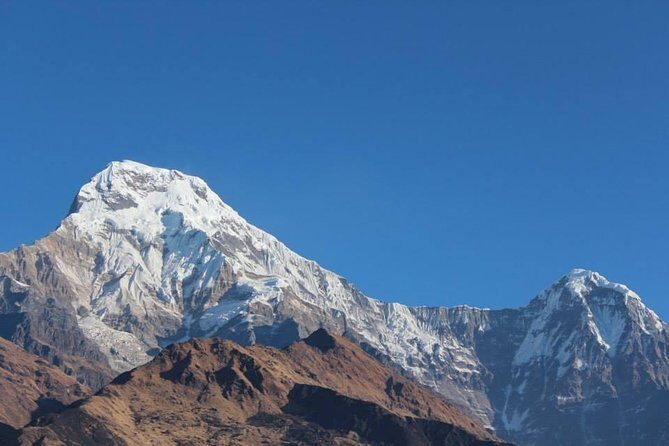
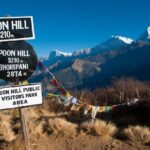
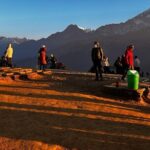
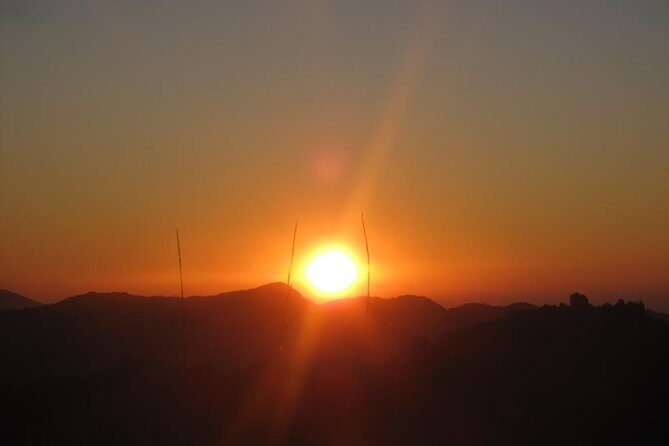
This is the big morning. You’ll wake early and head to the viewpoint known as Poon Hill to catch sunrise. The goal isn’t just waking up—it’s being there at the right time. On a clear day, you’ll get that wide panorama that makes Nepal feel real in a way photos can’t fully capture.
The peak list you can see from Poon Hill includes (when conditions allow): Annapurna, Bahari Shikhar, Hiuchuli, Nilgiri, Dhaulagiri, Manaslu, Machhapuchhre, and other peaks in the region. That’s a lot for one short morning climb.
What I like about this schedule is the structure: you’re doing the intense part early, then you’re back to Ghorepani for breakfast. That means you’re not stuck hauling yourself through the rest of the day without fuel. After breakfast, the trek shifts from viewpoint effort into downhill hiking toward Tadapani.
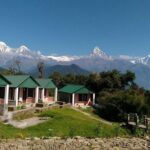
One practical note from lodge reality: mountain lodges can be simple, and heating may be limited or nonexistent. If you’re trekking in colder months, pack warm layers for mornings and evenings. People specifically mention lodges without heating, so think “warm enough even if it feels colder than you planned.”
How to make sunrise easier: keep your layers simple and breathable. You’ll go from chilly pre-dawn to warmer daylight as the sun climbs. A light hat and gloves can matter more than you expect at that altitude and hour.


Day 4 down to Ghandruk: rhododendron trails and village atmosphere
Day 4 is the downhill day, but it’s not just “survive the descent.” After your last breakfast on the hill, you start descending toward Ghandruk.
This section passes through rhododendron and oak woodlands again, which is a nice continuity from Day 2—forest time with different light. You’ll also get a chance to see wildflowers along the route, which is the kind of detail that makes a last day feel alive instead of purely logistical.
Then you arrive at Ghandruk, a village with local community life and beautiful houses. It’s described as popular even among Nepali tourists because it offers great views and a strong sense of place. The air and atmosphere are part of the reward: you’re dropping into a real settlement after days of mountain trail.
From Ghandruk, you’ll take a shared jeep/bus back to Pokhara. That shared ride matters for value and timing: it keeps your transport included without turning the last day into another long, complicated logistics chore.
Small caution: descents can beat up your knees if you go too fast. Treat Day 4 like a controlled walk—short steps, good foot placement, and regular breaks.
Price and logistics: what $600 buys you here
At $600 per person for a roughly 4-day trek, the value depends on what you’d otherwise have to organize yourself. Here, the price is doing real work for you.
Included items that change the math:
- Accommodation in lodges as per the trek days
- Meals: breakfast, lunch, and dinner during the trek
- Permit fees for the Ghorepani Poon Hill trek area
- A professional English-speaking trekking guide trained by the tourism authority
- Guide-related costs such as food, accommodation, salary, insurance, and equipment handling
- Transportation from Pokhara to Birethanti and back from Ghandruk
- Local taxes, handling charges, and required fees
So you’re paying for more than “a guide and a hike.” You’re paying for a system: permits handled, meals structured, lodges lined up, and transport scheduled. For solo travelers especially, that’s often the difference between a smooth trek and a stressful scramble.
What’s not included is also important:
- Alcoholic drinks are available to purchase, but they’re on you
- Personal expenses like bottled water, charging, hot showers, desserts, and snacks beyond the meal plan
- Tips for your guide are expected
Practical takeaway: if you want minimal friction, this price structure matches that goal. If you prefer total DIY control and you already know how tea-house trekking works, you might be able to spend less on your own—but you’ll also accept more uncertainty.
Guides matter: Raman, Santosh, Suresh, Raj, and the comfort of a steady pace
On this trek, the guide can change your experience more than you might think. A good guide doesn’t just lead. They manage pace, safety, and the small moments that make the days feel human.
In the trek feedback tied to this route, several guides are named—like Raman, Santosh, Suresh, Raj Silwal, and Arjyal Santosh—and the themes are consistent:
- They keep things comfortable for hikers who are new to trekking
- They adjust the pace rather than forcing a one-size-fits-all rhythm
- They bring practical knowledge about mountains and local context
- They add evening fun, like cards and light games, which helps the day feel less like work
One small but memorable detail: Raman is mentioned carrying fruit up the trail and also spending time playing cards in the evenings. That’s not “tour fluff.” It’s the kind of morale boost that helps you enjoy the effort instead of rushing through it.
Even better: since the guide is English-speaking, you can ask questions on the walk instead of waiting until you’re back at a lodge. That makes the views more meaningful because you’re not just looking—you’re learning what you’re looking at, in a way that fits your interest level.
Who this Ghorepani Poon Hill trek is best for
This trek is a strong fit if you:
- Want a first Nepal trekking experience without signing up for a long multi-week grind
- Prefer moderate exertion with lots of viewpoint payoff
- Like forests, villages, and the “everyday Nepal” feeling on foot
- Care about sunrise and photography enough to handle an early morning
It’s especially good for people traveling from Pokhara and wanting a tidy timeline. The route is also ideal if you want a guided experience with private group participation, so you’re not stuck with a pacing mismatch.
Where it may not be ideal:
- If you’re highly sensitive to cold, plan for chilly mornings and simple lodge conditions with limited heating.
- If you dislike repetitive stair climbs, Day 1 can feel demanding. The solution is slower pace and good footwear.
Should you book this trek?
I’d book this Ghorepani Poon Hill trekking experience if your top priorities are sunrise views, a guided experience, and a trip where the big logistical items are already handled. The included meals, lodge stays, permits, and transport remove a lot of the stress that often turns short treks into chores.
Skip it if you’re chasing maximum comfort or if you want guaranteed warm lodging conditions. Simple lodges are part of the deal, and mornings can be cold. Also be honest with yourself about fitness: it’s moderate, but it still involves real uphill walking.
If you want a short, classic Annapurna-region trek that lands you at Poon Hill early enough to see the mountains wake up, this one makes sense. Pack warm layers, wear grippy shoes, and let the guide set a pace you can enjoy.
FAQ
What is included in the trek price?
The package includes accommodation as per the trek days, meals (breakfast, lunch, and dinner), all necessary permits, a professional English-speaking trekking guide, guide expenses (food, accommodation, salary, insurance, equipment handling), local taxes, and transportation (taxi from Pokhara to Birethanti and a shared jeep/bus from Ghandruk to Pokhara).
Where does the trek start and end?
The trek starts at Birethanti, reached by taxi from Pokhara. It ends at Ghandruk, with a shared jeep/bus ride back to Pokhara.
How long is the Ghorepani Poon Hill trek?
It’s listed as about 4 days.
Is this trek suitable for beginners?
It’s described as moderately strenuous, and it’s set up for travelers with moderate physical fitness. Some guides are noted for adjusting pace for beginners, which can help if you are new to trekking.
Do I need warm clothes?
Yes, you should plan for cold mornings. Lodges are described as simple and without heating, and warm clothing is recommended for winter.
What is the cancellation timeline?
You can cancel up to 6 days in advance for a full refund. If you cancel 2–6 days before, you receive a 50% refund, and if you cancel less than 2 days before, it isn’t refunded.