REVIEW · KATHMANDU
Kathmandu: Kailash Mansarovar Yatra Tour 2025
Book on GetYourGuide →Operated by Peregrine Treks and Expedition P Ltd · Bookable on GetYourGuide
A holy walk around the roof of the world. This 15-day Kathmandu to Tibet yatra pairs the Kailash Kora (circumambulation of Mount Kailash) with real altitude trekking and big spiritual payoff at Lake Mansarovar and nearby monasteries. I especially like how the trip ramps you up in Nepal first, so Tibet doesn’t feel like a sudden switch.
I also like the practical team support from Peregrine Treks and Expedition P Ltd, including the kind of pre-trip help one traveler credits to Mr. CarKey. One drawback to plan around: conditions can be basic in remote places, and weather or route issues (like rain or landslides) can force schedule changes and extra costs on you.
This isn’t a luxury tour. It’s a focused, small-group pilgrimage built for people who want meaning and workable logistics—private transport in Nepal, permits and a Tibetan guide in Tibet, and clear expectations about what to carry and what to leave behind.
In This Review
- Key highlights you’ll feel right away
- Mount Kailash and Lake Mansarovar: why this pilgrimage hits differently
- Kathmandu warm-up: UNESCO temples, Newari cities, and a Nagarkot hike
- Crossing into Tibet via Rasuwagadhi and Kerung: build acclimatization into the plan
- Mansarovar day: rituals by the lake and a quiet kind of awe
- Darchen staging and the start of the Kora: when the trek becomes spiritual work
- Droma La Pass and Zutulpuk: the hardest day, and why it’s worth it
- The return: Kerung to Kathmandu, plus managing your energy and expectations
- Price and value: what you’re paying for at $4,013 per person
- Packing tips that actually matter at high altitude and in Tibet rules
- Accommodation and comfort: basic nights are part of the deal
- Who should book this Kailash Mansarovar Yatra, and who should skip it
- Should you book the Kathmandu Kailash Mansarovar Yatra Tour 2025?
Key highlights you’ll feel right away
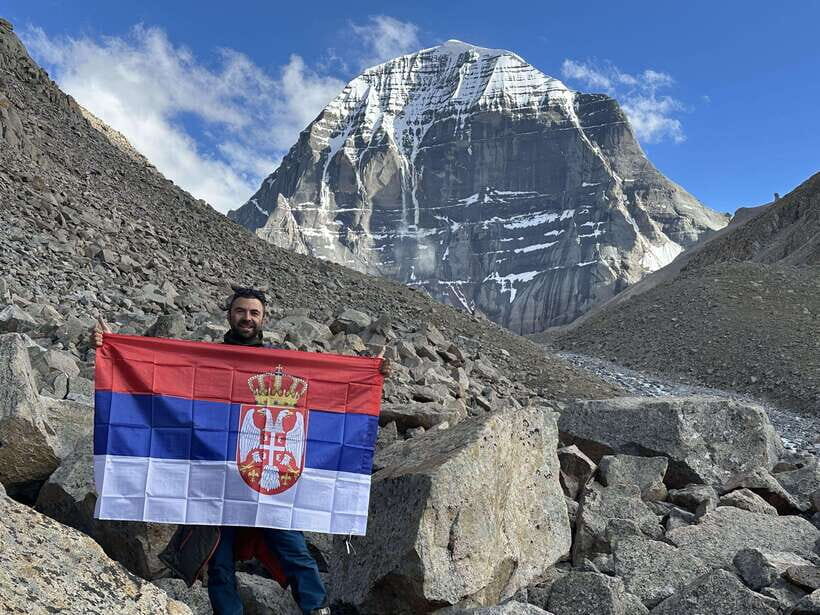
- Kailash Kora on foot: a physically demanding, spiritually central experience on the route around the mountain
- Lake Mansarovar time: a quieter, ritual-focused day at the lake that many people remember for years
- Droma La Pass challenge: the trek’s highest point with a built-in moment for reflection
- Cultural prep in Nepal: UNESCO World Heritage sites plus Newari cities before you cross into Tibet
- Small group pace: limited to 10 participants with an English-speaking guide, so you’re not lost in a crowd
Mount Kailash and Lake Mansarovar: why this pilgrimage hits differently
Mount Kailash sits at the center of a long spiritual map for Hindus, Buddhists, Jains, and Bon followers. The trip is designed around that idea: you don’t just see the places—you move through them with purpose, especially during the Kora.
Lake Mansarovar is the other anchor. You’ll spend a full day driving to the lake and taking part in spiritual rituals by the water, then you’ll shift into “pilgrimage mode” again as you reach Darchen, the usual staging area for the trek. If you’re the type who wants a journey that feels like a progression rather than random sightseeing, this route makes that easy.
The altitude is real, even if the itinerary builds in acclimatization days. If you’re expecting an easy walk with great coffee afterward, you’ll be disappointed. This is a demanding trip in high places, with weather that can change quickly.
You can also read our reviews of more tours and experiences in Kathmandu.



Kathmandu warm-up: UNESCO temples, Newari cities, and a Nagarkot hike
Your first days in Kathmandu matter. They’re not just for filling time—they help you adjust mentally and physically before you cross into Tibet.
Day 1: Arrival and rest. You land at Tribhuvan International Airport and go straight to a 3-star hotel with breakfast. The goal is simple: get oriented, drink water, and don’t overdo it.
Day 2: Kathmandu UNESCO circuit. You’ll visit four World Heritage sites by private vehicle with a driver: Kathmandu Durbar Square, Swayambhunath (Monkey Temple), Boudhanath Stupa, and Pashupatinath Temple. This is a great day for seeing how Nepal’s Hindu and Buddhist traditions share space—and also for learning what “reverence” looks like in everyday life.
Day 3: Patan and Bhaktapur. Instead of repeating the same style of sights, you’ll head to Patan’s and Bhaktapur’s Durbar Squares. Expect Newari architecture and craftsmanship, plus a slower-feeling atmosphere than the busier parts of Kathmandu.
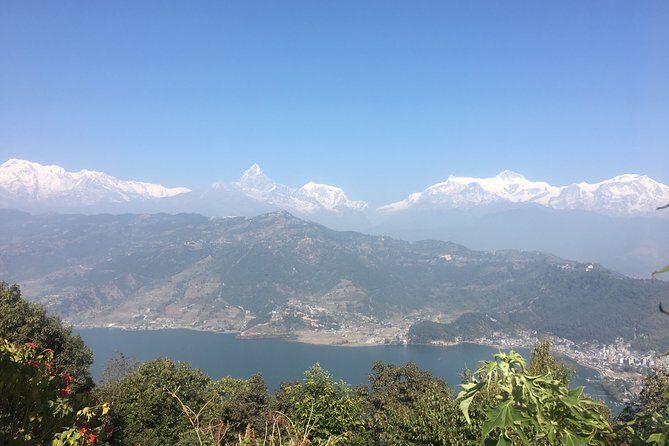
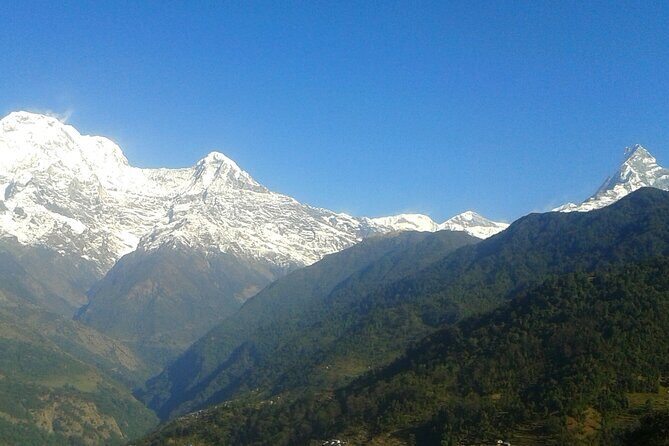
Day 4: Nagarkot day hike. This is a smart choice on a pilgrimage itinerary: a hike from Bhaktapur to Nagarkot that helps you gauge your legs for later altitude days. You’ll also get panoramic Himalayan views if weather cooperates, which you can use as a reality check—this whole trip is built around mountains you can’t ignore.
A practical note: Kathmandu stay and meals aren’t included beyond breakfast, so budget for your own lunches and dinners while you’re in Nepal.
Crossing into Tibet via Rasuwagadhi and Kerung: build acclimatization into the plan
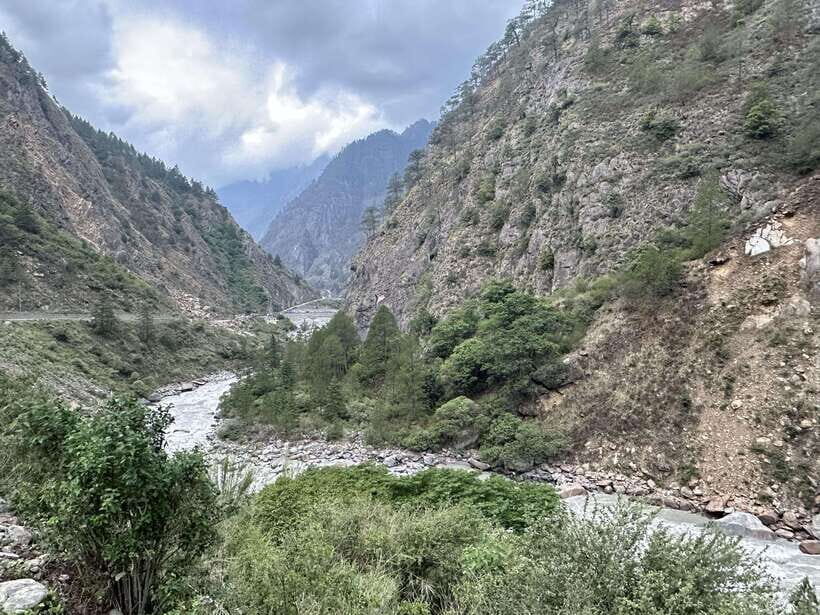
The journey from Nepal into Tibet is part logistics, part culture shock. Your route starts with a long scenic drive through the Langtang region to Rasuwagadhi, then you cross the border and continue to Kerung.
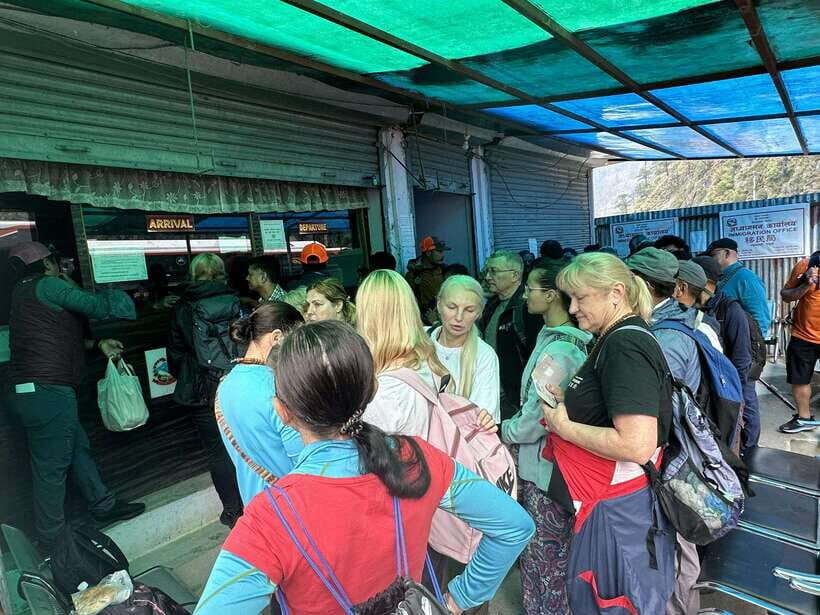
Day 5: Drive to Rasuwagadhi. You’ll travel by private jeep from Kathmandu to the border town. It’s the kind of day where the road takes energy, even if you’re not trekking.
Day 6: Cross into Tibet and reach Kerung. Kerung becomes your first “settle and adjust” stop. You’ll explore local temples and get a feel for Tibetan life at the ground level, not just the mountain level.
Day 7: Drive to Saga. You go deeper into the Tibetan plateau. Along the way you’ll see wide-open plateau views and the Brahmaputra River. That shift—tight Kathmandu streets to vast plateau—often becomes one of the most striking moments of the whole trip.
One reality to accept: route disruptions can happen. One group experienced rain that affected the plan and a landslide that left them in Kerung an extra day, with additional expenses they had to cover themselves. I strongly suggest you plan your overall trip schedule with buffer time, especially around the Kerung-to-Saga leg.
Mansarovar day: rituals by the lake and a quiet kind of awe
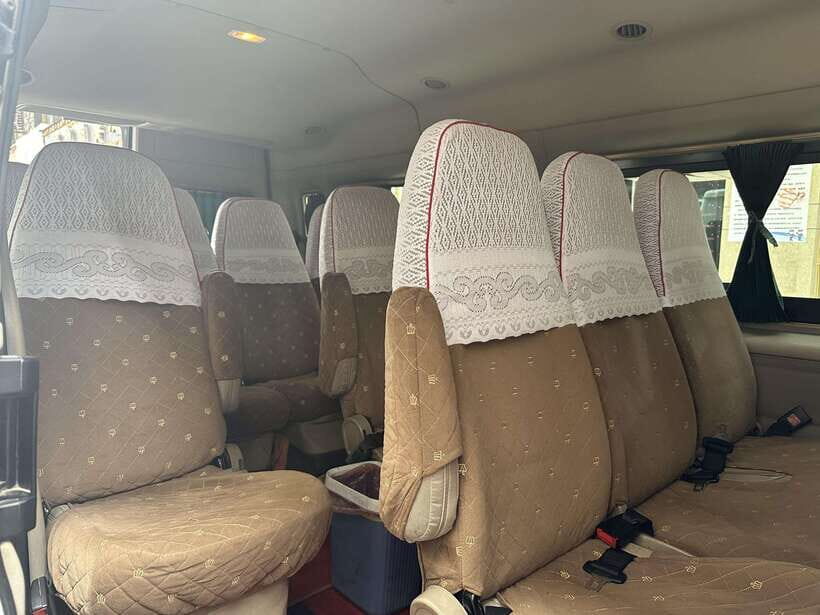
Once you drive to Lake Mansarovar, the rhythm changes. This is where the tour stops feeling like a trek itinerary and starts feeling like an event.
Day 8: Drive to Lake Mansarovar. You’ll arrive and participate in spiritual rituals by the lake. Then you’ll spend time in the serene environment, which is exactly what you want after long travel days. For many people, this becomes the emotional hinge of the trip—the moment everything starts to feel personal.
A practical consideration: you should be ready for basics. Accommodations in the Mansarovar area are in shared guest houses (not 3-star hotels), and the comfort level will be simpler than what you’re used to in Kathmandu.
Also, breakfast is included for the Tibet mornings, but lunch and dinner during the Kailash tour are not included. That means you’ll want to plan for food costs and keep enough snacks and water for the days you’re on the move.
Darchen staging and the start of the Kora: when the trek becomes spiritual work
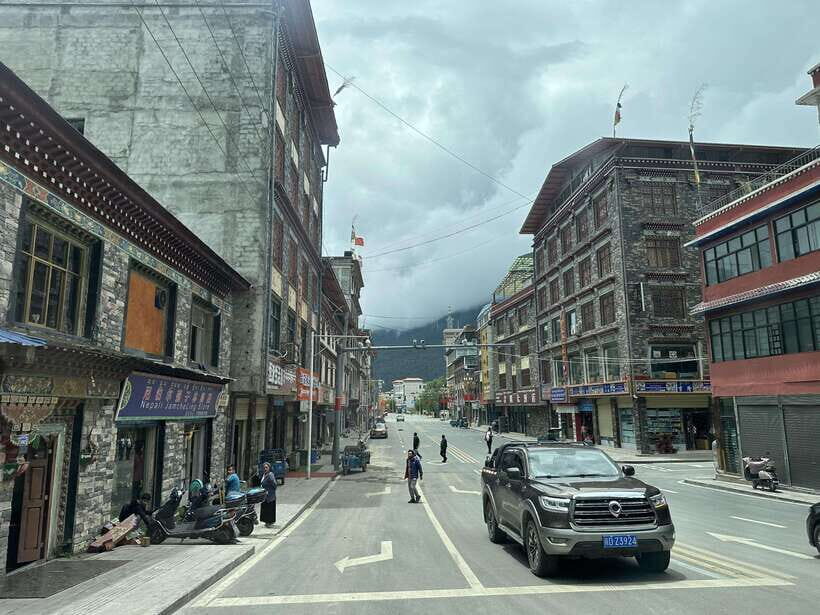
Darchen is where you get ready for the circumambulation. You’re not just hiking for views anymore—you’re moving with intention.
Day 9: Drive to Darchen. You’ll take a short drive to the base camp area, then prepare for the Kora. This day is useful because it gives you time to organize gear and adjust pacing before the longer trek hours begin.
Day 10: Trek to Derapuk via the beginning of the Kora. You’ll start trekking and admire views of Mount Kailash’s north face. This day is important for rhythm: if you go out too fast, your altitude and energy will punish you later. The Kora is the center of the experience, so pace matters.
One travel detail worth knowing: you can add help if you need it. The trip offers porter services (USD 350 for three days, carrying up to 12 kg including food and accommodation) and pony hiring (USD 600 for three days, if needed). If you want to conserve energy for the pass day, ask early whether porter or pony options are available for your dates and fitness level.




Droma La Pass and Zutulpuk: the hardest day, and why it’s worth it
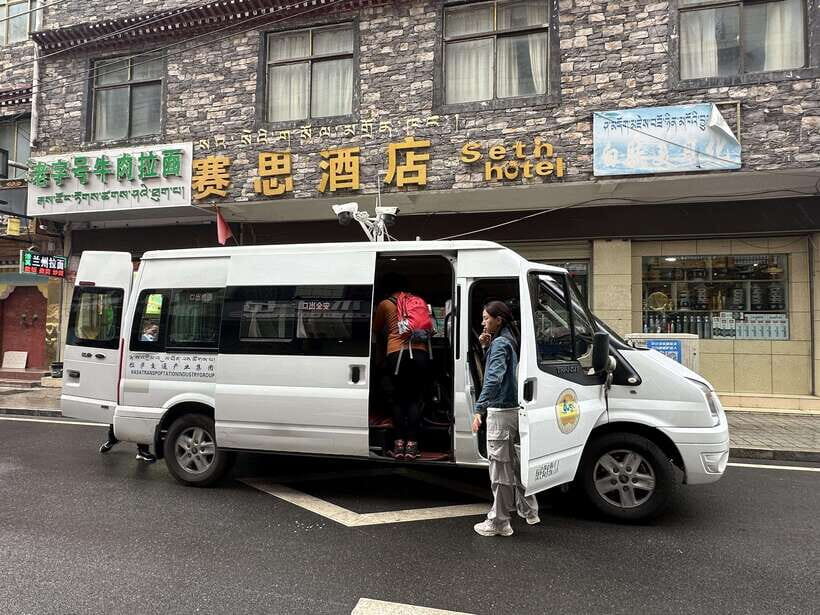
If there’s one trek moment that defines this itinerary, it’s the crossing of the Droma La Pass.
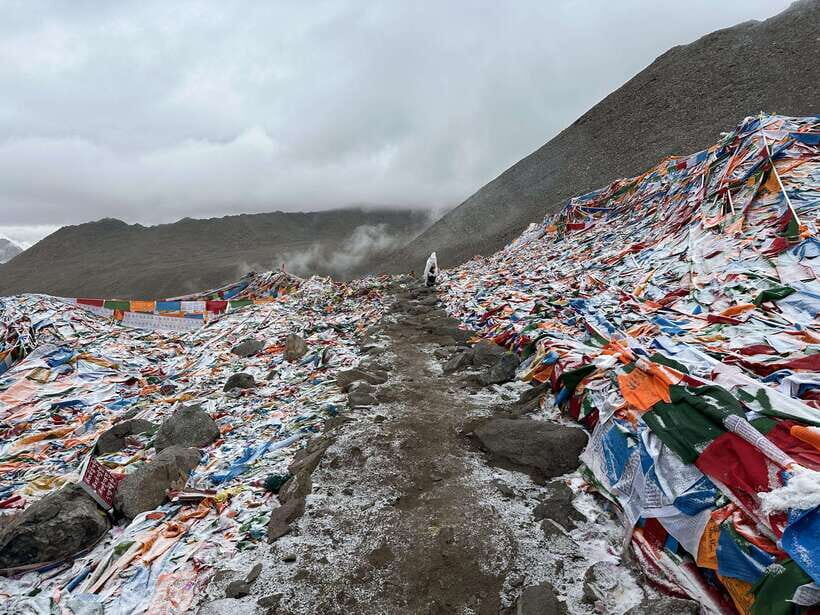
Day 11: Trek to Zutulpuk via Droma La Pass. You’ll reach the highest point of the trek, reflect on its spiritual significance, and then visit Zutulpuk Monastery. This is a demanding day physically, but it also has a structure that helps you keep going: climb, pause, take in the meaning, then continue onward.
Altitude days make your body honest. This is also why the tour isn’t suitable for certain travelers: children under 10, pregnant women, people with back problems, heart problems, and wheelchair users are not recommended. If you have any medical concerns, treat this as a serious health-and-safety decision, not just a booking choice.
Day 12: Complete the Kora and drive back to Saga. You finish the circuit back toward Darchen and then drive to Saga. One reason I like this setup is that it rewards effort with closure—once you complete the Kora, you’re not stuck in limbo with more intense trekking the same day.
About accommodation: one group found Zutulpuk lodging poor and preferred outdoor toilets. I’d treat guest house nights in these remote areas as basic by default. If comfort is a priority, it’s worth asking what options exist for upgrading within the tour’s constraints.
The return: Kerung to Kathmandu, plus managing your energy and expectations
Day 13: Drive back to Kerung. The return route gives you last looks at Tibetan terrain from the road. You’re not trekking, but travel days still drain you—especially after high-altitude exertion.
Day 14: Cross back into Nepal and drive to Kathmandu. You re-enter Nepal and drive back to Kathmandu. This is a good time to celebrate quietly: you made it through the hard part, and now your body can start to recover.
Day 15: Departure. Airport transfer to Tribhuvan International Airport based on your flight details.
Meal reality check again: breakfast in Tibet is included, but lunch and dinner during the Kailash tour aren’t. Plan for that so you don’t end up negotiating food choices while tired and cold.
Price and value: what you’re paying for at $4,013 per person
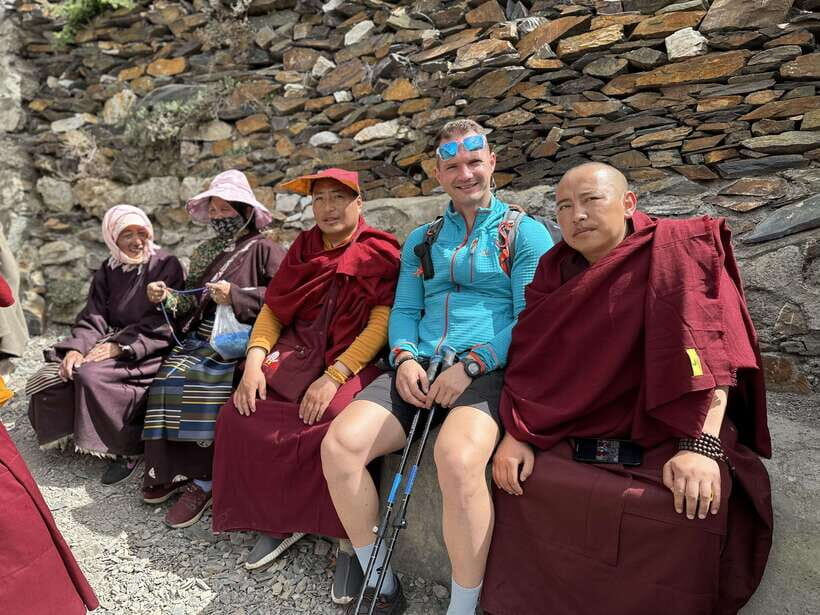
At $4,013 per person, this tour isn’t cheap. The value isn’t in comfort—it’s in the amount of specialized work required to run a pilgrimage like this across two countries.
Here’s what your money is largely buying:
- Permits and transportation: private vehicles in Nepal, private jeep transfers to Rasuwagadhi, and all transportation within Tibet per the route
- Guides and safety planning: an English-speaking Tibetan tour guide plus Nepal-side coordination
- Entry fees and included UNESCO sites in Kathmandu
- Accommodation for the remote sections: 9 nights in Tibet, with six nights in 3-star hotels and three nights in shared guest houses
- Breakfast for nine Tibet mornings, which reduces day-to-day planning stress
Your biggest extra costs are also predictable:
- International flights and Nepal visa fees
- Chinese visa (USD 250 for American, Canadian, and British passport holders as listed)
- Lunch and dinner during the Kailash tour
- Porter or pony fees if you choose support
- Optional helicopter upgrade if you want it (private USD 1600 or shared USD 320 per person)
The honest value question is: can you afford the hard logistics? If you try to cobble this together on your own, you’ll spend time and energy chasing permits, transport timing, and coordination. For many people, that’s the core reason this price works—someone else handles the moving parts so you can focus on the walk.
Packing tips that actually matter at high altitude and in Tibet rules
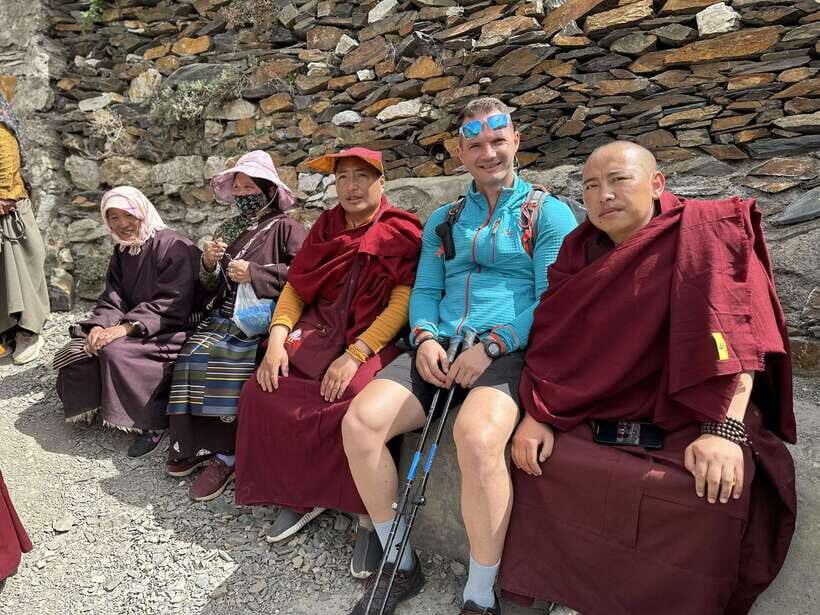
The packing list is clear, but altitude adds extra urgency. Bring:
- Passport
- Comfortable shoes
- Warm clothing and hat
- Camera (if allowed for your situation)
- Snacks, sunscreen, water
Also, follow the behavioral rules: no alcohol or drugs, and don’t litter. In places like these, small actions feel loud.
Now the important Tibet-specific restriction: you are strictly forbidden to carry items such as photos, books, CDs, DVDs, or digital devices related to the Dalai Lama or other Tibetan leaders, and you’re prohibited from sharing or posting content about the Dalai Lama on social media platforms like Facebook, Twitter, or YouTube. If you rely on your phone for travel apps, you’re probably fine—but you should keep content and files carefully controlled and follow your guide’s instructions.
Finally, cash matters. ATMs may not be available, so carry money for personal expenses.
Accommodation and comfort: basic nights are part of the deal
Expect levels to change as you move across Nepal and Tibet.
- Kathmandu: 3-star hotel with breakfast.
- Tibet: nine nights total, with six nights in 3-star hotels and three nights in shared guest houses (at Mansarovar, Darchen, and Zutulpuk).
The trade-off is simple: you’re paying for being able to reach remote pilgrimage sites on a set schedule. One review-style note from a real group experience: they were satisfied despite basic rooms given the remoteness, but they found Zutulpuk lodging poor. That doesn’t mean the tour is bad. It means you should mentally pack for “functional comfort,” not hotel luxury.
If you want to improve comfort during the trek period, ask about whether staying in Darchen instead of a lower-comfort night is possible through the operator’s options (that suggestion came up from a group who felt Zutulpuk was tough).
Who should book this Kailash Mansarovar Yatra, and who should skip it
This itinerary is best for travelers who:
- Want a Kora-centered pilgrimage, not a comfort-first sightseeing trip
- Have decent fitness for high-altitude trekking and pass-day effort
- Prefer a small group (limited to 10 participants) and English guidance
- Value structured acclimatization days rather than winging it
It’s not suitable if you’re:
- Under 10 years old
- Pregnant
- Dealing with back problems or heart problems
- Using a wheelchair
If you’re on the fence, the most important question is your tolerance for altitude and cold, plus your willingness to accept basic guest house conditions for a few nights. If both are a yes, this trip can feel deeply meaningful.
Should you book the Kathmandu Kailash Mansarovar Yatra Tour 2025?
I’d book it if you want a serious spiritual journey with real trekking—especially if you’re motivated by the Kora and you’re comfortable with basic accommodations in remote areas. I’d also book it if you appreciate strong coordination: private transport in Nepal, permits and a guide in Tibet, and a small-group setup that keeps things manageable.
I’d reconsider if you need guaranteed comfort, if you can’t handle high-altitude trekking, or if you’re counting on perfect weather and smooth roads. Add schedule buffer, carry cash, pack warm, and treat this as a pilgrimage with logistics—not a vacation with optional sightseeing.