REVIEW · KATHMANDU
Kathmandu, Pokhara and Chitwan 8 Nights 9 Days Tour
Book on Viator →Operated by Attractive Travels and Tours Pvt. Ltd. · Bookable on Viator
Temples, jungle, and sunrise views in one run. What makes this tour work is how tightly it’s organized—my favorite part was the way Mahesh handled planning and confirmations, with everything staying on track after arrival. On the sightseeing side, Swayambhunath (Monkey Temple) delivers that classic Kathmandu feel fast: you climb into the action, then get the wide-city view.
I also like the practical comfort built into the days. You travel in an air-conditioned vehicle and you get a professional guide for the full route, which matters when you’re moving between major religious sites and Nepal’s smaller historic squares. One consideration: the visa for Nepal and monument entry fees aren’t included, so bring extra budget for tickets once you’re on the ground.
In This Review
- Key highlights you’ll actually feel
- A fast mix of Kathmandu temples, jungle, and Pokhara sunrise
- Kathmandu day 1: Monkey Temple, Patan squares, and three different faith vibes
- Kathmandu day 2: Bhaktapur’s old-square feel and Nagarkot’s morning altitude
- Chitwan National Park: a lodge base and a full jungle day
- Pokhara days: Sarangkot sunrise plus a slow afternoon by the lake
- Day 8 back to Kathmandu: one last night before you head out
- Price and logistics: what you’re paying for, and what costs extra
- Guides and organization: the difference between a trip and a trip that runs well
- Who should book this tour
- Should you book this Kathmandu–Pokhara–Chitwan tour?
- FAQ
- What is included in the Kathmandu, Pokhara and Chitwan tour price?
- What is not included?
- Do I need to pay for monument and attraction tickets?
- Does the tour offer pickup and a private group setup?
- Is the tour guided?
- Can I cancel for a full refund?
Key highlights you’ll actually feel
- Mahesh’s smooth planning before you even arrive, which helps the first day feel calm instead of chaotic
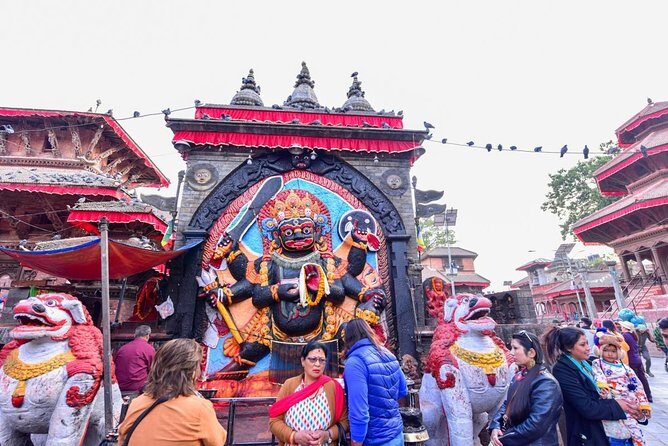
- UNESCO-level stops like Pashupatinath and Boudhanath, with time to look and not just pose
- Classic Kathmandu-to-Pokhara pacing that mixes big sights with viewpoints, not long, exhausting trekking days
- Chitwan National Park with a full jungle day, based from your lodge/hotel stay
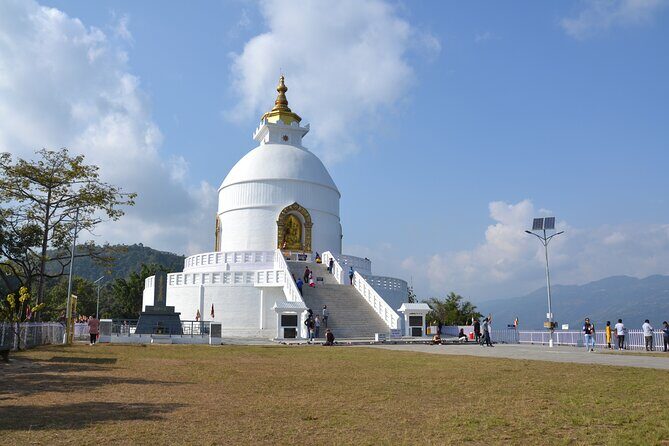
- Sarangkot sunrise plus Peace Temple stupa views over the valley and Himalaya directions
- Guides named in real-world feedback including Prakash Aryal and Nara, plus coordination support from Mahesh
A fast mix of Kathmandu temples, jungle, and Pokhara sunrise
This is the kind of Nepal trip you choose when you want variety without getting crushed by logistics. In nine days, you’ll cover three of the country’s most popular regions: Kathmandu’s temples and old squares, Chitwan’s wildlife world, and Pokhara’s lake-and-view country.
The best part is the balance. You get major religious and cultural sites early on, then you shift into nature with fewer speeches and more taking in what’s around you. That rhythm keeps the days from feeling like a blur of checkpoints.
You can also read our reviews of more tours and experiences in Kathmandu.



Kathmandu day 1: Monkey Temple, Patan squares, and three different faith vibes
Day 1 starts with an easy win: arrival in Kathmandu and transfer to your hotel. After that, you dive into a tight cluster of stops that show how Nepal’s religious life overlaps with daily streets.
Swayambhunath (Monkey Temple) is the perfect opener. You’ll climb 365 steps to reach the top, with small shrines and souvenir shops along the way, plus monkeys that may get a bit bold once you’re close. The view is the payoff: Kathmandu spreads out beneath you, and you’ll also see the gold-plated thunderbolt (Vajra) and the stupa dome forms that make this site instantly recognizable.
Then you head to Patan Durbar Square in Lalitpur (sometimes called the Malla-era courtyard zone). This area is all about Newari architecture and the feel of an older city fabric. Expect multiple courtyards—Sundari Chowk, Mul Chowk, and Keshav Narayan Chowk—and lots of stonework and statues. One practical note: the monument area entry fee isn’t included in this tour, so that’s extra cash to plan for.
From there, your route continues into Golden Temple (Hiranya Varna Mahavihar). This is a 12th-century, pagoda-style temple with bronze statues plus silver and gold decorations. The golden image of Lord Buddha and a large prayer wheel on upper levels are the kind of details you’ll enjoy if you slow down and look rather than rush for photos.
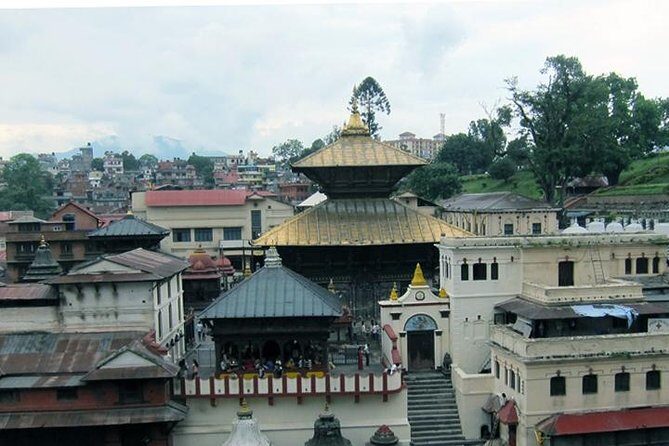
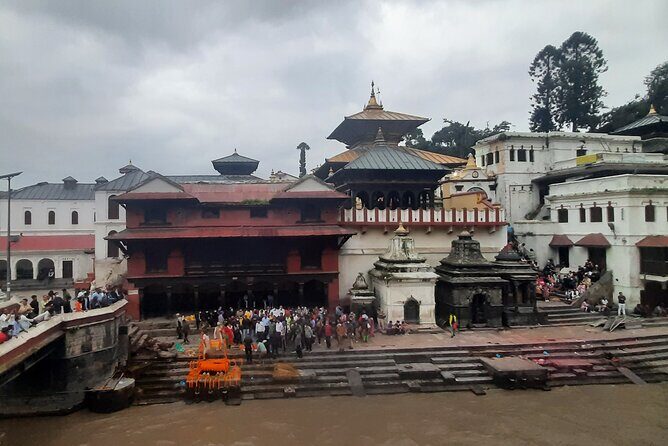
Next is Pashupatinath Temple, one of Nepal’s biggest temple complexes. You’re dealing with a UNESCO World Heritage site, and the scale is part of what hits you—more than 500 temples and shrines in the complex, focused on Lord Shiva. The main structure includes wood carvings and gold-covered layered roofs, plus the famous bull statue facing the entrance. If you’re the type who likes context, your guide can help you make sense of why the site matters beyond its visual drama.
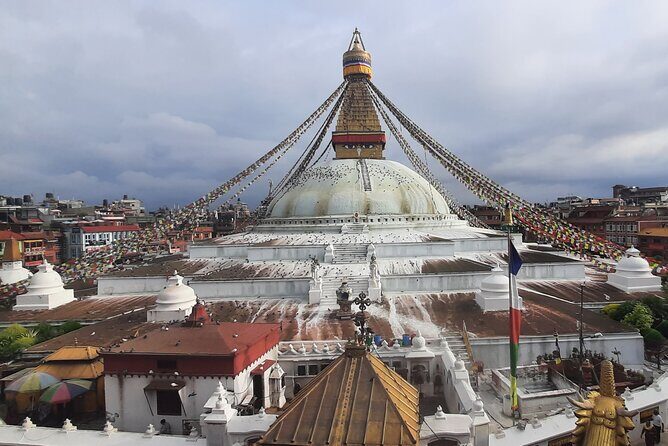
Finally, you close the day with Boudhanath Stupa. This is one of Nepal’s most important Buddhist pilgrimage sites, with a dome about 36 meters tall and many smaller gompas around it. When you enter, prayer flags flutter and incense scent hangs in the air. If you time it near prayer, the chimes and sounds add an extra layer to the visit.
Kathmandu day 2: Bhaktapur’s old-square feel and Nagarkot’s morning altitude
This is a day that feels different from day 1 because it leans into slower walking and viewpoint time.
You start with an early drive to Nagarkot for a morning experience. The tour schedules this as a free admission stop, and it’s a great chance to get your eyes adjusted to Nepal’s “height” before you shift into smaller historic streets in Bhaktapur. Even if clouds move in, the morning rhythm still makes sense here.
Then you head to Bhaktapur Durbar Square in Bhaktapur city, which many people describe as the City of Devotees. What you’ll enjoy is the density of old details: preserved buildings, Newari community life, and the big monuments clustered around Royal Square areas. You’ll get the chance to see ornamental gates, pillars with statues of kings, and signature temple architecture like the 55-window palace reference points. Yes, this is a more cultural day than a photo-stunt day—plan to take your time.
Two Bhaktapur stops make this feel specific:
- Nyatapola Temple, a five-tier pagoda-style structure rising a bit over 30 meters. You’ll reach it by climbing steps up a platform, and statues line both sides of the approach.
- Dattatreya Temple, tied to a story about being made from a single tree stem. Instead of the common three-headed human depiction, the site shows three idols—Brahma, Vishnu, and Shiva—plus a large tree behind them.
Chitwan National Park: a lodge base and a full jungle day
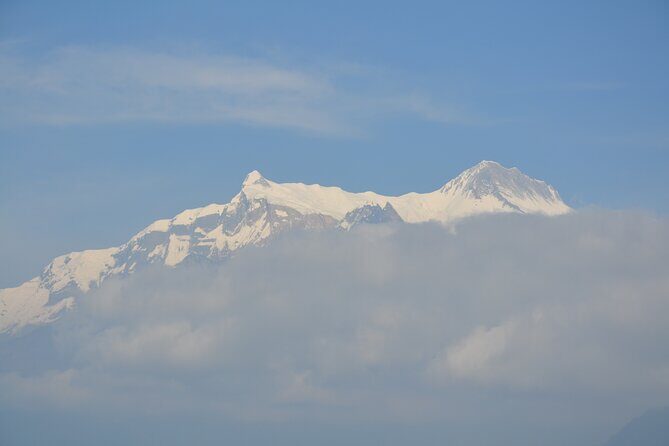
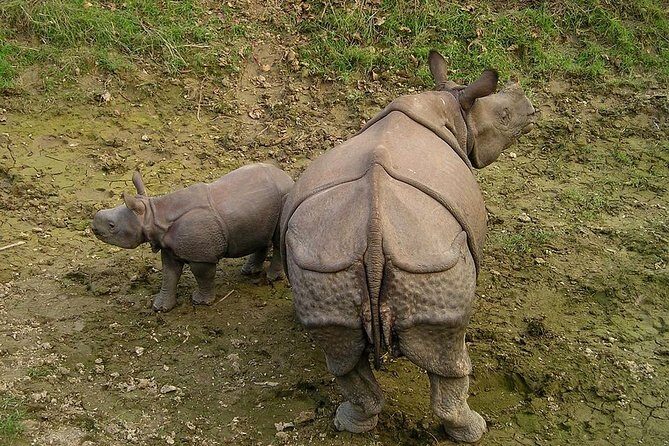
Chitwan is your shift from city stones to animal-country time. You’ll drive to Chitwan National Park and overnight at your lodge/hotel, then come back for a full-day jungle excursion.
What I like about this setup is that it gives you a complete day in the park rather than forcing a rushed half-block look. With a full day, you’re more likely to experience the real rhythm of wildlife watching: waiting, scanning, and reacting when something appears.
Also, this tour keeps Chitwan simple. You’re not asked to do hardcore trekking, and you’re not moving every few hours. That means you can actually rest between wildlife time and dinner, which is a big deal when weather and walking pace can change fast.
Pokhara days: Sarangkot sunrise plus a slow afternoon by the lake
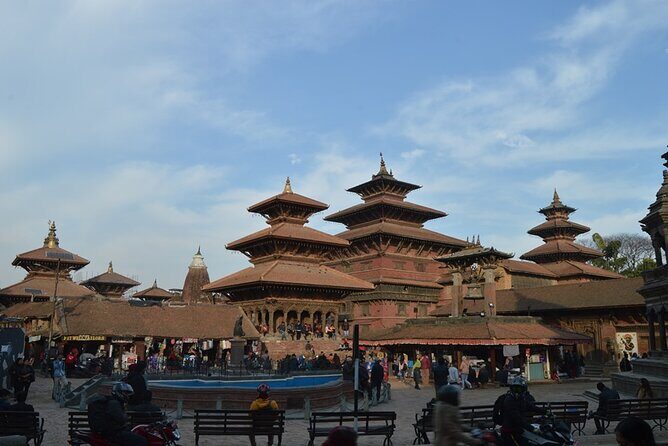
Pokhara is where Nepal’s pace loosens up. After breakfast, you drive to Pokhara and overnight at your lodge/hotel, which is the right kind of transition—different scenery, different light.
The star morning is Sarangkot sunrise. You’ll head out early for sunrise on the hill near Pokhara city, and this is one of those experiences where timing matters. When visibility is good, the view can feel like a reward for the early start. When clouds happen, you’re still out in the cooler air with time to absorb the valley atmosphere.
After that, you go to Peace Temple (a stupa) higher on the hill. The purpose here is simple: Pokhara city views plus Himalaya-direction views. If you love viewpoint stops, this one hits the sweet spot because it doesn’t demand museum-style attention—it’s built for looking.
Next comes Gupteswar Gupha, a cave visit, plus Devi’s waterfall. The itinerary keeps this as a relatively light activity block, which helps if you’re not trying to fit in strenuous hiking every day.
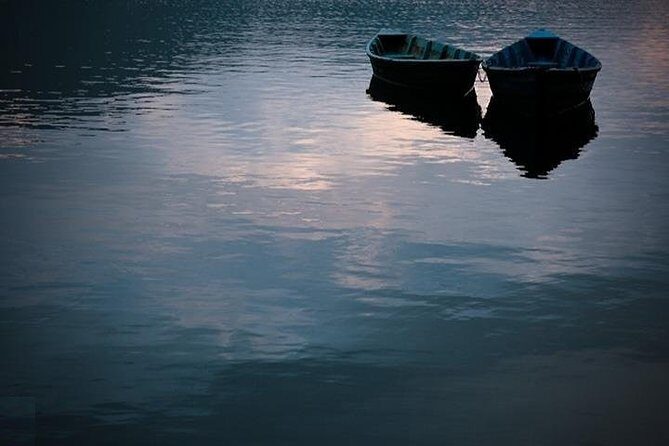
Then you wrap the day at Phewa Tal (Phewa Lake). This is a classic Pokhara setting. You’ll visit the lake and can make time around Talbarahi Temple, located in the middle of the lake. It’s the kind of place where you feel the calm even if you’ve been on the go since Kathmandu.





Day 8 back to Kathmandu: one last night before you head out
After Pokhara, you drive back to Kathmandu and overnight at your lodge/hotel. This is useful because it lets you do departure logistics without feeling rushed right after a day of views.
If you’ve been collecting souvenirs along the way—wood carvings, small religious objects, or practical travel items—this is the day when you’re most likely to have time to sort them out. You’ll also be close to your airport departure path for Day 9.
Price and logistics: what you’re paying for, and what costs extra
This tour is priced at $890 per person for the 9-day run. For that price, you’re not just buying sightseeing. You’re paying for a full guided structure: professional guiding, an air-conditioned vehicle, government and local taxes, and the package documentation and trip completion certificate.
What’s especially good value here is the way the included services reduce stress. When you’re jumping between major sites like Pashupatinath and Boudhanath, plus driving to Chitwan and then Pokhara, having transportation and a guide already sorted is what keeps the trip from turning into “we’ll figure it out.”
Still, plan for extras:
- Nepal visa is not included.
- Entrance fees for monuments/attractions are not included.
- Personal spending like bar bills or laundry isn’t included.
In other words, the headline price covers the engine of the trip—guides, vehicle, taxes, and the planned route. But the ticketed parts of the sites are on you.
Guides and organization: the difference between a trip and a trip that runs well
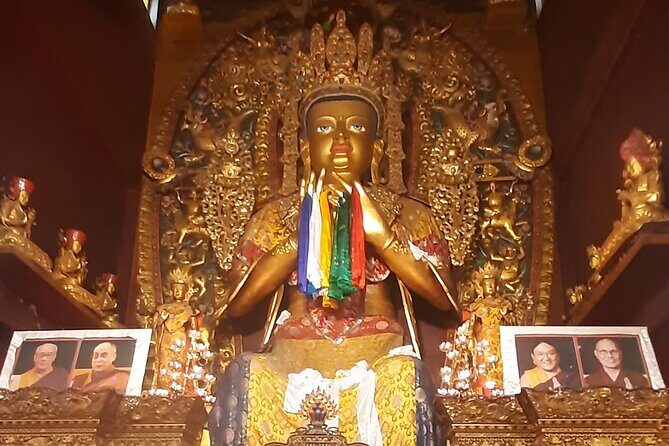
One reason this tour earns strong marks is coordination quality. I like tours where the first touch feels organized, and this one leans that way. In real-life feedback, Mahesh is praised as responsive and organized during planning.
On the guiding side, names like Prakash Aryal and Nara show up in feedback as excellent guides. That matters because you’ll be in multiple religious contexts—Hindu temples like Pashupatinath and Buddhist sites like Boudhanath—where context changes how you experience the place.
A pro guide also helps you manage the pace. You’ll be moving between big “must-see” stops, but your time isn’t just thrown at you. You can ask questions, get cultural context, and adjust your photo plans without losing the day.
Who should book this tour
This itinerary fits best if you want:
- A culture plus nature mix without heavy trekking commitments
- A guided route across three regions without needing to hire separate guides for each one
- Comfortable travel days supported by an air-conditioned vehicle
- Major temple and UNESCO-style sightseeing plus Pokhara viewpoints and a full Chitwan day
It’s also a good match if you like structure. This tour is private for your group, so you’re not sharing time with strangers, but you still get the framework that group tours offer.
Should you book this Kathmandu–Pokhara–Chitwan tour?
I think this is a smart pick if you want Nepal’s best-known highlights in one clean package, and you value guided context. You’ll see iconic sites like Swayambhunath, Pashupatinath, and Boudhanath, then switch to Chitwan National Park for real nature time, then end with the Sarangkot sunrise and lake views in Pokhara.
Don’t book it last-minute expecting everything to be included. Budget extra for the visa and monument entrance fees, and plan for early mornings (especially Sarangkot). If that fits your style, this tour offers solid value: the price covers the big moving parts, and the sights hit the main emotional beats of Nepal—spiritual awe, wildlife-country patience, and valley views that make you pause.
FAQ
What is included in the Kathmandu, Pokhara and Chitwan tour price?
The package includes dinner, a professional guide (plus an assistant guide for groups of more than 10 pax), all government and local taxes, necessary documents, an air-conditioned vehicle, a trip completion certificate, and breakfast for 9 days.
What is not included?
Not included are the Nepal visa, entry fees in monument areas, entrance fees for all monuments, and personal expenses like bar bills and laundry service during the tour.
Do I need to pay for monument and attraction tickets?
Yes. Entrance fees for monuments/attractions are listed as not included, so you should plan to pay those during the tour at the relevant stops.
Does the tour offer pickup and a private group setup?
Pickup is offered, and this is described as a private tour/activity where only your group participates.
Is the tour guided?
Yes. You’ll have a professional guide throughout, and an assistant guide is included for groups larger than 10 people.
Can I cancel for a full refund?
Yes. You can cancel up to 24 hours in advance for a full refund. If you cancel less than 24 hours before the start time, the amount paid is not refunded.