REVIEW · KATHMANDU
Mt Everest Base CampTrek | Budget Package
Book on Viator →Operated by Adventure Vision Treks and Travels · Bookable on Viator
Everest starts on a budget, in motion. This is a 14-day trek in Nepal that mixes Sherpa villages, big mountain views above the tree line, and a pre-dawn climb to Kala Patthar for the classic Everest panorama. I like the strong value for the price, especially because the package includes the round-trip Lukla flights plus an English-speaking guide. One catch: the trek package covers tea-house beds, but it does not include meals, so you’ll need extra money for breakfast, lunch, and dinner along the way.
The small-group setup also matters here: the group caps at 15, and you get a preparatory session before and after arrival. I also like that pick-up and drop-off in Kathmandu are included, which saves time and hassle when you’re tired from flying.
One more reality check: you still need solid physical fitness. This is a high-altitude trek (including days up around 5,000m+), and moving carefully matters more than speed.
In This Review
- Key Highlights You’ll Actually Feel on the Trail
- Why a $400 Everest Base Camp Trek Can Still Be Worth It
- Kathmandu Arrival and the Quiet Work of Getting Ready (Day 1)
- Lukla Flight and the Down-to-Work First Hike to Phakding (Day 2)
- Phakding to Namche Bazaar: the Trail Builds and the View Gets Bigger (Day 3)
- Namche Acclimatization Day: Why You Spend Time at 3,440m (Day 4)
- Tengboche to Dingboche: Where Temples and High Valleys Meet (Days 5–6)
- Dingboche Acclimatization Day: the Second Time You Really Should Slow Down (Day 7)
- Lobuche: When the Trek Starts Living in Thin Air (Day 8)
- Gorak Shep and Everest Base Camp: two different kinds of achievement (Day 9)
- Kala Patthar to Pheriche: the big sunrise payoff and then a long ride downward (Day 10)
- The Return: Pheriche to Namche, then Namche to Lukla (Days 11–12)
- Fly Back to Kathmandu: finishing Everest without rushing (Day 13–14)
- Guides and Group Size: where the budget really matters (and where it doesn’t)
- Tea Houses, Comfort, and What Budget Really Buys Here
- Money, Gear, and the Non-Optional Costs of Going High
- Who This Trek Fits Best (and who should rethink it)
- Should You Book This Mt Everest Base Camp Trek | Budget Package?
- FAQ
- What’s included in this Everest Base Camp budget trek package?
- Are meals included (breakfast, lunch, dinner)?
- Does the price include international airfare and visa?
- Do I need trekking equipment, or is it provided?
- Are flights from Kathmandu to Lukla included?
- How long is the trek?
- What’s the maximum group size?
- Is there an acclimatization day on the route?
- What’s the cancellation rule if weather affects the trek?
Key Highlights You’ll Actually Feel on the Trail
- Kala Patthar at sunrise hours: a pre-dawn push for wide views of Everest, the south Col, Nuptse, and glaciers.
- Lukla flights included: Kathmandu to Lukla and back are part of the package, which keeps things simpler.
- Tea-house comfort, budget style: 10 nights in tea houses make the trip workable without climbing-level expenses.
- Built-in acclimatization days: Namche and Dingboche include rest days to help your body handle altitude.
- Small group up to 15: easier logistics than mega-tours, and more personal attention from your guide.
- Guides with real people energy: in past trips, coordinators and guides like Jiban, Tony, and Tika were called out for being responsive and helpful.
Why a $400 Everest Base Camp Trek Can Still Be Worth It
Let’s talk value first, because the price is the whole hook. For about $400, you’re getting the core backbone of the classic Everest route: Lukla flights (round-trip), English-speaking guide support, 10 nights of tea-house lodging, and in-country transport with taxes handled. That’s the difference between a budget trek that’s actually executable and one that turns into a constant add-on machine.
Where the value shows up is in what the package removes. Flights to Lukla are not cheap, and they’re the big gatekeeper for this region. Having pick-up and drop-off also helps, because Kathmandu can be chaotic if you’re trying to coordinate everything after landing.
The trade-off is also clear: meals are not included, and trekking gear is not included either. So you’re not getting a full board, ready-to-go setup—you’re getting a plan, beds, and guidance, and then you budget for daily food and your own equipment.
You can also read our reviews of more tours and experiences in Kathmandu.



Kathmandu Arrival and the Quiet Work of Getting Ready (Day 1)
Your trip starts with arrival in Kathmandu. This matters more than people think, because your first day is not about Everest yet—it’s about setting up correctly.
With a preparatory session included before and after arrival, you’ll get a reality check on trekking basics, how altitude behaves, and what to expect from the early flight day. That kind of front-loaded clarity helps you avoid the common mistakes: starting too fast, forgetting cash for small purchases, or underestimating how quickly your body tires at altitude.
If you’re the kind of traveler who likes a clean start—passport details ready, questions answered, and a plan that doesn’t rely on guessing—this setup fits well.
Lukla Flight and the Down-to-Work First Hike to Phakding (Day 2)
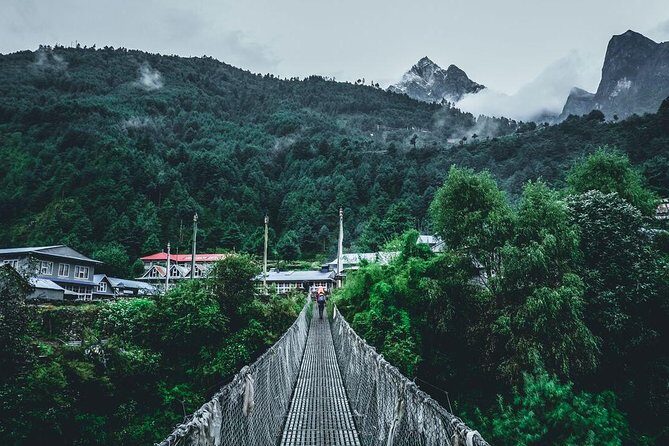
On day 2, you fly from Kathmandu to Lukla, then trek to Phakding. The route is described as about 8 km and roughly 3–4 hours, which is a smart length for your first real altitude day.
Why this first hike is valuable: you get to feel the rhythm. Early on, the goal is not hero photos. It’s learning how to move when air feels thinner, and how your legs react after walking on uneven Himalayan trail.
Also, a Lukla flight day sets expectations for the trek. You’ll see how weather can affect timing in the Everest region, so keeping your schedule flexible (and your attitude calm) is key.
Phakding to Namche Bazaar: the Trail Builds and the View Gets Bigger (Day 3)
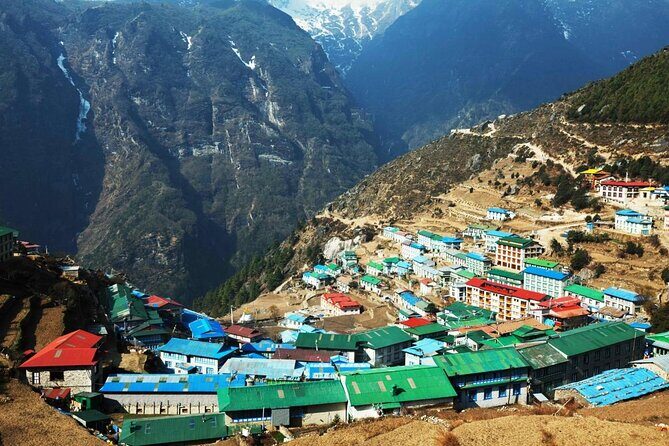
Day 3 hikes from Phakding to Namche Bazaar (about 11 km, 5–6 hours). Namche is where the trip starts to feel like the real Khumbu experience: thicker Sherpa village culture, more trekkers, and the practical services you need as altitude climbs.
This is also one of the first days where your body will ask questions. Even when the route isn’t extremely long, elevation changes can slow your pace. Going slower than you want is often the right move here.
I like this section because it’s long enough to feel like you’re progressing, but not so punishing that you’re totally spent before the acclimatization day.
Namche Acclimatization Day: Why You Spend Time at 3,440m (Day 4)
Day 4 is an acclimatization day in Namche Bazaar. You stay around the 3,440m range for a reason: altitude doesn’t care that you booked a tour. Giving your body time to adjust is how you reduce the risk of feeling awful later.
This pause is one of the biggest quality markers in the whole trek design. Many people rush because they’re excited. A proper acclimatization day turns that excitement into survival.
Think of this day as your tool day: you test your hydration habits, learn how your breathing changes, and figure out how to eat when you don’t feel hungry.





Tengboche to Dingboche: Where Temples and High Valleys Meet (Days 5–6)
Day 5 goes from Namche Bazaar to Tengboche (about 10 km, 5–6 hours). Tengboche is known for its gompa stop on your route, and the scenery in this zone is often the payoff: big views start to feel close, and the trail feels more “Everest” than “hiking.”
Day 6 continues to Dingboche (about 9 km, 5–6 hours). This is another steep-feeling step upward (Dingboche is listed around 4,360m). As you gain altitude, you’ll notice the cold, the dryness, and the way breath becomes more effortful.
A practical tip: plan to treat these days like steady building blocks. Don’t chase a faster pace just because the day length seems manageable. Your body is doing calculations behind the scenes.
Dingboche Acclimatization Day: the Second Time You Really Should Slow Down (Day 7)
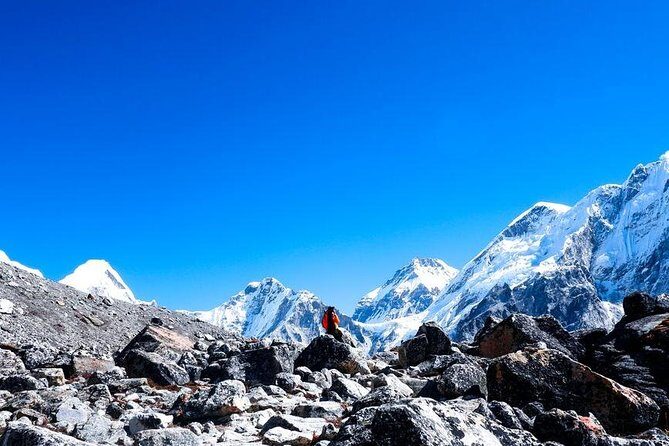
Another acclimatization day hits in Dingboche. This is where the trek starts to feel serious. Past a certain elevation, altitude sickness risk goes up, and acclimatization becomes less about comfort and more about risk management.
If you follow your guide’s pacing, this day can make the later days feel more doable. If you rush because you feel okay, later days can punish you.
This is one place where a good guide earns their keep—keeping you calm, moving you at the right speed, and making sure you drink and eat enough to keep going.
Lobuche: When the Trek Starts Living in Thin Air (Day 8)
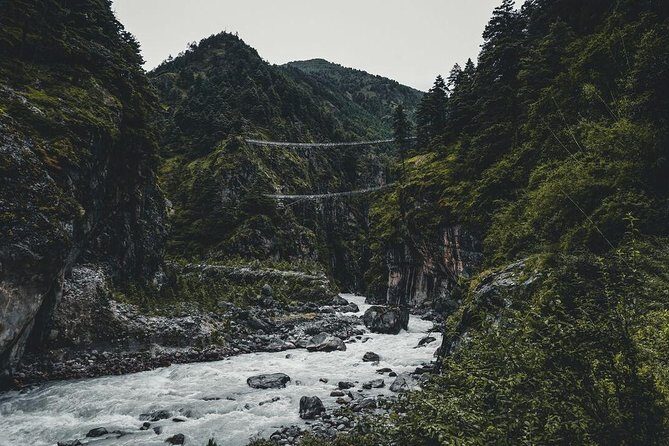
Day 8 takes you to Lobuche (about 7 km, 5–6 hours). The elevation jumps higher (listed around 4,940m). This is where the trek shifts from steady climbing to a more exposed, high-altitude rhythm.
Even if the hiking hours aren’t the longest, you’ll likely feel it more. Cold temperatures and lower oxygen change how “easy” feels.
This is also the point where packing for cold matters. If you’re under-layered, the trail becomes tiring fast.
Gorak Shep and Everest Base Camp: two different kinds of achievement (Day 9)
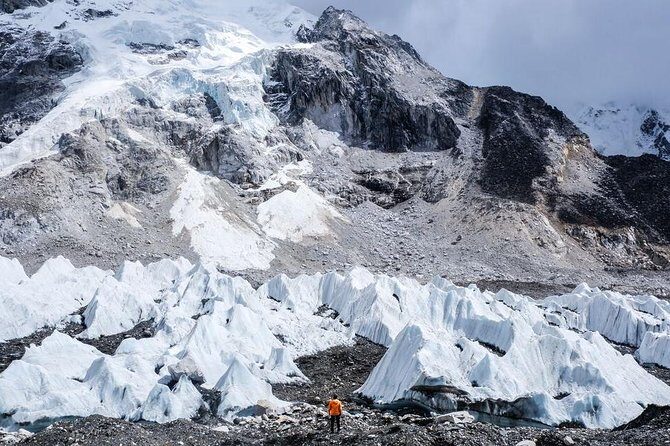
Day 9 moves to Gorak Shep, then includes the visit to Everest Base Camp II (2) at altitude (base camp listed around 5,364m and Gorak Shep around 5,170m). The day is described as about 13 km and 6–7 hours, which is a full day given the altitude.
Here’s the reality: at these elevations, even short distances can take real time. The effort feels different than a “normal hike,” because the oxygen is the limiting factor.
The base camp experience is also a shift emotionally. You’re not just walking through scenery; you’re reaching a world-famous destination that’s surrounded by routes, history, and the constant activity of mountain operations. Even on a budget trek, this is the moment that feels like the point of everything.
Kala Patthar to Pheriche: the big sunrise payoff and then a long ride downward (Day 10)
Day 10 includes the Kala Patthar climb (listed around 5,545m), then continues to Pheriche (around 4,288m). It’s described as about 16 km and 7–8 hours, so it’s long, and it includes one of the hardest segments because you’re climbing for views at very high elevation.
Why Kala Patthar matters: your pre-dawn push is designed to deliver the grand view of Everest, south Col, Nuptse, and the lower glaciers. This is the classic photo moment, but it’s also a big test day. You’ll want slow steps, steady breathing, and a willingness to pause when needed.
After sunrise, you start descending. Descents can feel “easier” in oxygen terms but can still batter your legs. Bring your best trekking habits—short steps, controlled pace, and focus on footing.
The Return: Pheriche to Namche, then Namche to Lukla (Days 11–12)
Day 11 goes back to Namche Bazaar (about 20 km, 6–7 hours). That’s a long day length, even though you’re lowering in altitude. On the return leg, your legs may feel more tired than on ascent days, because you’re now dealing with cumulative fatigue.
Day 12 continues to Lukla (about 19 km, 6–7 hours). This leg is about getting back to the flight window and closing the loop. Your body will still care about altitude history, even when you’re descending.
One thing I like about this return structure: it’s not sudden. You get time at Namche, then you walk back toward Lukla with a plan that respects how sore feet become.
Fly Back to Kathmandu: finishing Everest without rushing (Day 13–14)
You fly from Lukla back to Kathmandu on day 13, then handle final departure on day 14. This is when you’ll appreciate the earlier planning. The flight is the transition point between the quiet routine of trekking and the louder city world.
If you feel drained, that’s normal. High altitude changes your sleep, your appetite, and your energy level for a bit after you’re back down.
Guides and Group Size: where the budget really matters (and where it doesn’t)
Adventure Vision Treks and Travels runs the trip with an English-speaking trekking guide, and the group cap is 15 travelers. That matters because it keeps the pace and decision-making practical—your day isn’t controlled by a crowd.
In feedback from past guests, coordinator Jiban stood out as responsive and on top of needs. Guides Tony and Tika were repeatedly praised for being patient, knowledgeable, and helpful with trekking guidance.
Even without details of every moment, those names matter because they suggest real staff presence, not a handoff. On Everest routes, you need people who can keep you moving safely and help you make smart choices when you’re tired.
Tea Houses, Comfort, and What Budget Really Buys Here
The package includes 10 night tea-house accommodation. That means you’re sleeping in a basic lodge setup along the route, typically with shared dining areas and simple rooms. This isn’t luxury, but it’s the right budget model for this region.
Meals are not included, so you’ll be buying breakfast, lunch, and dinner on your own. You should plan for that financially and logistically. Also, drinks and beverages aren’t included, which is a big deal in cold weather when you actually want warm drinks.
Tea-house dinners can be part of the experience, but the practical side is this: you’ll likely eat what’s available nearby, and you’ll want to keep hydration up even when you’re not feeling super hungry.
Money, Gear, and the Non-Optional Costs of Going High
Here’s what’s included: round-trip Lukla flights, 10 nights tea house stays, private pick-up and drop-off, English-speaking trekking guide, certificates, a medical kit, and government/local taxes. You also get a preparatory session before and after arrival.
Here’s what’s not included: visa cost, international airfare, insurance cost, trekking equipment, extra porter or equipment costs, personal expenses, tips, shopping, and no meals (breakfast, lunch, dinner not included). Drinks are also not included.
So when you compare value, don’t just look at the $400. Add what you’ll likely spend on food, possible gear rental or purchase, and travel insurance. This trek can still be a bargain, but only if you plan for the missing pieces.
Who This Trek Fits Best (and who should rethink it)
This is a good fit if you want the classic Everest Base Camp experience without paying for a high-end expedition. It works well for travelers with moderate physical fitness and a realistic pace.
It’s also a fit if you like structure: flights handled, lodging covered, and acclimatization days built in. If you prefer total independence—planning every meal, booking every lodge yourself—this may feel too packaged.
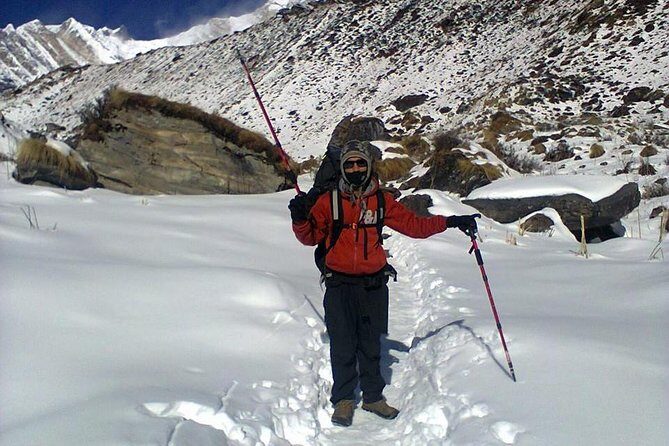
If you’re very sensitive to cold, don’t like long hiking days, or have limited flexibility, you may want a different style of package or more support in advance. The itinerary includes high altitude, long walking days, and a demanding summit-view morning.
Should You Book This Mt Everest Base Camp Trek | Budget Package?
I’d book it if you want the core Everest Base Camp route at a price that’s actually reachable, and you’re comfortable budgeting for meals and your own trekking gear. The inclusion of Lukla flights, tea-house beds, and an English-speaking guide makes it a solid deal, not just a marketing number.
I’d hesitate if you hate paying extra at the last mile. Since meals, insurance, visa, and equipment are not included, your final cost depends on your choices and readiness. Also be honest about fitness: the high-altitude section is not a casual walk.
If you’re organized, patient, and ready for the cold hours and slow steps, this budget trek can deliver the real Everest feeling—Temples, Sherpa villages, base camp energy, and that pre-dawn Kala Patthar moment that people plan their whole trip around.
FAQ
What’s included in this Everest Base Camp budget trek package?
It includes 10 night tea house accommodation, round trip flights Kathmandu–Lukla–Kathmandu, private transportation pick up and drop, an English speaking trekking guide, certificates, a medical kit, government and local taxes, and preparatory sessions before and after arrival.
Are meals included (breakfast, lunch, dinner)?
No. Breakfast, lunch, and dinner are not included, and drinks and beverages cost are also not included.
Does the price include international airfare and visa?
No. Visa cost and international airfare are not included.
Do I need trekking equipment, or is it provided?
Trekking equipment is not included, and additional porter or equipment cost is also not included.
Are flights from Kathmandu to Lukla included?
Yes. Round trip flight KTM–Lukla–KTM is included.
How long is the trek?
The duration is listed as approximately 14 days.
What’s the maximum group size?
The maximum is 15 travelers.
Is there an acclimatization day on the route?
Yes. Acclimatization days are scheduled in Namche Bazaar and in Dingboche.
What’s the cancellation rule if weather affects the trek?
You can cancel up to 24 hours in advance for a full refund. The experience requires good weather; if it’s canceled due to poor weather, you’ll be offered a different date or a full refund.