REVIEW · KATHMANDU
Everest Base Camp Trek
Book on Viator →Operated by Dream Heaven Adventure Pvt. Ltd. · Bookable on Viator
Everest Base Camp works because the trip is organized. You get the big goal, plus monastery visits, Sherpa villages, and the patience-building altitudes that make the whole thing feel doable. This is a 14-day trek out of Kathmandu, with flights to Lukla and a guide-led route through the Khumbu.
I love that so much is already handled: airport transfer, entrance and national park fees, and even trekking equipment are included. I also like the mix of big vistas and human scale moments, like Namche Bazaar’s Sherpa hub vibe and the quieter spiritual stops at Tengboche and Pangboche.
The main consideration is the weather and altitude. Your plan depends on favorable conditions, and you’ll still be walking at altitude even on easier days.
In This Review
- Key things I’d plan around
- Everest Base Camp Trek: What You’re Really Signing Up For
- Price and Value: What the $1,650 Covers (and Why It Matters)
- Day-by-Day: How the Trek Moves from Kathmandu to Everest’s Doorstep
- Day 1: Arrive, Meet Your Team, Sleep Like a Tourist (It Helps)
- Day 2: The Lukla Flight and Your First Real Walk into the Khumbu
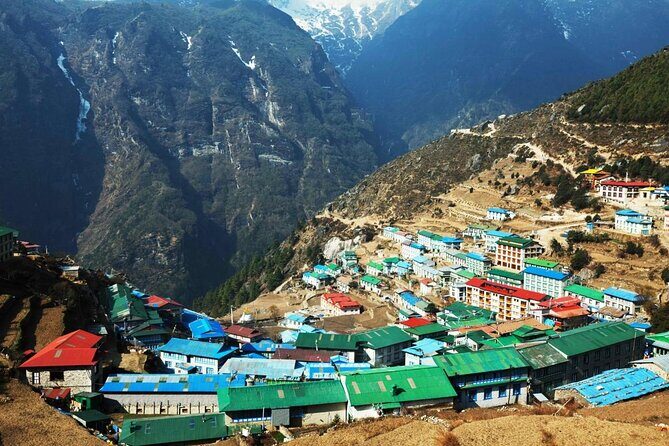
- Day 3: Namche Bazaar, Sherpa Town Energy, and Big Peaks Appearing
- Day 4: Time to Adjust, Then Khumjung for Views and Village Life
- Day 5: Tengboche Gompa, the Spiritual Stop with the Heavy View
- Day 6: Dingboche, Summer Valley Thinking, and an Acclimatization Pace
- Day 7: Dingboche Rest with an Optional Lift Toward Chukhung
- Day 8: Lobuche, Yak Country Energy, and Glacier Views
- Day 9: Gorakshep, the Long Final Approach to Base Camp, and the Tent-Town Reality
- Day 10: Kalapathar (5,550 m) for Everest’s Best Angle, Then Down Toward Pheriche
- Day 11: Pangboche and the Old Monastery Lore, Then Back Toward Namche
- Day 12: Lukla Return, Full Circle Finish, and Last Mountain Light
- Day 13: Fly Back to Kathmandu and Get a Cultural Dinner
- Day 14: Depart
- The Trek’s Biggest Wins: Views, Monasteries, and the Way It’s Paced
- What’s Included vs What You Still Need to Sort
- Who This Trek Fits Best (and Who Might Re-think It)
- Should You Book Dream Heaven Adventure for Everest Base Camp?
- FAQ
- What is the starting point and time for this trek?
- How long is the Everest Base Camp trek?
- Are flights to Lukla included?
- What support do I get for carrying my gear?
- Is vegetarian food available?
- What kind of cancellations are accepted?
- Do I need to be a certain age or level of fitness?
Key things I’d plan around
- Lukla flights are round-trip and built in, so you’re not juggling schedule chaos.
- Porter support is included (the plan is 2 trekkers to 1 porter), which helps you stay focused on the trail.
- Monasteries are part of the story, including Tengboche’s panorama views and Pangboche’s historic site tied to local lore.
- Acclimatization days matter, especially around Dingboche with optional higher treks toward Chukhung.
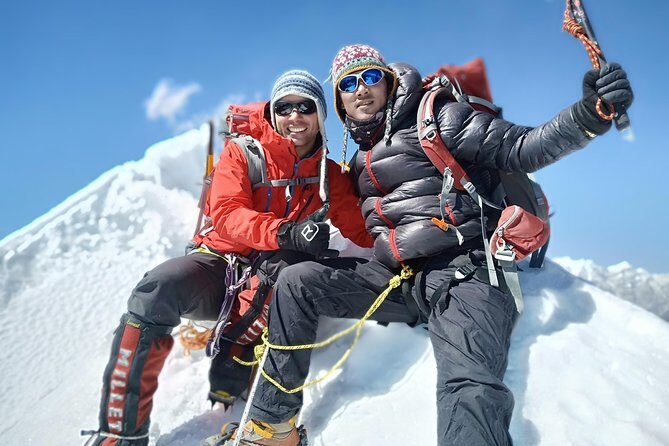
- Kalapathar is the win, with an early push to catch Everest’s summit view from about 5,550 m.
- It’s a private group, so the pace and timing can feel more tailored than big-crowd tours.
Everest Base Camp Trek: What You’re Really Signing Up For
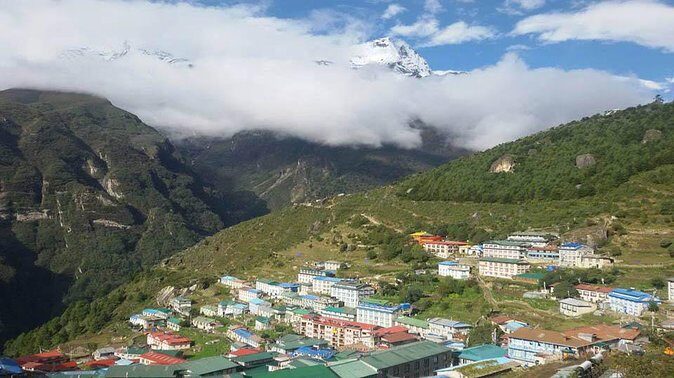
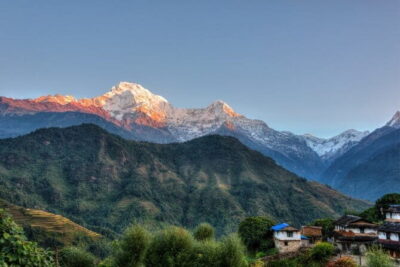
This trek is often sold as a mountain checkbox. It is also a full-on rhythm change: flights, steep stair-legs, prayer flags, teahouse-style living, and constant watching. On good days, you get wide views across the Khumbu—Everest, Lhotse, Nuptse, Ama Dablam—plus the drama of changing weather as you climb.
What makes this version feel practical is how it’s built around support. You’re not just dropped into a trail. You meet at Tribhuvan International Airport, get transfer to your hotel, and then you get a guide who can manage the day-to-day choices. In the feedback for Dream Heaven Adventure, their MD Suman gets mentioned as patient and meticulous, and guides like Shambhu and Hupa Raj are described as experienced and attentive. That matters, because Everest-region trekking has lots of small decisions: how fast to go, when to push, and what to do if conditions change.
And yes, the obvious part is Everest Base Camp. But the trek’s real payoff comes from the sequence: you don’t just arrive at Base Camp and leave. You build altitude gradually, then finish with Kalapathar for a clearer angle on Everest’s windy summit.
You can also read our reviews of more hiking tours in Kathmandu


Price and Value: What the $1,650 Covers (and Why It Matters)
At $1,650 per person for about 14 days, this trek sits in the “serious but not chaotic” range. The value isn’t just that it’s cheaper than some premium offers. It’s that the core cost drivers are included:
- Airport transfer in Kathmandu
- Round-trip flights to Lukla
- National park fees and entrance fees
- Professional guide
- Porter support (2 trekkers: 1 porter)
- 14 nights accommodation
- Meals as laid out in the itinerary (breakfasts, plus lunches and dinners where scheduled)
- Private tour setup, with private vehicle transport where it applies
That matters because Everest-region travel has hidden friction. Permits, fee payments, and logistics around Lukla can turn into a second job for you. When those are included, you can focus on trekking and acclimatization instead of spreadsheets.
One more value point: the trek claims all necessary equipment included. The listing doesn’t spell out exactly what that means, so I’d treat this as a good sign, then confirm specifics with the operator before you pack. Still, including equipment removes one of the usual headaches.
Day-by-Day: How the Trek Moves from Kathmandu to Everest’s Doorstep
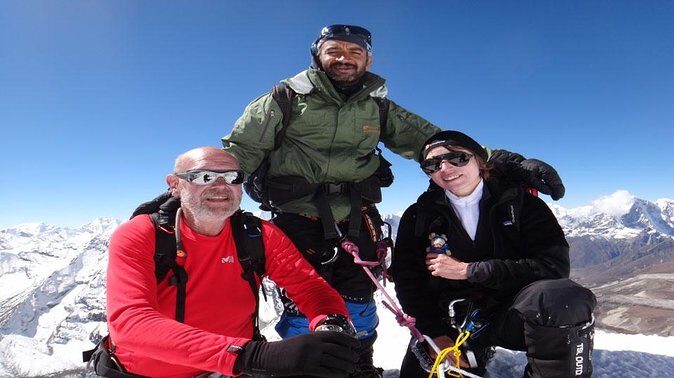
Day 1: Arrive, Meet Your Team, Sleep Like a Tourist (It Helps)
You land at Tribhuwan International Airport in Kathmandu, then you’re met for a transfer to your hotel. There’s a pre-trip gathering at the hotel where you meet your trekking guide and can ask questions about the plan and your comfort level.
This first day matters more than it looks. If you start Day 2 already tired, you lose energy you’ll need for the Lukla flight and the first walking days.
Day 2: The Lukla Flight and Your First Real Walk into the Khumbu
After breakfast, you fly about 40 minutes to Lukla in the Khumbu. Even if you’re used to flying, Lukla is a special kind of thrill: short runway, dramatic drop-offs, and mountain views that look close enough to touch from your seat.
Then you hike from Lukla to Phakding, about 3–4 hours. Along the way, you’ll pass mani stone walls—stone tablets painted with prayer-color streaks—and large sculpted boulders. This is the kind of detail that makes the trek feel more lived-in than just “walking to a destination.”
A drawback to keep in mind here: Day 2 can still feel mentally intense because you’re going from arrival-mode straight into trekking rhythm.




Day 3: Namche Bazaar, Sherpa Town Energy, and Big Peaks Appearing
Today you follow the Dudh Koshi valley and cross Sherpa villages and forests. The route is about 6 hours. You get constant view windows: Everest, Nuptse, plus other high neighbors like Kusum Kangru and Thamserku.
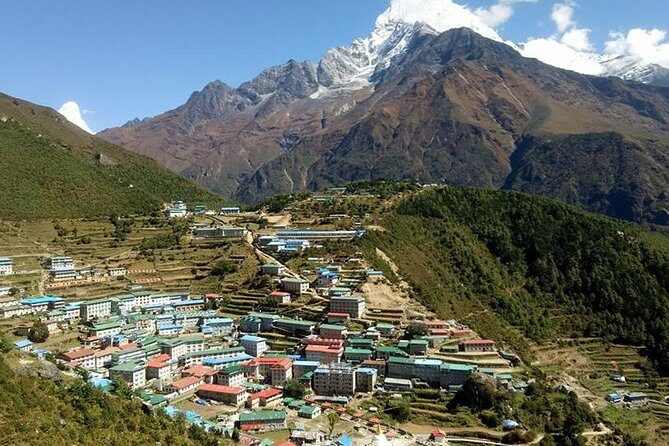
You reach Namche Bazaar, which is essentially the Sherpa capital and a key trading hub. It’s not just a village; it’s where you feel the Khumbu economy of trekking, climbing, and daily life converge. The altitude starts to feel real, but it’s also a place where you can understand what’s ahead.
Day 4: Time to Adjust, Then Khumjung for Views and Village Life
You get flexibility in Namche Bazaar and take a short hike to Khumjung. This is a good setup day: not a hard push, more of a chance to move, stretch, and get your bearings.
You’ll have a solid view lineup—Everest and Ama Dablam in particular—plus Thamserku, Nuptse, Lhotse, and the broader Kwangde range. Even if the mountains don’t look exactly the same each day, you’ll start recognizing shapes and angles, and that helps on the high days.
Day 5: Tengboche Gompa, the Spiritual Stop with the Heavy View
This is the day geared toward Tengboche Gompa, one of the most famous monasteries in the region. You’re in the right mindset for it: you’ve already settled into the altitude cycle, and the trail is feeding you stories—prayer flags, chortens, and the calm of a spiritual place perched above the valley.
You’ll get one of the standout panorama combinations from Tengboche: Everest, Lhotse, Nuptse, and Ama Dablam dominate the view. If you like your mountain experiences to include more than just weather and workout stats, this stop is a big reason to choose this trek.
Day 6: Dingboche, Summer Valley Thinking, and an Acclimatization Pace
You follow the Imja valley through rhododendron forest into Dingboche, known as the summer valley. The gradients are described as relatively mild, but you’ll still walk slowly because altitude makes everything feel heavier.
This day is about managing effort. Dingboche sits in a smaller, more protected valley, and the mountains close around you. Expect views of Ama Dablam and Lhotse as a constant background, which helps keep your mind happy during slower climbs.
Day 7: Dingboche Rest with an Optional Lift Toward Chukhung
This is a “rest but not really resting” day. You’ll have time around Dingboche and can head on a morning trek up toward the cabins at Chukhung. The point is simple: get a little higher to help your body adapt, without doing a full hard push.
It’s also a good day for small exploration, including a monastery stop in Dingboche (the itinerary notes its animal scalp and hand detail in local tradition) and checking out the Imja Khola area.
If you’re someone who wants a gentle pace, this is one of the best structured days in the entire plan.
Day 8: Lobuche, Yak Country Energy, and Glacier Views
After breakfast you hike up toward yak farms, then continue to the Khumbu Glacier area via the Duglha route. You’ll reach Lobuche, about a 5-hour walking day.
This is where the scenery shifts from village and forest to high, rocky, and glacier-near. You’ll get views of Tawache Peak and Cholatse Peak along the way, and once you’re near the glacier zone, the peaks feel sharper and more separated.
Day 9: Gorakshep, the Long Final Approach to Base Camp, and the Tent-Town Reality
You continue after breakfast for Gorakshep and then move on to Everest Base Camp with short up-and-down sections. The itinerary notes that Base Camp is a wide area that feels like a tented town, with efforts from around the world competing for space.
This is your first real “arrive and process” day. You’ll likely feel a mix of triumph and disbelief. Just keep your expectations grounded: Base Camp is not a quiet wilderness. It’s a working frontier that changes with season and weather.
Also, this is the kind of place where having a guide helps. If you’re tired or conditions shift, they can guide your timing and decisions so you’re not pushing beyond what your body wants.
Day 10: Kalapathar (5,550 m) for Everest’s Best Angle, Then Down Toward Pheriche
This is a big day. You hike up toward Kalapathar (about a 2-hour climb) on rocky, grassy slopes that can feel windy and exposed. The reward is the view: Everest’s summit and many surrounding peaks—Khumbutse, Lhotse, Nuptse, Ama Dablam, plus several others—show up as a layered panorama.
Then you trek down to Gorakshep and continue toward Pheriche, crossing Lobuche and Dhugla on the way. The route passes chortens and stupas as you follow streams and trails.
One more detail worth noting: the itinerary mentions Himalayan coexistence moments—Zopkyos and yaks along the trail. It’s a reminder that this is not an empty stage. It’s a working mountain environment.
Day 11: Pangboche and the Old Monastery Lore, Then Back Toward Namche
Today you trek down toward Pangboche village, which the itinerary links to the oldest monastery in the region. It’s described as containing what’s said to be a Yeti scalp and bones. From there you move through forests of pine and juniper and down toward the Dudh Koshi River, then up again through smaller stops toward Namche.
This is a good day for people who want more cultural texture on the return leg. You’re moving downward, but the trail still stays scenic and spiritually rich.
Day 12: Lukla Return, Full Circle Finish, and Last Mountain Light
Your last trekking day is a downhill run toward Lukla following the Dudh Kosi River. The day is framed as a full-circle finish—safe, well, and back with the crew.
In the evening, you get last mountain sunsets of the trek. That final light hits differently after you’ve spent days watching the weather move over Everest’s neighbors.
This is also a day when you’ll feel how much effort you’ve put in. Downhills can be hard on knees, so slow steps beat speed.
Day 13: Fly Back to Kathmandu and Get a Cultural Dinner
You take a scenic flight back to Kathmandu, about 35 minutes. Then a private vehicle transfer takes you to your hotel.
In the evening, there’s a cultural dinner together to finish the trek. It’s a nice closure moment—food, stories, and that calm post-Everest feeling.
Day 14: Depart
Your airport team drops you at Tribhuvan International Airport so you can connect to your next destination.
The Trek’s Biggest Wins: Views, Monasteries, and the Way It’s Paced
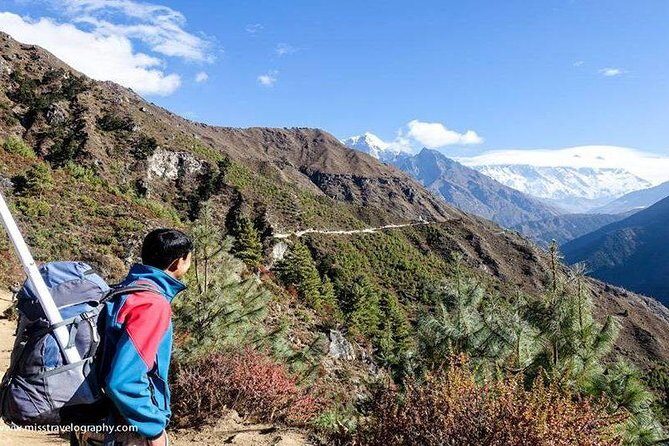
If you care about the Everest view, this route is built to feed it at key moments. Tengboche puts Everest and its neighbors in front of you in a spiritual setting. Kalapathar then reframes the summit from above (5,550 m), where you’re more likely to get that clear, windblown sense of the top.
If you care about culture, the monastery stops are more than photo ops. Tengboche gives you the classic high-Himalaya panorama. Pangboche adds older local lore and a sense of continuity between daily life and mountain meaning.
And if you care about comfort, the pacing is designed around altitude reality. Dingboche is treated as an adjustment point, with optional higher treks toward Chukhung. That approach can be the difference between feeling strong later and feeling drained.
One slightly humorous truth: Everest Base Camp may be the name on the brochure, but your real test is how well you manage your energy. This trek’s structure helps.
What’s Included vs What You Still Need to Sort
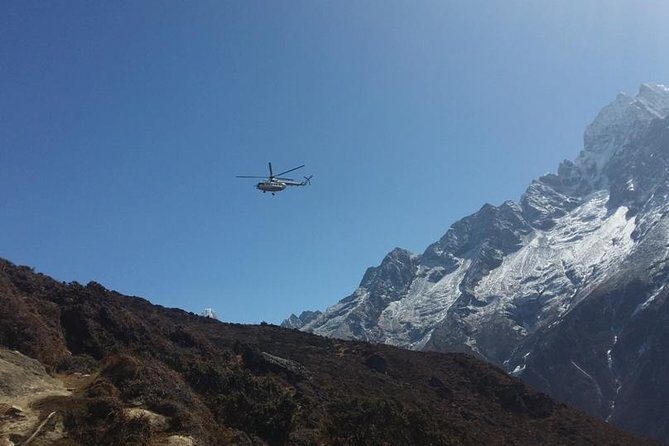
Based on what’s stated, you’re covered for many of the expensive and annoying parts: guide, porters, flights to Lukla, meals as per itinerary, park fees, entrance fees, and airport transfers. That lowers your planning stress.
What isn’t spelled out in detail: the exact nature of the equipment included. So, do yourself a favor and ask what’s provided versus what you must bring. You’ll also still have personal expenses outside the plan—laundry, battery recharge, hot showers, and drinks.
Also note: vegetarian options are available if you ask at booking. That’s useful, especially because higher altitude dining options can get repetitive.
Who This Trek Fits Best (and Who Might Re-think It)
This is best for people with moderate physical fitness who want a structured, supported Everest experience. The porter ratio helps, and the itinerary includes slower or flexible days like Namche and Dingboche.
You’ll especially enjoy it if:
- You want monastery stops (Tengboche and Pangboche)
- You care about Kalapathar for Everest’s summit view
- You prefer a guide-run plan rather than solo organizing
You might want to reconsider if:
- You’re very sensitive to cold, wind, or altitude exposure, since Kalapathar is described as a windy ascent
- You don’t handle hiking downhill well, since the return days include sharp descents toward Lukla
Should You Book Dream Heaven Adventure for Everest Base Camp?
If you want Everest Base Camp with real support and fewer logistics headaches, this is a strong pick. The included flights to Lukla, national park and entrance fees, guide leadership, and porter services (2 trekkers to 1 porter) are the core ingredients that make the trek feel organized instead of improvised.
My one “pause and confirm” tip: ask exactly what equipment is included. The rest looks coherent: the itinerary builds in acclimatization, gives you the Tengboche and Pangboche culture beats, and ends with Kalapathar for the Everest angle.
If weather turns bad, the operator notes that you may be offered an alternative date. So keep a flexible mindset and plan your expectations around the mountains.
FAQ
What is the starting point and time for this trek?
The meeting point is Tribhuwan Airport in Kathmandu, Nepal, with a start time of 5:15 am.
How long is the Everest Base Camp trek?
It’s listed as 14 days (approximately).
Are flights to Lukla included?
Yes. Round-trip flight tickets to Lukla are included.
What support do I get for carrying my gear?
Porter services are included, with a stated ratio of 2 trekkers to 1 porter.
Is vegetarian food available?
Yes. A vegetarian option is available if you advise during booking.
What kind of cancellations are accepted?
The policy states you can cancel up to 6 days in advance for a full refund, and you can receive a 50% refund if you cancel 2–6 full days before the experience’s start time.
Do I need to be a certain age or level of fitness?
The minimum age is 18, and the trek is described as suitable for travelers with moderate physical fitness.