One day, three faiths, and real art lessons. This Kathmandu Valley private tour strings together major sights in a way that feels efficient but not rushed, with Pashupatinath’s Hindu temple atmosphere and Boudhanath’s Buddhist stupa presence as clear anchors. I like the hands-on angle of seeing how Thangka painting is taught, and I also like how the route helps you understand Kathmandu as a Hindu-Buddhist mix. The main drawback: entrance fees and any extra activities aren’t included, so you’ll want a little cash plan.
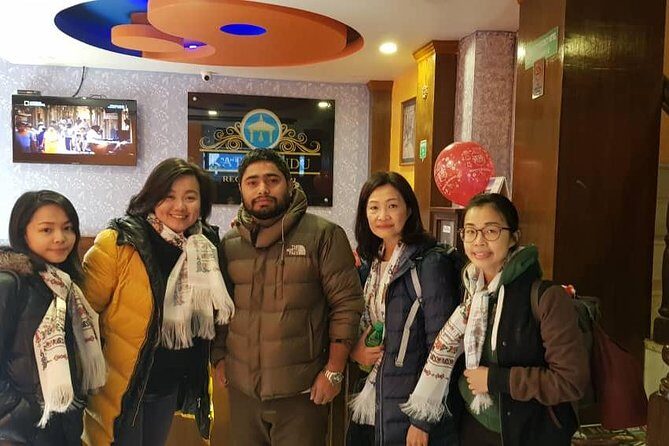
It’s private, so you’re not stuck with a mismatched pace. The pickup starts at 8:15 am, and you’ll ride in a private A/C vehicle with bottled mineral water. In past feedback for this operator, people specifically praised helpers like Dipak and Khumud for making things easy, plus driver support like Raju for keeping the day running smoothly.
If you’re a first visit person, this kind of day is a solid way to get your bearings fast. You’ll see multiple holy sites—plus a Thangka painting training school—and you’ll also stop at an old royal center in the valley, giving you more than just postcard views. Do note one practical consideration: the tour is only about 7 hours, so it’s best for people who are happy doing a lot of short visits rather than lingering all day.
In This Review
- Key points I’d plan around
- Why a Kathmandu Valley private route is a smart first day
- Pickup at 8:15 and using a private A/C vehicle wisely
- Pashupatinath Temple: a Hindu temple complex with serious spiritual gravity
- Patan Durbar and Hanuman Dhoka: the royal-square side of Kathmandu
- Swayambhunath Stupa: a stupa stop that turns the day visual
- Boudha (Boudhnath) Stupa: the largest-stupa-in-the-world kind of feeling
- Thangka training school: why the art lesson is the best value
- Price and logistics: what $60 covers, and what you should budget
- Who this tour suits best (and who may want a different plan)
- Should you book this Kathmandu Valley Private Day Tour?
- FAQ
- What time does the Kathmandu Valley private day tour start?
- How long is the tour?
- Is this tour private?
- How many people are included in the price?
- Is hotel pickup and drop-off included?
- What transportation is provided?
- Are entrance fees included?
- Is a tour guide included?
- Is there a mobile ticket?
- What is the cancellation policy?
Key points I’d plan around

- Private group up to 4 so the day stays flexible
- 8:15 am start with hotel pickup and drop-off
- Boudhnath stupa visit tied to the largest stupa in the world highlight
- Thangka painting training school where you learn about the time-honored Buddhist art form
- Patan + Durbar-area stops for Kathmandu Valley’s older royal context
- A/C transport and mineral water included, with fuel/parking/road tax handled
Why a Kathmandu Valley private route is a smart first day
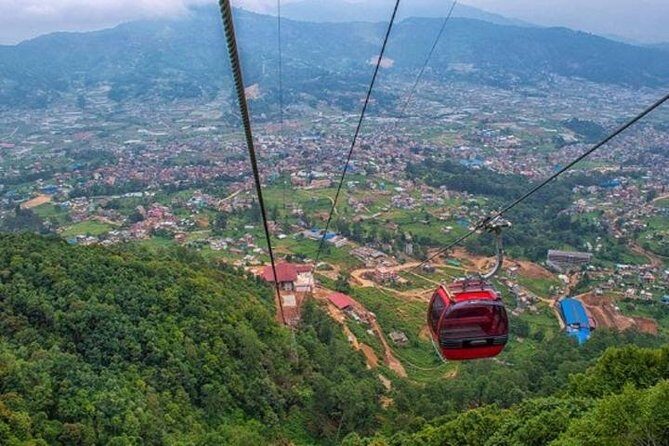
Kathmandu Valley can feel like sensory overload fast: temples, stupas, courtyards, prayer rhythms, and crowds all competing for your attention. What I like about this private day tour is that it picks a manageable set of “must-see” anchors and links them into a single story.
Instead of jumping randomly between spots, you get a guided flow through major Hindu and Buddhist sites. That matters because the valley’s identity is built on overlap—people live alongside sacred spaces, not far from them. You’ll also get the cultural mechanics behind one of the best-known Buddhist art traditions: Thangka painting training.
This isn’t just sightseeing. It’s an intro to how Kathmandu can hold multiple spiritual worlds at once, with stops that are clearly connected to the city’s holy status and history-heavy spaces.
You can also read our reviews of more private tours in Kathmandu


Pickup at 8:15 and using a private A/C vehicle wisely
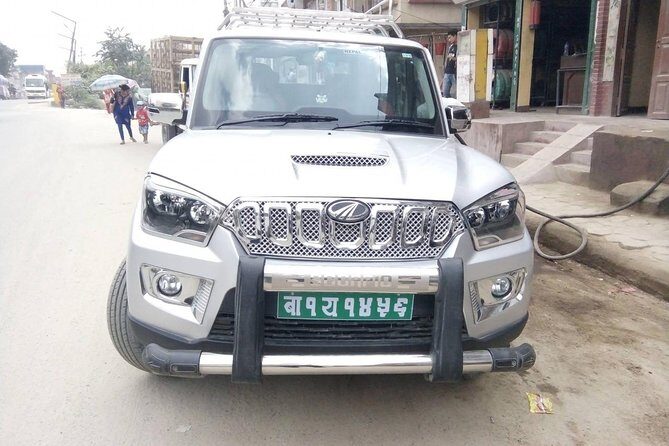
The day starts 8:15 am and includes hotel pickup and drop-off. That’s a big deal in Kathmandu because you’re saving time and reducing stress right from the first hour.
You’re traveling by private A/C vehicle, and you’re also provided mineral water. Add in the fact that fuel, parking, and road tax are included, and you can budget your attention toward the sights instead of logistics.
One practical perk: since this is a private tour for your group only, you can move at the pace your eyes and questions need. If you want more time at one holy site and a little less at another, you’re not negotiating with a bus schedule.
Also, the tour uses a mobile ticket, so you can keep things simple on the day—less paper juggling in a crowded city.
Pashupatinath Temple: a Hindu temple complex with serious spiritual gravity
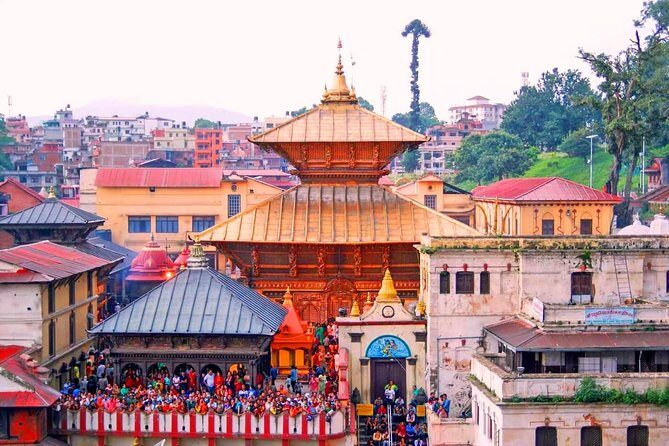
Your first major stop is Pashupatinath Temple. The tour frames it as a sprawling Hindu temple complex, and that description is exactly why it belongs early in the day. Big sacred places take energy. If you arrive later, you often feel rushed or mentally “done” before you’ve even settled in.
In a route like this, Pashupatinath functions like a foundation stop. It sets the tone for how Kathmandu’s religious life is woven into everyday space. You’re not just viewing a structure—you’re stepping into a living religious environment tied to Hindu devotion.
What I like: when the day is structured, you don’t have to decide what to see first. Your guide/driver takes you there, you get time to absorb it, and then you move on with clearer context.
Possible consideration: the holy sites can be busy. I’d treat each stop like a “short visit, big impact” moment—enough time to understand the atmosphere, then move on before you lose the thread of the day.
Patan Durbar and Hanuman Dhoka: the royal-square side of Kathmandu
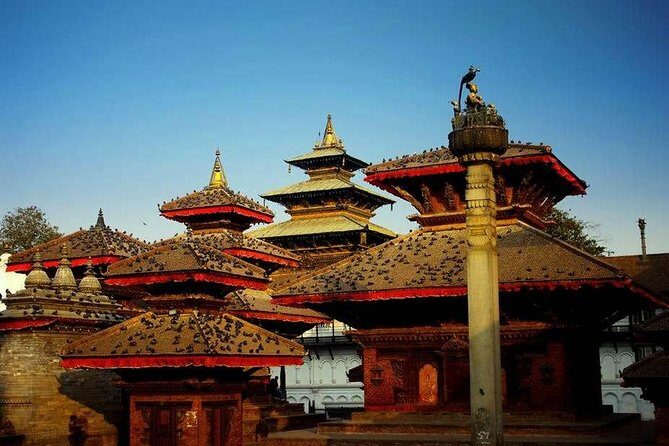
After Pashupatinath, the route moves into the Patan area, including Patan Durbar. This is one of those stops where the name alone signals what to look for: royal-court spaces and historic centers. The tour also references the oldest former kingdom in the Kathmandu Valley, and Patan fits that “old seat of power” idea.
You’ll also visit Hanuman Dhoka. That stop makes the day more than a checklist of temples and stupas. It adds the “city history” layer: Kathmandu’s old political and cultural centers are part of why the sacred sites feel so deep-rooted.
What I like about including Durbar-style locations: they help you connect the dots. The day becomes less about individual buildings and more about how people organized their world—religion, authority, art, and public life all overlapping in one place.
If you’re someone who enjoys context, these stops give you a stronger sense of time. If you’re not, they still work because the spaces are naturally engaging: you can watch how people move through the courtyards and entrances as you’re learning where you are.
Swayambhunath Stupa: a stupa stop that turns the day visual
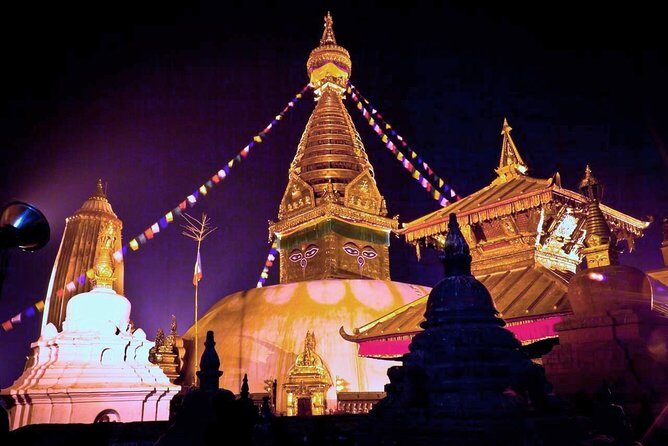
Next up is Swoyambhunath Stupa. Even if you’ve seen the word Stupa before, the physical experience can be different from photos—especially when it’s layered into a day that already includes major Hindu and Buddhist sites.
This is the moment in the itinerary when the day starts to “visually broaden.” You’ve had temple complex energy and durbar-square history energy. Swayambhunath adds a strong stupa mood and keeps you inside the Buddhist thread of the tour.
I appreciate that this stop isn’t treated like an afterthought. It’s specifically included as part of the main Kathmandu Valley highlights. That means you’re not just rushing through; you have a real scheduled block where this is the focus.




Boudha (Boudhnath) Stupa: the largest-stupa-in-the-world kind of feeling
The tour includes Boudhnath Stupa—the highlight that it’s the largest Buddhist stupa in the world. That detail isn’t there for trivia. It helps set expectations. When you arrive at a place on that scale, your brain naturally slows down. You notice rhythm: the space around the stupa, the devotion, and how people orient themselves in a shared sacred environment.
I like that Boudhnath is placed after the Kathmandu Valley’s Hindu and royal elements. It helps your day feel like a guided understanding rather than a random hop between landmarks. You’re moving from one cultural center of gravity to another.
One consideration: a big stupa attracts attention and movement. If you like calm moments, you might feel better spending the majority of your time observing from a comfortable viewing area rather than trying to get every angle in one go. The tour gives you enough structure that you don’t need to rush for photos.
Thangka training school: why the art lesson is the best value
Here’s the standout part for me: the tour stops at a Thangka painting training school to show you how this intricate Buddhist art form is taught. The tour description calls it time-honored, and you can feel that when you’re watching people work within a tradition that’s meant to last.
This is where the experience becomes hands-on in a way that goes beyond looking. Instead of treating Thangka as a souvenir category, you’re learning the skill-building behind it—why the art is approached with care, and how training shapes the outcome.
Practical value: if you’re trying to decide what to buy later, this kind of stop helps you ask better questions. You’ll also leave with a better sense of why Thangkas matter spiritually, not only visually.
Because the tour keeps you within about 7 hours total, this is also a smart “culture + craft” addition. It’s a single scheduled stop that adds depth to the day without requiring a separate half-day or long class format.
Price and logistics: what $60 covers, and what you should budget
The price is $60.00 per group (up to 4) for about 7 hours. That grouping is where the value math improves fast. If you split the cost among up to four people, you’re effectively paying a modest amount for private A/C transport plus hotel pickup and drop-off.
What’s included:
- Hotel pickup and drop-off
- Private A/C vehicle transport
- Mineral water
- An English-speaking good driver
- Fuel, parking charge, and road tax
What’s not included:
- Entrance fees
- Tour guide (separately listed as not included)
- Extra activities
- Tipping for driver/guide
My practical advice: treat entrance fees as an add-on rather than a surprise. If you show up with only the base amount ready, you might feel stuck at ticket booths when the day is already rolling.
Also, double-check whether you’ll be relying on the English-speaking driver for guiding talk, since a separate tour guide is listed as not included. The tour still promises a guided-style experience, but I’d think of it as driver-led city navigation plus your own questions at each site unless you’ve arranged a separate guide.
Who this tour suits best (and who may want a different plan)
This is a great match if:
- You want a private Kathmandu Valley day tour and hate wasting time figuring out routes
- You’re on a first visit and want multiple top sites in one day
- You care about both Hindu and Buddhist landmarks, not just one theme
- You want a craft/culture moment, not only temples and stupas
It may be less ideal if:
- You prefer long, slow stays at fewer sites
- You want a deep specialist guide for every location (since a separate tour guide isn’t listed as included)
- You’re trying to keep costs ultra-tight and don’t want to budget for entrance fees
Should you book this Kathmandu Valley Private Day Tour?
I’d book it if your goal is a structured, efficient introduction to Kathmandu Valley’s biggest sacred and cultural touchpoints. The combination of major holy stops plus a Thangka training school makes it more than a sightseeing loop. Also, at $60 per group up to 4, you’re getting private A/C transport and pickup logistics handled—exactly what you want on a busy day.
Hold off or plan carefully if entrance fees are a deal-breaker for your budget, or if you specifically need a fully independent, paid guide for the entire day. In that case, you’d want to clarify what guiding you’ll get beyond an English-speaking driver.
If you do book, do this: bring a little cash for entrances, come with a few questions about what you’re seeing, and treat each stop as a chance to learn the “why,” not just the “where.”
FAQ
What time does the Kathmandu Valley private day tour start?
The tour starts at 8:15 am.
How long is the tour?
The duration is approximately 7 hours.
Is this tour private?
Yes. It’s a private tour/activity, and only your group participates.
How many people are included in the price?
The price is per group up to 4 people.
Is hotel pickup and drop-off included?
Yes. Hotel pickup and drop-off are included.
What transportation is provided?
You travel by private A/C vehicle.
Are entrance fees included?
No. Entrance fees are not included.
Is a tour guide included?
A tour guide is listed as not included. An English-speaking good driver is included.
Is there a mobile ticket?
Yes. The tour includes a mobile ticket.
What is the cancellation policy?
Free cancellation is available. You can cancel up to 24 hours in advance of the experience for a full refund. Canceling within 24 hours doesn’t get a refund.