REVIEW · KATHMANDU
Short Everest Base Camp Trek 10 Days
Book on Viator →Operated by Eco Holidays Nepal · Bookable on Viator
Flights into Lukla feel like the start of the mountains. This 10-day short Everest Base Camp trek aims to get you to Everest Base Camp without taking a month, with time in Namche Bazaar and a visit to Tengboche (Tyangboche) Monastery along the way. I like that the package includes the big logistics (round-trip Kathmandu–Lukla flights, meals, and tea house stays) and that you get key cold-weather gear like a sleeping bag, down jacket, and duffel bag. One thing to consider is that this is still altitude trekking, so you’ll want solid moderate fitness and a calm approach to slow walking.
The Khumbu region is the main character here: you’ll get glacier views, see towering neighboring peaks above 8000m, and spend time around the classic route that leads to the Khumbu Icefall and Everest Base Camp area. I also appreciate the human side—guides like Pradeep, BK, and Susil are mentioned for helping make the trip feel organized and safe, and the manager Dhruba shows up in many positive comments about attention and good teamwork.
If you’re dreaming about a quick hit of Everest, this is a strong fit. If you hate early mornings, tight schedules, or the idea of trekking while the air feels thin, you might feel more pressure than you bargained for.
In This Review
- Key highlights I’d bookmark before you book
- Entering the Everest Zone from Kathmandu
- The Lukla flight: thrilling, but treat it like part of the trek
- Stage through the Dhudhkosi valley (where the trekking really starts)
- Namche Bazaar: Sherpa capital and altitude practice
- Tengboche (Tyangboche) Monastery: culture with big mountain framing
- Khumbu Icefall and glacier country: where Everest gets real
- Reaching Everest Base Camp: the payoff, with no shortcuts
- Tea house stays: comfortable enough, but still simple
- Guides, safety, and why support changes everything
- Gear included: the value is in what it saves you
- Price and what you’re actually paying for
- What to bring and how to plan your days
- Who this trek fits best
- Should you book this short Everest Base Camp trek?
- FAQ
- What is the duration of this Everest Base Camp trek?
- Where does the trek start, and what’s the meeting point?
- What flights are included in the package?
- Are meals and tea house stays included?
- What trekking gear is included, and when do you return it?
- What’s not included in the price?
- What is the cancellation rule if weather affects the trip?
Key highlights I’d bookmark before you book
- Round-trip Kathmandu–Lukla flights included: you spend less time guessing and more time moving toward the Khumbu.
- Namche Bazaar time built into the plan: you get a real taste of Sherpa life and the Sherpa capital vibe.
- Tengboche Monastery on the route: monastery views and culture add meaning beyond just hiking.
- Gear supplied, then returned after the trek: sleeping bag, down jacket, and duffel help you travel lighter.
- Tea house accommodation during the trek: simple, local stays instead of camping every night.
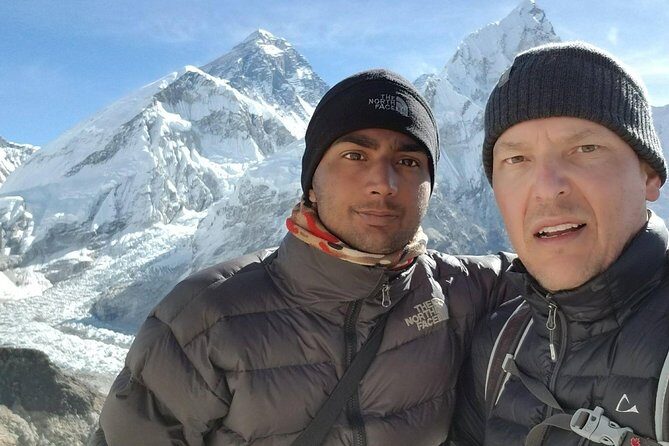
- Guides known for hands-on safety: multiple reviews highlight guidance that stays on top of details.
Entering the Everest Zone from Kathmandu
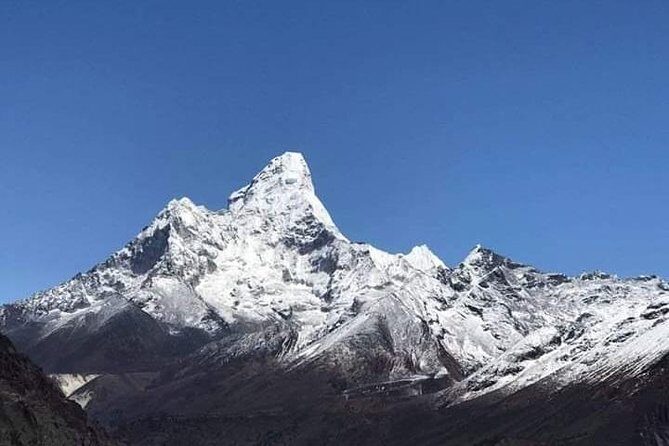
This trek starts the way most Everest plans do: Kathmandu, then a flight to Lukla. The “short” part matters because it compresses the journey. Instead of easing in for weeks, you’ll likely move from city life straight into the trekking rhythm—high-energy check-ins, early starts, and days where the pace is dictated by altitude.
You’ll meet at Tribhuvan Airport in Kathmandu, and the operator notes pickup offered plus an air-conditioned vehicle, which is practical after you land. You’ll also get a mobile ticket, which helps if you’re traveling internationally and don’t want paperwork floating around.
The value piece here isn’t just convenience. When the schedule is tight, good ground coordination reduces stress. A Lukla flight can be weather-dependent, and having everything handled by a local team is usually the difference between a smooth adjustment and a day spent scrambling.
You can also read our reviews of more hiking tours in Kathmandu


The Lukla flight: thrilling, but treat it like part of the trek
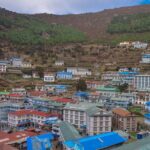
“Adventure flight to Lukla” is the phrase you’ll hear for a reason. The air is already changing as you climb, and the flight sets the tone: big scenery, real mountain weather, and the feeling that you’re officially committed.
Since the package includes both way flight ticket Kathmandu–Lukla–Kathmandu, you’re not trying to arrange flights separately. That matters because flight timing affects your trekking days. Even when things go well, you’ll want to keep your first trekking day flexible and not judge your legs too harshly on day one.
Tip: plan to sleep early in Kathmandu the night before flying, and treat altitude as your first obstacle, not your last. Even before you step onto a trail, your body is doing math on the oxygen.
Stage through the Dhudhkosi valley (where the trekking really starts)
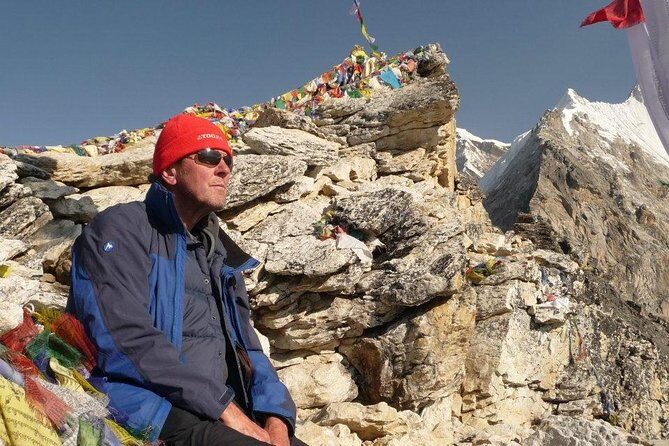
Once you’re on the trekking route, the plan is built around the classic approach: you’ll see the Dhudhkosi River valley and travel through landscapes shaped by water and glacial runoff. The reason this stage is so popular is simple: the trail gives you an “earned” view of the Khumbu—views that come in waves as the valley opens and narrows.
You’ll be walking most days, and the day-to-day pace on shorter treks is more intense than on longer ones. The good news is that the itinerary is designed to hit the essentials without turning the trip into a logistics marathon. The other good news: your days are supported with breakfast, lunch, and dinner, so you’re not burning time searching for meals.
One small drawback to note: the included meal plan does not cover coffee/tea or bottled water. So you’ll still want spending money for hot drinks and hydration costs you prefer.
Namche Bazaar: Sherpa capital and altitude practice
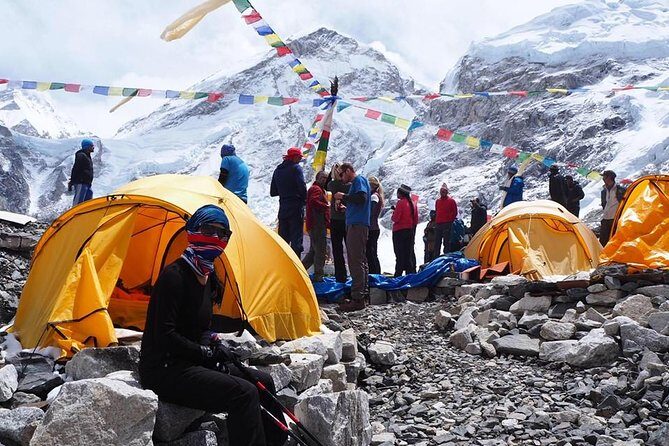
Namche Bazaar is one of those places that doesn’t just sit on the route—it teaches you how the Khumbu works. The plan specifically includes time at Namche Bazzar, and that’s a smart move on a 10-day schedule.
Why it’s valuable:
- It helps you acclimatize in a realistic way instead of jumping from low altitude straight to high.
- It gives you Sherpa culture on the ground, not just as a photo backdrop.
- It offers a “resupply and regroup” feel, which matters when your days are already packed.
This is also where you start seeing how trekking is a local economy: lodges, tea houses, shops, and trails all function together. If you want the trip to feel more authentic than just scenery, Namche is one of the best stops to make that happen.
Tengboche (Tyangboche) Monastery: culture with big mountain framing
Tengboche Monastery is repeatedly mentioned in the plan, and for good reason. Even if you’re not a “temple person,” it changes the tone of the trek. You get a pause in the rhythm—an atmosphere that’s calmer than the trail, with culture and mountain views in the same frame.
The plan calls it the old monastery, and that age shows in the way the place feels: a spot where people gather, pray, and take a breath before continuing higher. After days focused on walking, that cultural reset can be a relief.
Practical note: temperatures can shift quickly here. You’ll feel it on your hands and face before you fully feel it in your body. This is where having the included down jacket and a proper sleeping bag can make the nights and early mornings more tolerable.





Khumbu Icefall and glacier country: where Everest gets real
As you approach the Everest Base Camp area, the scenery becomes more dramatic and more serious. The plan specifically mentions the Khumbu glacier and the Khumbu Icefall, plus neighboring peaks over 8000m.
Here’s what makes this stage feel unique: the Icefall isn’t just a landmark. It’s a reminder that this region is alive—moving ice, constant change, and engineering challenges that scale with the mountains.
Even if you’re only visiting from viewpoints and trail areas, the emotional effect is real. This is where people stop thinking of Everest as a concept and start thinking of it as a system of geology, weather, and altitude.
One consideration: conditions can change quickly, and it’s smart to keep your expectations flexible. On shorter trips, there’s less buffer time if weather slows progress. A local guide’s ability to adjust the route matters.
Reaching Everest Base Camp: the payoff, with no shortcuts
Everest Base Camp is the obvious goal, but what makes it worth your time is the “how you got there” feeling. On this short Everest Base Camp 10 days style of trek, you’re not just arriving at a single point. You’re building the moment—stepping through settlements, acclimatizing, and collecting mountain views that keep getting better.
When you reach the Base Camp area, you’ll also be seeing Everest’s scale in context: the glacier, the ice field feel, and the neighboring high peaks that tower around the region. The plan also emphasizes seeing Everest itself and the surrounding 8000m+ peaks, and that’s exactly what creates the classic EBC wow factor.
If you’re sensitive to cold, Base Camp can be tough even when the weather looks clear earlier in the day. Pack-smart matters, and you’ll be grateful the trek includes a sleeping bag and down jacket for the cold stretches and nights.
Tea house stays: comfortable enough, but still simple
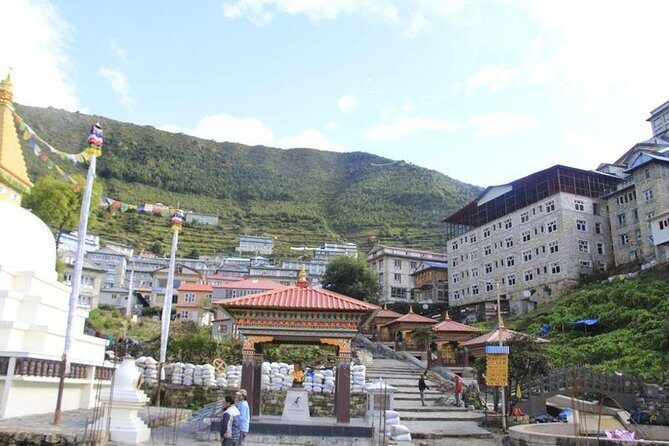
The trip includes tea house accommodation during the trek. Translation: you’re not going to a hotel; you’re staying in small lodges that serve food and beds (often basic), usually with limited heat.
This setup is part of the value. Tea houses let you stay in local places instead of hauling camping gear, and it makes a shorter trek more realistic for most travelers.
Expectations you should set:
- Rooms vary. This is normal in the Khumbu.
- Hot water and electricity are not guaranteed the way you might expect at home.
- Warm layers are your best friend at night.
If you’re traveling from overseas and don’t want to purchase gear, this is one of those times where included equipment actually helps you travel smarter. You’re not buying a sleeping bag just for 10 days and then storing it for years.
Guides, safety, and why support changes everything
A big chunk of this trek’s reputation comes down to how people are guided. Several reviews mention being looked after from start to finish, with guides and managers described as attentive and safety-focused. Specific names like Pradeep, BK, and Susil pop up more than once, along with Dhruba in multiple comments.
That kind of consistency is a good sign for a shorter trek. When you have fewer days, small mistakes cost more. Someone who watches pacing, watches the group, and keeps the plan realistic is worth more than fancy promises.
Also, there’s a practical lesson from a review about changing plans after an October snowstorm. When the weather doesn’t cooperate, the best operators help you adjust rather than pushing you into a bad situation. That flexibility can protect your time and your safety.
One more note: one review mentions helicopter return. That isn’t listed as a standard included feature in the package details you have here, so treat it as a possible add-on rather than an assumption. If you want a specific return method, ask before you pay.
Gear included: the value is in what it saves you
This is one of the stronger “value” elements in the package: necessary equipment like sleeping bag, down jacket and duffel bag return after complete trek.
For you, that means:
- You can pack smarter (no big cold-weather gear taking up space on your international flights).
- You’re not guessing which jacket weight will work at altitude.
- You reduce the risk of arriving under-equipped.
It also supports a more comfortable daily rhythm. Cold damp gear drains you faster than you expect. When the trek provides the key pieces, you’re more likely to stay warm enough to keep moving.
Still, you’ll want your own layers and small items that aren’t listed as included. Even with provided gear, you’ll benefit from gloves, a hat, and a good system for staying dry.
Price and what you’re actually paying for
The price is $1,690 per person for a 10-day short Everest Base Camp trek. That’s not cheap, but it’s also not just “pay for a badge and a trail.” In the included list, you can see the big cost drivers:
- Round-trip Kathmandu–Lukla flights
- Breakfast, lunch, dinner during the trek
- Tea house accommodation
- All fees and taxes
- Cold-weather equipment (sleeping bag, down jacket, duffel)
- Air-conditioned vehicle and pickup offered plus a route map
When you compare treks that exclude flights or exclude meals, the numbers often look lower until you add them back. Here, a lot of those components are already built into the base price.
Not included items are also clear. You’ll pay personally for coffee/tea, bottled water, alcohol, soda/pop, personal expenses, travel insurance, and your hotel in Kathmandu. Porters are also not included unless you add them yourself.
My practical take: if you want the trip to feel easy to manage, this kind of “mostly handled for you” structure can be worth paying for. If you love independently negotiating and you already own gear, you might find cheaper options elsewhere—but you’ll be trading away convenience.
What to bring and how to plan your days
You don’t need a ton of mystery gear here, but you do need smart basics. Since the provided list covers the big cold-weather items, you can focus on what affects comfort on the trail.
Here’s the approach I’d use:
- Dress in layers you can adjust all day (altitude means temperature swings).
- Prioritize dry socks and good foot support.
- Treat hydration as daily maintenance, not something you do only when you feel thirsty.
Also, keep your expectations aligned with a short trek. A shorter duration means less recovery time. You’ll likely feel it in your legs if you try to “race the mountains.” The fastest way to have a bad day on Everest is to walk too hard too early.
Who this trek fits best
This is a good fit if:
- You have moderate physical fitness
- You want a 10-day plan that still hits the major Everest Base Camp landmarks
- You prefer a structured experience with meals, lodging, and key logistics included
- You’re excited by Sherpa culture time in Namche Bazaar and want the Tengboche Monastery stop
It might be a tougher fit if you:
- Need a fully cushy vacation pace (tea houses and hiking won’t match that)
- Hate cold mornings and the idea of walking at altitude without long acclimatization windows
- Expect coffee, bottled drinks, or alcohol to be included (they aren’t)
Should you book this short Everest Base Camp trek?
If you want Everest in a compact format, this plan makes a lot of sense. You’re paying for the elements that usually create stress—getting to Lukla and back, meals, tea house beds, and cold-weather gear. Guides like Pradeep, BK, and Susil are repeatedly associated with strong support, and the operator’s manager Dhruba shows up in feedback for being easy to work with.
My advice: book it if you’re ready to take altitude seriously and you want the route to feel smooth and organized. Don’t book it expecting zero cold, zero fatigue, or unlimited weather control. This region runs on mountain reality, and your best experience will come from being flexible on pace and day-to-day plans.
FAQ
What is the duration of this Everest Base Camp trek?
It runs for 10 days (approximately).
Where does the trek start, and what’s the meeting point?
The start is at Tribhuvan Airport, Kathmandu, Nepal.
What flights are included in the package?
The package includes both-way flight tickets Kathmandu–Lukla–Kathmandu.
Are meals and tea house stays included?
Yes. The trek includes breakfast, lunch, and dinner, and tea house accommodation during the trek.
What trekking gear is included, and when do you return it?
You’re provided sleeping bag, down jacket, and duffel bag, and you return the equipment after the complete trek.
What’s not included in the price?
Coffee and/or tea, bottled water, alcoholic beverages, soda/pop, personal expenses, travel insurance, and the hotel in Kathmandu are not included. A porter is also not included if you want one.
What is the cancellation rule if weather affects the trip?
You can cancel for a full refund if you cancel at least 24 hours before the experience starts. If the trip is canceled due to poor weather, you’ll be offered a different date or a full refund.