REVIEW · KATHMANDU
Wildlife Adventure in Chitwan Nepal
Book on Viator →Operated by Nepal Mountain Club Pvt Ltd · Bookable on Viator
Chitwan wildlife has a way of grabbing attention. This organized package is built around Chitwan National Park, a UNESCO World Heritage site, with jeep safaris plus Rapti River time so you can chase sightings without guessing. I like that the schedule is structured (you won’t be stuck figuring out transport), and I also like the mix of safari hours and cultural stops so the trip feels like more than just driving in a vehicle. One thing to consider is that tight timing and transfer handoffs matter a lot—make sure your pickup details are confirmed.
Two parts I really enjoy here are the wildlife-focused safari design and the inclusion of daily logistics. You get a government licensed safari guide and a tight set of activities like jeep drives, canoe rides, and jungle walks, all wrapped into the package. I also like the Tharu cultural programs—including the Tharu stick dance option—and the chance to visit Tharu villages, which gives the cultural context behind the landscape.
The main drawback I’d flag is reliability around arrivals. One serious caution from past experiences is poor communication and missing pickup on arrival after the bus ride, which can leave you stranded if details aren’t crystal clear.
In This Review
- Key Points at a Glance
- Why Chitwan is worth a planned safari
- Price and logistics: the $139 deal and how transfers work
- What the package includes: meals, lodging, and park fees
- 1 night, 2 days: sunset, museum time, then a jeep safari
- 2 nights, 3 days: Tharu village + Rapti canoe ride + more search time
- 3 nights, 4 days: visitor center, crocodile chances, and extra wildlife odds
- How wildlife spotting works here (and how to stay comfortable)
- Tharu culture programs: stick dance, village life, and bird watching extras
- Should you book this Chitwan wildlife adventure?
- FAQ
- What time is the meeting and where?
- How long is the bus ride to Chitwan?
- What are the main activities in the 1-night, 2-day package?
- What does the 2-night, 3-day package add?
- Which wildlife and river-species are specifically mentioned?
- Is the tour’s price $139 per person fixed for all durations?
Key Points at a Glance
- Shared bus transfers from Kathmandu or Pokhara reduce planning stress
- Multiple package lengths (1-night, 2-night, 3-night) let you match your time
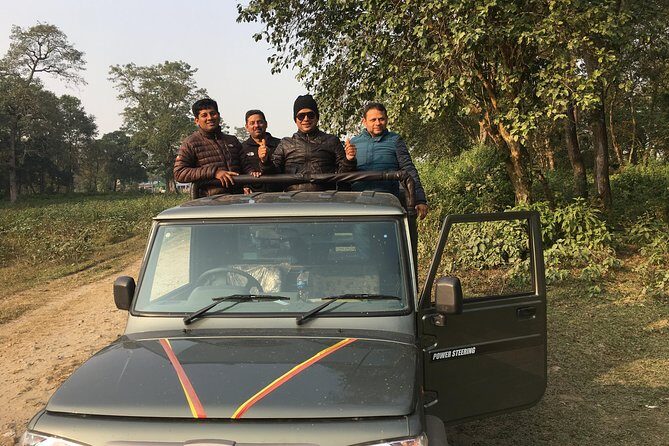
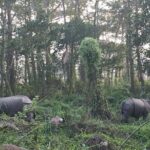
- Jeep safari searching across grassland and forest for rhino and other wildlife
- Canoe rides on the Rapti River for bird watching and possible crocodile sightings
- Tharu village and culture time with dance presentations (and participation in some options)
- National park fees and most costs included so you’re not constantly paying at the gate
Why Chitwan is worth a planned safari
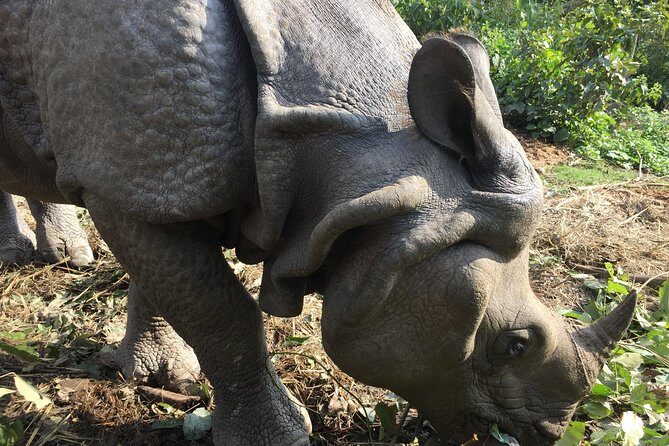
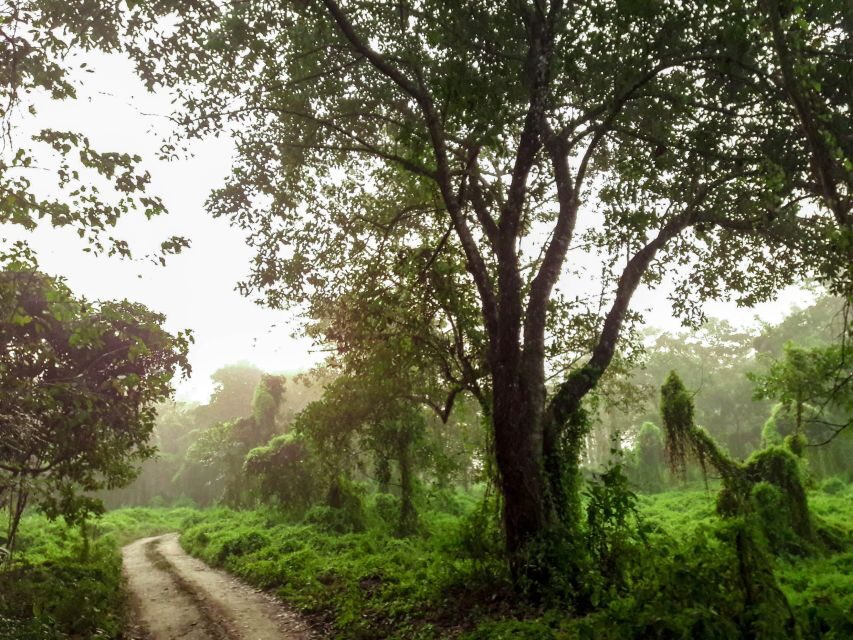
Chitwan National Park is the kind of place where timing and local know-how matter. Animals don’t show up on command, but with the right route choices, the odds improve—especially when your day includes both land time (jeeps through open areas) and water time (canoes for birds and reptiles).
This trip is appealing because it doesn’t treat wildlife like a single event. Instead, it spreads your chances across different formats: jeep safaris, short jungle walks, and canoe rides. That matters because sightings often depend on where the animals are moving and what the conditions are like.
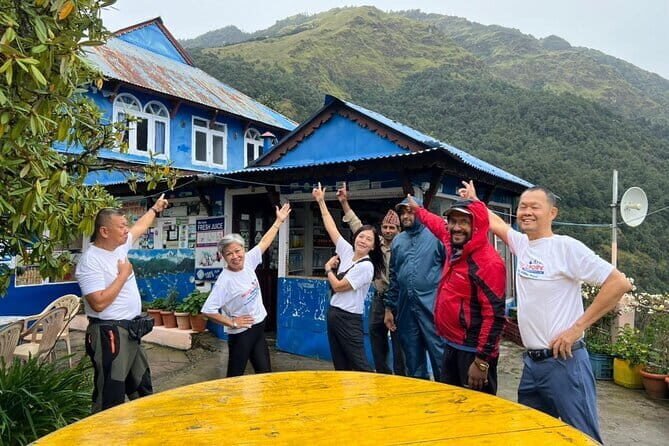
I also appreciate that the package bakes in the cultural side instead of tacking it on at the end. Tharu village visits and dance programs help you connect what you’re seeing with how local communities live alongside the park.
The overall value also comes from knowing what’s included. You’re not hunting down separate guides, park fees, and activity tickets day by day. That’s the difference between a smooth safari and a stressful one.
A few more Kathmandu tours and experiences worth a look
Price and logistics: the $139 deal and how transfers work
At $139 per person, the key question is: which package length are you booking (1-night, 2-night, or 3-night), and what’s included in that specific option. The price sounds like a budget-friendly way into a real national-park program, especially since the itinerary includes lodging, meals in Chitwan, and park/conservation fees.
Logistics start early. You meet at 6:30am at your hotel reception in the Thamel area (Kathmandu) or the Lakeside area (Pokhara). From there, you transfer to the bus station for a shared bus ride to Chitwan—about 4–5 hours depending on where you depart from.
After you arrive in Chitwan, you get pickup at the arrival point and transfer to your hotel. At the end, you head back by shared bus again—about 5–6 hours to Kathmandu or Pokhara.
One important nuance: the transfer is shared, but the tour/activity is described as private, meaning your group participates together. That’s a good balance—less hassle than renting everything yourself, but not a chaotic free-for-all once you’re in the park.
What the package includes: meals, lodging, and park fees
A big value-builder here is the list of included costs. You get hotel pickup and drop, accommodations, and safari activities, plus meals during the Chitwan portion: breakfast, lunch, and dinner as per the itinerary. The package also includes bottled water and coffee/tea.
You’re also covered on the cost side that usually surprises people later: national park and conservation area fees, government/local taxes, tourist service charges, and landing/facility fees. If you’ve ever planned an itinerary and ended up adding fees one by one, this approach feels calmer.
The guidance is another key part of the inclusion. You get a highly experienced government licensed safari guide, and there are jungle activities guides and required staff with the vehicle. In other words, you’re not just buying seats—you’re buying decision-making help in the field.
What’s not included is straightforward: alcoholic drinks and drinks. If you like beer or mixed drinks during dinner, you’ll want to budget for that separately.
Also note the mobile ticket detail. That can make check-in easier, but I’d still keep your booking confirmation accessible on your phone offline in case connectivity is spotty.
1 night, 2 days: sunset, museum time, then a jeep safari
If you’re short on time, the 1-night, 2-days option is built for a first taste of Chitwan. Your day includes a village tour, then sunset time plus a museum tour. That museum stop matters more than you’d expect. Chitwan isn’t just scenery—it’s a managed wildlife system, and the context helps you understand why the park operates the way it does.
Then you shift to the highlight format: the jeep safari. A jeep day is where you cover ground fast across the park’s habitats and where your guide can adjust plans based on animal activity and safe viewing conditions.
You also get a cultural program, with an option for the Tharu stick dance. This is one of those activities that can feel like a performance if you treat it like a show. But because it’s part of a package that also includes village time elsewhere in the other itineraries, it tends to land better—you can connect the dance to everyday life and community history.
The downside of the 1-night version is simple: fewer hours in the park. You’ll still have chances for wildlife, but you won’t have as much repetition as the longer itineraries.
2 nights, 3 days: Tharu village + Rapti canoe ride + more search time
The 2-night, 3-days itinerary is where the balance starts to feel right: you keep jeep safari time, but you also add water-based viewing.
You begin with visiting a Tharu Village, then move into a 30-minute canoe ride along the river (the itinerary refers to government authorities’ river; the longer option explicitly uses the Rapti River). This is short, but canoe time can be powerful for bird watching and for reptile spotting.
After the canoe portion, you’ll do a jungle walk, then shift to the next big viewing tool: the jeep safari through open grassland & forest. This is the part designed for close-but-safe looking at wildlife like rhino, plus other animals your guide tracks.
The program also includes a culture program and bird watching. Bird watching may sound like a side quest, but it’s often one of the most reliable forms of wildlife viewing, especially when larger mammals stay hidden.
If you’re deciding between 1 and 2 nights, I’d pick 2 nights if your goal is rhino and big mammals but you also want a chance at the birds and a more complete daily rhythm.
3 nights, 4 days: visitor center, crocodile chances, and extra wildlife odds
The 3-night, 4-days plan is the most complete version. It leans harder into context, repeated park time, and multiple wildlife formats.
You start with a village tour to a nearby ethnic Tharu Village, where you learn about Tharu life through first-hand interaction. Then you visit the National Park Visitor’s Centre to get history and wildlife context. You also get the chance to see sunset from the bank of the Rapti River, which is one of those moments that makes the whole trip feel less like scheduling and more like being in a place.
Culture shows up again with Tharu cultural dance presentations—and in this package you might also participate. There’s also the option of a slide show presentation, which is useful when you want the overview without pacing issues.
The canoe ride is more specific in the longer option: you’ll do a canoe along the Rapti River for bird watching and an opportunity to see two rare crocodiles mentioned in the itinerary: the Marsh Mugger and the fish eating Gharial. You also get a little jungle walk, with a chance to see animal bathing on the way back.
Then comes the main wildlife segment: a jeep safari designed to spot a wider list—four kinds of deer, rhino, wild boars, monkeys, leopards, sloth bears, and the Royal Bengal Tiger if you’re lucky. You also visit an Animal Breeding Centre and the visitor’s center again.
The big advantage is repetition. More days means more opportunities to align with animal rhythms, and it reduces the risk of one quiet day ruining your overall trip.
How wildlife spotting works here (and how to stay comfortable)
Chitwan safari viewing is about pattern and patience. The package mixes three types of observation:
1) Jeep safaris: designed to cover ground through open grassland & forest. This is where your guide looks for large mammals like rhino, and where your vehicle route helps you stay in safe viewing areas.
2) Canoe rides: often strongest for birds and calmer water viewing. The itinerary’s emphasis on crocodile chances on the Rapti River gives you a clear reason to take this part seriously, not as an optional add-on.
3) Jungle walks: short, structured walking time that adds sensory detail. It can be great for spotting movement and learning how the habitat works, but it also means you should have a moderate fitness level, since the itinerary notes that.
Comfort tips that actually help: wear breathable long sleeves and pants for field time, keep a hat handy for sun, and plan for insects around river and jungle areas. Also, keep a light rain layer in your daypack if weather turns.
One more practical point: the itinerary has a very specific meeting time (6:30am). If you’re coming from Kathmandu the day before, I’d rather be early than rushed.
And if you’re sensitive to logistics stress: the past concern about missing pickup is exactly why you should double-check your arrival pickup details before you leave home.
Tharu culture programs: stick dance, village life, and bird watching extras
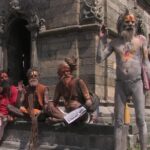
The cultural side here is not just window dressing. In the 1-night itinerary, you get a cultural program with the option for the Tharu stick dance. In the longer options, you go further: village visits and multiple cultural presentations.
Why that matters: you’re seeing the park as it exists today, not as a disconnected wildlife theme. Tharu community life is tied to this region’s history and daily routines, so it adds meaning to the safari stops rather than acting like a break between animals.
Bird watching also blends into this package’s overall flow. It isn’t only about spotting mammals. On the 2-night and 3-night options, bird watching appears as a scheduled activity, including chances to see exotic birds and courtship rituals (mentioned in the longer option). That kind of wildlife behavior can be easier to observe than a tiger crossing a road.
If you enjoy cultural interaction, the 3-night plan is the safest bet because it includes visitor center learning, village time, canoe time, and more repeated wildlife opportunities.
If you prefer minimal cultural programming and maximum park hours, the 1-night option may feel slightly more tour-like in its structure, since it prioritizes a quick museum stop and then jeep safari.
Should you book this Chitwan wildlife adventure?
I’d book this if you want a guided, structured Chitwan visit that covers multiple wildlife formats—jeep safari, canoe ride, and jungle walk—with real cultural stops for the Tharu community. It’s also a strong choice if you’d rather pay once and have most park costs and meals handled, since that’s how the package is set up.
I’d hesitate if your biggest fear is being stranded due to missed pickup or weak communication. That risk shows up in at least one account from the past, so do your part: confirm pickup timing and the exact arrival-point details before travel, and keep your booking confirmation ready in case you need to show it quickly.
Best fit:
- First-timers to Chitwan who want a guided package without DIY planning
- People who like wildlife variety (land + water + birds)
- Travelers who also want cultural context, not just safari time
FAQ
What time is the meeting and where?
You meet at 6:30am at your hotel reception. In Kathmandu it’s in the Thamel area, and in Pokhara it’s in the Lakeside area.
How long is the bus ride to Chitwan?
The shared bus ride to Chitwan is about 4–5 hours from Kathmandu or Pokhara, and the return drive is about 5–6 hours.
What are the main activities in the 1-night, 2-day package?
It includes a village tour, sunset and museum tour, cultural programs (with the option for Tharu stick dance), and a jeep safari.
What does the 2-night, 3-day package add?
It adds a Tharu village visit, a 30-minute canoe ride, a jungle walk, additional bird watching, and a jeep safari through open grassland and forest, plus a culture program.
Which wildlife and river-species are specifically mentioned?
The itinerary mentions chances to see rhino, deer, tiger/ Royal Bengal Tiger, plus other animals like leopards and sloth bears in the longer option. For the river, it specifically mentions the Marsh Mugger and the Gharial as crocodile opportunities.
Is the tour’s price $139 per person fixed for all durations?
The listed price is $139.00 per person, but the experience offers 1-night, 2-night, and 3-night packages. You should confirm which duration is tied to the price when you book.