REVIEW · KATHMANDU
8 Days Tour in Langtang Valley Trek
Book on Viator →Operated by Magical Nepal · Bookable on Viator
Eight days, and the mountains get personal. This Langtang Valley trek stands out because it’s one of the shortest mountain trips from Kathmandu, yet it still gives you big views and real village walking. I also like that the trek includes teahouse nights and time in Langtang’s communities, so the days feel more like a journey than a checklist.
The one thing to think through is effort. You’ll face long walking days and real altitude, especially on the loop up toward Tserko Ri from Kyanjin Gompa, so you’ll want strong fitness and a steady pace.
In This Review
- Key things that make this trek worth your time
- Why Langtang Valley feels short from Kathmandu (and that’s a win)
- 8 days on the trail: a practical day-by-day route overview
- Day 1: Kathmandu to Syabrubesi-area entry point
- Day 2: Into Langtang National Park toward first teahouse stop
- Day 3: Langtang Valley trail day through villages and forest
- Day 4: Kyanjin Gompa at high altitude
- Day 5: Kyanjin Gompa to Tserko Ri and back (the challenging highlight)
- Day 6: Descend back toward Lama Hotel
- Day 7: Syabrubesi overnight and the slow shift back to road life
- Day 8: Back to Kathmandu
- Kyanjin Gompa and Tserko Ri: the day you plan the whole trip around
- Tea houses, meals, and what comfort really means here
- Guides and small-group pacing: why names keep coming up
- Kathmandu to the trail and back: transport that shapes your energy
- Price and value: what $698 covers, and what you must supply
- Weather, altitude, and the one drawback that can’t be ignored
- Who should book this trek (and who should reconsider)
- Should you book this 8-day Langtang Valley trek?
- FAQ
- Where does the tour start and end?
- How long is the trekking experience and how many nights are included?
- What kind of accommodation do I get?
- What meals are included on the trek?
- Is a guide included, and for how long?
- How do you handle transport between Kathmandu and Syabrubesi?
- Is the Langtang National Park permit included?
- Is travel insurance included in the price?
Key things that make this trek worth your time
- Langtang National Park permit included, so you don’t have to hunt paperwork in Kathmandu
- Short drive + serious trail days, a nice mix if you want Himalayan scenery without a long multi-week trek
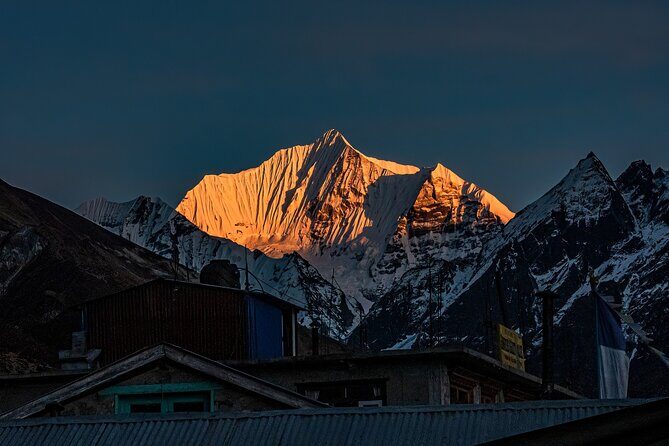
- Kyanjin Gompa at 3,870 m sets up your high-altitude viewpoint day
- Tserko Ri (4,985 m) is the big physical target, with panoramic returns to Kyanjin Gompa
- Small group size (max 8) and a guide who handles the day-to-day pace and logistics
- Guides such as KP, Jay, Mitra, Pemba, and Sajan are repeatedly praised for encouragement and making the walk feel manageable
Why Langtang Valley feels short from Kathmandu (and that’s a win)
Langtang Valley is often described as the shortest trek route coming out of Kathmandu, and that matters more than you’d think. Most people come for Himalayan scenery, but they also want a trip they can realistically complete without spending forever on the road or in transit. This route is set up to be that balance: you get a full trekking week, but you’re not looking at an endless chain of days just to reach the mountains.
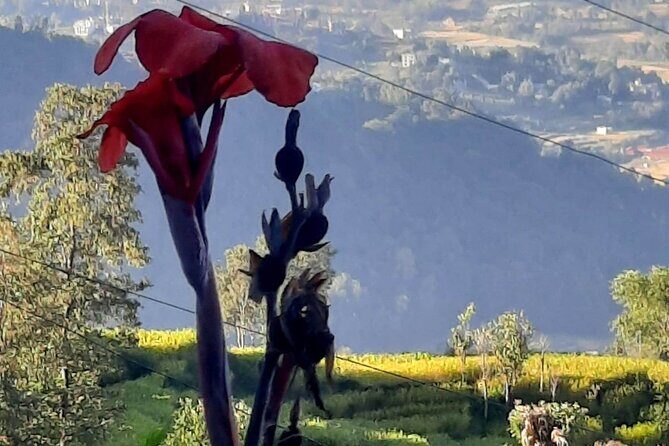
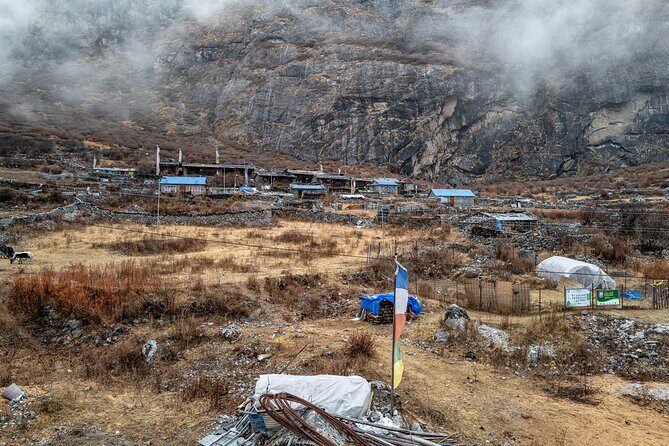
What I like about this trek’s design is the way it layers experiences. You start with forested walking and river-valley movement, then gradually work your way toward higher settlements. Along the way, you also get the human side: the valley is home to the Tamang people, and the trail passes small villages where you can watch daily life and learn what matters to the community. It’s not a museum visit. It’s the rhythm of people living in the mountains.
If you’re the type who wants your photos to match what you feel walking—mist, pine scent, bamboo, and suddenly higher air—you’ll probably enjoy how quickly Langtang delivers changing scenery. Several guides in this program are known for keeping the day moving at a comfortable pace, which helps you notice details instead of constantly thinking about where you’ll sleep tonight.
The vibe you’re going for here is “walk, look, talk, repeat.”
You can also read our reviews of more hiking tours in Kathmandu
8 days on the trail: a practical day-by-day route overview
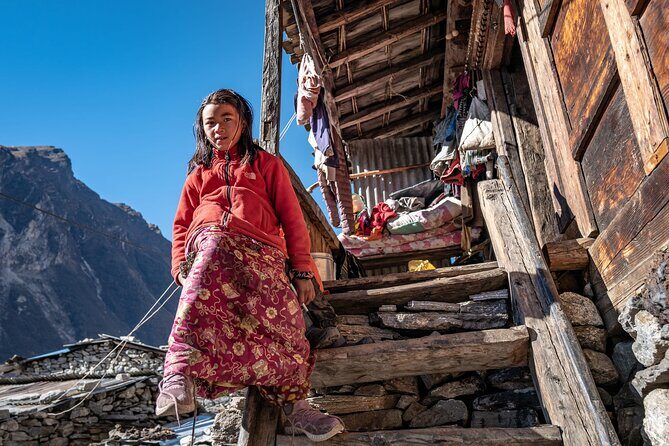
This trek runs about 8 days in total, with 7 nights in mountain teahouses. The schedule blends travel days with trekking days, and it keeps you on established paths rather than anything experimental.
Day 1: Kathmandu to Syabrubesi-area entry point
You’re picked up from your hotel by your guide, then taken to the area around Machaphure Chowk to catch the bus. After that, you ride about 8–9 hours toward Syabrubesi. Lunch is included on the way.
This day is mostly logistics and settling in. You’ll likely feel the transfer time, so keep your expectations simple: hydration, a good meal, and an early night help a lot for the next day.
Day 2: Into Langtang National Park toward first teahouse stop
Day 2 starts with entering Langtang National Park. You trek about 6 hours toward Lama Hotel, passing forests, villages, and pastures with mountain, valley, and river views. After you disembark, porters handle your bags, then you hike again for about 3 hours to Phakding for your first night.
Even if the exact day pacing feels long on paper, this is the day where your body usually starts adjusting. You’ll be walking through mixed scenery—more tree cover early on, then wider valley impressions later. It’s also when your guide’s pace matters most, because the goal is to avoid starting too fast. A smart guide keeps your breathing steady so you’re not chasing the group ahead.
Day 3: Langtang Valley trail day through villages and forest
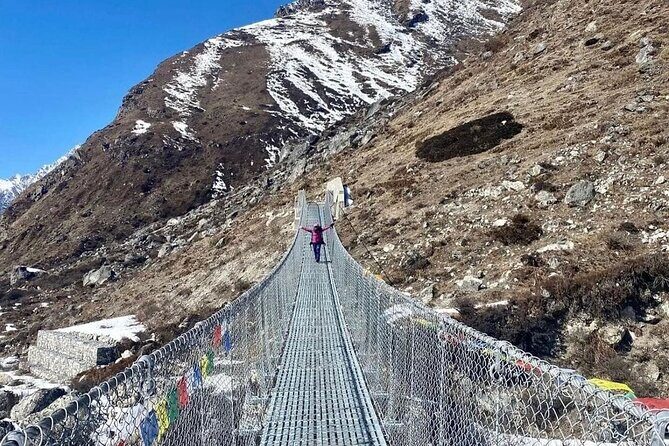
Day 3 is about 7 hours on a narrow path through forests and small villages, with glimpses of Langtang Lirung and other peaks. This is the kind of day you’ll remember because it feels like the trek is revealing itself slowly: you don’t just climb—you travel through habitats and settlements.
If you want the cultural part of Nepal, this is a good day for it. You’ll see how villages sit into the slopes, how people build their lives around routes and seasonal changes, and how conversation can happen naturally in tea house spaces.
Day 4: Kyanjin Gompa at high altitude
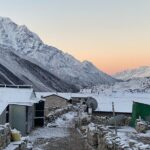
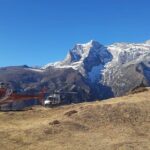
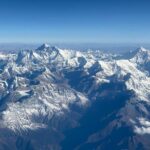
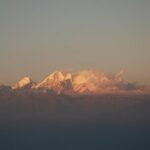
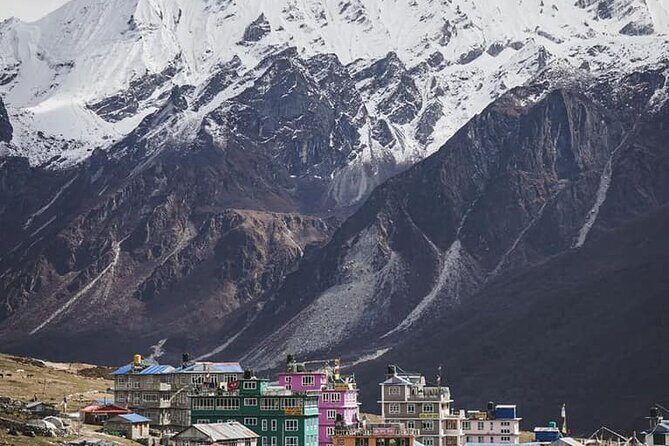
Day 4 brings the big milestone: Kyanjin Gompa, at 3,870 meters (12,700 feet). You get a small monastery and settlement surrounded by forest, plus panoramic views of Langtang Lirung and nearby peaks.
This is where you’ll start feeling altitude more clearly, even if you didn’t “summit” anything yet. The best approach is to keep your pace calm, take short breaks, and let your body adjust. Your guide should help you manage that rhythm.
Also, think of Kyanjin Gompa as more than a destination. It’s your base for the most demanding day coming next.
Day 5: Kyanjin Gompa to Tserko Ri and back (the challenging highlight)
Day 5 is the loop day: Kyanjin Gompa → Tserko Ri → back to Kyanjin Gompa. Plan for 8–9 hours of trekking. Tserko Ri reaches 4,985 meters (16,350 feet).
This is the physical “earn it” day. Even if you’ve trekked before, you’ll feel the altitude and the uphill effort here. The payoff is the kind of viewpoint that makes you stop talking for a minute because the view is doing the talking.
Your guide’s job on this day isn’t just route knowledge. It’s pacing you through the hard parts, timing breaks, and keeping morale up when it feels like the path will never end.
Day 6: Descend back toward Lama Hotel
Day 6 focuses on descending down toward Lama Hotel and spending the night there. After a high day, you’ll feel the legs do that funny tired-but-okay thing. Descents can be tougher than you expect on knees, so trekking poles can help if you use them.
This is also a day where the air feels easier, and you’ll probably notice the forest shapes again as you go lower. It’s a good “return to comfort” day.
Day 7: Syabrubesi overnight and the slow shift back to road life
Day 7 descends down to Syabrubesi, where you spend the night in a guest house. After days of teahouse routines, this is a nice reset—still simple, but a different comfort level.
This is also the day where you’ll likely start thinking about your return transport and how you want to eat and rest for the final day.
Day 8: Back to Kathmandu
You’ll have breakfast and then return to Kathmandu. The tour ends back at the meeting point around Tribhuvan Airport, Kathmandu.
If you can, plan some low-key downtime afterward. You may feel tired even if you had a great trek—hiking a mountain week uses more of you than you think.
Kyanjin Gompa and Tserko Ri: the day you plan the whole trip around
Most Langtang Valley travelers end up judging the trek by the Kyanjin Gompa–Tserko Ri experience. That makes sense, because this is where the altitude target is clear and the viewpoint is earned.
Kyanjin Gompa is a settlement at 3,870 m, so you’ll likely arrive with your body already noticing the thinner air. Then the next day pushes you up to 4,985 m on Tserko Ri. The hike is described as challenging and long, and that’s exactly what you should expect.
So how do you make this work?
- Keep your pace controlled from the beginning. Your breathing rate matters more than speed.
- Take breaks before you’re exhausted. The goal is to keep moving, not recover repeatedly.
- Use the guide’s encouragement. Several guides, including KP and Sajan, are praised specifically for humor, support, and steady motivation. That kind of energy can be the difference between surviving the day and enjoying the day.
When you reach the top, the experience is not just a single moment. You get the loop back, which lets your brain settle after the hard part. That return is important. It helps you enjoy the view without racing your energy to zero.
If you’re drawn to big Himalayan panoramas and don’t want to commit to a longer high-altitude trek, this is one of the best “high effort, clear payoff” days you can choose.
Tea houses, meals, and what comfort really means here
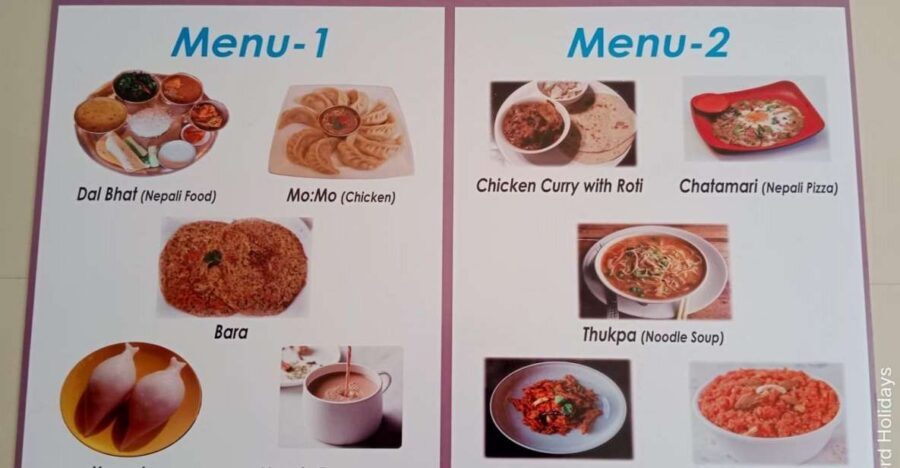
This trek includes 7 nights in mountain teahouses, plus meals while on the route: set breakfast (8), set lunch (8), and dinner (7). Kathmandu meals are not included.
The teahouse part matters for two reasons. First, it keeps the trek accessible. You’re not carrying a full food setup. Second, it creates a routine that helps you recover. In mountains, recovery isn’t luxury. It’s strategy.
From the experience notes, the food is described as simple yet satisfying along the way, and there’s mention of small extras like fresh fruit showing up at times. Those details matter more than they sound because they give you a little morale boost when you’re tired.
Comfort at altitude also depends on how you manage warmth. The information you have here doesn’t list specific room types, but it does repeatedly emphasize that you’re sleeping in teahouses and moving through varied elevations. So plan for basic mountain lodging and pack for cold nights. Even when days feel fine, evenings can turn.
Also, porter help is part of the daily experience. Bags are sorted when you reach certain points, which makes the trek feel more like walking and less like hauling a truck.
Guides and small-group pacing: why names keep coming up
The big praise across the program is the people running it, especially the guides. You’ll see names like KP, Jay, Mitra, Pemba, Sajan, and Dil Man Tamang show up in positive notes, often for the same reasons: they keep you comfortable, explain what you’re walking through, and handle the small details that would slow you down on your own.
Here’s what that looks like in real life:
- You start with hotel pickup, not “find your own way to the bus.”
- You have someone managing the plan and daily pace.
- You get encouragement when the day gets steep, long, or mentally tiring.
- You’re not stuck guessing how fast to go.
Some guides are even highlighted for flexibility—balancing enough trekking distance to keep the itinerary meaningful, while still giving time to enjoy stops rather than simply passing through.
In a trek like this, that’s a major value point. A good guide doesn’t only make it safer. They make it feel human.
Kathmandu to the trail and back: transport that shapes your energy
The trip isn’t just hiking. It starts and ends with road time. On Day 1 you ride about 8–9 hours, and later you travel back toward Kathmandu on Day 8.
That’s why pickup and organized departure matter. This tour includes local bus transport between Kathmandu and Syabrubesi, and the guide comes to your hotel to pick you up at the start.
If you’re sensitive to long bus rides, do two things:
- Pack what you’ll need for the ride (water, snacks if allowed, layers).
- Don’t plan anything important in Kathmandu the same day you return. Give yourself a day to decompress.
This isn’t meant to scare you. It just helps you treat travel time as part of the trek, not an annoying interruption.
Price and value: what $698 covers, and what you must supply
The tour price is $698 per person for an about 8-day trek. At that price, you’re getting a bundle of things that normally add up:
- 7 nights in teahouses
- Meals on the trek (breakfast, lunch, dinner as listed)
- Langtang National Park permit
- A guide for 8 days
- Kathmandu-to-Syabrubesi and the return leg by local bus
- Ground transport support for support staff, plus staff insurance for necessary support staff
What’s not included:
- Lunch and dinner in Kathmandu
- Travel insurance
When you judge value on a trek like this, don’t look only at the trekking days. You’re also paying for organization: permits, a guide’s presence for eight days, meals logistics, and getting you to the start point without confusion.
So this price tends to make sense if you:
- want a guided experience (not self-supported trekking),
- appreciate having meals handled,
- and prefer small-group trekking rather than a big cattle-line.
If you already have your own permit workflow, transport plan, and trekking partners, your cost picture might change. But for most people, this is a clean package.
Weather, altitude, and the one drawback that can’t be ignored
This trek requires good weather. That’s not a line written for legal space—it’s how mountain planning works. If conditions are bad, the plan may shift, and the experience may be canceled with an offer for another date or a refund.
Then there’s altitude. You’ll reach Kyanjin Gompa at 3,870 m and climb toward 4,985 m on Tserko Ri. That’s enough altitude to make breathing and sleep feel different, even for fit hikers.
If you want a simple checklist for how to handle it:
- Train your legs and do regular hikes before you go.
- Pack warm layers for cold nights and windy ridges.
- Keep your pace steady on summit day, especially on the loop to Tserko Ri.
- Take altitude seriously. Don’t race.
The good news: the itinerary is designed as a progression. You don’t jump straight to the highest point from day one. You climb, you adjust, then you push on the hardest day.
Who should book this trek (and who should reconsider)
You’ll likely love this trek if you:
- want a shorter Himalayan trek from Kathmandu that still hits the highlights,
- enjoy village trekking and learning how people live in mountain valleys,
- want a clear “main day” goal with Tserko Ri,
- prefer the structure of meals, permits, and a guide.
You might reconsider if you:
- struggle with long days on foot,
- have low tolerance for altitude or cold,
- or you’re hoping for a mostly easy stroll. The Tserko Ri day is the reality check.
Also, the max group size is 8 travelers, which usually keeps things friendly and manageable. If you like a small-group feel, that’s a good sign.
Should you book this 8-day Langtang Valley trek?
If you want a mountain experience that’s organized enough to feel easy to plan, but rewarding enough to feel like real trekking, this one is a strong match. The biggest reason to book is the combination of high scenic payoff and a trek length that fits into a normal vacation window.
Book it if:
- you’re excited by Langtang’s peaks around Langtang Lirung,
- you want Kyanjin Gompa and a Tserko Ri viewpoint,
- and you value a guide who can keep you comfortable and encouraged, as shown by recurring praise for guides like KP, Jay, Mitra, Pemba, and Sajan.
Think twice if:
- you’re not ready for a challenging high day at nearly 5,000 m,
- or you can’t be flexible if weather disrupts plans.
If you fall into the first group, you’ll come away with photos you’ll actually remember, plus the quieter satisfaction of walking through a valley where people truly live and work.
FAQ
Where does the tour start and end?
It starts at Tribhuvan Airport in Kathmandu, Nepal, and ends back at the same meeting point.
How long is the trekking experience and how many nights are included?
The trek runs about 8 days and includes 7 nights in mountain teahouses.
What kind of accommodation do I get?
You’ll stay in mountain teahouses during the trek, with a guest house overnight at Syabrubesi on the way back.
What meals are included on the trek?
Breakfast and lunch are included on the trek, and dinner is included as well. Kathmandu meals (lunch and dinner) are not included.
Is a guide included, and for how long?
Yes. A guide is included for the full 8-day duration, with support staff also covered by staff insurance for support roles.
How do you handle transport between Kathmandu and Syabrubesi?
The itinerary includes Kathmandu to Syabrubesi by local bus, and you return to Kathmandu at the end.
Is the Langtang National Park permit included?
Yes. The Langtang National Park permit is included.
Is travel insurance included in the price?
No. Travel insurance is not included, so you should arrange it separately.