REVIEW · KATHMANDU
AiseluKharka To Everest Base Camp
Book on Viator →Operated by Pariwar Holidays Pvt Ltd · Bookable on Viator
Everest starts with a jeep ride. This Aiselukharka-to-Everest Base Camp style trip pairs big-mountain history with a cultural angle, including Buddhist monasteries and the legendary 1953 Hillary-Norgay route.
I also like the fact that the team builds in real gear prep time in Kathmandu, so you are not scrambling. The last-day transfer toward Aiselukharka follows the B.P. Highway through traditional villages, which makes the start feel like part of the adventure, not just logistics.
Two things I especially enjoy here: first, the Kathmandu day that lets you buy or hire equipment and get oriented at your own pace. Second, having a professional guide plus organized transfers reduces the usual first-days stress.
One thing to watch: the plan you get is very light on what happens after reaching Aiselukharka, so you should confirm the full day-by-day trekking portion to Base Camp before you lock in expectations.
In This Review
- Key highlights worth your attention
- Everest Base Camp, but with a cultural warm-up
- Day 1 in Kathmandu: quick orientation, then you move
- Day 2: the smart buffer day for gear, plus optional World Heritage time
- Day 3 morning: Kathmandu to Aiselukharka by sharing jeep
- The real value: what $2,000 buys in this 3-day package
- Included vs not included: how to budget like a pro
- Guides, group size, and the human side (including Giri)
- Expectation check: what the itinerary description does (and doesn’t) tell you
- Fitness level: “moderate” means you still need to train
- Weather: the mountain will run the show
- Is this the right trip for you?
- Should you book this Aiselukharka to Everest Base Camp trip?
- FAQ
- What city does this Everest Base Camp trip start from?
- What time does the tour start?
- How long is the experience?
- Is pickup offered?
- Is the tour private or shared?
- What meals are included?
- Are drinks included?
- Do I need to be moderately fit?
- Can I hire trekking equipment in Kathmandu?
- Is city sightseeing included?
- Is free cancellation available?
Key highlights worth your attention
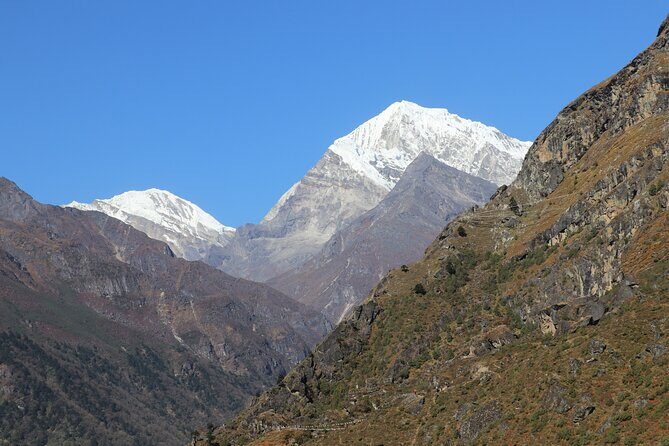
- B.P. Highway drive to Aiselukharka through traditional villages, with big rivers and memorable scenery on the way
- Kathmandu gear time to buy or hire what you need before the trek
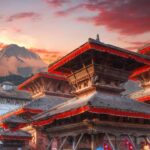
- Optional half-day World Heritage sightseeing in Kathmandu if you want a break from prep mode
- Meals are included (drinks not) so you can budget without guessing daily costs
- A professional guide and private group setup make the start smoother and less chaotic
- Respect the fine print on changes/refunds; not every past booking experience has gone perfectly
Everest Base Camp, but with a cultural warm-up
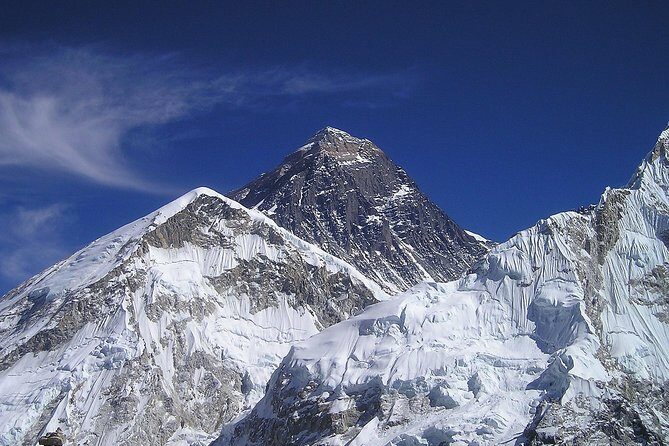
I like Everest Base Camp treks when they feel like more than just a checklist. This one gives you a head start through Kathmandu and the route area around Aiselukharka, with a focus on high Buddhist monasteries and the broader spiritual culture of the region. That matters because Everest country can feel big and intimidating fast; culture helps you slow down and take the place in.
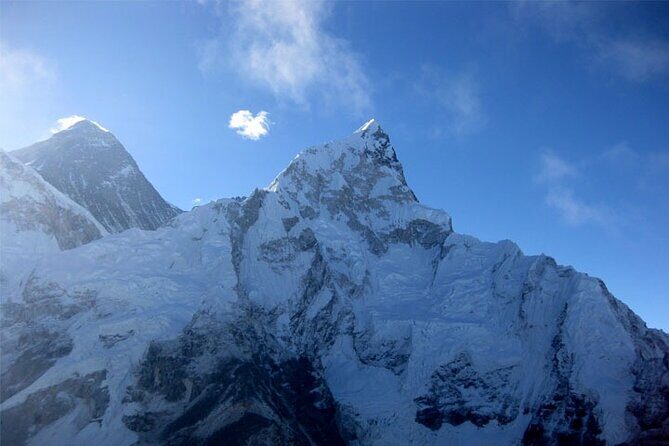
There is also a real historical charge here. You are walking along a route tied to the 1953 expedition era, when Sir Edmund Hillary and Tenzing Norgay set their sights on the same mighty mountain. Even if you are not climbing Everest (Base Camp is a different goal), that legacy adds weight to every step you take toward it.
You can also read our reviews of more tours and experiences in Kathmandu.
Day 1 in Kathmandu: quick orientation, then you move
On arrival, you are met at Kathmandu airport and transferred onward. You also get a brief talk about the trip you chose, with time to ask questions if anything is still fuzzy. That short orientation sounds simple, but it often makes the difference between feeling ready and feeling confused once you hit the trail days.
This first day is about settling in. You are not asked to sprint around sightseeing; you are given a chance to get your bearings and confirm the basics—what you packed, what you still need, and how the next morning works.
If you are the kind of traveler who likes clarity, this is a good setup. If you prefer to arrive and immediately disappear into the city, you still can, but it helps to confirm details first so you do not burn trek time later.
Day 2: the smart buffer day for gear, plus optional World Heritage time
Day 2 is built around preparation. You can use the day to buy or hire equipment you require for the trek, then walk around where you are staying to get used to your surroundings. This is practical, and I like it because trek gear is where plans go wrong.
If you arrive without proper layers, trekking poles, a decent daypack, or even basic items, you lose momentum. Having time to source gear in Kathmandu means you can fix gaps before the road-to-trail grind begins.
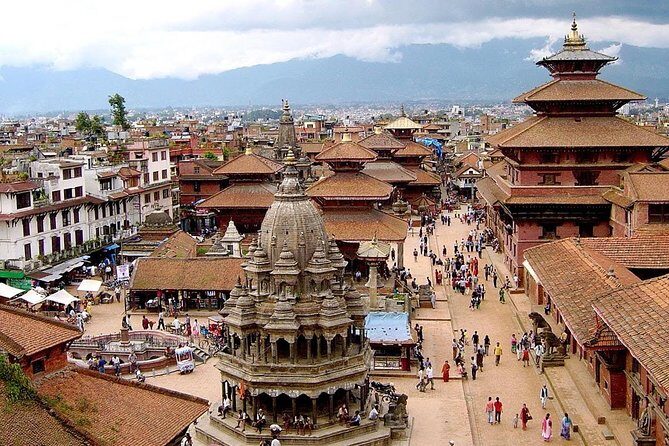
You also have an option for half-day city sightseeing to World Heritage Sites if you want it, arranged as an extra activity. I see this as a nice trade: one side of the day is physical prep, and the other side is a mental reset. Just remember you will likely want energy for early starts later, so keep the pace reasonable.
Day 3 morning: Kathmandu to Aiselukharka by sharing jeep
After breakfast in Kathmandu, you share a jeep to Aiselukharka. The drive runs along the B.P. Highway, passing through traditional villages with big river crossings and dramatic mountain scenery. Even if you consider it just transit, this is a meaningful part of the trip because it changes your altitude and mindset in one go.
The start time listed is 7:15 am, so plan your sleep like it is a test day. Nepal morning traffic and household bustle can steal time, and a smooth departure makes everything else easier. If you are prone to rushing, set your wake-up alarm early and keep your daypack ready the night before.
Also, you are in a shared jeep. That can be a little slower than a private transfer, but it’s often a good compromise between cost and comfort. If you dislike waiting or crowded vehicles, eat early and prepare a light routine: water, a snack, and a quick check of your layers before you leave.
The real value: what $2,000 buys in this 3-day package
At $2,000 per person for roughly 3 days, you should treat this as a premium, logistics-forward package rather than a purely low-cost trek deal. The inclusions you get are meaningful: accommodation, meals (breakfast, lunch, dinner), taxes/fees/handling charges, a professional guide, and port pickup/drop-off. You also get private tour handling (your group only) plus one-way shared transfer and private vehicle transport as specified.
That said, the itinerary details provided are short. This is the part I would verify before you pay: confirm exactly how the trekking-to-Base Camp days are handled, starting from Aiselukharka onward. If the 3-day duration is truly the whole story, it is a very compressed trek experience. If additional days are included, make sure you get the clear schedule in writing.
Here’s how I judge value for Everest treks:
- Do you get clear meals and lodging coverage during the trekking portion?
- Is your guide truly included for the trekking days, not just the early transfers?
- Do you know what transport is included, and what is not?
- Does the itinerary match your physical expectations?
If you confirm those points, the price can feel more justified. If you do not, you may end up paying premium money for a plan that feels incomplete.
Included vs not included: how to budget like a pro
The big practical win here is meal coverage. You get breakfast, lunch, and dinner as part of the itinerary. That lowers decision fatigue and makes daily budgeting easier—especially in areas where menu variety can shrink as you go.
Drinks are not included, so budget for water and any other beverages you want. I always recommend treating hydration seriously on treks, even during colder stretches.
One more small but important detail: you also get transport and guide support lined up. When you are dealing with early starts, altitude changes, and unfamiliar route points, having organized movement beats guessing and waiting.
Guides, group size, and the human side (including Giri)
A trekking experience lives or dies by people. In the feedback tied to this company, one guide name shows up clearly: Giri. Multiple comments highlight that having a good guide makes the trip feel smooth and genuinely enjoyable.
You should also know the tour is set up as a private tour/activity, meaning only your group participates. That matters if you want a guide who can answer your questions without repeating everything for a mixed group of strangers. It also helps with pacing, especially when you are dealing with the practical stuff: what to pack, how to handle breaks, and what to expect on arrival points.
If you do want a trip that feels a bit more personal—rather than a conveyor-belt Everest day plan—this private-only approach is a plus.
Expectation check: what the itinerary description does (and doesn’t) tell you
I like being upfront about planning realities. The schedule details provided focus on Kathmandu arrival, a trek-prep day, and the drive to Aiselukharka. What’s not spelled out here is the later trekking segment to Everest Base Camp itself.
So I would treat this as a planning framework for the early phase. Before booking, ask for:
- The full day-by-day schedule after Aiselukharka
- Where you stay each night (and how that changes with altitude)
- The total number of trekking days included in the package
- What time you expect to reach Base Camp (if that is a core goal)
This is not pessimism. It is just smart travel math. Base Camp treks can vary a lot in pace, route, and overnight stops, and your experience will track those differences closely.
Fitness level: “moderate” means you still need to train
The requirement is moderate physical fitness. That sounds friendly, but it still means you should take the trek seriously.
If you have been mostly sitting for months, do a ramp-up. Even short walks with some hills, plus a few longer hikes on weekends, will help your legs handle the day-to-day climbing. Also practice carrying your daypack with your layers and water so your body learns the load.
On Everest-adjacent routes, breathing gets harder with altitude, not just effort. So pace matters. The best “secret weapon” is not speed—it’s consistency.
Weather: the mountain will run the show
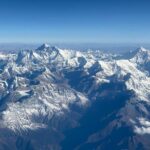
Weather is the big variable in the Everest region. You can be ready in every way and still have plans affected by cloud, wind, and visibility. One note from client experiences that is worth thinking about: there are occasions when people recommend flight-style views (and mention fast timing when weather cooperates), which reinforces the idea that conditions can dramatically change what feels possible.
For your trekking goal, the takeaway is simple: build in flexibility. Pack layers you can adjust quickly, keep your head clear for early starts, and treat forecasts as useful guidance, not a promise.
Is this the right trip for you?
This experience fits best if you want:
- A guided, organized start from Kathmandu
- Time to sort gear before you begin serious trekking
- A private setup for your group
- An itinerary that includes meals, lodging, and transfers during the early days
It may be less ideal if you:
- Want a fully detailed schedule spelled out for the full trek to Base Camp in the initial plan you receive
- Need strict guarantees around refunds or route changes, because your comfort level with the operator’s policies matters a lot
Should you book this Aiselukharka to Everest Base Camp trip?
I would book it if you confirm two things before paying: first, that the trekking-to-Base Camp days are clearly included in what you are purchasing; second, that any route-change or cancellation/refund terms are crystal clear in writing.
If those boxes are checked, the value is strongest in the early phase: Kathmandu orientation, real prep time, and organized transport with a professional guide. That combination helps you arrive at the trail phase calm, prepared, and ready to enjoy the journey instead of fighting logistics.
If those boxes are not checked, the price can start to feel unfair compared to the risk of an unclear timeline. In Nepal, clarity is kindness.
FAQ
What city does this Everest Base Camp trip start from?
It starts in Kathmandu, Nepal, with transfer arrangements on arrival and further pickup and transport during the trip.
What time does the tour start?
The start time listed is 7:15 am.
How long is the experience?
The duration is listed as approximately 3 days.
Is pickup offered?
Yes, pickup is offered, including port pickup and drop-off as part of what is included.
Is the tour private or shared?
It is described as a private tour/activity where only your group participates, though there is also a one-way shared transfer and Day 3 uses a sharing jeep.
What meals are included?
Meals included are breakfast, lunch, and dinner, based on the itinerary.
Are drinks included?
No. Drinks are not included.
Do I need to be moderately fit?
Yes, travelers should have a moderate physical fitness level.
Can I hire trekking equipment in Kathmandu?
Yes. You can use your time in Kathmandu to buy or hire equipment you require for the trek.
Is city sightseeing included?
Half-day city sightseeing to World Heritage Sites is optional and would be arranged if you want it as an extra activity.
Is free cancellation available?
Free cancellation is available up to 24 hours in advance of the experience start time for a full refund.