REVIEW · KATHMANDU
Conquer the Himalayas: The Ultimate 16-Day Annapurna Circuit Trek
Book on Viator →Operated by Vyas Treks & Expedition · Bookable on Viator
Thorong La rewards real effort. This Annapurna Circuit trek is built for more than passing scenery: you get personalized acclimatization, real cultural stops in Gurung and Manang communities, and the kind of guided structure that helps you keep moving safely at altitude. I also like that it includes both the city warm-up in Kathmandu and the mountain payoff with Thorong La on your radar from day one.
The second thing I like is the practical support: an English-speaking, government-licensed trek leader plus an assistant, with teahouse accommodation and permits handled for you. One possible drawback is the physical reality: several long hiking days and a very early summit push around 3 a.m. means you should train and pack for work, not sightseeing only.
In This Review
- Key highlights to look for
- Kathmandu warm-up: UNESCO time plus a trek briefing that matters
- Khudi and the Marshyangdi River: the trek starts gently, then gets serious
- Jagat to Dharapani: steep shortcuts, cliffs by the river, and a lot of bridge time
- Chame and hot springs: Manang District starts feeling real
- Yak Kharka and the high-meadow feel: where altitude changes the pace
- Manang and monasteries: culture at altitude, not just views
- The steep rock-face segment near Pisang: where the trail gets dramatic
- Thorang Phedi and the Thorong La plan: expect the big early start
- Muktinath to Tatopani to Ghandruk: temple views and warm-water recovery
- Side hikes around Manang: short options that help you learn the area
- Price and included value: what $1,492.27 really covers
- Guides, group style, and the safety net you actually notice
- Should you book this Annapurna Circuit trek?
Key highlights to look for
- Personal acclimatization approach to help you manage altitude as you gain elevation
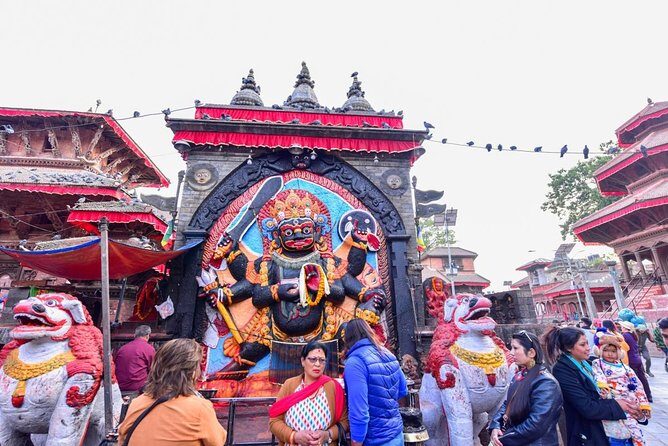
- Thorong La Pass views from Thorang Phedi and the big east-to-west crossing plan
- Teahouse stays that keep you moving without daily hotel logistics
- Cultural variety across Gurung, Manang, and Thakali villages and monasteries like Barge Monastery
- Hot-spring recovery stops at places like Chame and Tatopani
- Permits included with ACAP and TIMS paperwork handled for you
Kathmandu warm-up: UNESCO time plus a trek briefing that matters
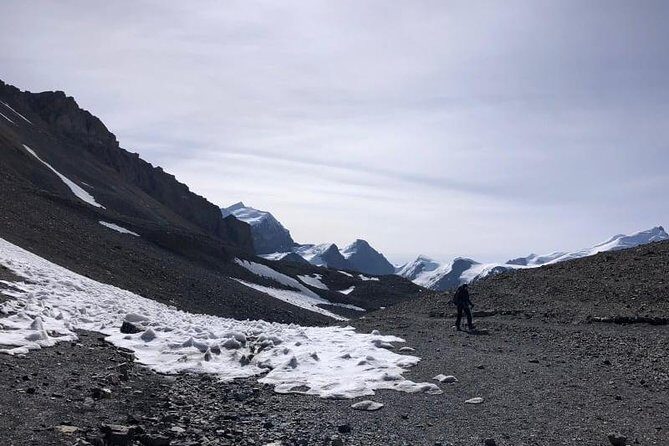
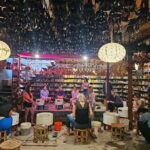
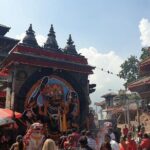
Your trip starts in Kathmandu, with an airport pickup and a private-vehicle transfer to your hotel. You’ll get a day to get your bearings, then a full sightseeing day covering UNESCO world heritage sites, followed by dinner and a trek briefing in the evening.
This matters more than people think. Kathmandu is your chance to sort gear, understand how the group moves, and ask basic questions about pace and altitude. And with permits and trekking paperwork part of the package, you’re not stuck in admin limbo while you’re also trying to get mentally ready.
What to expect: easy city time, then a calm evening briefing before the first hiking day.
My take on value: getting the paperwork and meeting the team up front makes the mountain feel less chaotic later.
You can also read our reviews of more hiking tours in Kathmandu
Khudi and the Marshyangdi River: the trek starts gently, then gets serious
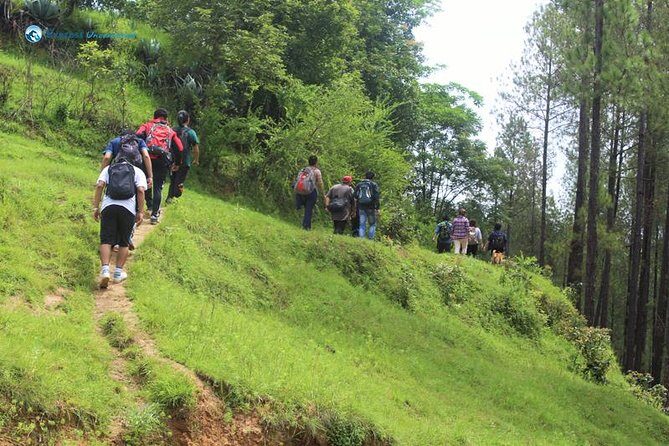
After you drive into the hills via the Trishuli River area and connect toward Pokhara/Besisahar, you reach Khudi, the trek’s starting point. On day one you’ll cross suspension bridges and waterfalls, hike across rice paddies, and move through subtropical forest. The climbs and descents start mild, then sharpen as the trail lifts you toward your first mountain views.
From there, the route runs through a string of villages and river crossings—very classic Annapurna Circuit rhythm. You head from Khudi through places like Sirung, then onward toward Jagat, passing forest and villages, crossing suspension bridges over rivers like Sangu Khola and the Marshyangdi River.
Why this segment is worth it: you’re not just walking from tea house to tea house. You’re building rhythm while watching the scenery and vegetation change, and you get your first close look at the mountains as they start to feel near.
Small drawback to plan for: the suspension bridges are fun, but they also add that “slow but constant” feeling to the day. You’ll be walking for hours even on the easier-feeling days.
Jagat to Dharapani: steep shortcuts, cliffs by the river, and a lot of bridge time
As you move from Jagat toward Dharapani, you’ll see the trail drop toward the river, then climb again through lush forest. There’s a section described as sharp-edged cliff country facing the riverbank, with steep, slippery travel near Sattale. It’s one of those days where balance and foot placement matter more than speed.
You’ll pass Chyamje with big Annapurna backdrops, then keep working through rocky, winding sections. The day ends in Dharapani after another suspension bridge crossing and a mix of forested approach and rugged walking.
What I like about this day type: it teaches you how to hike the Circuit. You learn how to handle uneven footing, how to manage steep climbs, and how to keep your pace when the trail turns technical.
What to watch: if you rush the steep rocky bits, your legs pay for it later.
Chame and hot springs: Manang District starts feeling real
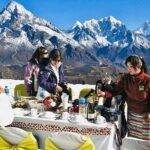
From Dharapani, the hike to Chame takes you along forested ridges and gives you ongoing Himalayan views, including peaks like Lamjung Himal and Annapurna II and IV in the mix. One of the best perks here is that the route includes small hot springs where you can dip to soothe aching muscles.
Chame is also a sense-maker day. You’re walking higher, the air feels different, and you start to understand that the trekking style here is practical: keep going, keep hydrated, and don’t treat every uphill like a sprint.
Pro tip for your comfort: if you want the hot springs benefit, time it so you’re not rushing your morning routine later. Your muscles will thank you.
Yak Kharka and the high-meadow feel: where altitude changes the pace
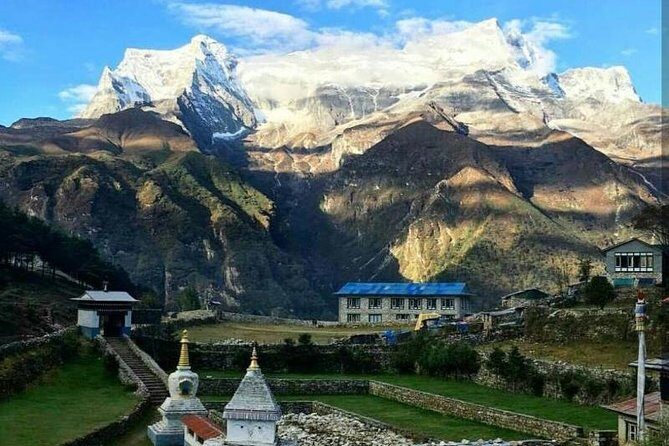
The trek continues upward toward Yak Kharka, passing through Tenki and climbing out of the Marshyangdi Valley toward the valley of Jarsang Khola. The vegetation shifts, with juniper scrub showing up as you gain elevation. You’ll also walk near Ghunsa and then into meadows where yaks and horses graze.
This part is often emotionally satisfying because the terrain opens a bit. You pass an ancient old Mani wall in a meadow, then reach Yak Kharka.
Why it’s valuable: it’s a psychological shift from village hiking to true high-altitude trekking. Even if you don’t feel dramatically different day to day, your body starts to notice the higher effort.
Manang and monasteries: culture at altitude, not just views
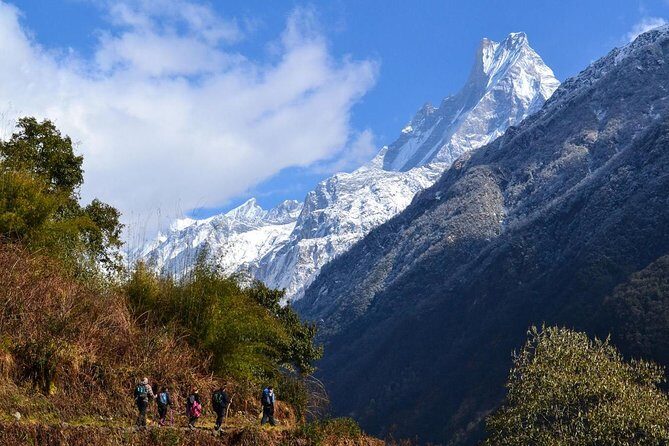
You’ll spend time around Manang, and this section includes a short visit to Barge Monastery, noted as the largest monastery in the district. The route also includes a choice of paths, and you’ll follow a trail that goes toward Upper Pisang via Geru, which is described as delivering excellent views of Annapurna and Pisang.
Here’s why I think this is a strong element: it adds cultural meaning to the altitude grind. At higher elevations, you might otherwise feel like you’re only collecting peaks. A monastery stop gives you a pause that feels connected to the people who live and work in these valleys.
Optional energy check: later in the program there’s also a Manang day with short hikes (like Bhojo Gumba or Gangapurna Lake), plus a chance to visit the Himalayan Rescue Association if you have energy for it. That’s a useful way to connect your hiking experience to real-world mountain health.
The steep rock-face segment near Pisang: where the trail gets dramatic
Before your pass approach, the route includes a steep and narrow path through dense forest that leads to a dramatic rock face rising from the river. The trail is carved into vertical rock in the steepest sections. Once you pass it, the valley opens up again, with mention of Paungda Danda, a massive sloping rock face above the trail, and you end up around Lower Pisang for the night.
My honest take: this is where trekking becomes less about scenery and more about technique. Trekking poles can help, and you’ll want grippy footwear because that carved rock section is the kind of place where confidence matters.
If you’re prone to knee issues: watch your step on descents here.
Thorang Phedi and the Thorong La plan: expect the big early start
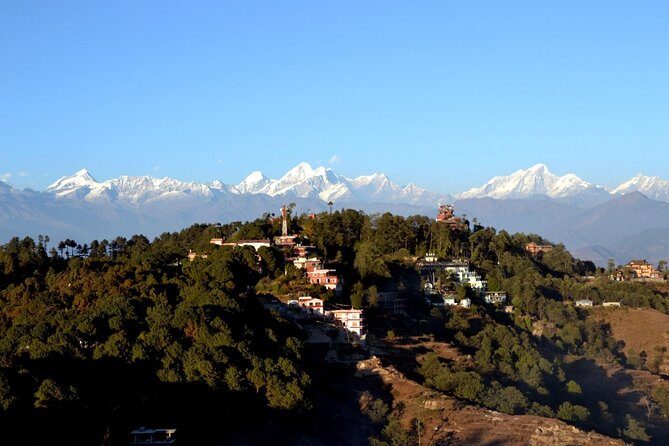
The Thorong La day begins with an uphill walk to Thorang Phedi, described as the foot of the mountain, plus a suspension bridge crossing and a stop near Ledar village. You continue ascending through towering cliffs until you reach Thorang Phedi, the last village before the pass.
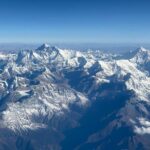
The program highlights major views near this area, including Mt. Gundang, Mt. Syagang, Thorung Peak, and Mt. Khatungkan.
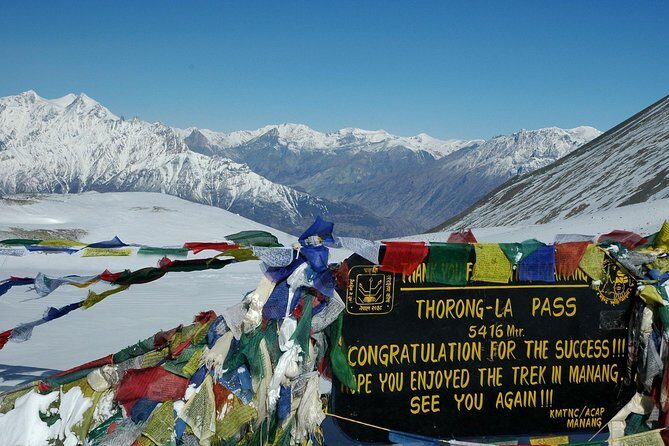
Then comes the part most people build the whole trip around: crossing Thorong La Pass, with the trek described as traveling east to west (Manang to Muktinath). You’re up around 3 a.m. for the summit walk, then you reach the top and head down toward the Muktinath Valley.
Why this is the emotional peak: the pass isn’t just a waypoint. It’s a time test—cold, early, and mentally intense. The reward is that you earn your photos, not just snap them after a lazy breakfast.
Practical caution: if you’re tired or underprepared, the early start will feel brutal. If you train a bit and keep your pace controlled, it feels like a mission you can actually complete.
Muktinath to Tatopani to Ghandruk: temple views and warm-water recovery
After the pass, you move into the Muktinath area. The program frames this as your ultimate objective for the day, then takes you down into Muktinath Valley.
Next, the itinerary includes Tatopani hot springs, described as mostly downhill travel. You cross a bridge at Ghasa and drop back into subtropical forests with lush vegetation. You’ll also hike past Rupse Chahara (waterfall) and continue down through villages where you can see everyday life, including Narchyang Besi with a powerhouse that supplies electricity.
When you reach Tatopani, you relax in the hot spring. This is a smart move in the overall Circuit formula: it gives your body a chance to recover right after the altitude high.
Then you head toward Ghandruk before reaching Nayapul and driving to Pokhara Lakeside. Ghandruk is described as a slope settlement with stone houses, mostly inhabited by the Gurung people. You also get close-up views of Fishtail, Annapurna South, and Hiunchuli mountains.
What I like about this finish: it shifts the trip mood from endurance to comfort. Hot springs help you reset, and Pokhara gives you a smoother landing after the mountain work.
Side hikes around Manang: short options that help you learn the area
There’s a dedicated day with short hiking options near Manang: either Bhojo Gumba or Gangapurna Lake. If you have extra energy, you can hike to Vraga Village to visit the Himalayan Rescue Association, which gives you insight into Acute Mountain Sickness (AMS).
I like that this day isn’t wasted time. It gives you a chance to move without pressure, and it adds education so the altitude lessons make more sense to your body.
Who this suits: trekkers who want both challenge and clarity, and who like to understand what they’re experiencing.
Price and included value: what $1,492.27 really covers
At $1,492.27 per person, this is not a budget trek. But it also isn’t just “pay and hope.” Your package includes teahouse accommodation, Kathmandu city sightseeing by private vehicle, airport transfers in a private vehicle, and a government-licensed English-speaking trek leader plus assistant.
You also get the trekking permits and paperwork handled, including ACAP and TIMS, plus all fees and taxes. For many trekkers, permits and admin are the hidden pain. Having them included is a real value.
What’s not included is also clear: Nepalese visa fee, international airfare, travel and rescue insurance, tips, alcoholic drinks, and personal expenses. Extra baggage charges and extra nights in Kathmandu or Pokhara if your travel dates shift are also on you.
My practical take: if you’re the type who wants less logistical stress (permits, guides, transfers), this price can feel fair. If you’re already fully organized, the cost is still high, but at least you know what you’re buying: real support, not just a route on paper.
Guides, group style, and the safety net you actually notice
This is a private tour/activity with only your group participating, and the team includes a licensed leader and assistant. That matters on a trek like this where pacing and decision-making can change day to day.
One strong signal from past feedback: a guide named Rajesh was praised for staying by the side of the group and handling a route alternative when a planned high-profile detour was closed. That kind of flexibility is exactly what you want on mountains—plans can shift fast, and you need someone calm who can adapt.
Now, the balanced part. There is also a very harsh warning in one set of feedback accusing an individual named Dipsun Kunwar of scam behavior tied to a trek booking. I can’t verify claims like that from the limited information here. Still, it’s a good reminder to do two things: get your final trek plan in writing and confirm exactly who the licensed leader and assistants are for your dates.
Should you book this Annapurna Circuit trek?
Book it if you want:
- A guided trek with permits handled and a licensed leader plus assistant
- A trip structure that includes Kathmandu time plus mountain endurance
- A real goal at Thorong La Pass, plus recovery stops like hot springs
- Cultural stops that go beyond just passing through villages
Skip it (or ask tougher questions) if:
- You hate early mornings and long climbing days
- You’re uncomfortable with steep rocky sections and bridge-heavy walking
- You’re not willing to double-check booking details and receipts because you value certainty over convenience
If you’re a fit trekker who likes mountains and people, this trek makes sense. You get the classic Annapurna Circuit arc: river valleys, higher-meadow air, a big pass at the top of the workday, then a smoother finish down in Pokhara.