REVIEW · KATHMANDU
Kathmandu World Heritage Sites Tour Sightseeing
Book on Viator →Operated by NBM Travel Company Pvt. Ltd. · Bookable on Viator
Four UNESCO sites in one smooth day.
I like how this tour hits Kathmandu’s key sacred places without the usual hassle, and I really enjoy the way the guide keeps things clear and accommodating as you hop between temples. I’m also a fan of the built-in wow factor like watching monkey-famed shrines and getting those big-city views from the hilltop spots. One thing to consider: the schedule is fairly time-packed, so you’ll be moving at a steady pace and you may not have long stretches for slow wandering at every stop.
You’ll get admission coverage at each UNESCO site and a lunch break, which helps you avoid the small, annoying cost surprises that pop up on your own. It also means you can spend more energy on what you’re seeing, like the prayer wheels and stupa styles at the Buddhist sites. The only drawback is that you’ll want to plan for crowds and keep an eye on your valuables, especially around temple areas.
This is also a good cultural day: Hindu and Buddhist spaces are placed side by side, so the stories start to connect in your head fast. If you like religious art, architecture, and people-watching with context, you’ll probably leave feeling like you understand Kathmandu a little more than you did when you arrived.
In This Review
- Key things I’d watch for on this tour
- A private day built around UNESCO storytelling
- Morning logistics: where you meet and how the day flows
- Stop 1: Pashupatinath Temple and the sacred Bagmati River mood
- Stop 2: Boudhanath Stupa, Mani walls, and Tibetan-style calm
- Stop 3: Swayambhunath monkey temple and the Buddha story in stone
- Stop 4: Kathmandu Durbar Square, Kumari, and royal-era artistry
- Price and value: what you’re really paying for at $183
- Timing, crowds, and respectful visiting tips that actually help
- Who this tour fits best (and who might want something else)
- Should you book the Kathmandu World Heritage Sites Tour?
- FAQ
- How long is the Kathmandu World Heritage Sites tour?
- What time does the tour start?
- Which UNESCO World Heritage Sites are included?
- Is pickup and drop-off included?
- Are admission tickets included?
- What languages does the guide speak?
- Is lunch included?
- Is this a private tour?
- What is the cancellation policy?
Key things I’d watch for on this tour
- Private vehicle + pickups/drops keep your day calmer and easier to manage
- Admission tickets included means you can focus on the sites, not ticket lines
- Three different spiritual vibes across Hindu temples, Tibetan-style Buddhism, and Durbar Square royal heritage
- Monkey-temple stops at both Pashupatinath and Swayambhunath add a fun, memorable edge
- Mani walls and prayer wheels are built into the experience, not just background scenery
- Good, friendly guiding makes the history feel practical instead of like random facts
A private day built around UNESCO storytelling
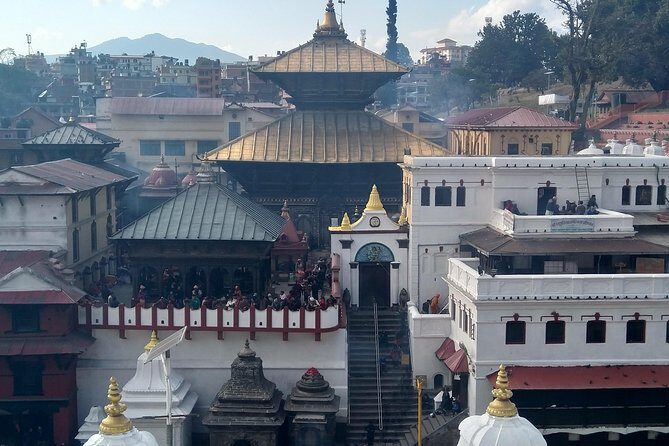
Kathmandu can feel like information overload at first. Streets are busy, temples have deep layers, and it’s easy to miss what’s important if you’re just walking and looking. This tour works because it strings four UNESCO sites together into a single narrative: the way daily worship, royal-era art, and Buddhist/Tibetan practices all share space in the city.
What makes it especially worthwhile is that it’s private. You’re not stuck in a big group that only stops for quick photos. Instead, you have a guide who can pace the day and explain the significance of what you’re seeing. That’s also why the experience tends to feel friendly—people notice when someone stays accommodating and patient.
The tour runs about 6 to 8 hours, starting at 9:15 am. With each site roughly one hour, you’ll have just enough time to understand the place, walk the key areas, and still get to the next stop without your legs feeling totally wrecked.
You can also read our reviews of more historical tours in Kathmandu

Morning logistics: where you meet and how the day flows
You meet at Nepal Big Mountain Travel Co. Pvt. Ltd., Chaksibari Marg, Kathmandu 44600. Then you’ll be picked up (or you’ll connect at the meeting point, depending on your pickup arrangements) and moved around in a private vehicle. The tour ends back at the meeting point, but your hotel drop-off is included as part of the pickup/drop arrangement.
This matters because Kathmandu traffic can be real. Having transport arranged means you don’t spend your morning bargaining for rides or trying to figure out which route is fastest. It also keeps the temple timing smoother, since you arrive with less stress and more energy.
Your guide is listed as English/Chinese/Hindi speaking, which is a big deal if you want the explanations to land. Even when you’re seeing the same architecture, the meaning shifts when you can actually follow what’s being said.
Stop 1: Pashupatinath Temple and the sacred Bagmati River mood
Pashupatinath is famous for its sacred atmosphere, and the tour starts you there for a reason. This is the place dedicated to Lord Shiva, and it feels like a living religious center rather than a monument you just look at from the outside.
You’ll spend about one hour here, with admission ticket included. The key thing to notice is how layered the worship space is: you don’t just see the temple structure. You also see the surrounding religious life, including Hindu deities around the area. The tour also points you toward the Baghmat i River, which helps you understand how the site connects to everyday rituals and belief.
One of the practical attractions: monkeys. They’re mentioned as part of the Pashupati experience, so keep your phone secure and avoid leaving anything unattended. You don’t have to panic—just act like you’re in an active wildlife zone. It makes the day feel less like a museum tour and more like being in the real rhythms of Kathmandu.
Time-wise, one hour is enough to grasp what the temple is and to observe key traditions without feeling rushed. If you’re someone who likes photography, you’ll also appreciate that this site gives you strong visual variety—temple details, people in worship, and the river setting.
Stop 2: Boudhanath Stupa, Mani walls, and Tibetan-style calm
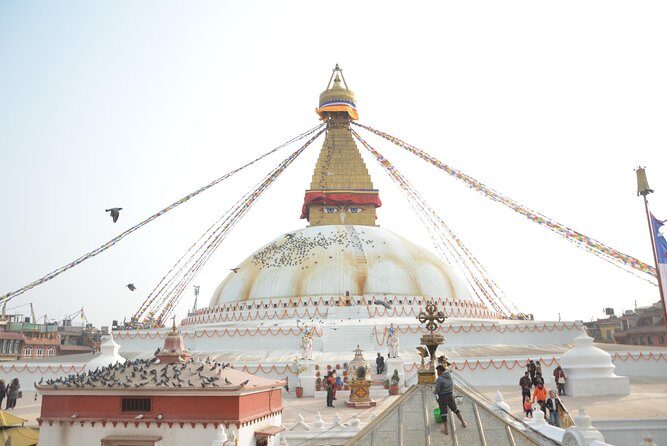
Next you head to Boudhanath Stupa, one of the largest stupas in South Asia. This stop shifts the tone in a way that’s genuinely useful. After the Shiva-focused space of Pashupatinath, Boudhanath brings in Buddhist practice with unmistakable Tibetan influence.
You’ll get about one hour and again, the admission ticket is included. The tour highlights several details that help you understand what you’re looking at:
- The Boudhanath stupa in Buddhist architectural style
- Tibetan monasteries around the area
- Mani walls and prayer wheels throughout the site
Those elements are not just decorative. They’re part of how practice happens in a visible, everyday way. If you watch closely, you’ll start to realize why people come here to walk, chant, and move through the space slowly.
Another nice bonus is the chance to explore nearby Tibetan cuisine. The tour description frames it as an opportunity to discover flavors, and even if you don’t stop for a full meal, simply noticing what’s available helps you connect the religious visit to local culture.
A small consideration: because this site is well known, it can attract crowds. The tour pace helps, though. You still get enough time to get oriented, see the key features, and take in the quieter atmosphere that makes Boudhanath memorable.
Stop 3: Swayambhunath monkey temple and the Buddha story in stone
Swayambhunath is often called the monkey temple, and that name alone is enough to set expectations. But what I like about this stop is that it’s not just about animals—it’s about the overlap of religious traditions and the way the site explains Buddhist thought through art.
You’ll visit for about one hour, with admission included. The tour notes that Swayambhunath is known for the link between Buddhist and Hindu culture. That matters here because this stop includes both spiritual worlds in your field of view, not as separate experiences, but in one place.
Look for these elements highlighted by the tour:
- Stone carvings showing the life cycle of Buddha
- Sculptures and temple details that give the site a layered feel
- Mani walls and prayer wheels that echo Boudhanath’s practice side
- Hindu temples within the complex, including Harati Temple and Saraswati Temple
- A hilltop viewpoint for city views
The city view part is where you’ll feel that classic Kathmandu payoff. The tour specifically mentions positioning yourself to view Kathmandu from atop the hill. If you like photos, start planning your angle early so you don’t waste time once you’re already at the summit.
And yes, expect monkeys. They’re part of the experience, which also means you should keep your routine simple: hold your bag in front of you, don’t juggle snacks, and avoid sudden gestures that could startle them.
This stop is also where the day’s cultural theme becomes clearest. You’re going from Shiva and river ritual to Tibetan Buddhist practice, and now you’re seeing how Kathmandu holds blended symbolism and shared sacred space.




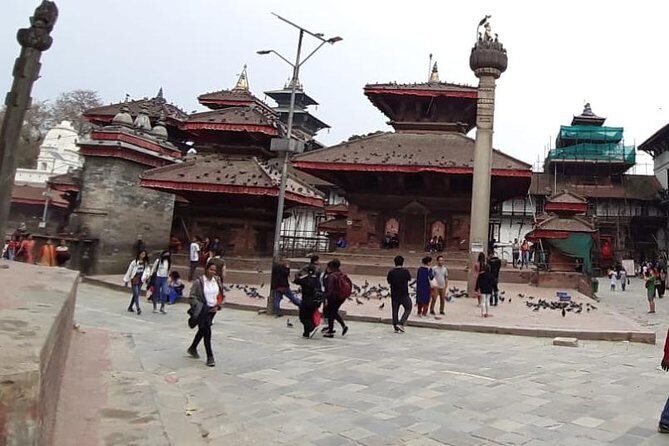
Stop 4: Kathmandu Durbar Square, Kumari, and royal-era artistry
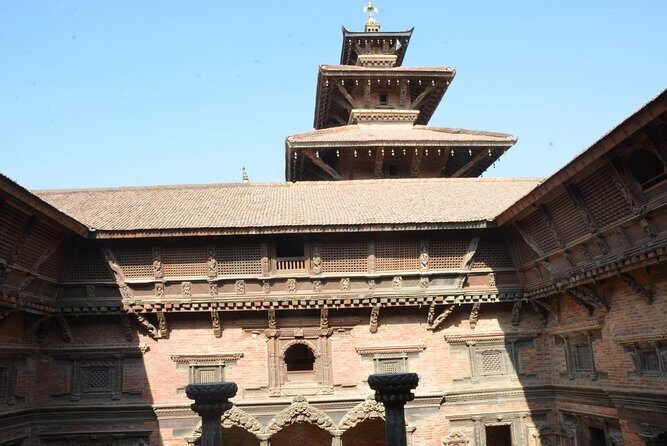
Finish at Kathmandu Durbar Square, a UNESCO site tied to the city’s royal past. This is the place where the day shifts toward art, monuments, and the built heritage of kings.
You’ll spend about one hour here as well, with admission ticket included. The tour describes the area as filled with handmade arts and explains that it connects to kings from the Malla and Shah dynasties, roughly the 12th to 18th centuries. Even if you don’t know dates, you’ll see how the architecture and sculpture communicate power and belief.
Major spots you’ll be guided to include:
- Hanuman Dhoka
- Taleju Mandir
- Hanuman Temple
- Royal Palace
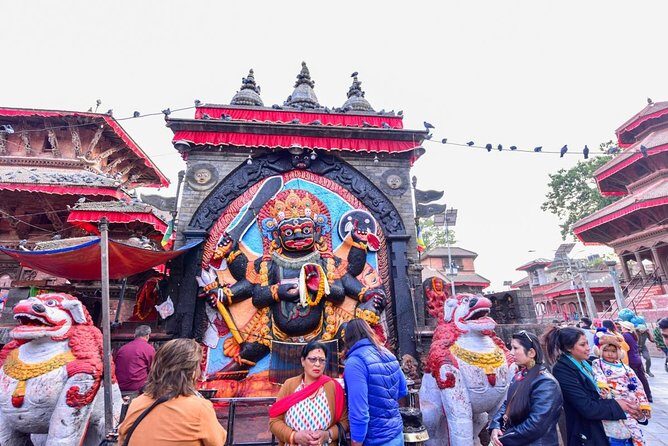
- Kal Bhairab temple
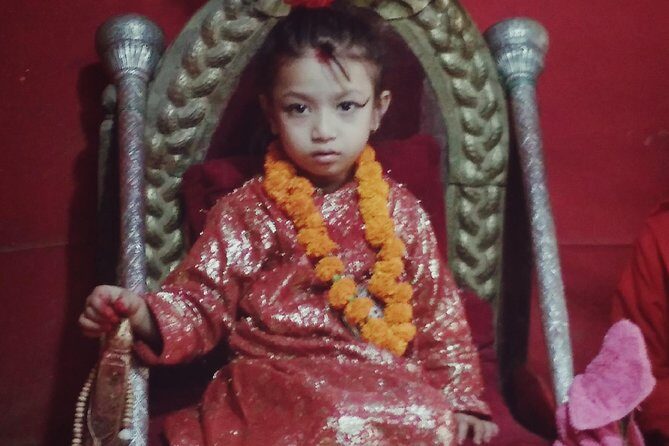
One of the most meaningful elements to focus on is the religious heart of the square: the tour points you to the sacred space for Lord Shiva, Parvati, and the living goddess, Kumari. That’s not a generic sightseeing detail. It’s a major thread in Kathmandu’s living cultural identity, and it helps you understand why the square still feels active even though it’s centuries old.
The tour also notes that the area feels divine even for an atheist, and that same point shows up in a simpler way: the space works visually. There’s a sense of reverence built into the square’s layout and structures. Even if you’re more into history than religion, you’ll likely appreciate the craftsmanship.
If you’re the type who likes finishing with a strong atmosphere, Durbar Square is a solid capstone. It ties the spiritual sites together with the idea that Kathmandu’s identity is shaped by both worship and royal-era art.
Price and value: what you’re really paying for at $183
At $183 per person, this isn’t a budget-only tour, but it also isn’t priced like a luxury private driver with no extras. The value comes from what’s bundled.
Here’s what you get that adds up fast when you price it separately:
- Private transportation in a dedicated vehicle
- Hotel pickup and drop arrangement
- A guide who speaks English/Chinese/Hindi
- Government taxes and office service charges
- Lunch included
- Admission tickets included for each UNESCO stop
So you’re not just paying to get from A to D. You’re paying for the time with a guide plus entry costs plus a prepared route that keeps the day moving.
What’s not included is also important for your budgeting: personal expenses, insurance, and tips (tipping is expected). That means if you plan to shop or snack heavily, you’ll want to bring extra cash. But if your goal is mostly sightseeing with a calm day plan, this price looks reasonable.
I also like that the tour mentions group discounts, but it still stays private for your group. That’s a useful middle ground if you’re traveling with friends or family and want space without losing the chance to save a bit.
Timing, crowds, and respectful visiting tips that actually help
Because each stop is about one hour, your best strategy is to move smart, not fast. Arrive with the mindset that this is a guided overview. You’ll see the key elements, learn why they matter, and then you can decide later if you want to return to a site for more time.
A few practical tips based on what these places are known for:
- Bring sunglasses and water, because temple-hill viewpoints and walking areas can get bright quickly
- Keep your phone and small bags controlled at monkey sites
- Plan to dress respectfully for temples. Loose layers are your friend for long days
- If you’re photographing, focus first on major features the guide points out, then do your casual shots
Lunch is included, but the exact style isn’t specified. Still, it’s a relief to have a built-in break so you’re not hunting for food between stops.
Also, the tour is described as most travelers can participate. That’s a gentle way of saying you don’t need expert skills to join, but you should still expect walking and stairs around temple complexes.
Who this tour fits best (and who might want something else)
This is a strong choice for you if you want a guided cultural day with four UNESCO sites and you care about understanding what you’re seeing. It’s especially good if you like Hindu and Buddhist culture and want both covered in one route: Pashupatinath for Shiva, Boudhanath for Tibetan-style Buddhism, Swayambhunath for the blended tradition, and Kathmandu Durbar Square for royal-era heritage.
It’s also a great fit if you value comfort and stress reduction. Pickup, drop-off, and private transport mean you can stay focused on the places instead of logistics.
If you’re the kind of traveler who wants long, silent time in temples with zero schedule pressure, you might find the one-hour stop structure a little tight. In that case, you could use this as a first big introduction day and then return later to your favorite spot.
Should you book the Kathmandu World Heritage Sites Tour?
If you want an efficient, thoughtful introduction to Kathmandu’s most meaningful UNESCO landmarks, I’d say yes—especially because the tour is private, includes admissions and lunch, and has a guide who keeps the experience friendly and accommodating. You get both major sights and enough explanation to make them feel connected rather than random stops.
Book it if:
- You want four UNESCO sites in one day without juggling tickets and transit
- You care about learning the cultural significance, not just taking photos
- You like a relaxed private setup over group scrambling
Skip it (or consider a slower follow-up) if:
- You need long hours at each site for deep personal time
- You prefer total freedom to linger without a structured schedule
- You’re expecting a low-crowd, quiet experience at every stop
Either way, this is the kind of day that leaves you with a sharper picture of Kathmandu—where Hindu and Buddhist traditions aren’t separate worlds, but often share the same city streets and sacred spaces.
FAQ
How long is the Kathmandu World Heritage Sites tour?
It’s listed as about 6 to 8 hours, with the day planned around four UNESCO stops.
What time does the tour start?
The start time is 9:15 am.
Which UNESCO World Heritage Sites are included?
The tour includes Pashupatinath Temple, Boudhanath Stupa, Swayambhunath Temple, and Kathmandu Durbar Square.
Is pickup and drop-off included?
Yes. The tour includes hotel pickups and drops in a private vehicle, and it ends back at the meeting point.
Are admission tickets included?
Yes. Admission tickets are included for each stop.
What languages does the guide speak?
The guide is listed as speaking English, Chinese, and Hindi.
Is lunch included?
Yes, lunch is included in the tour.
Is this a private tour?
Yes. It’s private, and only your group will participate.
What is the cancellation policy?
Free cancellation is available. You can cancel up to 24 hours in advance of the experience for a full refund. If you cancel less than 24 hours before the start time, the amount paid isn’t refunded.