REVIEW · KATHMANDU
Manakamana Darshan- Day Tour
Book on Viator →Operated by Alpine Club of Himalaya · Bookable on Viator
One cable car saves a lot of time. This day trip takes you from Kathmandu Valley out to Manakamana Temple for the legendary story of the goddess, then brings you back without a long hike. I like that the tour is built around a simple rhythm: drive, cable car, temple time, lunch, then return. I also like the practical inclusions—permits, taxes, and the cable car ticket are wrapped into the price.
The main thing to consider is timing. The day is roughly 5–8 hours, and you’ll be spending a big chunk of that on the road, so it helps to plan for early starts and traffic slowdowns outside the city.
In This Review
- Key points I’d bookmark
- Why Manakamana by cable car beats a long trek
- The Kathmandu to Kurintar drive: comfort and patience
- The cable car ride: 2.8 kilometers in about 10 minutes
- Inside Manakamana: what to expect at the temple
- Lunch included: planning that actually helps
- Price and value: why $180 can be reasonable here
- Service quality: what good guides do on a long day
- How the 5–8 hour schedule feels in real life
- Who should book this tour, and who might not
- Should you book this Manakamana Darshan day tour from Kathmandu?
- FAQ
- How long is the Manakamana Darshan day tour from Kathmandu?
- What is included in the tour price?
- Is hotel pickup included?
- Do I need to pay for the cable car ticket separately?
- Is lunch included?
- What is not included in the tour?
- Is this tour private or group-based?
- What if my plans change and I need to cancel?
Key points I’d bookmark
- Cable car instead of a 3–4 hour trek up to the hilltop temple
- Kurintar to Manakamana is about 2.8 kilometers and around 10 minutes
- All necessary permits and government taxes included
- Lunch included, so you’re not hunting for food mid-day
- English-speaking guide + private vehicle for a more comfortable day
Why Manakamana by cable car beats a long trek
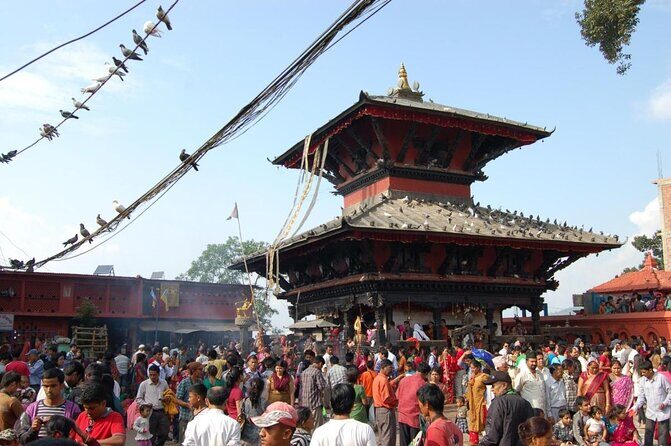
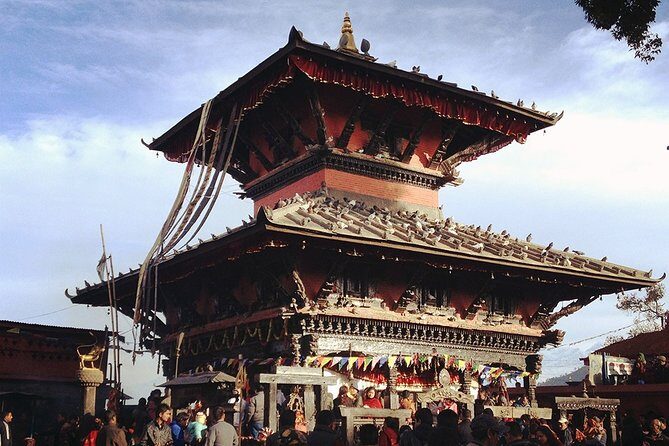
Manakamana Temple sits high above the Kathmandu Valley, and the usual way people reached it for generations was by a long trek—often described as 3 to 4 hours. This tour keeps the pilgrimage feel while cutting the physical workload fast. You get the payoff—views over the valley, temple time, and the chance to soak in the legend—without spending half your day hiking uphill.
That legend is a big part of why this place draws people in. The story centers on the Manakamana goddess and ties back to the 17th century, during the reign of the Gorkha king Ram Shah. Even if you’re not the type who studies temple history before a trip, the guide’s explanation tends to make the visit feel more personal and less like just taking photos. You’ll also learn what the temple is known for and why the place matters to pilgrims.
The cable car changes the vibe, too. Trekking tends to build a slow, sweaty anticipation. Cable car builds a quick, smoother transition—more time to look around, less time to recover.
You can also read our reviews of more tours and experiences in Kathmandu.
The Kathmandu to Kurintar drive: comfort and patience
Your day starts with an early morning drive from Kathmandu to Kurintar, where you catch the cable car. The transfer is about 4 hours from Kathmandu to Kurintar, and the total tour time ends up around 5–8 hours.
What you’ll like here is the format: the tour includes ground transport in a comfortable private vehicle, and it’s designed to keep you from dealing with local transit on your own. If you’re traveling with jet lag, this is the kind of setup that makes the day feel easier. The road out of Kathmandu can be a workout in itself, and having a driver who knows the route helps you stay focused on the goal.
One of the strongest signals from earlier experience is that the operator has handled real-world conditions well. In one write-up, there was mention of massive road works along the road to Manakamana, and the day still ran smoothly thanks to the team’s planning. That matters because construction delays are common in the region; you want a setup that keeps you calm and on schedule.
Practical advice: wear something comfortable for the ride. You’ll also want to keep your phone/camera handy, because valley views begin to appear as you head out of the city.
The cable car ride: 2.8 kilometers in about 10 minutes
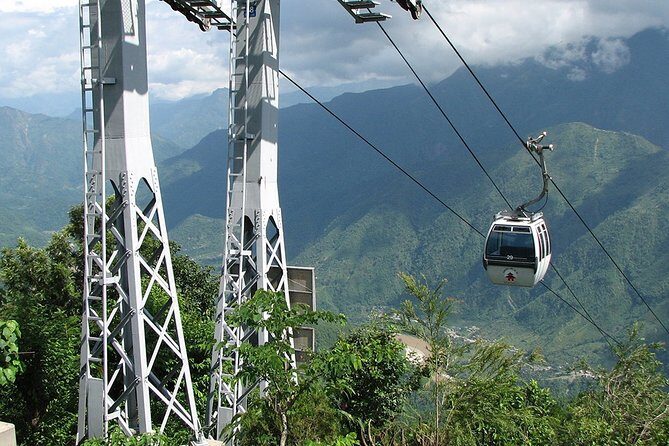
The cable car service runs from Kurintar to Manakamana Temple. The ride covers about 2.8 kilometers and takes roughly 10 minutes. That’s short enough that you won’t spend half your morning suspended in the air, but long enough for the views to land.
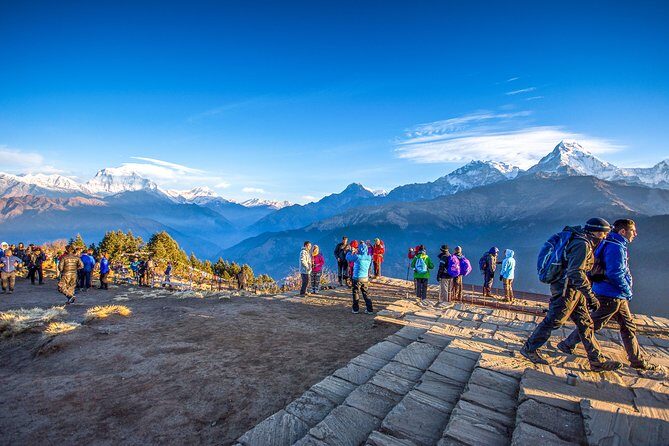
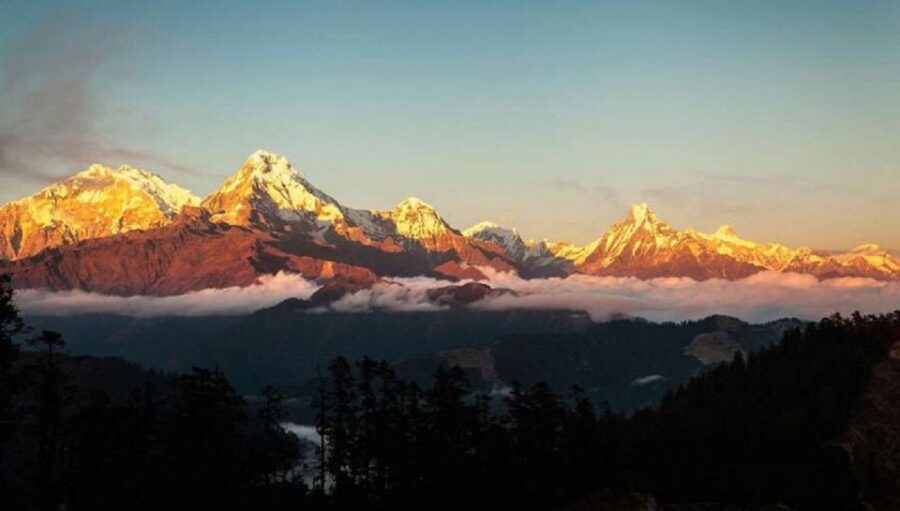
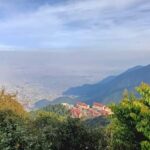
If you care about photography, this is a good moment to take your time. You’re high enough to see patterns of the Kathmandu Valley—ridges, settlements, and the overall spread of the landscape. It’s one of those rare times where the “scenic moment” arrives without requiring effort.
Also, the cable car does something subtle for your energy. Since you’re not hiking, you can save your stamina for the temple area—moving slowly, taking your time with the legend, and spending a little longer where you want to sit, stand, and look.
And yes: you’ll ride up, visit briefly, then go back down. The flow is simple, which is exactly what makes it good for a one-day outing.
Inside Manakamana: what to expect at the temple
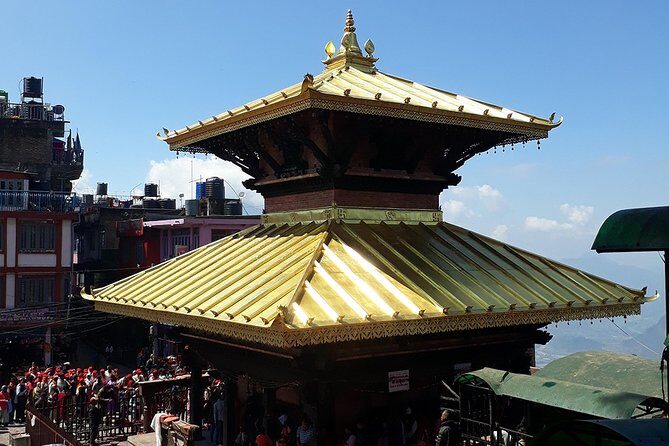
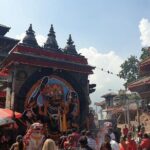
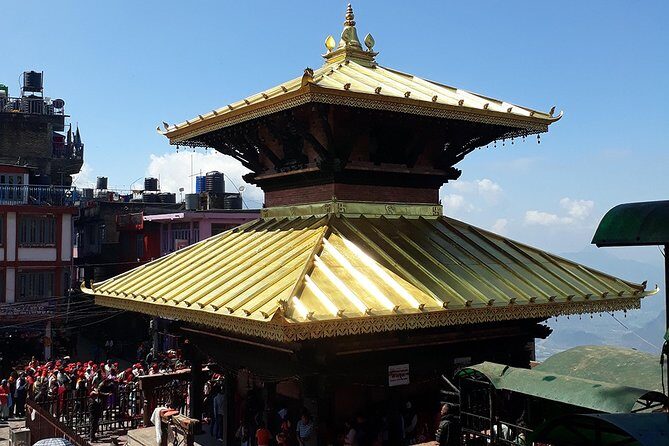
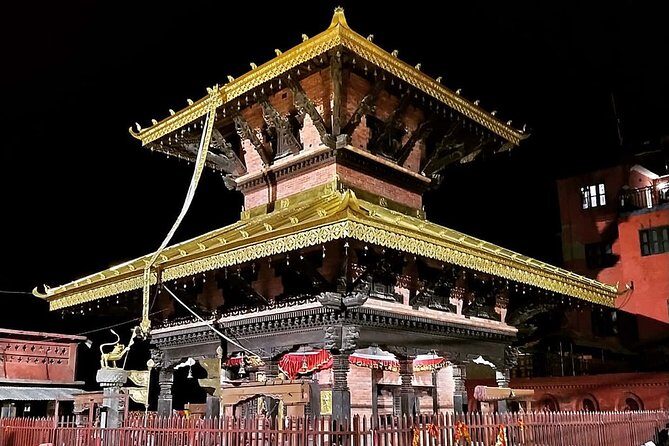
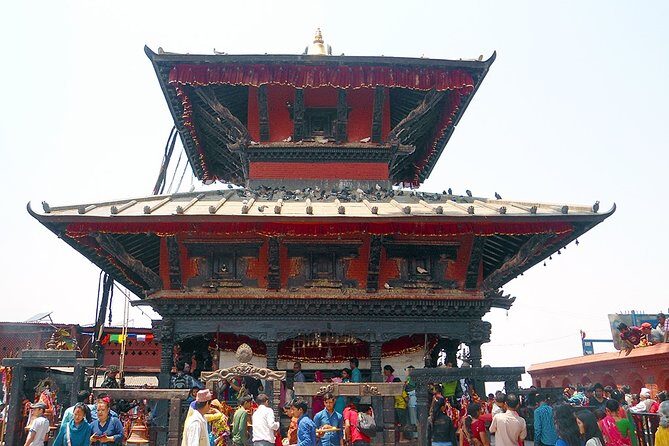
At the top, you’ll do a short visit to the Manakamana Temple. This is the core “darshan” moment—time to see the temple, take in the atmosphere, and connect to the religious story of the goddess tied to Ram Shah’s reign in the 17th century.
Even though the visit is described as short, it’s not meant to feel rushed. The tour is built for people who want to experience the place and learn the meaning behind it, not just check it off. A good guide explanation here can make temple details click quickly: what the legend is about, why pilgrims come, and what people typically pay attention to while they’re there.
The biggest practical win: because you don’t trek for hours, you can actually enjoy the moment instead of arriving drained. For many people, that’s the difference between a “nice stop” and a day you remember.
A small consideration: temple environments often mean you’re dealing with crowds, rules, and local rhythms. If you’re sensitive to that, go in with patience and a calm mindset. You’ll enjoy the experience more.
Lunch included: planning that actually helps
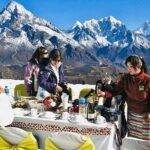
This is one of those tours where the details matter. Lunch is included, served along the way. That sounds basic, but it matters on longer days with early drives, because searching for food can become its own stressful mini-adventure.
What you can take from this: you’re less likely to run behind schedule. When lunch is already part of the plan, you’re not trying to decide on the fly what’s open, what’s safe to eat, and how long it will take to get seated.
Because breakfast and dinner are not included, you’ll want to treat this tour like a half-day meal plan: eat early before you’re picked up (or plan for breakfast on your own in Kathmandu), and then let this lunch cover the main gap. You’ll also want to budget for snacks or water if that’s your style, though the tour description doesn’t specify additional drinks.
Price and value: why $180 can be reasonable here
At $180 per person, this tour isn’t “cheap,” but it’s also not just paying for a driver to drop you off. The price includes a cluster of costs that add up fast in Nepal:
- Ground transport in a private vehicle
- An experienced English-speaking guide
- All necessary permits
- All government taxes
- Cable car ticket
- Lunch
When you compare that to paying separately—vehicle, entry-related permits, cable car fare, and a guide—the value starts to make sense. You’re essentially buying a managed day with fewer logistics to solve.
There’s also a note about group discounts. If you have the chance to travel with a small group, this can help lower the per-person cost while still keeping that private-vehicle comfort.
What’s not included is also clear: breakfast and dinner, personal expenses, tips, and accommodation. So if you’re trying to keep your total trip budget tight, think about meals outside the tour and be ready for tip expectations based on local norms.
Bottom line: if you want Manakamana without wrestling with permits and transport logistics yourself, this price looks more fair than it first appears.
Service quality: what good guides do on a long day
On a day trip like this, service isn’t just a nice-to-have. It’s the difference between an easy outing and a frustrating one.
The tour includes an English-speaking guide, and the earlier experiences linked to this operator highlight that the team shows up on time and keeps things relaxed. One write-up specifically praised a guide named Deepak and described the driver as excellent. Another mentioned team members Tulsi and Lama for making the day feel successful and stress-free even with road construction underway.
Why that matters for you: when you’re spending hours driving and only have a few hours at the main attraction, you want someone who can manage timing and keep you moving at a comfortable pace. You don’t need constant narration every minute, but you do want someone who can explain the legend, answer questions, and make sure the day stays on track.
So the takeaway is simple: prioritize tours with strong on-the-ground coordination. This one is built that way.
How the 5–8 hour schedule feels in real life
Plan for a full day’s rhythm even if the walking is light.
Here’s the basic timeline logic:
- You’ll drive early from Kathmandu to Kurintar (about 4 hours).
- You ride the cable car up in about 10 minutes, do a short temple visit, then ride back down.
- You stop for the included lunch along the way.
- Then you return to Kathmandu at the end of the visit.
The total time range (5–8 hours) reflects variations in how long the road takes and how much time you spend at the temple. That range is normal for day trips outside the city, especially when conditions like construction crop up.
If you’re the type who hates being rushed, aim for the longer end of the estimate. If you’re traveling efficiently and want just the essentials, the shorter end could work.
Either way, this tour is built for a one-day hit: not a slow travel day, but also not a marathon.
Who should book this tour, and who might not
This experience is recommended for all, and it fits especially well if you want the Manakamana Temple experience without a long trek. If you’re traveling with older family members, if you don’t want to commit to hours of uphill walking, or if you just want a smooth day with major highlights, this is a strong match.
It’s also a good fit if you care about the story. The legend of the temple and the goddess tied to Ram Shah’s era is part of the visit, and having a guide helps you understand what you’re looking at.
You might think twice if:
- You want a lot of hiking time or a deeper, longer on-foot experience.
- You’re hoping for a very slow pace with lots of free time. The structure is efficient, not open-ended.
- You’re extremely sensitive to long car rides. The drive is a major part of the day.
Should you book this Manakamana Darshan day tour from Kathmandu?
If your goal is Manakamana Temple with minimal effort and maximum value, I’d say this is a smart book. The cable car ticket, permits and government taxes, private vehicle, English-speaking guide, and included lunch are the kind of inclusions that remove headaches. And the hilltop payoff is real: you get the temple visit plus those valley views, without a 3–4 hour trek.
Book it if you want a calm, well-managed day trip that feels like a real experience, not a logistics puzzle.
Skip it (or choose a different style of trip) if you want a long hike, lots of free wandering time, or a fully flexible day with no fixed structure.
FAQ
How long is the Manakamana Darshan day tour from Kathmandu?
The tour duration is approximately 5 to 8 hours.
What is included in the tour price?
The tour includes ground transport in a comfortable private vehicle, an experienced English-speaking guide, all necessary permits, all government taxes, the cable car ticket, and lunch.
Is hotel pickup included?
Pickup is offered, and you’ll be transported by comfortable private vehicle from Kathmandu.
Do I need to pay for the cable car ticket separately?
No. Your cable car ticket is included.
Is lunch included?
Yes. Lunch is included along the way.
What is not included in the tour?
Breakfast and dinner, personal expenses, tips, and accommodation are not included.
Is this tour private or group-based?
It’s a private tour/activity, and only your group will participate.
What if my plans change and I need to cancel?
You can cancel for a full refund if you cancel up to 24 hours before the experience’s start time.