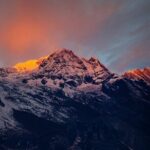
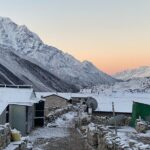
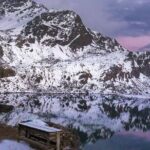
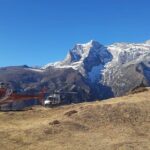
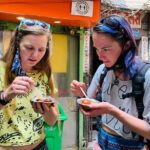
A quiet Himalayan loop with a big payoff. The Manaslu Circuit Trek is tough, scenic, and very human—villages, tea-houses, and big mountain moments on a route fewer people rush through. You’ll be following the Budhi Gandaki River, climbing through changing vegetation, then pushing up to Larkya La Pass (5,160 m).
I like the way the trek is paced. You move steadily from Soti Khola toward higher valleys, then build in an acclimatization day in Samagaon before the high passes. I also like the practical trip package: lodge stays, meals, and the hard parts of permits and local support handled by a licensed guide plus local porters.
One consideration: this isn’t a stroll. You need strong fitness and a solid altitude mindset, and parts of the journey involve rougher roads and serious mountain days. If weather turns, your schedule can shift, so stay flexible and plan for that reality.
In This Review
- Key things I’d circle on the map
- Manaslu Circuit: a less-crowded Everest-sized adventure
- Price and what you get for $1,300 per person
- Getting to Gorkha and Soti Khola: the long approach, well worth it
- Budhi Gandaki River days: Jagat, Philim, Deng, and Namrung
- Samagaon acclimatization: where the mountain starts to look closer
- Samdo and Larkya Base Camp: trade routes meet big ice
- Larkya La Pass (5,160 m): the big day, planned for success
- Bimthang to Gho, then Dharani and Tal: the quieter leg of the circle
- Tea houses, meals, and why routine is comfort at altitude
- Guides, porters, and what “smooth and safe” really means here
- Who should do Manaslu Circuit, and who should think twice
- Should you book this Manaslu Circuit package?
- FAQ
- How long is the Manaslu Circuit Trek?
- Where does the trip start, and what time do you begin?
- Is accommodation and food included during the trek?
- Are trekking permits included, especially since Manaslu has a restricted area?
- What extra costs might I need to budget for?
- Is travel insurance included?
Key things I’d circle on the map
- Larkya La Pass at 5,160 m: the highest, most dramatic day on this circuit
- Restricted-area and permit handling: permits are included, which matters on Manaslu
- Tea-house trekking: you’re staying in lodges most nights, with meals built in
- Acclimatization in Samagaon: a real breathing-space day before Samdo and Larkya Base Camp
- Public express buses for drive segments: cheaper logistics than private jeeps, but less control
Manaslu Circuit: a less-crowded Everest-sized adventure
Manaslu sits in that sweet spot: high-altitude drama without the same stampede you see on the Everest corridor. This circuit is designed to circle the mountain while staying grounded in daily life—Gurung communities, stone paths, prayer flags, and the slow rhythm of walking between villages.
The standout feeling here is variety. You start lower with river valleys and farming areas, then you gradually move into colder alpine terrain. As you climb, the views get sharper and the walking gets more serious—especially as you approach Larkya Base Camp and the pass day.
You also get a cultural angle, because the route passes through multiple settlements rather than only reaching one viewpoint. That means more chances to see how people live, trade, and manage life at altitude, not just how mountains look from afar.
You can also read our reviews of more hiking tours in Kathmandu
Price and what you get for $1,300 per person
At $1,300, this trip can be good value if you compare it to what usually costs extra on trekking routes: permits, guide/porter support, and day-to-day meals and tea-house lodging.
Here’s what’s included:
- Meals on the trek: lunch, dinner, and also breakfast during the trek days, with a cup of tea included with the trek meals
- Accommodation: tea-house lodging for the trek nights
- Permits: all trekking permits are included
- Support: a licensed trekking guide plus local porters
- Kathmandu hotels: 3-star hotel for 2 nights with breakfast
- Transfers: airport pickup and drop, plus drive segments using public express buses
What’s not included matters too. You may need to budget extra for:
- Private jeeps (Kathmandu to Sotikhola is listed at $240 per jeep, and Dharapani to Kathmandu is $340 per jeep)
- Personal expenses like Wi-Fi, hot showers, snacks, and drinks beyond what’s included
- Travel insurance and evacuation insurance (not included)
My take: if you’re okay with tea-house trekking and shared buses, you’re paying for the route itself plus the “how to make it work” parts—permits, guide, and food. If you want private jeeps for comfort or tight scheduling, that can raise the total.
Getting to Gorkha and Soti Khola: the long approach, well worth it
Your trip begins in Kathmandu with an airport welcome and a transfer to a hotel. The first real travel day is a road-and-rumble day that sets expectations for the trek: you’re not flying into a hiking-only bubble.
On the way out, you’ll drive along a paved stretch via Thankot and the Prithvi Highway. You’ll stop around Dhading or Malekhu for tea/snacks—if you’re curious and adventurous, this is where they suggest trying local fish snacks. After that, you continue toward Arughat (noted as the old trek start point) and push onward to Soti Khola.
Past Arughat, the ride gets rougher. That bumpy off-road part is not just “annoying.” It’s your body learning that the circuit is physical all the way from Day 2, not only on the trail. You’ll also have a trekking-focused lunch en route—Dal Bhat is the staple they plan for—so you arrive with energy, not empty tanks.
The day ends in Machhakhola (late afternoon or early evening). This is a typical pattern on Manaslu: you spend time moving into position, then you sleep in a lodge environment that will feel familiar once the real trekking starts.
Budhi Gandaki River days: Jagat, Philim, Deng, and Namrung
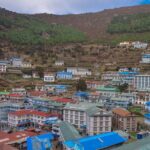
Once you start walking, the Budhi Gandaki River corridor becomes your guide. The trek starts to feel like you’re trading altitude for immersion in everyday Nepal: small villages, cultivated fields, and trails that keep you walking steadily.
A key detail early on is that you enter the Manaslu Restricted area and Manaslu Conservation Area. That matters because it explains why permits are handled as part of the package. In real terms, it’s one less thing you have to worry about while you focus on breathing, pacing, and staying warm.
From the village base (including Jagat) you trek toward Philim. This segment is part of the “warm-up” arc: you’re still learning the trail rhythm, finding your stride, and settling into lodge life.
Then comes the shift to Deng. You’ll pass small villages, cross small rivers, and spend time on rocky and bamboo-heavy sections. There’s also mention of climbing up a rocky stretch through bamboo forest—very typical highland trekking movement: one section feels like it climbs forever, then you crest and suddenly you can see more.
Next is Namrung. This part is notable for agriculture at altitude. You’ll walk through areas with cultivated fields—millets, wheat, and barley are named in the plan. Those details help you understand what you’re actually walking through: not just “scenery,” but working land that communities depend on.
The benefit of this phase is that it builds your confidence. By the time you reach Namrung, your legs are waking up, and your brain understands what a long circuit really is.
Samagaon acclimatization: where the mountain starts to look closer
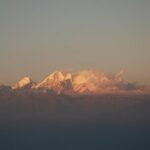
Samagaon is a turning point. You reach it after trekking from Namrung, and the route includes a path toward the Phungen Glacier for a couple of hours along the way. That kind of glacier-adjacent walking is usually the moment when high-altitude reality becomes obvious.
Then you get an acclimatization day in Samagaon. This is one of the smartest parts of the plan. The day is built around visiting a lake and a local village, plus time to absorb the culture around this “origin village” area. In practical terms, it’s not just a rest day. It’s a controlled day where you can move lightly, keep your routine, and reduce the risk of altitude trouble later.
If you’re worried about whether you can handle the pass, this is where you can recalibrate. You’ll see the way locals live at altitude, and you’ll get a feel for how your body responds while you’re not pushing every mile as hard.
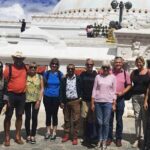
This is also where guides matter. Across the trip’s guide roster, the feedback emphasizes care and professionalism. Names that come up in trip feedback include Sandesh, Veer, Rabin (agency lead), Dhansingh, Aita, Sukra Gurung, and Sushil Gurung—each noted for good pace guidance and keeping you safe and comfortable.
Samdo and Larkya Base Camp: trade routes meet big ice
From Samagaon, you continue toward Samdo. The plan explicitly highlights the kinds of sights you’ll notice here: trading paths and yak-carrying goods, including Chinese and Tibetan merchandise. That’s a great detail because it tells you this isn’t only a trekking route; it’s part of a real movement of people and supplies.
The walking follows streams and includes crossings along the way. In this zone, weather and footing can change fast. If you’ve never walked on icy or near-icy trails, you’ll want to treat the transition seriously—slow steps, firm footing, and no hero moves.
Next, you move toward Dharamsala / Larkya Base Camp. The route mentions glacier-following walking and then crossing a stream coming from Gya la. You reach Larkya Bazaar first, then continue a few hours to Dharamsala.
This part feels like the threshold of the circuit. You’re high enough that the day feels colder even if the sun is out. Your energy needs more respect. And you’re now within reach of the pass day, which is mentally taxing even when the physical effort is just “walking.”
Larkya La Pass (5,160 m): the big day, planned for success
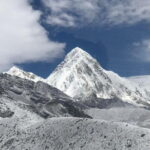
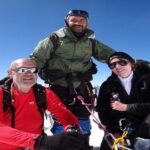
Day 10 is the headline moment: you trek from Dharamsala to Larkya La and then continue on to Bimthang. The plan describes the pass day as a chance to see awesome mountain views and scenery after reaching the summit point.
What I’d take from that: this is not a day for speeding. You’re going up to altitude, and altitude doesn’t reward bravado. Your best strategy is steady, short steps and consistent breathing. When you do reach the pass, the views are the reward—and they’re the kind you’ll remember when your body wants to complain.
After the pass, you start your journey toward Bimthang. That descent matters as much as the climb because it affects your knees and hips. On circuits like this, the pass day is often described as exhausting but also worth it because it transforms your sense of what Nepal looks like at high altitude.
The good news is that the overall schedule supports this. You’re already acclimatized from Samagaon, and you’ve already spent days moving into higher terrain before the pass. That sequence is how you set yourself up for the pass without gambling too hard.
Bimthang to Gho, then Dharani and Tal: the quieter leg of the circle
After Bimthang, the plan continues to Gho. The description emphasizes views and the feeling that Nepal delivers on natural resources—meaning you keep getting mountain moments without the constant intensity of the pass day.
Then the route continues toward Dharani and onward to Tal. Even though this is “after the big crossing” phase, it’s still not easy walking. Your body is now tired in a different way: less from altitude surprise, more from cumulative effort.
Tal is your penultimate stop in the plan. The important practical point here is pacing and recovery. You’re trying to arrive ready to get out fast once the driving day hits.
Tea houses, meals, and why routine is comfort at altitude
This trek is built around tea-house lodging for the trekking days. You’ll usually know what to expect each evening: a warm room, a simple meal, and a cup of tea that becomes a kind of daily bookmark.
The food plan is clear. You have breakfast, lunch, and dinner during trek days, with tea included as part of the meals. Dal Bhat shows up early and is a common choice on this route because it’s energy-dense and familiar to hikers.
In the practical sense, this matters because it reduces decision fatigue. You’re not hunting for meals in remote villages. You can focus on walking and hydration, then return to a predictable routine.
One of the tour feedback highlights included comments about feeling looked after, with guides even helping the day start more comfortably with warm drinks like honey lemon ginger tea and apple porridge. Even if your exact breakfast can vary, the point stays the same: the team’s support helps you feel less “alone in the wild.”
Guides, porters, and what “smooth and safe” really means here
Manaslu trekking requires more than strong legs. It needs judgment on timing, pacing, and conditions. That’s why permit navigation, guide leadership, and porters are included.
The plan specifies a licensed trekking guide and local porters. In the feedback, the most praised part is consistent: guides who are caring, professional, and attentive to comfort and safety. People mention guides being knowledgeable and making the trek smooth, and they also mention good communication from the start.
Names that come up repeatedly in trip notes include Sandesh, Veer, Rabin (agency leadership), Dhansingh, Aita, Sukra Gurung, and Sushil Gurung. If you value a calm, capable guide, this is one of the strongest reasons to consider the company behind the trek.
Also, there’s evidence of flexibility. One feedback story describes a situation where an original plan couldn’t happen due to weather and the team adjusted to Manaslu instead—turning a disappointment into a worthwhile trek. That’s not guaranteed for every departure, but it shows the team has practical experience dealing with the way mountains interrupt plans.
Who should do Manaslu Circuit, and who should think twice
This is for hikers with strong fitness. The trek requires it, and the pass height is substantial. You should also feel comfortable with multi-day trekking where the main job is to keep walking, eat simple meals, and manage altitude steadily.
I think it suits:
- People who want a challenging trek with real village contact
- Hikers who like structure (meals, tea-house stays, permits, guides)
- Anyone who likes that Manaslu is less crowded, so the experience feels more lived-in than stage-managed
I think you should think twice if:
- You’re not ready for altitude work, including the Larkya La day
- You hate basic lodging and simple meals
- You need private-vehicle comfort throughout (because public express buses handle major drive legs, and private jeeps cost extra)
Should you book this Manaslu Circuit package?
If you want a serious Himalaya circuit with permits included, tea-house lodging, and a licensed guide plus local porters, I’d say this can be a smart booking. The price makes more sense when you count the permits and meals baked into the day-to-day, not just the scenic highlights.
Book it if you:
- Want the circuit feel without handling logistics yourself
- Are okay with shared transport segments
- Train your fitness and plan for altitude
Skip or ask more questions first if you:
- Expect guaranteed comfort on every travel segment (the plan includes bumpy road portions on the way out)
- Want to add private jeeps immediately (those are listed as extra costs)
Overall, this is one of those routes where the “hard” parts are also the “real” parts. The circuit gives you a big mountain payoff without pretending it’s easy.
FAQ
How long is the Manaslu Circuit Trek?
The trek is listed as 14 days approximately, with a typical duration around 10 to 14 days on the route.
Where does the trip start, and what time do you begin?
The meeting start time is 7:30 am, and the trip begins in Kathmandu with transfers arranged from the airport and hotel.
Is accommodation and food included during the trek?
Yes. Tea-house accommodation is included for the trek, and the plan includes meals during the trek days (breakfast, lunch, and dinner, with tea).
Are trekking permits included, especially since Manaslu has a restricted area?
Yes. All trekking permits are included, and the route includes entry into the Manaslu Restricted area and Manaslu Conservation Area.
What extra costs might I need to budget for?
Private jeeps are not included. The tour lists private jeep costs of $240 per jeep (Kathmandu to Sotikhola) and $340 per jeep (Dharapani to Kathmandu). Personal expenses (like Wi-Fi, mineral water, hot shower, snacks, and drinks beyond what’s included) are also not included.
Is travel insurance included?
No. Travel insurance and evacuation insurance are not included.