REVIEW · POKHARA
Private 4 – Day Poon Hill Trekking
Book on Viator →Operated by Nepal Alternative Treks & Expeditions Pvt. Ltd. · Bookable on Viator
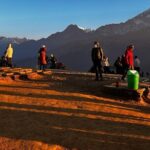
A sunrise over the Annapurna peaks feels unreal. What makes this trek interesting is the private pacing and the plan to use quieter trails that avoid the most crowded sections while still hitting the classic viewpoints. I like that you get real local guidance with a government-registered guide and porter team, not just a generic handoff. I also like the built-in support details that matter on the trail—permits handled, lodge beds arranged, and practical items like water purification and oxygen-saturation tracking. One thing to consider: if clouds roll in, the big Poon Hill sunrise views can be reduced, so be ready to enjoy the mountains even when the sky isn’t cooperative.
That trade-off is normal in the Annapurna region, but the trek itself still delivers. You should also plan for a mix of steep climbs and stone steps, especially on the early hiking days when your legs are still warming up.
In This Review
- What I’d Pay Attention To
- Poon Hill in Four Days: A Short Trek That Still Feels Like Nepal
- Where You Start: Pokhara Lakeside Meeting Point and the 8:15 AM Kickoff
- The First Big Moving Day: Ulleri, Annapurna Views, and the Jeep-to-Trail Switch
- Banthanti to Ghorepani: Stone Steps, Magar Village Life, and High-Mountain Haze
- Poon Hill Sunrise: The Early Hike and Why Clouds Still Can’t Stop the Day
- Rhododendron Forests to Tadapani: The Change of Scenery You’ll Feel in Your Legs
- Tadapani to Ghandruk: Gurung Culture, Mountain Backdrops, and Museum Time
- Transport, Permits, and the Stuff That Keeps Your Trek From Becoming a Project
- Who This Trek Suits Best
- Real-Team Touches: Guides and Porters Who Keep It Human
- Price and Logistics: Is $350 Good Value for Poon Hill?
- Should You Book This Private 4-Day Poon Hill Trek?
- FAQ
- How long is the Private 4-Day Poon Hill Trek?
- Where does the trek start and where does it end?
- What time does the trek begin?
- Is this tour private?
- What’s included in the trek price?
- Are entrance tickets included?
What I’d Pay Attention To
- Alternative route planning to reduce time on roads and avoid the most common crowds
- Private guide + porter support, including their expenses and on-trip assistance
- Poon Hill sunrise timing, with an early morning hike to the view tower area
- Lodges and meals included so you’re not budgeting snack math every day
- Practical trail extras like water purification, trekking duffle bags, and oxygen saturation monitoring
- Ghandruk culture time, with a Gurung Museum visit option after lunch
Poon Hill in Four Days: A Short Trek That Still Feels Like Nepal
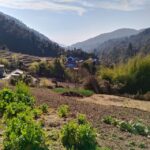
If you want the Annapurna region but you don’t have a full week, a four-day Poon Hill trek is a solid bet. You’ll be moving through classic Magar and Gurung areas, passing rhododendron forests, terraced hills, and viewpoint ridgelines without the heavy altitude commitment of the longer treks.
This specific version is built for comfort and flow. You’re not just walking from landmark to landmark; you’re guided through local routes with the stated goal of avoiding road-heavy sections and the most common crowd patterns. That means you’ll spend more time feeling like you’re on a trail that locals actually use, with chances to notice daily village life instead of only passing through it.
The trek is also genuinely logistically packaged. You start and finish back in Pokhara Lakeside (meeting point at Pokhara Lakeside), and the on-the-ground team handles permits, lodge bookings, and the jeep transfers between key points. You’re still doing a hike each day, but you’re not fighting the admin side of Nepal.
Value note (price): $350 per person for four days is not bargain-bin cheap, but it’s in the reasonable range when you factor in: registered guiding, porter support, permits (including ACAP and necessary permits), multiple meals (breakfast/lunch/dinner counts are included), lodge accommodation during the trek, and overland transport as scheduled. In other words, you’re paying for fewer headaches.
You can also read our reviews of more private tours in Pokhara
Where You Start: Pokhara Lakeside Meeting Point and the 8:15 AM Kickoff
Your trek begins back where many travelers already are: Pokhara Lakeside. The meeting point is listed at the Pokhara Lakeside area (near public transportation), and you start at 8:15 am.
Why this matters: Pokhara Lakeside is the easiest place to get oriented. You can sort last-minute gear the night before, top up on basics, and sleep with the city sounds around you instead of in a remote area. Then the trek team collects you and shifts you from city convenience to trail rhythm.
Also, this is described as a private tour/activity, meaning it’s just your group. That tends to make the pace feel more natural—especially for breaks, photo stops, and the moments where the guide wants to show you something specific on the trail.
The First Big Moving Day: Ulleri, Annapurna Views, and the Jeep-to-Trail Switch
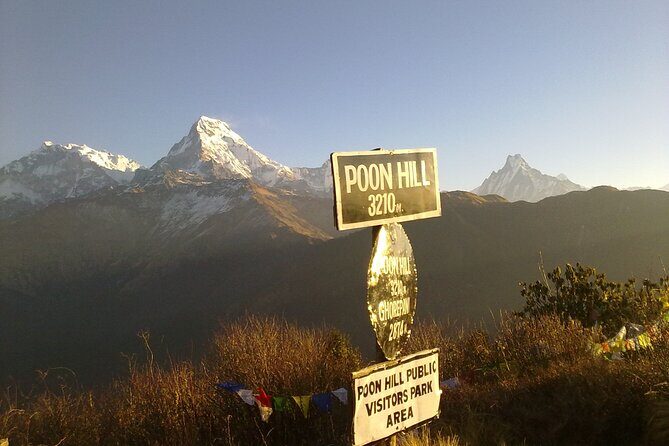
Day one is where you feel the trek transition in a very real way: breakfast first with views, then a jeep ride, then climbing into the hills.
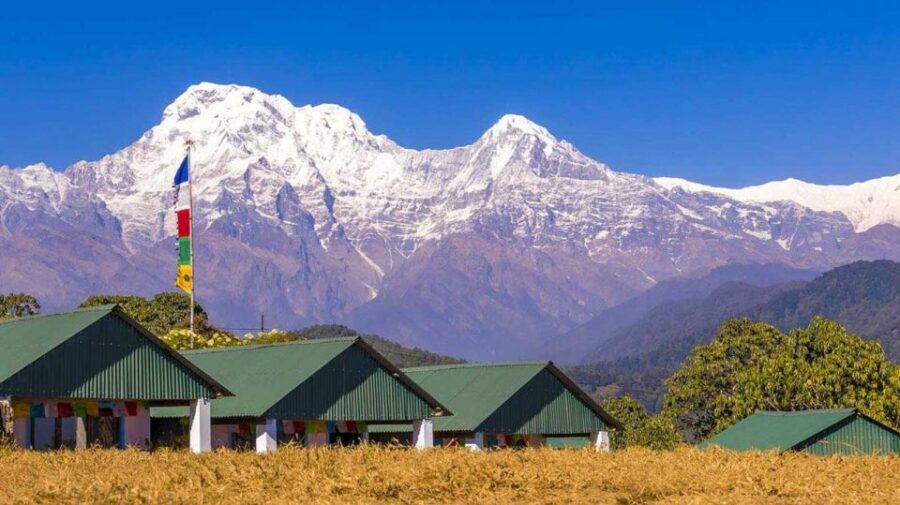
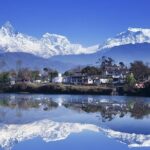
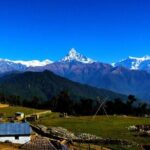
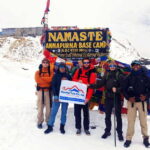
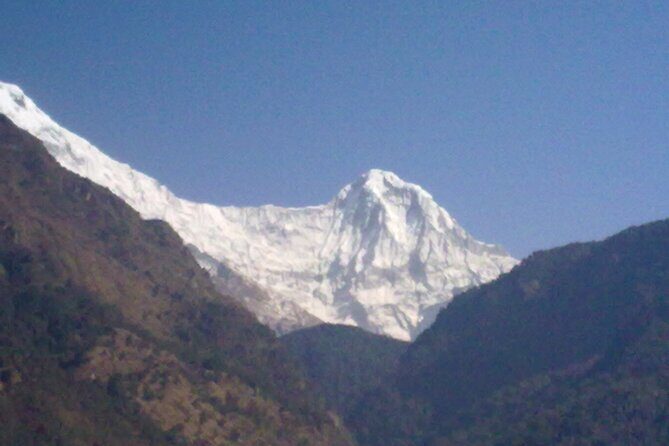
You begin with breakfast overlooking dramatic peak scenery, including Annapurna I (8091m) and Machhapuchhre (6997m). After that, you prepare for the trek and take a about 2-hour jeep drive through the Baglung Highway toward Hile.
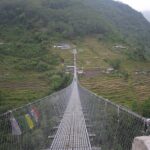
Then comes the trail work. You’ll walk along terraced fields to Hile and the Tirkhedhunga village area, and then you climb steeply toward Ulleri. Ulleri is the kind of place where the morning chill and the slope start to define your mood. After lunch there, you walk roughly an hour to Banthanti and overnight in Banthanti.
What I like here:
- That first day mixes effort with payoff. You get scenery before the hiking hits hard.
- The terraced-field section gives you a calmer “ramp-up” before the steep climb.
Possible drawback:
- Day one includes a steep climb after the road portion. If you’re sensitive to uneven effort, take it easy for the first hour of uphill.
Banthanti to Ghorepani: Stone Steps, Magar Village Life, and High-Mountain Haze
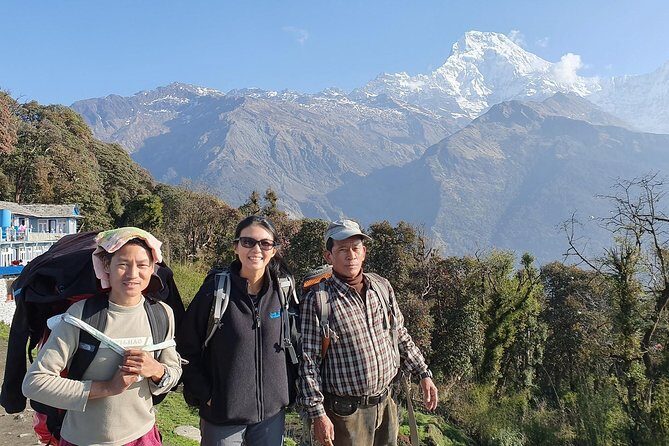
Day two shifts into rhythm: trail rises uphill, stone steps appear, and you get deeper into the classic Poon Hill corridor.
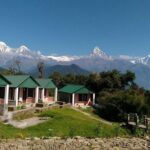
From Banthanti, you climb stone steps toward Ghorepani village. Leaving Banthanti, the route rises toward Nangethanti. Ghorepani sits at 2,874 meters and is a Magar village. The trek description also points out views of Dhaulagiri, Nilgiri, and the Annapurna massif.
You’ll overnight in Ghorepani.
Why Ghorepani is a great “middle” stop:
- It’s high enough that the air feels different, but not so high that you need a long acclimatization story.
- It gives you a base point for sunrise. You’re not doing a long all-day hike and then trying to make it to Poon Hill at night.
You should expect:
- More foot workload than day one. Stone steps are honest. They don’t let you forget you’re trekking.
Poon Hill Sunrise: The Early Hike and Why Clouds Still Can’t Stop the Day
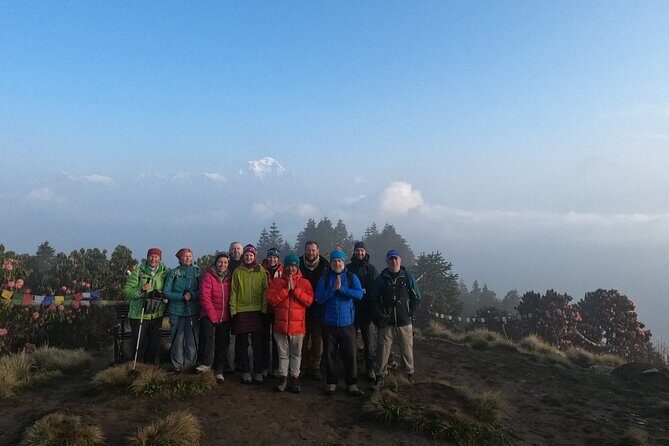
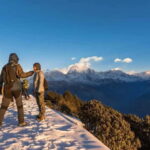
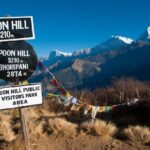
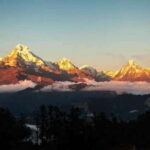
Day three is the headline. It starts with an early morning hike toward the famous Poon Hill viewpoint area (3193m).
From Ghorepani, the description says it’s about an hour-long walk to reach the view tower. The big goal is sunrise: you climb up, arrive for the morning light, then you head back to Ghorepani for breakfast.
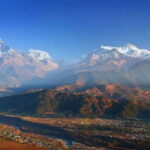
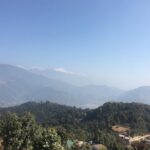
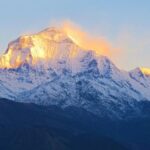
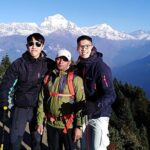
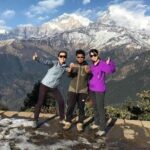
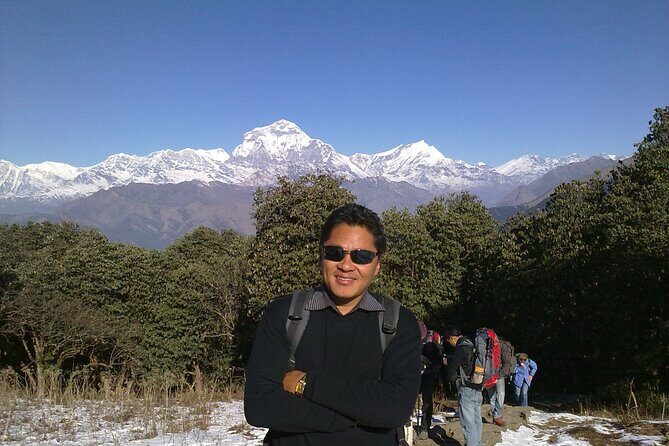
The view range is the reason people plan this trek: panoramas across the Annapurna region and beyond, including Machhapuchhre, Nilgiri, Himalchuli, and Dhaulagiri ranges.
A real-world consideration: clouds can move in. One earlier experience shared here had sunrise views blocked by cloud cover, but the trek still felt memorable because the rest of the route through Nepal’s wilderness delivered plenty of scenery and atmosphere. So if the sky is gray, don’t treat it like failure. Treat it like a reminder you’re in mountain weather, not a picture frame.
Practical tip: even if you don’t get full sunrise spectacle, the early climb is still worth it. Morning air usually offers the best chance for visibility, and the act of walking up while the world wakes is part of the charm.
You can also read our reviews of more hiking tours in Pokhara
Rhododendron Forests to Tadapani: The Change of Scenery You’ll Feel in Your Legs
After sunrise and breakfast in Ghorepani, day three continues with a longer trek section.
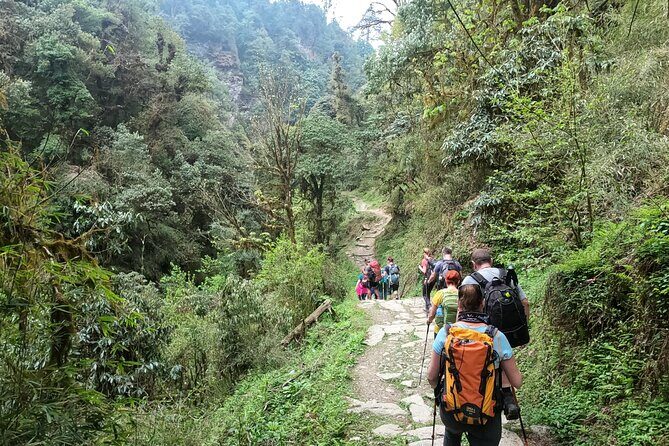
You start climbing northeast toward Tadapani. The route goes past lush rhododendron forests, through areas called Deurali and Banthanti, finishing with overnight in Tadapani. The description lists about 5 hours of hiking for this section, which tells you the day has more than one “push.”
Why Tadapani is a good choice:
- It keeps you in the Annapurna middle elevations without turning it into a marathon.
- Rhododendron forest hiking changes the whole feel—less exposed ridgeline walking, more shade and motion through plant life.
Possible drawback:
- This is the day where fatigue can sneak in. If you go out hard during the sunrise climb, save energy after breakfast for the forest trek.
Tadapani to Ghandruk: Gurung Culture, Mountain Backdrops, and Museum Time
Day four shifts from pure trekking into culture and village perspective.
After breakfast in Tadapani, you hike to Ghandruk, another popular village in the region. Ghandruk is known for Gurung culture and the hospitality of the local people. The trek includes lunch there, and you can visit the Gurung Museum in Ghandruk.
The village itself looks back toward major peaks, with Annapurna (8091m) and Machhapuchhre (6997m) in the background, according to the description.
What makes this part worth planning for:
- It gives you a break from constant uphill movement.
- You get context for the communities you trekked through for days—how they live, how they remember, and how they organize village life.
- A museum visit is especially useful when you’re short on time in Nepal. You don’t need to “guess” what you’re seeing.
Then you finish with a jeep toward Pokhara for overnight in the lake city area and optional time exploring Lakeside nightlife.
Transport, Permits, and the Stuff That Keeps Your Trek From Becoming a Project
A big part of why this trek is easy to recommend is what it covers behind the scenes.
Included essentials:
- ACAP and necessary permits
- A government registered guide and porter (including their expenses)
- All lodge accommodation during the trek
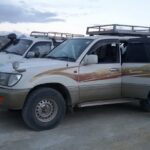
- Overland transportation as mentioned in the plan (including jeep drive segments)
- Breakfast, lunch, and dinner included across the trek days (3 breakfasts, 4 lunches, 3 dinners listed)
- A trekking map, oxygen saturation monitoring, water purification, and duffle bags
- A trek completion certificate
- Assistance for emergency rescue evacuation
- Government tax and service charge
From my perspective, these are the items that prevent the trek from turning into a scavenger hunt. Permits matter in the Annapurna region. Food and lodging arrangement matter because remote areas have variable choices. Water purification and oxygen saturation tracking are the kind of small safety supports that make a difference when you’re tired and your body is adjusting.
Also, device charging, hot showers, and alcohol are not included. That’s common for trekking. It’s worth packing a realistic expectation: charge what you can when outlets are available, and expect mountain showers to be basic when they exist at all.
Who This Trek Suits Best
This four-day Poon Hill trek works well if you:
- Want a classic Annapurna viewpoint experience without a long time commitment
- Prefer a private group with a guide who can adjust walking rhythm
- Like cultural stops, not only scenery hunting
- Want a trip with safety and admin handled: permits, lodging, transport, and practical trail supplies included
You might think twice if:
- You’re extremely sensitive to steep uphill stretches and stone steps
- You’re traveling during periods where clouds often linger and you’ll be disappointed by variable sunrise visibility
Real-Team Touches: Guides and Porters Who Keep It Human
In the experiences shared, the people behind the trip show up clearly.
Some travelers connected with guides like Amar and Dhan, supported by porters such as Sanjay. Others highlighted a guide named Ritika, and they also mentioned the organizer Tej for smooth planning and a responsive approach.
What you should take from that: this isn’t only about peaks. It’s about how the team keeps the trek feeling manageable—especially for people doing a first Himalaya trek or travelers managing mixed comfort levels (like older parents, a picky sibling, and a young child in one story).
Even when weather didn’t cooperate for Poon Hill sunrise, the trekking itself stayed meaningful. That’s often what you remember: the trail days, the people with you, and the moments when the mountains do their own thing.
Price and Logistics: Is $350 Good Value for Poon Hill?
For $350 per person, you’re buying a lot of the “invisible” costs that can quietly inflate trekking budgets.
You get:
- Registered guide and porter coverage (with their expenses)
- Lodge accommodation during the trek
- Permits (ACAP and other required permits)
- Meals across the trek days
- Transport for jeep segments
- Support extras like water purification and oxygen saturation monitoring
- A completion certificate and a trekking map
Where you’ll still pay separately:
- Your hotel and meals in Pokhara (outside of the trek) and any drinks/extra comforts like hot showers
- Travel insurance (not included)
- Tips for guide and porter
- Anything related to personal device charging beyond what’s available in lodges
So is it worth it? If you’d otherwise be organizing permits, scrambling for lodge availability, and figuring out transport timing, yes—this package tends to feel fair. If you’re the type who loves DIY planning and already has all the gear and local knowledge, you might find cheaper options. But you’re then also taking on more risk and more work.
Should You Book This Private 4-Day Poon Hill Trek?
If you want a short Annapurna trek with support that’s actually practical, I’d say book it. The private format, included permits, guide/porter team, lodge stays, meals, and the Poon Hill sunrise target combine into a trek that’s easier on your schedule and your stress level.
Book this if:
- You want a mix of viewpoints and culture (Ghandruk and museum time count)
- You appreciate an alternative route goal to avoid the busiest common paths
- You like the idea of having water purification and oxygen-saturation monitoring built in
Think twice if:
- Sunrise views are your only goal and you’ll struggle if clouds hide the peaks
- You have a very tight physical tolerance for steep climbs and stone steps
For most people, this is a smart way to do Poon Hill in four days: efficient, supported, and still grounded in local trails and real village life.
FAQ
How long is the Private 4-Day Poon Hill Trek?
The trek runs for about 4 days.
Where does the trek start and where does it end?
It starts at Pokhara Lakeside (Pokhara Lakeside meeting point) and ends back at the same meeting point.
What time does the trek begin?
The start time listed is 8:15 am.
Is this tour private?
Yes. It’s described as a private tour/activity, so only your group participates.
What’s included in the trek price?
Included items include ACAP and necessary permits, a government registered guide and porter, lodge accommodation during the trek, overland transportation as mentioned in the plan, meals during the trek days (breakfast, lunch, and dinner counts listed), a trekking map, oxygen saturation and water purification support, duffle bags, a trekking completion certificate, and emergency rescue evacuation assistance.
Are entrance tickets included?
Admission is described as free for several stops, and the Poon Hill visit includes an admission ticket.