REVIEW · KATHMANDU
12 Days Everest Base Camp Trek
Book on Viator →Operated by Himalayan Scenery Treks and Expedition - Private Day Tours · Bookable on Viator
Mount Everest feels close on this classic route. I love the acclimatization rhythm built into the itinerary, and the chance to reach Kalapatthar at 5,545m for sunrise views. I also like that this trip is run with a high-altitude trained guide and practical gear support like an oximeter. The trade-off: the trek is still physically demanding and weather can add pressure.
What makes this trek extra compelling is how the journey blends big mountain goals with everyday Khumbu life. You follow the milky white Dudhkoshi (Milk River) for days, pass Sherpa villages with real warmth, and watch for Nepal’s national bird, the danphe.
You’ll also need to handle logistics and altitude smartly. Lodges are basic, days can start very early, and your pace has to match the altitude rather than your ego.
In This Review
- Key things that make this Everest Base Camp trek work
- Lukla flight and Day 1 down to Phakding: starting fast, staying flexible
- Namche Bazaar day: suspension bridges and the “how high are we?” feeling
- Everest View Hotel acclimatization: a warm day with a big pay-off
- Tengboche and Deboche: monastery sunrise and rhododendron forest timing
- Dingboche acclimatization and Nagarjuna hill: how you earn the next climb
- Pushing to Lobuche and preparing for the glacier approach
- Gorakshep to Everest Base Camp (5,364m): the day you stop thinking and start feeling
- Kala Patthar sunrise at 5,545m: steep, rocky, and worth planning around
- The long return: Namche, Lukla, and giving your knees a break
- Price and value: what $605 buys (and what it doesn’t)
- Guides and the small-group vibe: names you’ll remember
- Who should book this Everest Base Camp trek—and who should think twice
- Should you book this 12-day Everest Base Camp trek?
- FAQ
- FAQ
- How long is the Everest Base Camp trek?
- Where does the trek start and end?
- Is food and accommodation included?
- What permits or entry fees are included?
- Do you travel with a guide and porter?
- Is there any altitude health support included?
- Is cancellation free?
Key things that make this Everest Base Camp trek work
- Flights that get you into the mountains quickly: Kathmandu to Lukla and back via domestic flights, so your hiking actually starts where it should.
- Built-in altitude breaks: Namche + Everest View relaxation day, plus an additional acclimatization day in Dingboche.
- A real summit-style payoff: Kala Patthar sunrise is one of the most dramatic moments on the route.
- Support that goes beyond directions: one highly experienced guide, a porter (1 for 2 trekkers), and an oximeter to monitor how you’re doing.
- A small group size: maximum 20 travelers, with walkie-talkies available for group coordination.
Lukla flight and Day 1 down to Phakding: starting fast, staying flexible
If you like trips that get moving immediately, this one starts with the iconic Lukla flight—about 45 minutes from Tenzing-Hillary Airport. In real trekking terms, that flight matters because it compresses travel time and drops you right into the Khumbu trail network.
Day 1 is a descent from Lukla to Phakding, tracking along the curves of the Dudhkoshi River. That first day is about settling in: you get your legs working, you meet the rhythm of the trail, and you start seeing how lodge life functions up here. Expect a mix of paths and village bustle, but nothing like the harder climb days later.
A practical consideration: Lukla flights can be sensitive to weather, so even when the trek is well planned, build mental room for delays. This is one reason having a guide who keeps the group organized helps a lot.
You can also read our reviews of more hiking tours in Kathmandu


Namche Bazaar day: suspension bridges and the “how high are we?” feeling
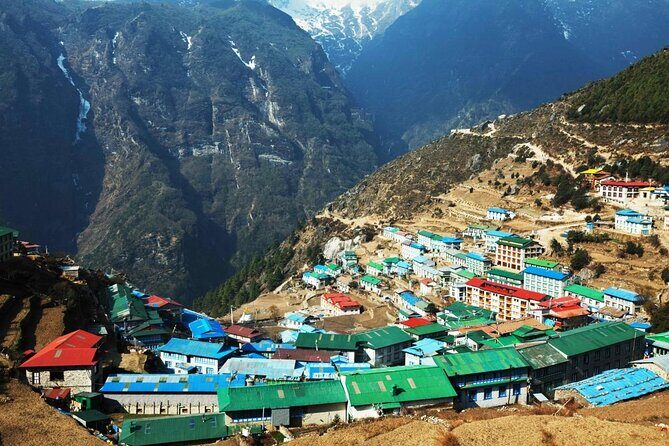
Day 2 is where the trek turns into a proper climb-and-acclimate story. From Phakding to Namche Bazaar, you’ll hike for around 7 hours, with long stretches alongside the river system. Suspension bridges and cable-supported crossings are part of the vibe—useful landmarks when you’re trying to judge effort over time.
Namche is more than a town stop. It’s where trekkers start feeling the altitude in their breathing and appetite, and it’s also where you begin to understand the Khumbu economy: lodges, gear shops, and layers of daily life designed for high-country visitors.
One subtle tip: start early enough to stay ahead of heat and crowds, even if you’re not racing. The day is long, so your best advantage is steady pacing rather than sprinting the first hour.
Everest View Hotel acclimatization: a warm day with a big pay-off
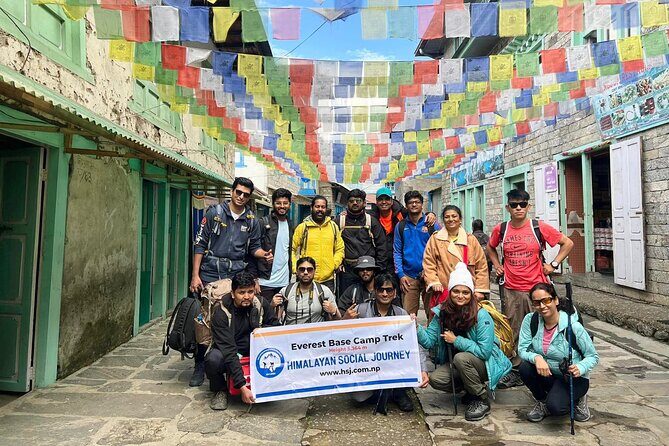
Day 3 shifts gears into acclimatization. Instead of pushing higher with no purpose, you hike to the Everest View Hotel for tea via the Syangboche airstrip—about 2 hours. This is the kind of day that helps you adjust before the heavier pushes start.
I like this setup because it gives you something visually rewarding without turning it into a forced workout. You get a chance to check how you feel, hydrate, and practice the most important altitude habit: going slower than you think you should.
If you’re the type who worries you’re losing time, this is the day that proves you’re not. The trek doesn’t just throw you into altitude; it steps you up carefully.
Tengboche and Deboche: monastery sunrise and rhododendron forest timing
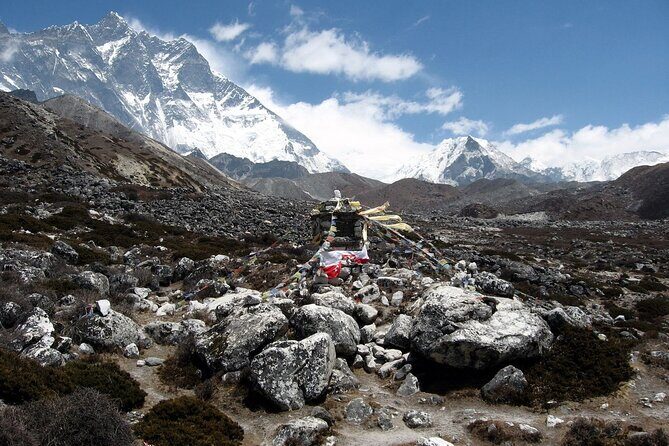
On Day 4, the plan moves toward Tengboche after about a day and a half of recovery in Namche. Expect a steep climb at the start followed by a more moderate stretch. Tengboche is famous for its spiritual centerpiece, and it’s one of the best places on the route to slow down and take in how Sherpa communities connect faith, season, and mountain life.
Day 5 leans into that connection. You’ll aim for an early wake-up for sunrise from the monastery area. After breakfast, the route descends through a rhododendron forest to Deboche (3,320m)—around 6 hours.
The drawback here is also simple: early mornings. Sunrise treks are beautiful, but they ask you to treat sleep like a training tool. If you tend to get cranky before caffeine, plan for it.
Dingboche acclimatization and Nagarjuna hill: how you earn the next climb
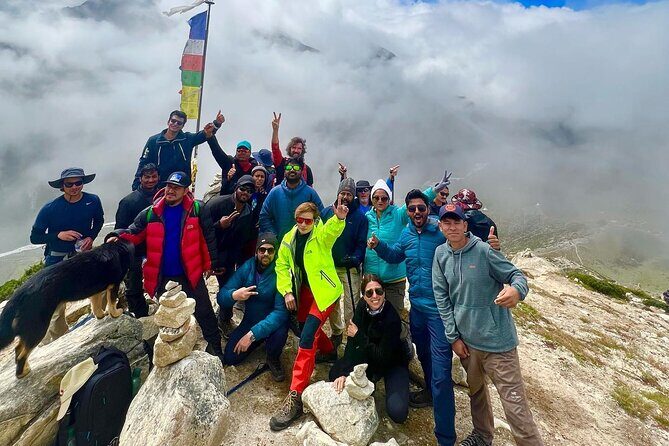
Day 5 moves you toward Dingboche, and Day 6 gives you a true acclimatization day. Once you’re around the 4,400m range, the trek intentionally slows down. You’ll take a leisurely hike to Nagarjuna for acclimatization and surrounding views.
This day is the difference between a trek that feels manageable and one that feels like a constant struggle. Altitude isn’t something you can outwork, so you’re practicing a smart strategy: move gently, rest well, and let your body adjust.
For beginners and seniors, this is also where the trip earns its “doable for many levels” reputation. You still need stamina, but the itinerary is built around sensible altitude pacing rather than pure ambition.






Pushing to Lobuche and preparing for the glacier approach
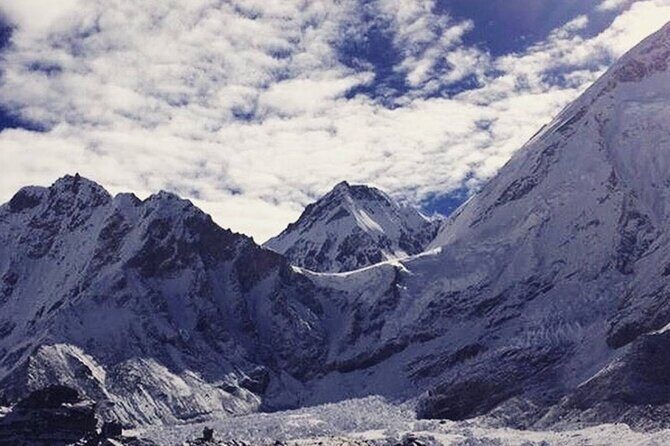
Day 7 takes you toward Lobuche in about 6 hours. The terrain shifts as you head into a wider valley under peaks like Cholatse and Tawache. You’re also getting closer to the rougher, rockier sections that come later.
This is a day where good group energy matters. The itinerary includes walkie-talkies for group trekkers, which can help when weather or visibility shifts. In practice, it means fewer chances of confusion and more consistency in meal and departure timing.
Also, keep your focus on small wins: consistent footsteps, steady hydration, and not overdoing it on the first steep stretch. When you’re building toward Base Camp, your goal is to arrive tired but functional, not exhausted.
Gorakshep to Everest Base Camp (5,364m): the day you stop thinking and start feeling
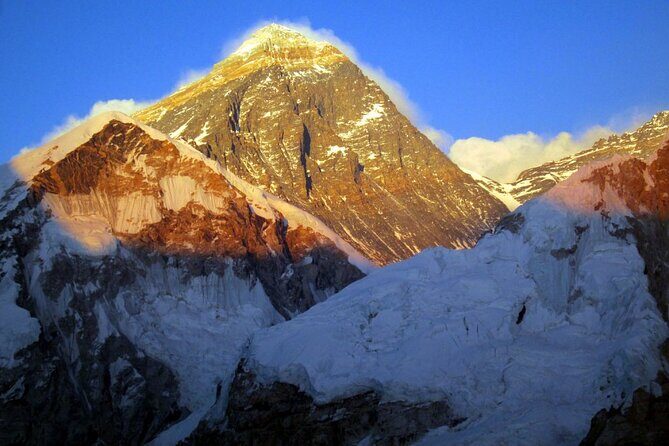
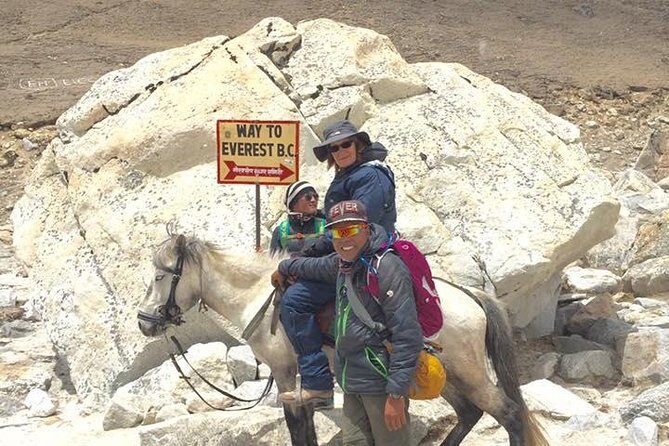
Day 8 is the “today is the day” moment. You leave Lobuche for Gorakshep—about 3 hours—then continue to Everest Base Camp. The route involves a rocky ascent along the Khumbu glacier, passing the International Pyramid Labo, and then two more hours of rocky, mostly up-and-down walking near the glacier.
That last section is where the treks usually become real in your body. Your legs notice every irregular step, and your mind finally catches up to what you’ve been aiming for. Reaching 5,364m changes everything: air feels thin, time feels stretched, and Everest stops being a picture.
I like that the itinerary keeps you on the trail with enough time to enjoy the moment rather than treating Base Camp like a quick photo stop. That matters because this is one of those places you’ll want to remember with calm attention.
Kala Patthar sunrise at 5,545m: steep, rocky, and worth planning around
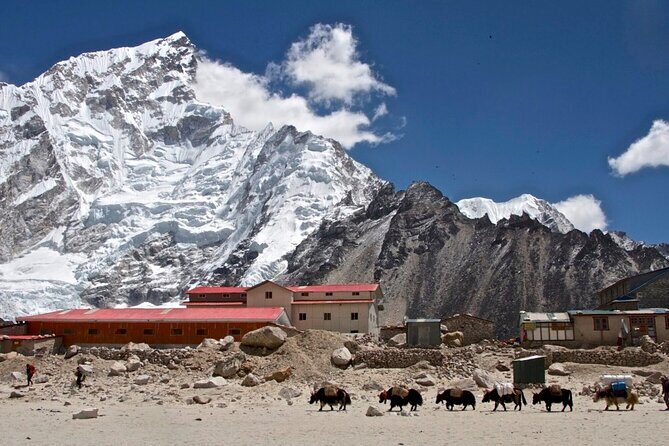
Day 9 starts super early and includes a steep, rocky hike to Kala Patthar. This is one of the hardest-feeling days on the itinerary because the payoff is on top and sunrise doesn’t care about how you slept.
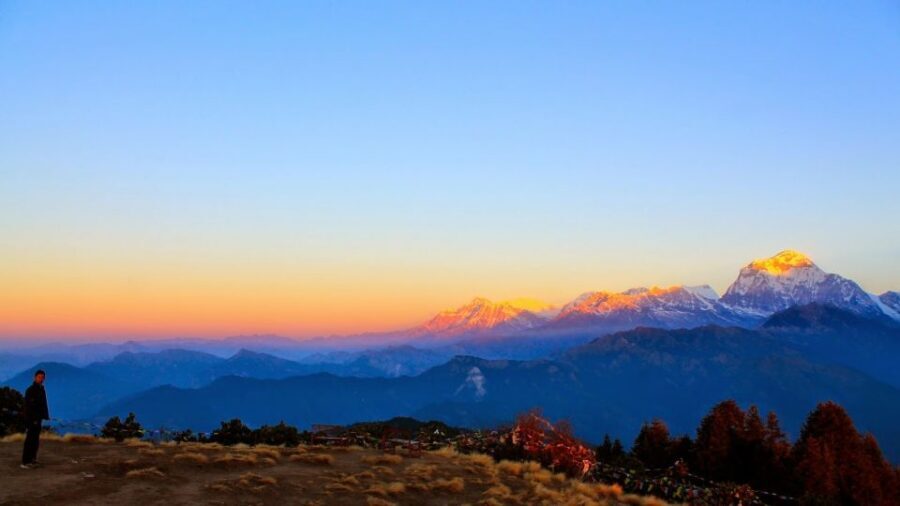
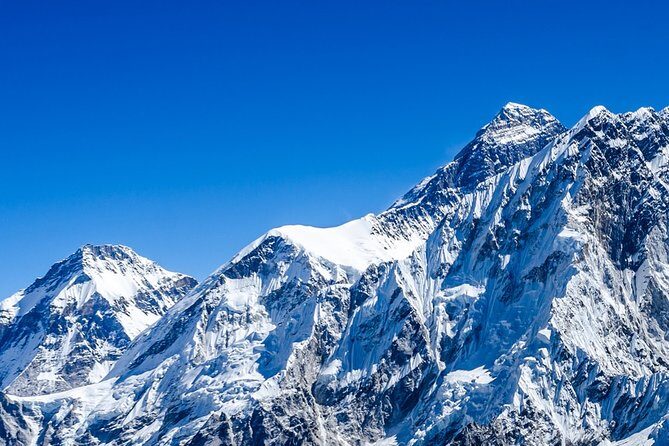
The view from Kala Patthar is the classic reward: you’re positioned for an intense panorama over Everest. You also get a powerful perspective on the trek itself—you can see how long your journey has been, and why people remember this for years.
A practical consideration: this is not the day to “test your luck” with layering. With early mornings, temperature swings can be dramatic. Bring your warm layers, protect fingers and ears, and move steadily rather than quickly.
The long return: Namche, Lukla, and giving your knees a break
Day 10 hikes back toward Namche Bazaar for about 6 hours. Even though it’s described as a long walk, the altitude drops as you go, which can make your breathing easier. Still, your legs will feel the descent like a slow tax.
Day 11 drops you toward Lukla via Monjo and Phakding, with multiple bridge and stream crossings. The time estimate is around 7 hours, and that final stretch is as much about endurance as it is about recovery.
By Day 12, you’re back in Kathmandu with time to reset. This matters more than people think. After a high-altitude trek, the body likes a normal day: shower, good sleep, and eating without calculating elevation.
Price and value: what $605 buys (and what it doesn’t)
At $605 per person, this trek can feel like a bargain, but it only makes sense when you look at what’s included.
Included value that matters:
- Domestic flights Kathmandu → Lukla → Kathmandu
- Three meals a day during the trek (breakfast, lunch, dinner)
- Twin-sharing lodge accommodation during the trek
- A licensed, high-altitude trained guide
- A porter (1 for 2 trekkers) to reduce load
- Entry permits for Sagarmatha National Park plus TIMS
- Trekking support items: map, trekking hat, duffel bag, trekking pole
- Medical-style support: first aid kit and an oximeter
Not included items you must plan for:
- Personal travel insurance
- Snacks, drinks, and personal expenses
- Tips/gratuities for the team
- Personal trekking gear
For context, the included flights, permits, and meals are usually the big-ticket items on EBC treks. If you already own solid gear and plan for insurance, this price becomes easier to justify.
One budgeting tip: even if meals are included, you’ll still want cash for hot drinks, snacks, and the little things that keep you comfortable on early mornings.
Guides and the small-group vibe: names you’ll remember
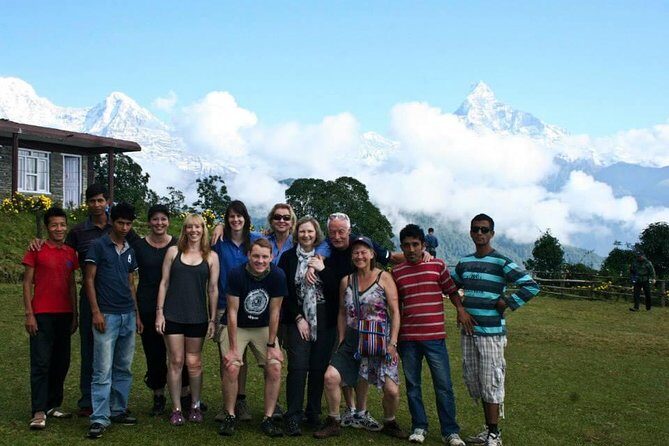
One reason this trek gets praised is the human support. In the supplied feedback, Rajesh Magar stood out for confidence and competence, helping a father and son reach Everest Base Camp and keeping the team moving with morale. Narayan Ntc also got direct credit for making the experience feel smooth and well handled.
You’ll also see examples of how guides adapt to your hiking style. Bikram was credited with recognizing a faster pace and adjusting the rhythm by getting up early and skipping planned lunch spots when the group arrived ahead of schedule. That kind of flexibility matters because EBC is about managing your body, not just following a timetable.
And Gopal is repeatedly described as a strong leader who shared park knowledge and guided acclimatization days with practical insight. While you can’t control weather or your body’s response to altitude, you can control how well you’re managed in the moment. That’s where a capable guide shows up.
Who should book this Everest Base Camp trek—and who should think twice
This tour is a good fit if you:
- Want the classic EBC route with Kala Patthar on the schedule
- Like clear pacing with acclimatization days built in
- Prefer a guided group setup with included meals, lodges, permits, and an oximeter
- Want support from a porter so you can focus on walking
You should pause and think harder if:
- You struggle with early starts or long hiking days
- You don’t have a moderate physical fitness baseline
- You’re relying on the trek being easy just because there’s a guide (it still climbs to extreme altitude)
Also, this trip is capped at 20 travelers, which often makes a difference. Smaller groups tend to be easier to coordinate when weather changes or someone needs more rest.
Should you book this 12-day Everest Base Camp trek?
If you’re aiming for a structured, classic Everest Base Camp experience that handles permits, flights, meals, and altitude pacing, this is the kind of itinerary that makes sense. The combination of Kalapatthar sunrise and real acclimatization time is the main reason to consider it seriously.
I’d book it if you can commit to steady effort, pack warm layers for early mornings, and plan for personal insurance and gear. If you want a fully cushioned trip with zero discomfort, you may find this route asks too much—EBC is meant to challenge you.
FAQ
FAQ
How long is the Everest Base Camp trek?
The itinerary runs 12 days (approx.), from Kathmandu to Lukla and back to Kathmandu.
Where does the trek start and end?
It starts at Tribhuvan Airport in Kathmandu, with domestic flights to Lukla. It ends back in Kathmandu after the flight from Lukla.
Is food and accommodation included?
Yes. The trek includes three meals a day (breakfast, lunch, dinner) and lodge accommodation with best-available twin-sharing rooms during the trek.
What permits or entry fees are included?
The trip includes the Entry Permit for Sagarmatha National Park and the TIMS Card fee.
Do you travel with a guide and porter?
Yes. The trek includes one highly experienced, Government Licensed, high-altitude trained guide and a porter (1 for 2 trekkers).
Is there any altitude health support included?
Yes. The trip includes a first aid kit and an oximeter for checking pulse and oxygen saturation at higher altitudes.
Is cancellation free?
Free cancellation is offered. You can cancel up to 24 hours in advance for a full refund. If you cancel less than 24 hours before the experience starts, the amount paid is not refunded.