REVIEW · KATHMANDU
13 Days Trekking in Annapurna Circuit
Book on Viator →Operated by Blissful Himalayas · Bookable on Viator
Thorong La Pass is the big moment. This Annapurna Circuit trek is built around a classic two-week rhythm—slow altitude climbing, lodge stays, and then the push to Thorong La Pass at 5,416m for big 360-degree Himalayan views. I also like the steady, low-stress setup of all standard meals and tea house accommodations across the route, so you spend more time walking and less time figuring out dinner.
One thing to take seriously: the altitudes here are real. The schedule pushes you to start early for the pass day, and you’ll want to pace yourself and not treat it like a casual hike, even if you feel strong the day before.
In This Review
- Why the guidance and transport matter
- Key highlights worth planning around
- A practical overview of the Annapurna Circuit trek
- Day-by-day: what to expect, and where you’ll feel it
- Day 1: Kathmandu to Besisahar via Bulbule
- Day 2: Bulbule to Bahundanda
- Day 3: toward Chamche, suspension bridges and river views
- Day 4: climbing toward Dharapani through Gurung and Manangi villages
- Day 5: Chame as the Manang District hub
- Day 6: Chame to Lower Pisang with widening Annapurna views
- Day 7: onward to Manang for real acclimatization time
- Day 8: acclimatize in Manang, choose your hike
- Day 9: Manang to Yakkharka with high-altitude views
- Day 10: to Thorong Phedi, the launch point
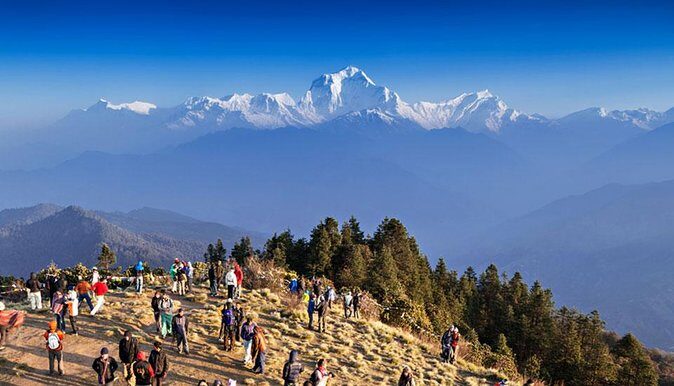
- Day 11: Thorong La Pass (5,416m) and the 360-degree views
- Day 12: drive to Pokhara and celebrate the finish
- Day 13: optional onward travel
- Accommodations and meals: the real comfort value
- The guide and the safety net you’re actually buying
- Price and value: what $809.10 per person is covering
- What the logistics feel like day-to-day
- Who should book this Annapurna Circuit plan
- Should you book it?
- FAQ
- What is included in the trek meals?
- Do I stay in hotels or tea houses during the trek?
- Is a guide included?
- Are permits included?
- Is transportation included to get to the trek?
- How do I return to Kathmandu after the trek?
- What is the highest point on the trek?
- Is the trek suitable for me if I’m only moderately fit?
- Is there any medical support included?
- What time and where do we meet?
- Is cancellation free?
Why the guidance and transport matter
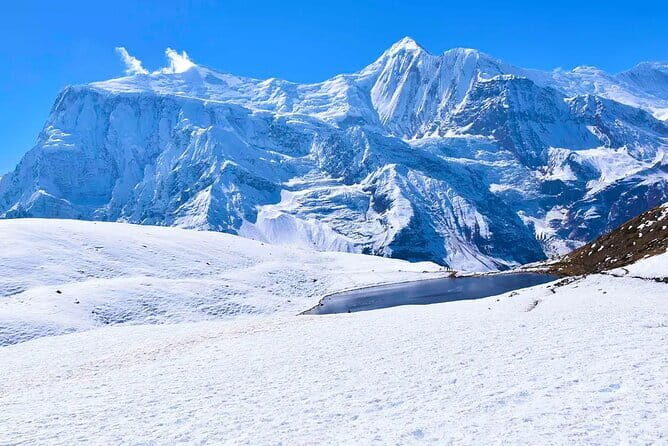
This is a private group experience, so your trek days won’t feel crowded or chaotic. You also get a government-licensed guide plus the kind of hands-on support that makes a difference on a trek this long—things like food and accommodation coordination, plus an added safety net with a first aid box that includes an oximeter.
And yes, I’m paying attention to the small stuff: people mention guides like Ravi and Sandip, and they’re praised for professionalism and caring details. That’s not fluff. On the Annapurna Circuit, comfort and timing are what turn a hard trek into a manageable one.
Key highlights worth planning around
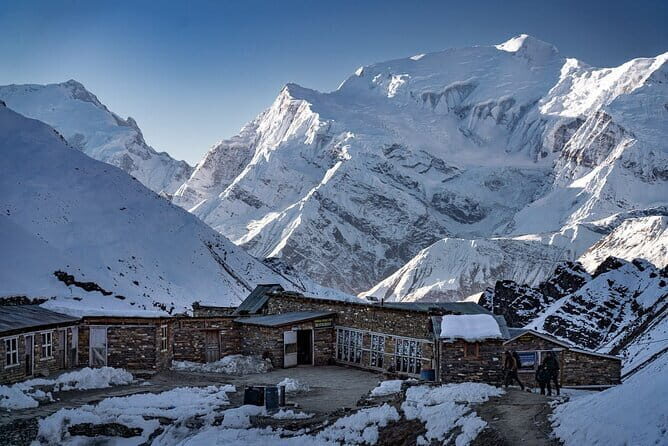
- Thorong La Pass day starts early for a demanding but unforgettable summit-panorama.
- Tea house accommodations keep the trek lodge-based, with meals handled for you.
- Manang acclimatization day gives you a chance to breathe easier before higher terrain.
- Experienced, government-licensed guide support plus a first aid kit with an oximeter.
- Route permits included (Annapurna Conservation Area Permit and TIMS) so you’re not scrambling at the last minute.
- Pokhara reset after the trek with one night hotel and breakfast, then flexibility for what’s next.
You can also read our reviews of more hiking tours in Kathmandu


A practical overview of the Annapurna Circuit trek
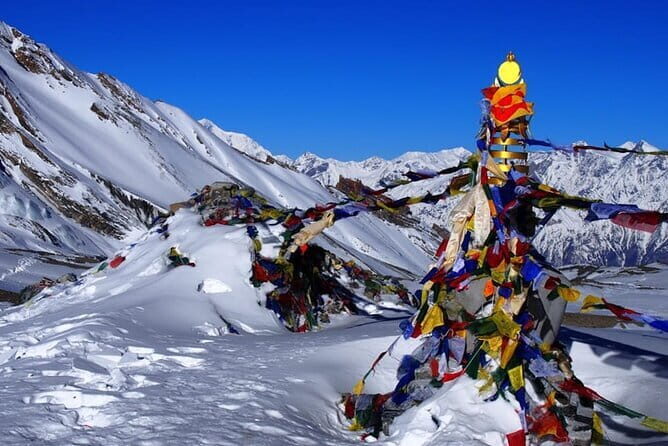
The Annapurna Circuit is famous for a reason. You cross Nepal’s mid-hills, step into higher alpine terrain, and then—at the top end—hit one of the most iconic trekking passes in the country. This 13-day version keeps the experience lodge-based with tea house stays, which is the style most hikers want: you walk, you eat warm meals at night, and you wake up ready for the next section.
The trip is described as approx. 13 days and is centered on a full trekking arc from the drive out of Kathmandu through to the end of the trek and a transfer to Pokhara. Your trek is guided, and meals are included during the trekking days—breakfast, lunch, and dinner—plus tea or coffee at breakfast. That matters because altitude trekking punishes sloppy energy management. When food is planned, you’re less likely to under-eat and then feel it later.
For fitness, the guidance is “moderate physical fitness level.” In real terms, that means you should be comfortable with long hiking days, steady uphill sections, and the mental grind of taking lots of steps at altitude. You don’t need to be a mountain athlete. You do need to be consistent.
Day-by-day: what to expect, and where you’ll feel it
Below is how the route plays out, and what each section usually means for your body, your views, and your day-to-day comfort.
Day 1: Kathmandu to Besisahar via Bulbule
You leave Kathmandu early and take a scenic drive. The schedule includes roughly a 9-hour drive set for day 1, with stops described around Bulbule (at 820m) and Besisahar as the route’s starting point for the trek portion.
Why this is valuable: you’re not just hopping on a plane to mountains. You’re slowly shifting your body from city life to trail life. The drive also gives you early glimpses of the lower Himalayan region—terraced fields, small villages, and that first sense of scale that makes the trek feel real.
Practical note: long road days can be tiring even when you’re not walking. If you bruise easily or get motion sick, plan ahead with water and comfort gear.
Day 2: Bulbule to Bahundanda
From Bulbule, you begin the trek toward Bahundanda, passing through villages and terraced fields while gaining elevation gradually. This is a good “get your legs under you” day.
What you’ll like: the slower start. Early circuit trekking days are where you learn the pace you can hold. If your first day feels too easy, that’s fine. Save your energy for later climbs.
Possible drawback: the air can still be thicker or hotter at lower altitude. The trick is to keep your breathing steady and not sprint uphill just because you feel good.






Day 3: toward Chamche, suspension bridges and river views
This day includes dense forests and several suspension bridges, plus a descent toward Chamche. You’ll see the Marsyangdi River and tributaries along the way as the trail works around the terrain.
This is one of those trekking days where “walking mode” matters more than “scenery mode.” Forest sections can look repetitive, but suspension bridges break that up and remind you you’re moving through real geography, not just uphill.
Caution: bridges can be bouncy. Watch footing, slow down, and don’t let excitement cause sloppy steps.
Day 4: climbing toward Dharapani through Gurung and Manangi villages
The route heads toward Dharapani, with stops through Gurung and Manangi villages. You’ll get local culture and hospitality, and the terrain shifts from subtropical-style conditions toward more alpine features as altitude increases.
Why it’s worth it: this is where you start noticing the Annapurna Circuit isn’t only mountains. It’s also people, villages, and daily life adapted to the hills.
What to consider: village days can mean more stopping, more photos, and more snack breaks. That can be fun—just keep an eye on your overall pace so you don’t blow energy before the harder segments.
Day 5: Chame as the Manang District hub
Today takes you to Chame, the administrative center of the Manang District. The route is described as offering fantastic views of Lamjung Himal and Annapurna II, alongside pine forests as you climb.
Chame is important because it feels like a real hub. Tea houses here are common, and it’s a solid place to reset before the deeper Manang corridor.
Tip: pine forest terrain often means cooler shade at times. Still, you can get sweaty fast. A quick layer system works best—light on when you’re climbing, heavier when you stop.
Day 6: Chame to Lower Pisang with widening Annapurna views
You trek toward Lower Pisang, passing dense forests and small villages. As you approach Pisang, the views of Annapurna II, III, and IV become more spectacular, and you reach a traditional Manangi village style.
This part is about “gradual payoff.” Big peaks tend to look better when you’re not staring at them for hours. You’ll notice the mountains in steps—different angles as you move.
Drawback to plan for: this is still active trekking terrain, and Pisang can be a day where you feel like you could keep going. But the route is setting up future acclimatization, so don’t overreach.
Day 7: onward to Manang for real acclimatization time
You continue to Manang, described as a large village with traditional Tibetan culture and Buddhist monasteries. This is also a key rest and acclimatization stop because you’re nearing higher altitudes.
Manang matters because it’s where your body starts responding to altitude in a noticeable way. You want a proper pause before going higher.
What you’ll like: the cultural angle. Monasteries and Tibetan-influenced architecture give the trek a sense of place beyond hiking.
Day 8: acclimatize in Manang, choose your hike
You take a full day to acclimatize. You can hike to Gangapurna Lake or do a short trek to Praken Monastery for panoramic views of Gangapurna, Annapurna III, and Himalchuli.
This is your flex day, and you should use it wisely. If you’re feeling good, choose a shorter walk that gets you up high enough to help acclimatize. If you’re feeling off, keep it gentle. Altitude doesn’t reward bravado.
Practical advice: go out earlier, hydrate well, and don’t chase summit-style effort on an acclimatization day.
Day 9: Manang to Yakkharka with high-altitude views
The route goes toward Yakkharka, passing sparse forests and more high-altitude terrain. As you approach Yakkharka, the views of Annapurna II and Gangapurna are described as incredible. You overnight in Yakkharka.
Expect this day to feel more exposed. Sparse forests usually mean more wind and less shade. It can look beautiful and still feel physically demanding.
Tip: keep your warm gear reachable. Stop often, drink often, and avoid long breaks that cool you down too fast.
Day 10: to Thorong Phedi, the launch point
Today takes you to Thorong Phedi, the base camp area for Thorong La Pass. The trek gets steeper as you approach higher altitudes, and this becomes your final stop before the pass push.
This is a critical pacing day. You’re not trying to win points for speed. You’re trying to arrive at the start line with enough energy for the main climb.
What you’ll likely notice: your breathing will feel different. That’s normal here. Take your time, and keep steps small and steady.
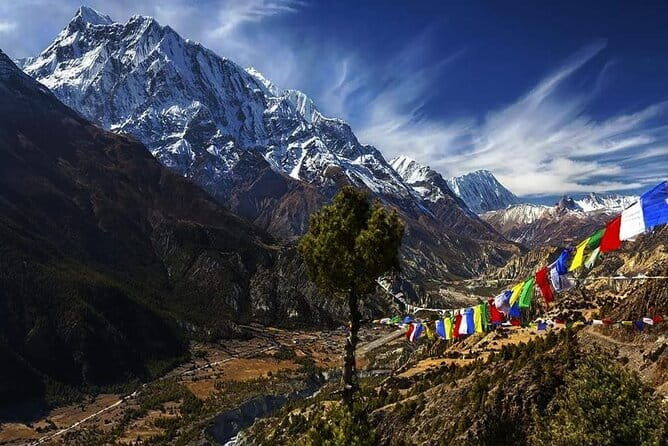
Day 11: Thorong La Pass (5,416m) and the 360-degree views
This is described as the most challenging and rewarding day. You start early, tackle Thorong La Pass, and then enjoy sweeping panoramic views from the top.
Why the early start matters: high-altitude weather and conditions can change fast, and starting early is how most trekking teams avoid getting stuck in the wrong time window.
How to handle the challenge: go slow. On a pass day, speed is the enemy. You’ll feel better if you keep a rhythm that you can maintain even when the trail steepens.
Day 12: drive to Pokhara and celebrate the finish
After the long trek, you drive to Pokhara by bus. At Pokhara, the team enjoys a successful dinner together, and you have a chance to prepare for whatever comes next.
This day is less about hiking and more about recovery. Sit, hydrate, and let your legs calm down. One team dinner also tends to make the finish feel real—like closing a chapter.
Day 13: optional onward travel
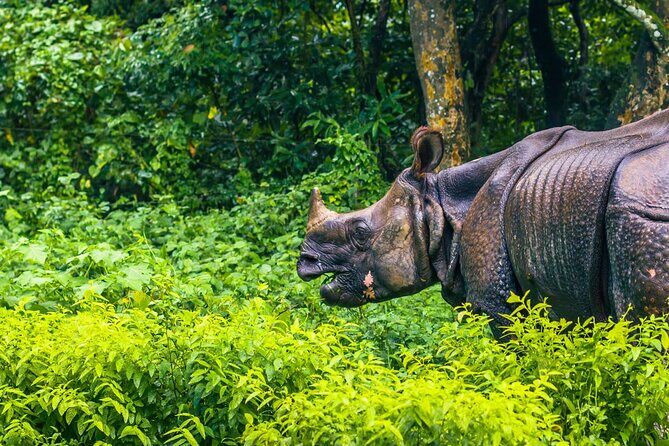
After trekking ends, you head into your next destination choice: more days in Pokhara, Chitwan National Park tours, a drive back to Kathmandu, or anything you prefer. The provider says they can still help.
This final day is about choice. If you want a slower travel pace, Pokhara is a good place to do it.
Accommodations and meals: the real comfort value
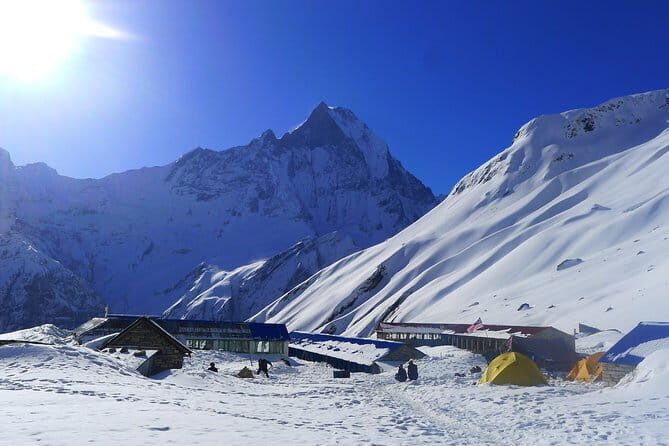
This trek is lodge-based, with tea house accommodations during the hiking days. Tea houses are simple by design. You’ll trade modern luxury for warmth, convenience, and the ability to keep moving each day without carrying a full camping setup.
The real win here is meal coverage. Breakfast, lunch, and dinner are included during the trek, with tea or coffee during breakfast time. That means you can plan your calories around altitude—something that matters more than people think when they’re excited by views.
Also included: a cup of tea/coffee during breakfast time. It sounds small. On cold mornings near higher elevations, it’s morale with a liquid center.
What to watch for: tea house standard can vary. Some places are more comfortable than others. The guide’s local knowledge and planning helps smooth those gaps.
The guide and the safety net you’re actually buying
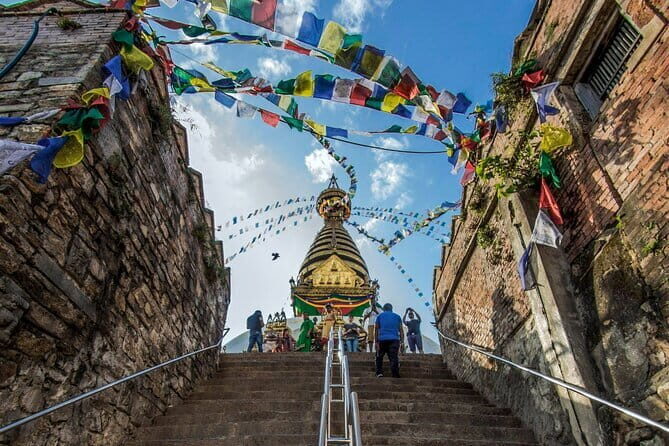
You’re paying for more than trail time. You’re paying for someone who can keep the trek moving safely and reduce decision stress.
Included in the trip:
- A government-licensed experienced helpful and friendly guide
- A first aid box with normal medical supplies, including an oximeter
That oximeter detail is practical. Altitude issues can start quietly. Having the tool available can help you respond earlier rather than later.
From reviews tied to this provider, guides such as Ravi and Sandip are specifically praised for going above and beyond—making sure hikers are comfortable and get good accommodations and food. That aligns with what you want from a guide on the Annapurna Circuit: not just navigation, but daily problem-solving.
You’re also traveling as a private tour/activity—only your group participates. That can matter on pass days and acclimatization days when you want to keep pace consistent.
Price and value: what $809.10 per person is covering
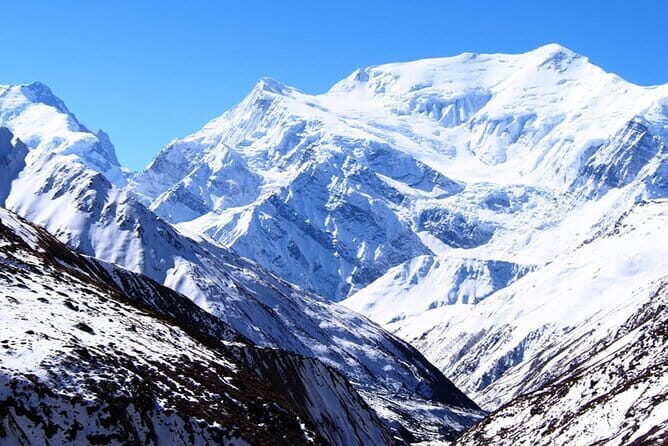
The listed price is $809.10 per person, which sounds like a bargain or a question, depending on what you’ve paid for trekking before.
Here’s the value logic based on what’s included:
- Trek meals (breakfast, lunch, dinner) across the trek days
- Tea house accommodations during the trek
- Guide support
- Permits: Annapurna Conservation Permits fees and TIMS fee
- Transfers that connect Kathmandu to the trek start and end points, plus a private vehicle from the trek ending point to Pokhara
- One night hotel in Pokhara with breakfast (standard twin sharing)
What’s not included matters too:
- Your Nepal entry visa fees
- Transportations back to Kathmandu after the trek (the trek ends in Pokhara)
- Personal expenses
- Porter carrier for baggage if you want one
- Extra hotel nights/activities in Kathmandu and Pokhara
So what are you really paying for? Planning, coordination, and the pieces that usually cost extra if you DIY. If you’re someone who doesn’t want to chase permits, negotiate tea house stays, and manage transfers in a country where timing matters, this package is easier than building it from scratch.
Is it the cheapest option? Maybe not. But it’s pricing you pay for less hassle during the hard days.
What the logistics feel like day-to-day
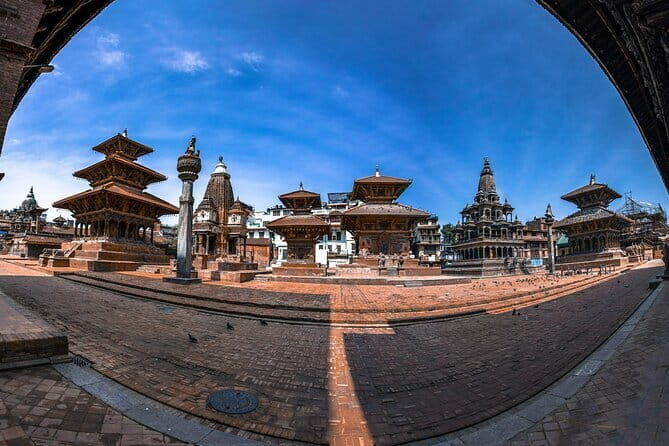
A few practical notes that shape how your trek experience goes:
Transport and timing: you get public bus transportations from Kathmandu to Besisahar and sharing transportation to Nyadi, plus private transportation from the trek ending point to Pokhara. This combo can reduce cost without making you handle every leg alone.
Pokhara staging: one night hotel in Pokhara with breakfast helps you transition from trekking to real rest. Then you can decide what to do next.
Meeting window: the meeting points show morning hours (6:15 AM–7:15 AM and 8:15 AM–9:15 AM). That tells you the itinerary starts early and expects you to be ready for daytime progress.
Mobile ticket: included. It suggests you won’t be stuck hunting for printed documents at the last minute.
Who should book this Annapurna Circuit plan
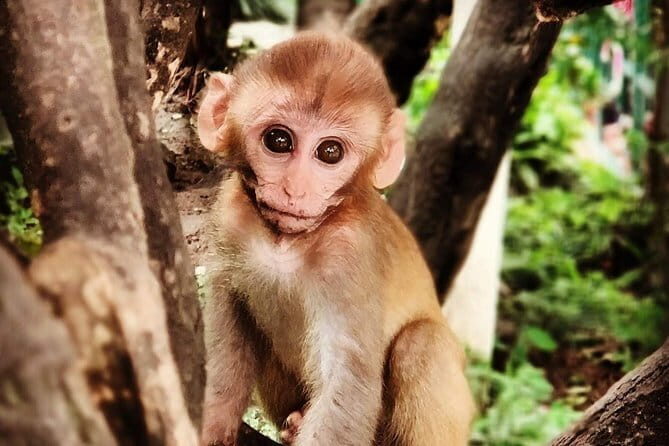
This fits best if you:
- Want a classic Annapurna Circuit experience without camping
- Prefer a guided setup where meals, permits, and key transfers are handled
- Have moderate fitness and want a structured acclimatization plan
- Enjoy the idea of cultural stops in villages like those around the Manang area
It may not be ideal if you:
- Need total free time to redesign your days mid-trek (the structure is set)
- Are looking for very plush comfort in tea houses
- Know you struggle with early mornings and long uphill days
If you’re the kind of traveler who likes checking in with a plan, but still wants real mountain life, you’ll probably be happy here.
Should you book it?
I’d book this Annapurna Circuit option if you want the pass experience with a thoughtful pace, predictable daily meals, and less decision stress. The best parts are the route design around acclimatization (especially the Manang day), the inclusion of permits and safety basics like an oximeter, and the practical transport chain that gets you to and from the mountains without drama.
I’d pause before booking if you have a strict comfort standard for lodging or if you’re not ready for the pass-day effort. The Thorong La Pass day is the main event. Everything else supports you getting there.
If you’re prepared for that, this is a strong value way to do the Annapurna Circuit in 13 days.
FAQ
What is included in the trek meals?
Your package includes all standard meals during the trek: breakfast, lunch, and dinner. Tea or coffee is also provided during breakfast time.
Do I stay in hotels or tea houses during the trek?
You stay in tea houses during the trek. You also get one night in a standard twin-sharing hotel in Pokhara with breakfast.
Is a guide included?
Yes. The tour includes a government-licensed experienced helpful and friendly guide.
Are permits included?
Yes. The package includes Annapurna Conservation Permit fees and the TIMS fee.
Is transportation included to get to the trek?
Yes. You get public bus transportation from Kathmandu to Besisahar and sharing transportation to Nyadi. Private transportation is included from the trek ending point to Pokhara.
How do I return to Kathmandu after the trek?
Transportation back to Kathmandu is not included. The itinerary describes reaching Pokhara on day 12 and then going to your next destination on day 13.
What is the highest point on the trek?
The itinerary includes crossing Thorong La Pass at 5,416m on the pass day.
Is the trek suitable for me if I’m only moderately fit?
The trip states travelers should have a moderate physical fitness level.
Is there any medical support included?
The package includes a first aid box with normal medical supplies and an oximeter.
What time and where do we meet?
Meeting point hours are listed as Monday to Sunday from 6:15 AM–7:15 AM and 8:15 AM–9:15 AM.
Is cancellation free?
Yes. Free cancellation is allowed up to 24 hours in advance of the experience for a full refund.