REVIEW · KATHMANDU
14 days Annapurna Base Camp Trek
Book on Viator →Operated by Asian Heritage Treks and Travels · Bookable on Viator
Stair steps and mountain magic, in 14 days. This Annapurna Base Camp trek mixes Kathmandu culture with a moderate mountain walk through villages of Gurung, Magar, and Thakali communities. It also builds in the big-view moments that trekkers chase, from sunrise at Poon Hill to the Annapurna Sanctuary at base camp.
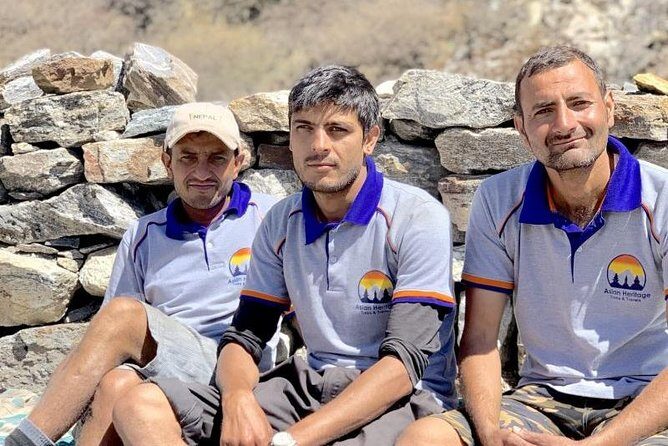
What I like most is the balance: you get real city time in Kathmandu’s UNESCO sites, then you trade roads for trail days. I also love the practical support built into the trek, with an experienced English-speaking licensed trek leader and porter help so you’re not doing a one-person logistics show.
One thing to plan for: you’re signing up for a large-distance hike, including punishing sections like 2000+ stone steps at Chhomrong. If you’re not comfortable with steep ups and downs, you’ll feel it, especially as the altitude climbs.
In This Review
- Key things that make this trek worth a serious look
- Kathmandu first: where this trip earns its momentum
- Pokhara lakeside: the calm before the trail gets serious
- Day 4 to Ulleri: terraced hills and the first real climb
- Ghorepani and the Annapurna view build-up
- Poon Hill sunrise and Tadapani: morning rewards, long hours
- Chhomrong: rice fields, river crossings, and famous viewpoints
- Bamboo Village and the 2000+ steps: where your legs renegotiate their contract
- Deurali, Hinku Cave area, and Macchapuchare Base Camp (MBC)
- Day 10 at Annapurna Base Camp: early wake-up optional, views not optional
- The return: Jhinu hot springs for tired bones
- Pokhara to Kathmandu: a landing with less drama
- Price and logistics: what you’re really paying for
- Who this trek fits best (and who should think twice)
- Should you book this 14-day Annapurna Base Camp trek?
- FAQ
- FAQ
- How long is the Annapurna Base Camp trek?
- Where does the tour start, and what time?
- What’s included in the price?
- Are meals included on the trek?
- Do I need to pay entrance fees for Kathmandu heritage sites?
- Is there porter help for luggage?
- What about tipping?
- Is watching sunrise at Annapurna Base Camp optional?
- What is the cancellation policy?
Key things that make this trek worth a serious look
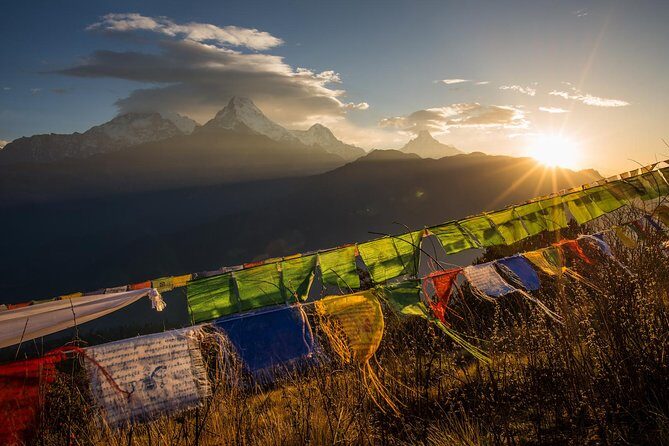
- Poon Hill sunrise at 3210m: early start, big panoramic payoff over Annapurna and Dhaulagiri.
- Porter support (18 kg shared): you carry less, and your knees will thank you later.
- Annapurna Sanctuary views: the base camp setting as an oval plateau ringed by peaks.
- Hot springs finish via Jhinu: a recovery moment on the way back down.
- Kathmandu UNESCO day: Durbar Square, Swayambhunath, and Boudhanath are built into the route.
- Room-only lodge nights: you travel lighter on planning meals, but you’ll pay for food/drinks yourself.
Kathmandu first: where this trip earns its momentum
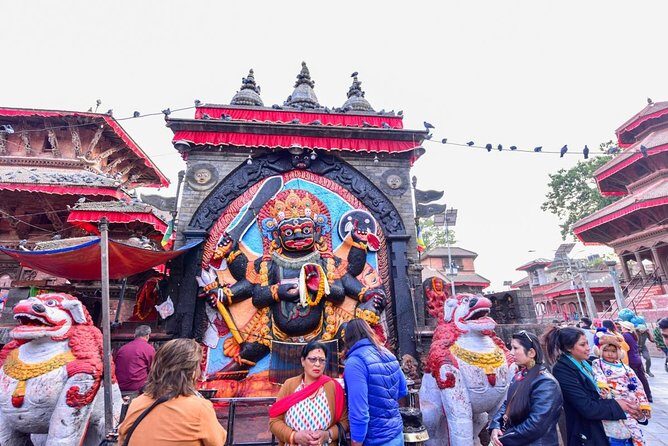
You start in Kathmandu, specifically Thamel, with pickup from Tribhuvan Airport at 8:30 am. After you’re transferred to your hotel, the afternoon briefing in the lobby is where you’ll get your trip rhythm—what to pack, how the trek days flow, and how the group moves.
Day 2 is a classic Kathmandu sweep: Kathmandu Durbar Square (UNESCO), then Swayambhunath Temple (Monkey Temple) for Buddhist stupa vibes and a wide valley view. You finish with Boudhanath, one of the largest stupas in the world and a place where prayer flags hang like color-coded wind direction.
Why I think this matters: trekking feels easier when you’ve got your bearings. Two good city days also let you rest, sort gear, and get used to Nepal time before you start stacking hiking hours.
Small caution: entrance fees for these world heritage sites are not included, so budget a bit extra if you want to go inside everything you see.
You can also read our reviews of more hiking tours in Kathmandu


Pokhara lakeside: the calm before the trail gets serious
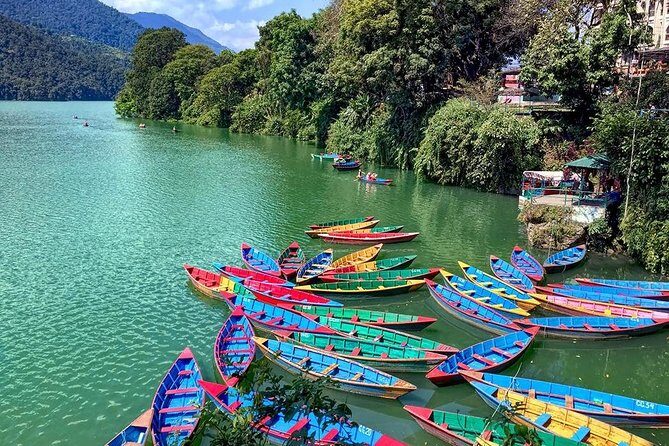
After Kathmandu, you head to Pokhara, with time at Lakeside to reset. This is not just downtime—it’s also where you’ll notice how the tour treats pacing. You’re not thrown onto the trail immediately; you get a breather, plus a realistic chance to sleep well.
On your way into the mountains, Pokhara works like a runway: it’s close to the Annapurna gateway roads, and it helps you move from city crowds into trail focus. The itinerary keeps this practical by including transportation connections so your first trekking day doesn’t start with travel stress.
Day 4 to Ulleri: terraced hills and the first real climb
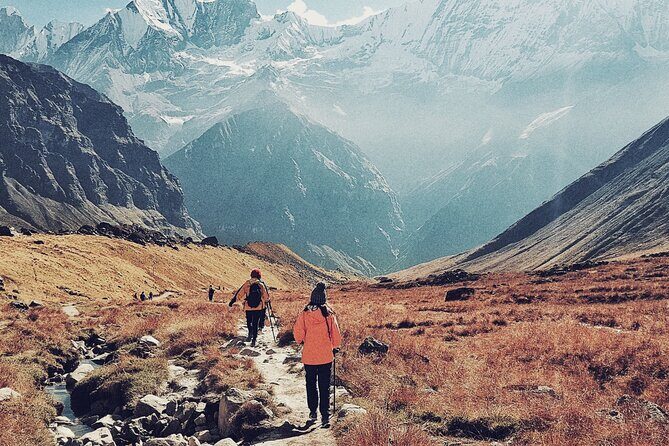
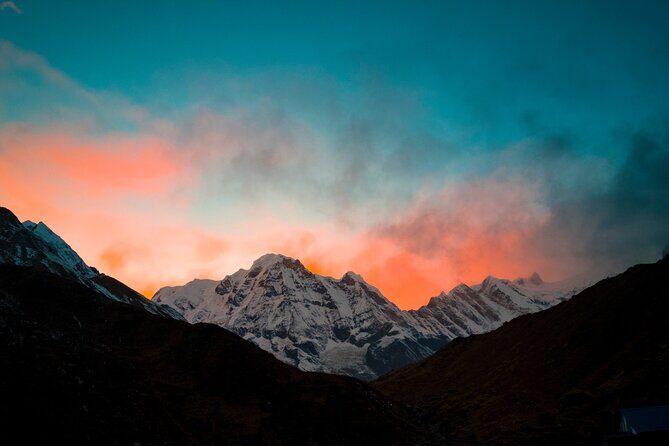
Day 4 begins with a drive to Nayapul, which is the gateway for much of the Annapurna region. Then it’s hiking to Ulleri, with terraced farm fields and that “fresh air hits you” feeling as you ascend.
The route includes a stop through Tikhedhunga and then a tougher segment: from there, the trail is described as hard and straight uphill until Ulleri. That’s important for planning mindset. Early on, you’re learning the difference between scenic walking and uphill grinding.
At the end of this day, you’ll usually feel that mix of satisfaction and soreness that says you’re officially in trekking mode.
Ghorepani and the Annapurna view build-up
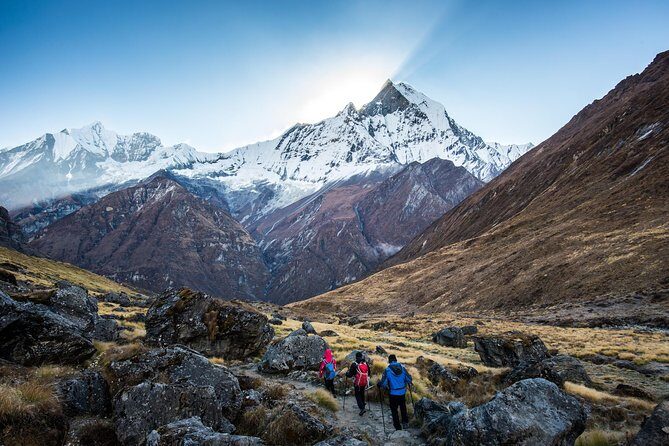
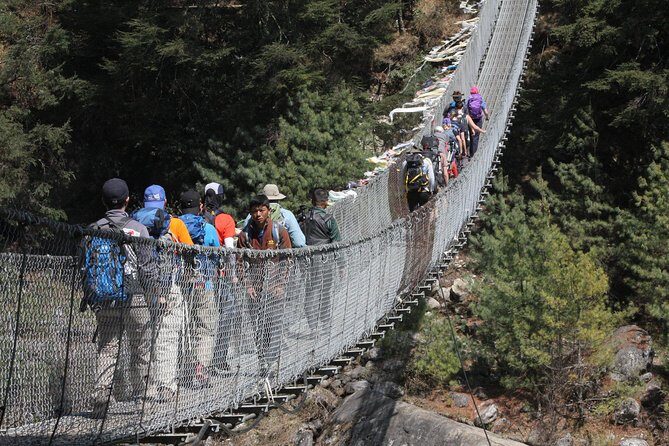
Day 5 keeps the momentum going but changes the tone. The hike heads toward Ghorepani through rhododendron and pine forests, crossing little bridges along the way. This is the kind of trail that’s easier to like because the scenery changes often and your pace can be steadier.
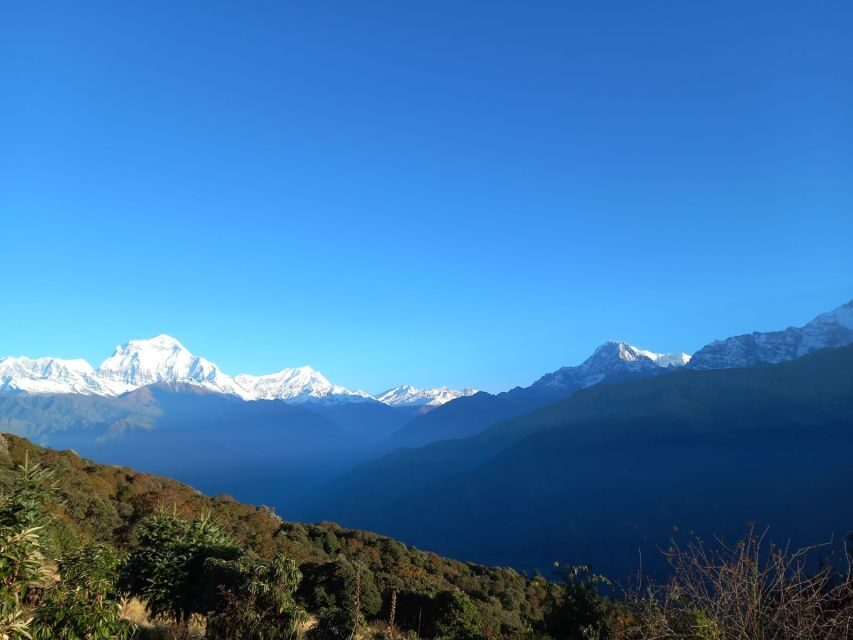
Once you reach Ghorepani, you’re in position for one of the trek’s best payoffs: big mountain views. The itinerary calls out visibility of Mt. Dhaulagiri (8167m) from upper Ghorepani, plus more peaks.
Day 5 is also a good place to judge your gear. If your boots are rubbing or your water routine isn’t working, fix it now. After Ghorepani, you’ll be stacking more elevation and longer days.
Poon Hill sunrise and Tadapani: morning rewards, long hours
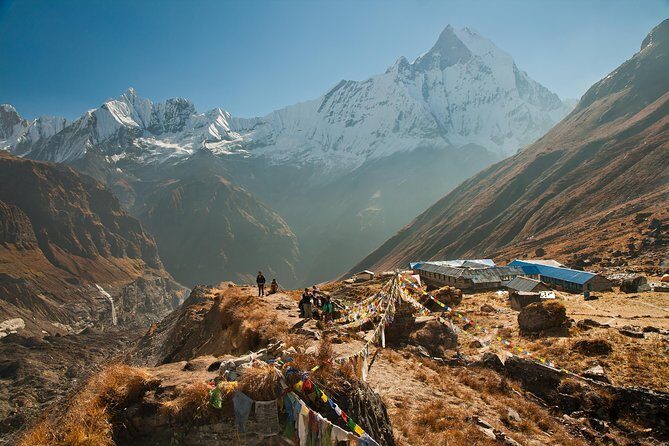
Day 6 is about sunrise, and you’ll start early to get to Poon Hill (3210m). The point is simple: catch the first light ray and enjoy panoramic views over Annapurna and Dhaulagiri, before moving on.
After the sunrise moment, you return for breakfast at Ghorepani, then continue trekking to Tadapani (2650m). The trek is described as passing through rhododendron forest, which usually means cool shade and a more forest-y walking feel after that early morning intensity.
What I like here is the structure: you get a clear reason to wake up early, and it’s not just for photos. It’s a true landscape-view payoff day, followed by a normal trekking rhythm.





Chhomrong: rice fields, river crossings, and famous viewpoints
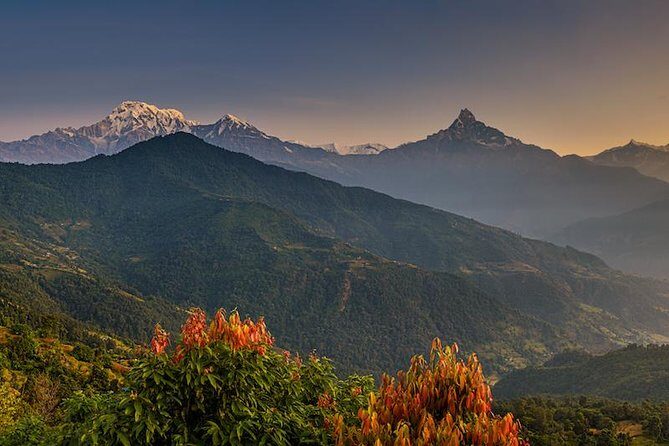
Day 7 starts with descending and crossing the Kimrung River, then moving alongside rice fields and small settlements. You’ll ascend toward Chhomrong, with views called out for Fishtail and Annapurna South.
This is one of those days where you may feel energy return after earlier climbs. The route’s variety—river walk, village atmosphere, then viewpoint ascent—helps you stay mentally fresh even when the trail nudges uphill.
Chhomrong also sets you up for the next day’s big step-down and step-up sequence, so treat this day as a pacing lesson.
Bamboo Village and the 2000+ steps: where your legs renegotiate their contract
Day 8 is the “brace yourself” day. You climb down 2000+ stone steps to cross the Chhomrong River, then face a big ascent to Sinuwa. After rest, you descend again through rocky steps and bamboo forests to reach Bamboo Village (2300m).
Here’s a memorable detail: Bamboo Village is famous for large lemur colonies. If you’re lucky, you might spot one hanging around trees. Even if you don’t, bamboo forest walking has its own calm feel.
From Bamboo Village, you continue to Dovan with an easier trail ahead. That’s a good sign: the itinerary doesn’t keep you in “hard mode” the whole day, which helps recovery.
Deurali, Hinku Cave area, and Macchapuchare Base Camp (MBC)
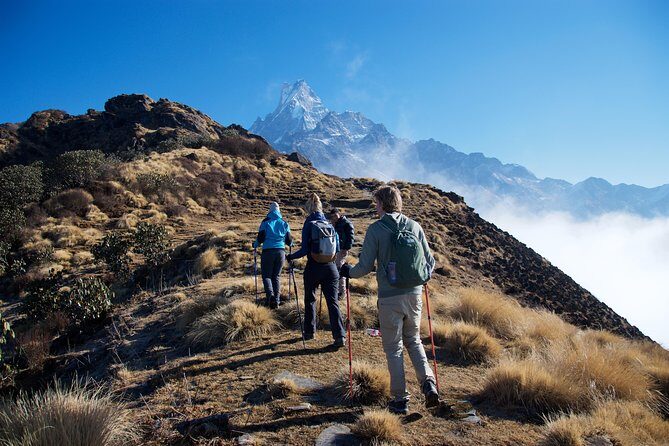
Day 9 keeps changing the ecosystem as you go—rhododendron and bamboo forests, then a much drier forest on the climb, plus river-adjacent walking segments. The route describes a steep climb up, reaching Hinku Cave, then dropping closer to the river before climbing again to Deurali (2920m).
After rest, you head toward Modi Khola, walking alongside the river before ascending to Macchapuchare Base Camp (MBC). The guide notes an amazing view of Fishtail Mountain, and that its shape changes with your angle of view.
Why this day matters for most trekkers: the trail teaches you how to handle shifting terrain. If you’ve been thinking your trek will be one long uniform uphill, this is where it corrects that idea.
Day 10 at Annapurna Base Camp: early wake-up optional, views not optional
Day 10 is where the trek name becomes real. If you want to watch sunrise at ABC, you’ll need a very early wake-up around 3 A.M., then hike about 2 hours to ascend while being careful with altitude.
The base camp description focuses on the setting: Annapurna Base Camp is called Annapurna Sanctuary because of its oval-shaped plateau surrounded by a ring of mountains. You also get named views of major peaks, including Machhapuchhre and Annapurna South, plus Annapurna I and Annapurna III, along with Hiunchuli and other surrounding summits.
Even if you don’t do the sunrise option, the day is still built around arriving at a place that feels different from the forest-and-village parts of the trek. The air, the openness, the sense of being inside a mountain bowl—those are the moments people remember.
The return: Jhinu hot springs for tired bones
Days 11 and 12 are about getting down with intent, not rushing. Day 11 descends through settlements you recognize (Himalaya, Dovan, Bamboo), then you climb back to Sinuwa before dropping toward the Chhomrong River. After that, the route turns toward Jhinu, known for hot springs that help melt away fatigue.
This is one of the best “value adds” on the itinerary. You’re not just walking back; you’re given a recovery destination that can make the final days feel manageable.
Day 12 is your last trekking day. You’ll descend stone staircases, then pass villages, farmlands, and tea houses on the way toward Nayapul, where the private jeep transfers you back to Pokhara.
Pokhara to Kathmandu: a landing with less drama
On Day 13, you take breakfast in Pokhara, then drive back to Kathmandu. You arrive in the late afternoon and stay the night in Kathmandu.
This day matters because it lets you “finish the trek” without immediately flying. You can pack calmly, wash up, and handle any last details with breathing room.
Day 14 is straightforward: you’ll be transferred to Kathmandu International Airport around 3 hours before your flight, with guidance to the check-in hall.
Price and logistics: what you’re really paying for
At $1,028.41 per person, this trek is priced like a well-managed package rather than just “a trail with instructions.” A big part of the value is that your core logistics are handled: trekking permits (Annapurna Conservation Area permits and TIMS, plus other necessary permits), transportation as listed, and a licensed English-speaking trek leader.
You also get porter support, with one porter able to carry 18 kilo of luggage, shared between two clients. For many people, this is the difference between enjoying the mountains and white-knuckling your way through sore shoulders.
What you should count on paying extra for:
- Food and drinks during the trek (your lodge nights are room only)
- Personal trekking gear and personal expenses
- Tips for guide, porter, and drivers
- Entrance fees for Kathmandu UNESCO sites (not included)
- Emergency rescue evacuation insurance (explicitly not included)
If you like structure—clear pacing, experienced leadership, less admin work—this kind of package can feel like a smart way to spend your money.
If you’re trying to keep costs extremely low or you want total freedom on pacing each day, you might feel constrained by the guided schedule.
Who this trek fits best (and who should think twice)
This Annapurna Base Camp trek is aimed at hikers with moderate physical fitness, and it’s described as requiring a large distance hike. If you can handle steep trail days and long walking hours, you’ll likely find the route manageable and rewarding.
It also suits people who care about culture as much as scenery. The itinerary’s Kathmandu UNESCO stops are more than a warm-up; they give your trip context and momentum.
I’d think twice if stone steps and steep climbs scare you. The schedule includes days with heavy stair segments and long walking blocks, plus early mornings for sunrise options.
Should you book this 14-day Annapurna Base Camp trek?
I’d recommend it if you want a guided Annapurna Base Camp trek that handles permits, transportation, and daily movement, while still delivering the key sights: Poon Hill sunrise, Annapurna Sanctuary at ABC, and a hot springs recovery day at Jhinu.
Book it if you value support—especially the licensed trek leader and porter carry help—because that support is a real quality-of-life upgrade on a mountain where mistakes add up.
Skip or reconsider if you’d rather self-plan, you’re sensitive to long stair climbs, or you’re not comfortable with the altitude-related pacing reminder (like taking care during early ABC ascent).
FAQ
FAQ
How long is the Annapurna Base Camp trek?
The tour runs for 14 days (approximately).
Where does the tour start, and what time?
It starts at Tribhuvan Airport in Kathmandu, Nepal, with a meeting time of 8:30 am.
What’s included in the price?
Included items are accommodations (Kathmandu hotel stays plus 8 nights in trek lodges on a room-only basis), Annapurna Conservation Area permits, TIMS and other necessary permits, all transportation as mentioned in the itinerary, porter service (with the stated carry limit), an experienced English-speaking licensed trek leader, and all government and local taxes.
Are meals included on the trek?
Trek accommodation is listed as room only, and food and drinks are not included. Breakfast is included where specified in the accommodation plan, but you should budget for meals and beverages during trekking.
Do I need to pay entrance fees for Kathmandu heritage sites?
Entrance fees for world heritage sites in Kathmandu are not included. The itinerary specifies that Kathmandu Durbar Square, Swayambhunath Temple, and Boudhanath Stupa have admission tickets not included.
Is there porter help for luggage?
Yes. One porter can carry 18 kilo of luggage, and the porter’s load is shared between two clients.
What about tipping?
Tipping for the guide, porter, and drivers is not included, so you’ll need to plan for it.
Is watching sunrise at Annapurna Base Camp optional?
Yes. The itinerary notes that if you want to watch sunrise at ABC, you need to wake up early (around 3 A.M.) and hike about 2 hours, with care for altitude.
What is the cancellation policy?
You can cancel up to 6 days in advance for a full refund. Canceling 2–6 days before the start time gives a 50% refund. Canceling less than 2 days before the start time is not refunded.